
 Authorization

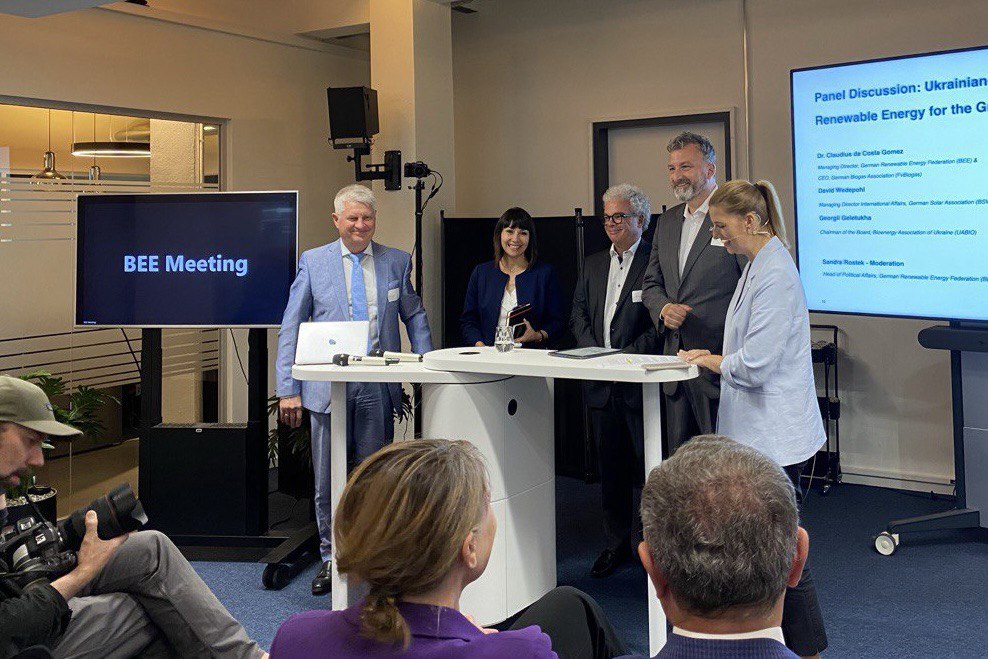
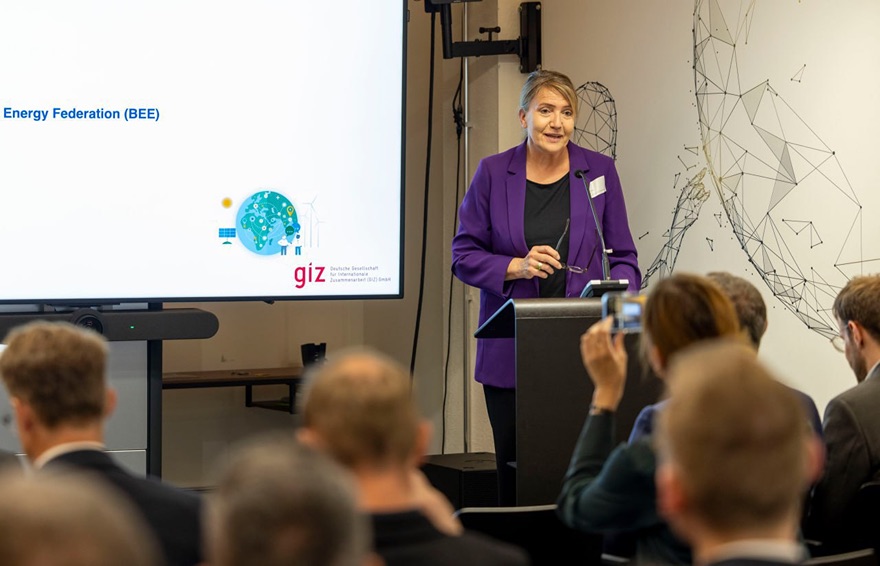
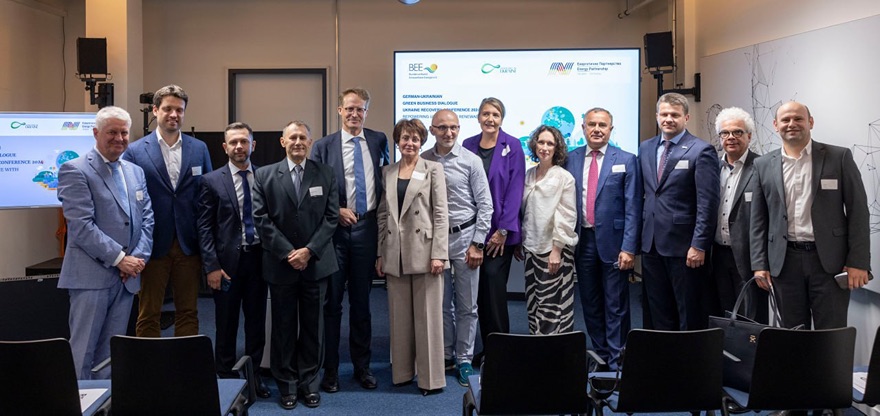
The German-Ukrainian Green Business Dialogue convened in Berlin on June 10, 2024, uniting German and Ukrainian renewable energy businesses with influential policymakers at the Ukraine Recovery Conference (URC) 2024. The event was co-organized by the German Renewable Energy Federation (BEE), Global 100% RE Ukraine, and the German-Ukrainian Energy Partnership which is implemented by Deutsche Gesellschaft für Internationale Zusammenarbeit (GIZ) on behalf of the Federal Ministry for Economic Affairs and Climate Action (BMWK) and in cooperation with the Ministry of Energy of Ukraine.
Participants discussed the renewable energy sector's critical needs and proposals for Ukraine's reconstruction, building on issues highlighted during a May preparatory session. The primary objective was to spotlight the sector's agenda for policymakers at the URC, advocating for repowering Ukraine with renewable energy and ensuring a “green” transformation in the recovery process. Additionally, German and Ukrainian companies and their business associations presented their vision and articulated their needs for expanding cooperation.
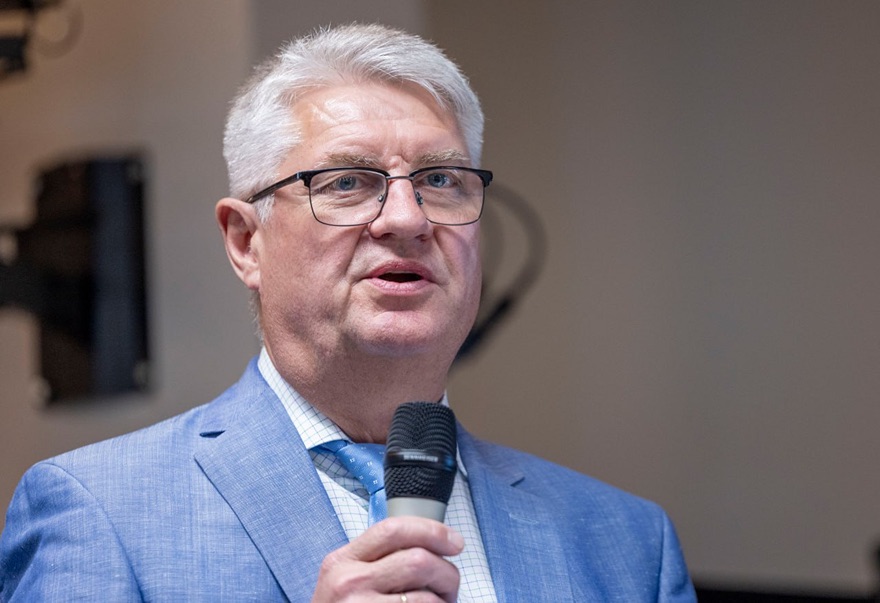
“The fossil fuel supply and cost crisis following the start of the russian war of aggression against Ukraine has highlighted how disastrous dependency on fossil and nuclear energy sources is, not to mention the gigantic nuclear threat in wartime. Decentralized power plant structures are less vulnerable to attacks and offer reliable energy supply even under war conditions,” said BEE President Simone Peter.
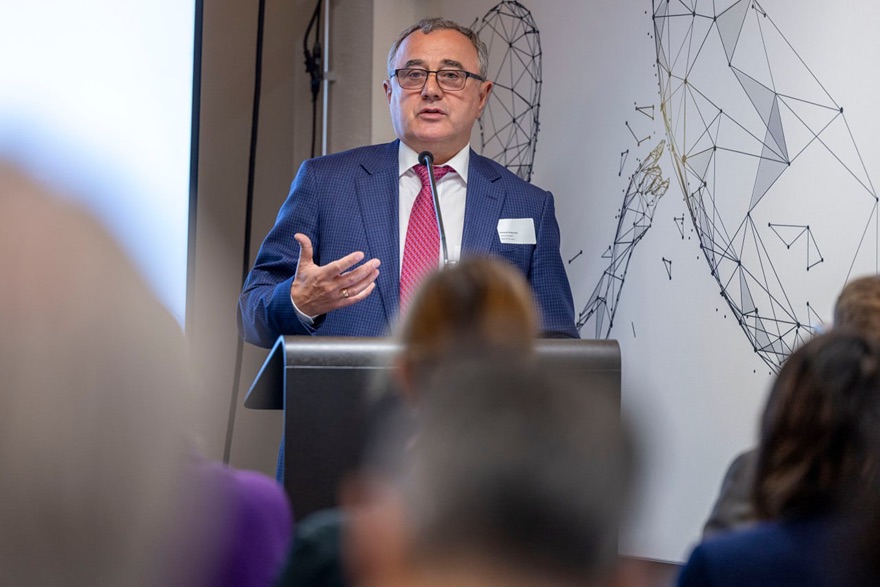
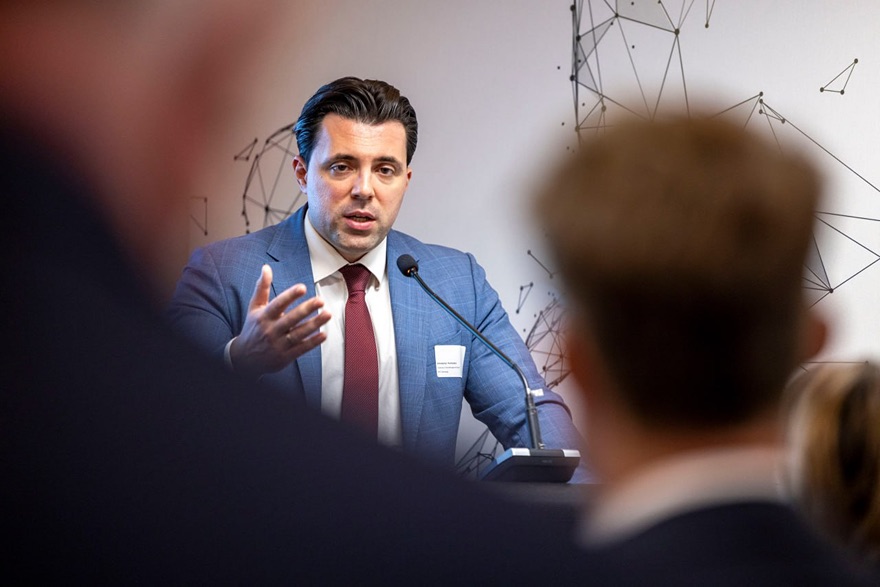
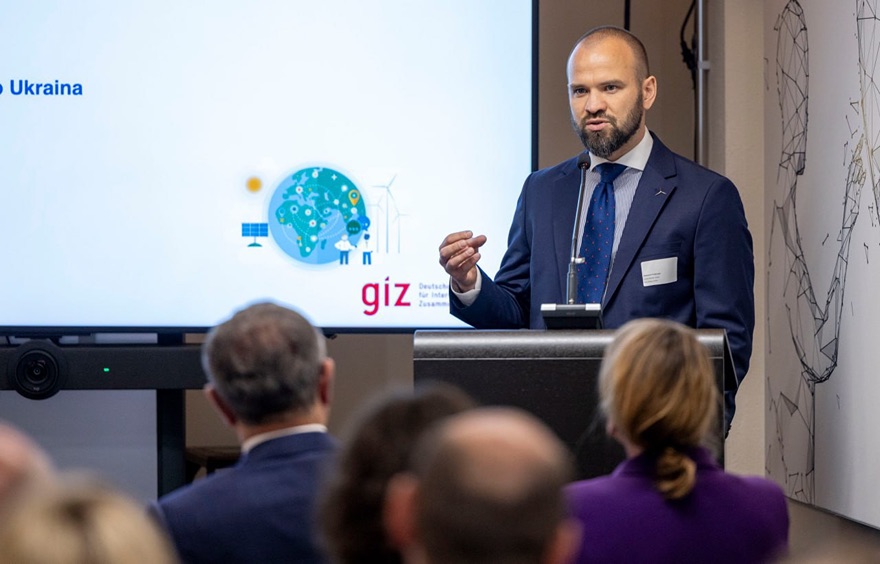
Andriy Konechenkov, Chairman of the UWEA Board, emphasized that adopting the simplest and most transparent tools for project development under the “overriding public interest” regime is crucial. He asserted that wind energy development must be recognized as a priority of public interest at the state level. Consequently, permitting procedures for land allocation, environmental impact assessments, urban planning documentation, and grid connections should be streamlined to the greatest extent possible. Mr. Konechenkov stated: “The primary barrier to launching renewable energy projects at the scale Ukraine requires is the lack of a suitable financial and commercial structure. We need a bridge between projects ready for construction and the available funds for Ukraine. Our association proposes creating a temporary financial instrument to provide certainty for lenders by guaranteeing the floor price of electricity. This guaranteed minimum price fund would ensure lenders are compensated if the monthly average market price falls below the guaranteed level during the settlement period. Conversely, the fund would benefit from market gains if the price exceeds the guaranteed level, receiving a fee - calculated as a discount to the market price - from the project owner.”
“The key obstacles for new projects in Ukraine are the lack of bankability and burdensome financing conditions. Addressing these challenges requires innovative solutions such as lenders accepting market risk or the creation of a Ukrainian Sustainability Fund supported by international donors,” underlined Oleksandr Podprugin, Deputy Chairman of the UWEA Board, Notus Energy.

 Home
Home