
 Authorization

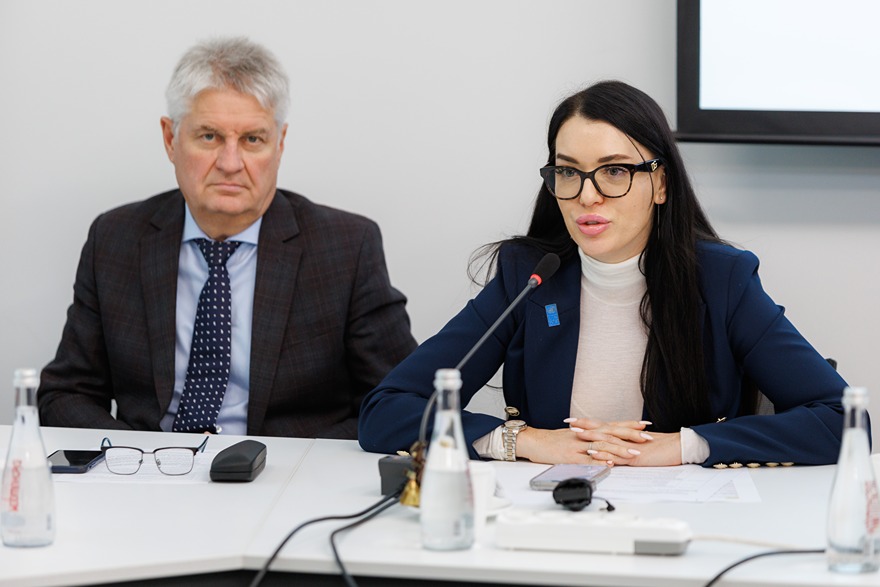
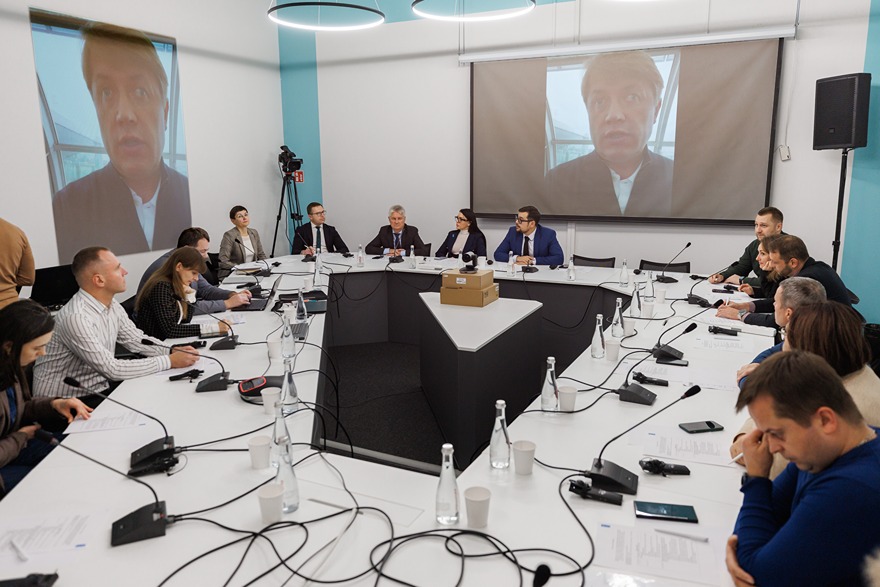
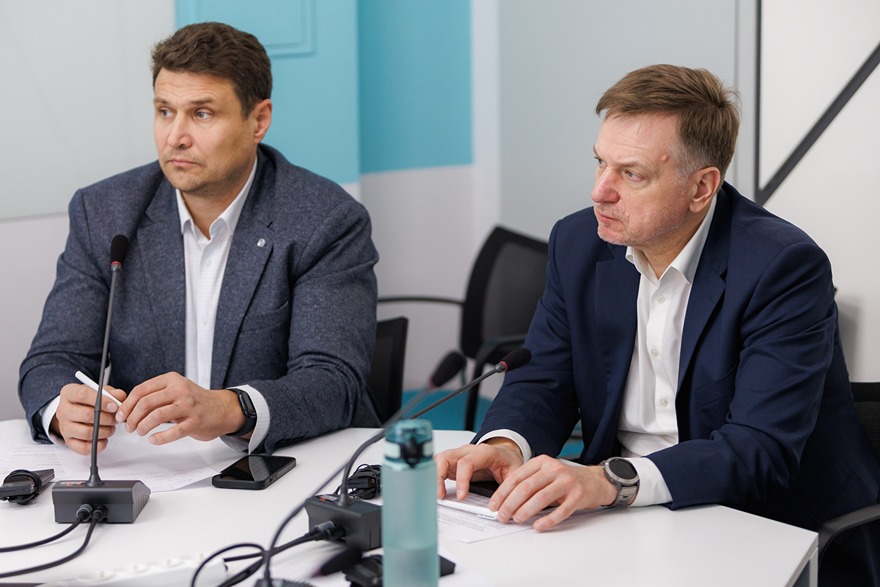
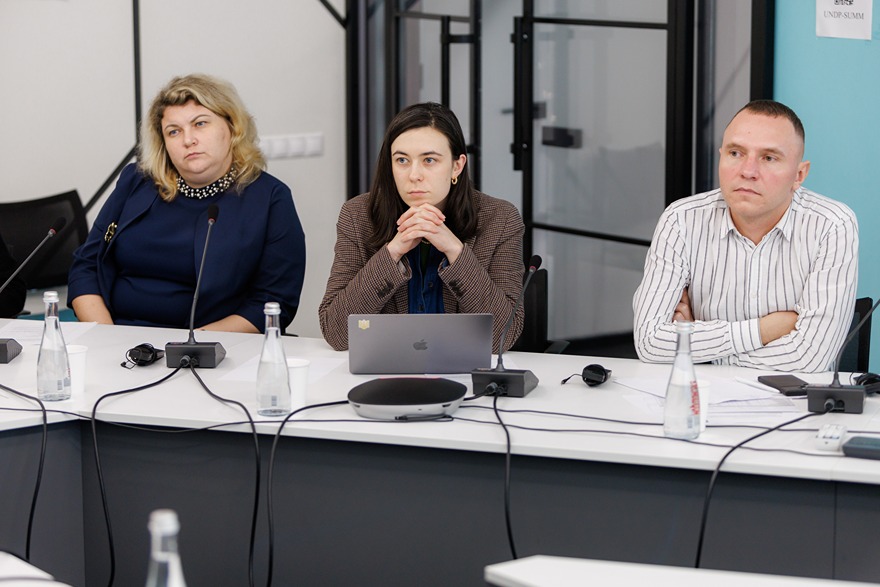
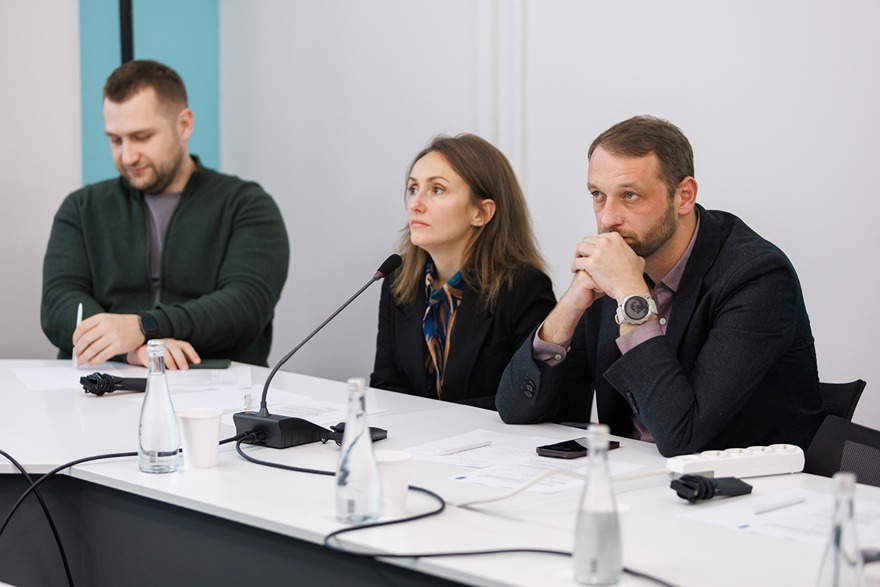
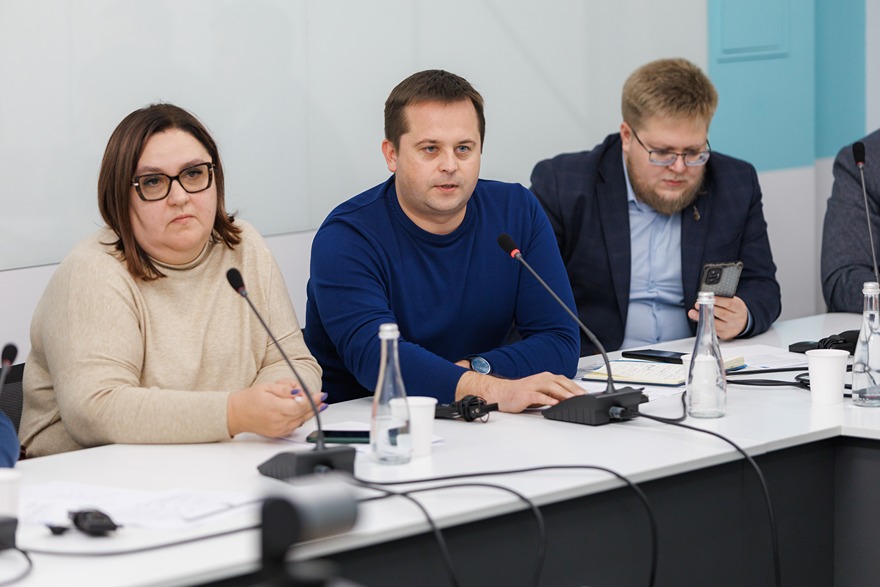
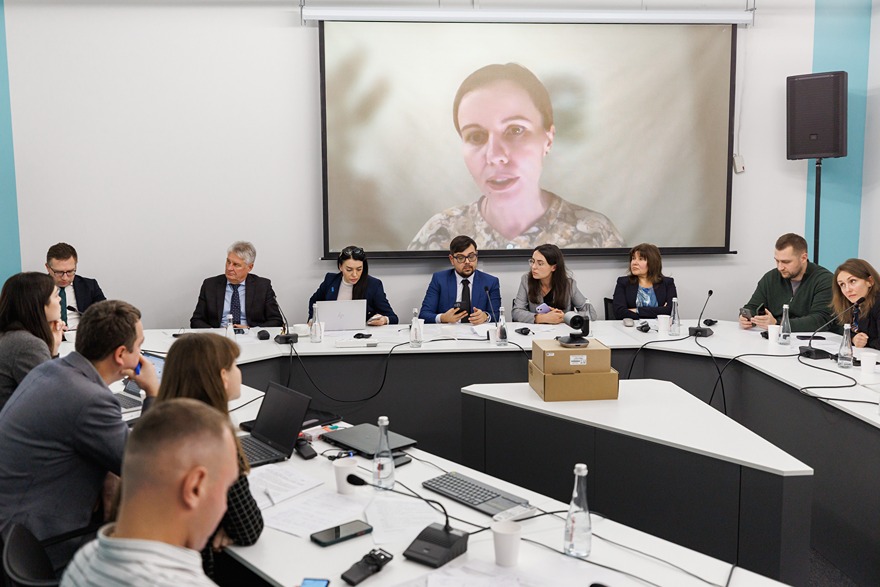
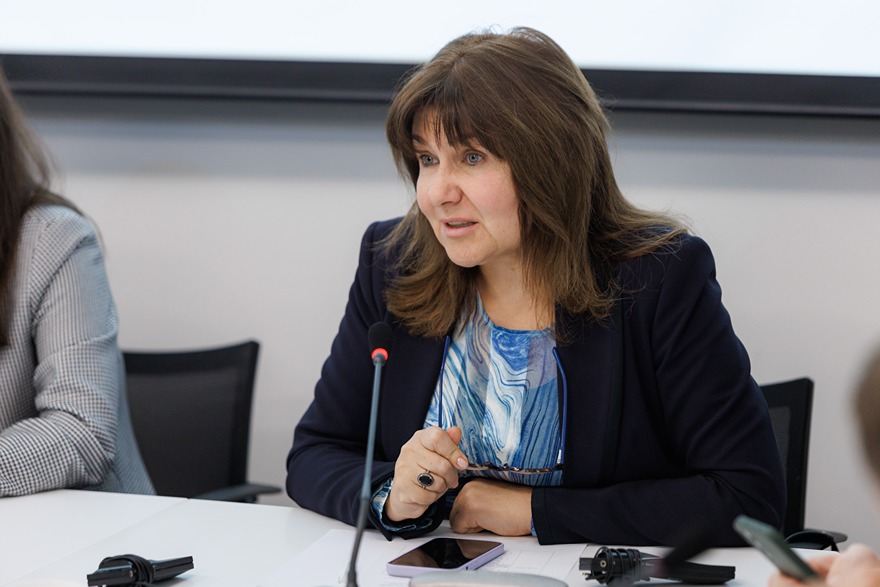
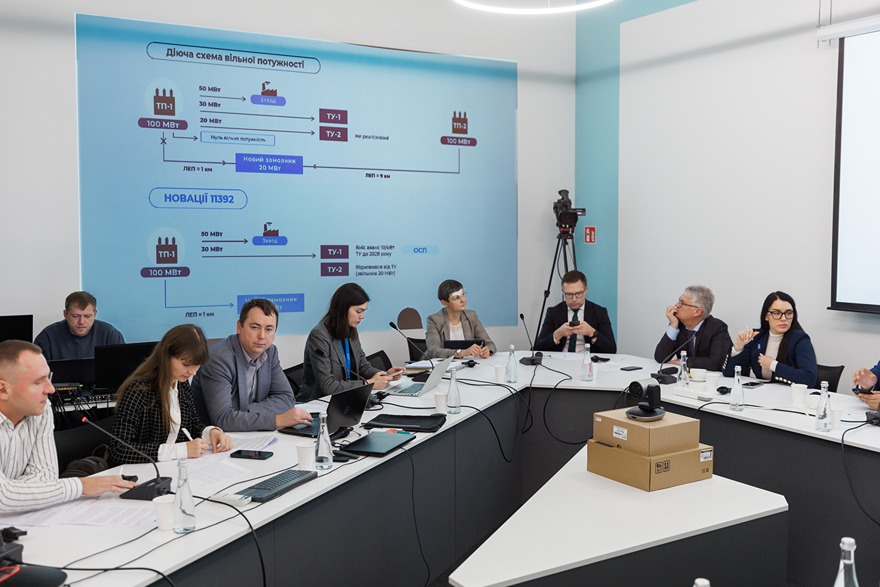
On November 8, 2024, representatives from the UWEA participated in an expert discussion on Draft Law No. 11392, held as part of the event “Opportunities for Green Transformation of Ukraine’s Energy Sector,” organized with the support of UNDP under the Ukraine Green Energy Recovery Program.
Participants of the event, including representatives from the Verkhovna Rada Committee on Energy and Housing and Utilities, the Ministry of Energy of Ukraine, the NEURC, and industry associations, highlighted the importance of the bill and its role in advancing secure distributed generation and strengthening Ukraine’s energy security.
Roman Shakhmatenko, UNDP Portfolio Manager for Energy and Environmental Projects in Ukraine, noted: “This discussion and the work on the draft law are especially critical at this moment, as Ukraine's energy system is grappling with a crisis caused by Russian aggression and urgently requires solutions that will lay the groundwork for strengthening Ukraine's energy security for many years to come.”
Following the presentation of the draft law, participants engaged in a constructive dialogue about the proposed legislative changes and provisions. Specific solutions were discussed that could address existing market barriers and accelerate the rollout of renewable energy. The UWEA representatives expressed full support for changes such as:
Andriy Gerus, Chairman of the Verkhovna Rada Committee on Energy and Housing and Utilities, emphasized: “We have no choice but to build distributed generation. This is not only in the interest of our partners but also of businesses investing in Ukrainian energy projects. Therefore, it is important for us to create a regulatory environment that makes it easier to operate, plan, and attract investment.”
Andriy Konechenkov, Chairman of the UWEA Board, expressed strong support for the provisions of the bill, recognizing it as a key initiative toward creating a truly distributed energy network in Ukraine: “Draft Law No. 11392 is a vital initiative for the development of renewable energy, and we support its provisions, such as simplifying the connection process, which is particularly relevant for wind energy development in Ukraine. We also welcome provisions introducing a capacity reservation mechanism and enabling hybrid connections using existing infrastructure, as well as allowing the licensing of generating capacity exceeding the technical conditions at the connection point. These provisions will certainly contribute to stability and predictability for investors in the market.”
At the same time, Mr. Konechenkov pointed out some provisions of the bill that still raise concerns among market players. Specifically, the requirement to pay an advance for connection, set at 10 euros per kW when receiving technical conditions, poses a risk for projects that already have approved documentation and are ready for construction. This could create an additional financial burden for developers. Therefore, the UWEA proposed revising this mechanism, suggesting the advance payment be made one year after receiving the technical conditions and that payments for capacity reservation be directed to an escrow account. Such adjustments would help maintain a balance between state interests and the needs of investors, providing appropriate guarantees for both clients and network operators.
Overall, the discussion on Draft Law No. 11392 demonstrated the effectiveness of collaboration and dialogue between the state and the market. However, it also highlighted the challenges that still need to be addressed to accelerate the development of renewable energy in Ukraine. These discussions are essential for finding balanced solutions that will foster the stable development of the sector and ensure Ukraine's long-term energy security.


 Home
Home