
 Authorization

Ukraine's transition to the New Electricity Market requires the implementation of new market management approaches, including electricity trading through auctions. Brazil with share of RES in national electricity generation reaching 83 %, could be a good example to follow
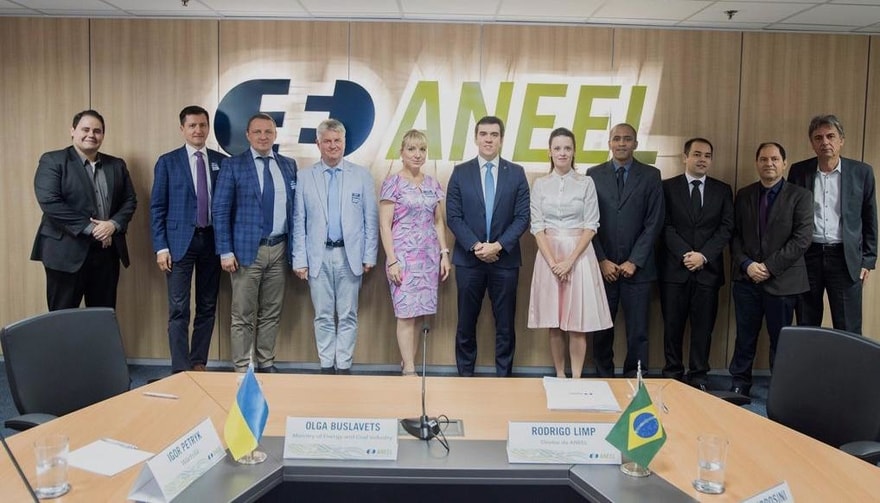
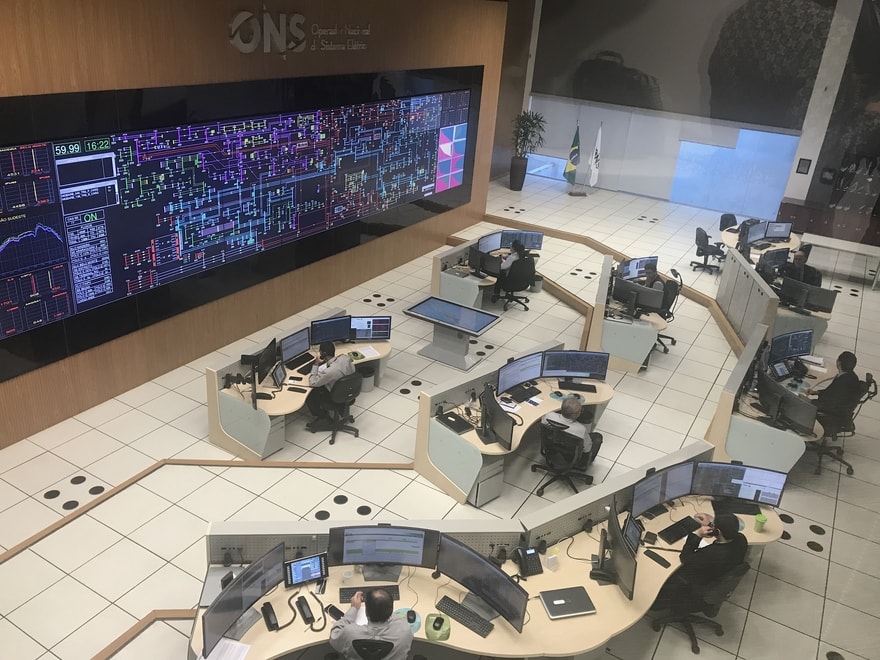
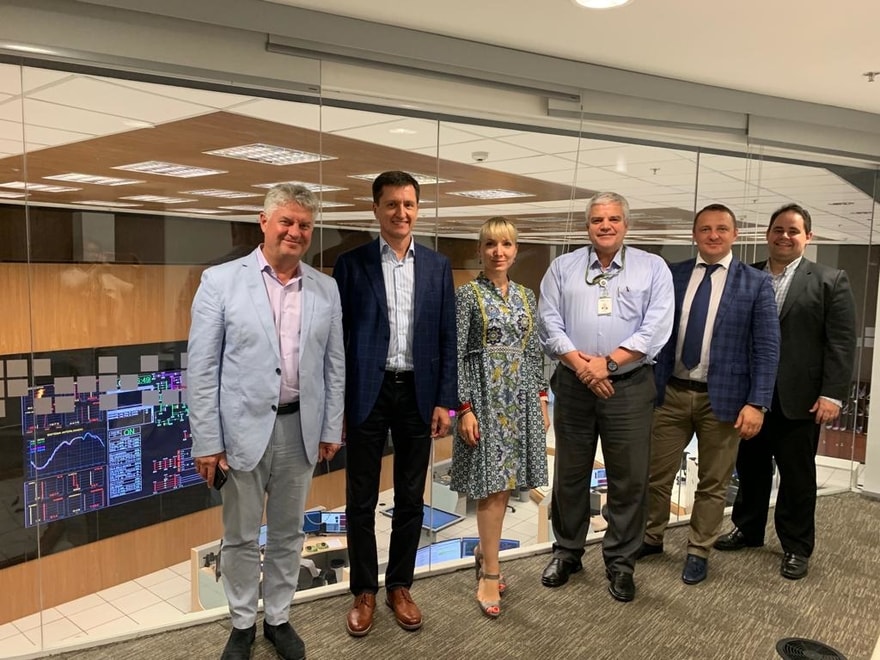
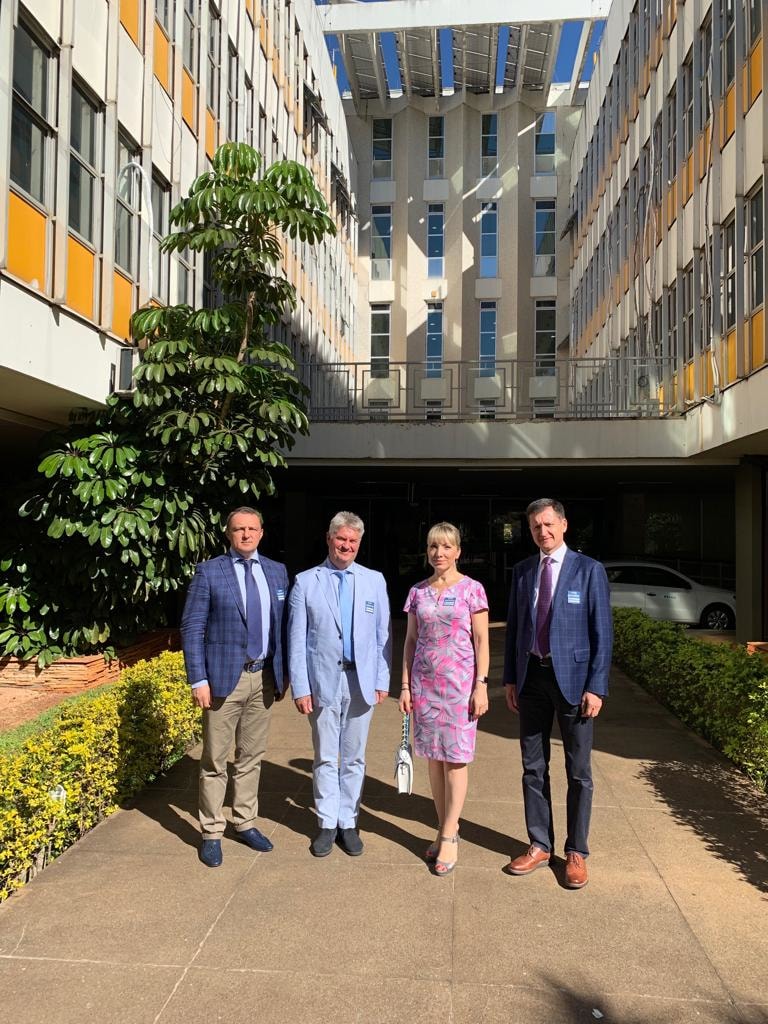
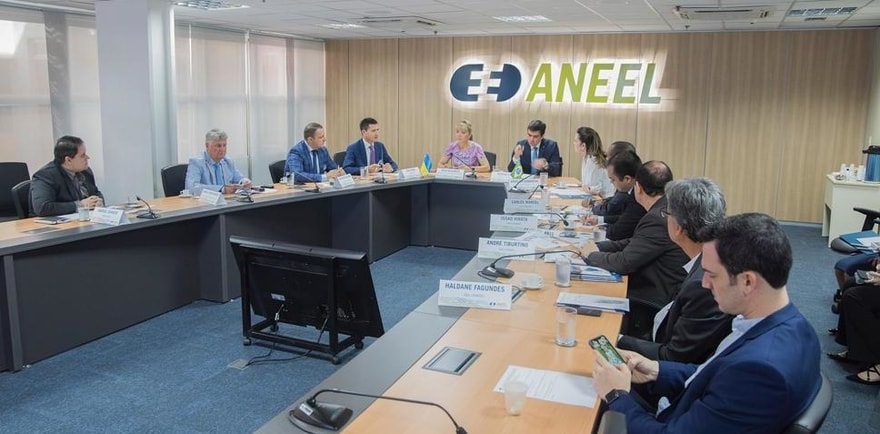
From 25 to 29 June 2019, at the invitation of the Finnish corporation Wärtsilä, the world leader in technical solutions for energy systems integration, the Ukrainian delegation headed by Olga Buslavets, General Director of Energy Markets Directorate of the Ministry of Energy and Coal Industry of Ukraine, visited Brazil to exchange experiences in renewable energy development field. T Ukrainian the delegation included Andriy Konechenkov, Chairman of the UWEA Board. The Ukrainians had meetings with top management of National Electric System Operator of Brazil (ONS), Brazilian Electricity Regulatory Agency (ANEEL), State Analytical Company for Energy Market Research (EPE) and Energy Consulting Company PSR.
In early autumn 2015, the Government of Brazil adopted an ambitious 10-year energy development plan until 2024 - Plano Decenal de Expansão de Energia (PDE) developed by the state analytical company for energy market research EPE. According to the document, power generation is expected to grow by 55%, from 132.9 GW in 2014 to 206.4 GW in 2024 with RE capacities rise from 111.3 GW in 2014 to 173.4 GW in 2024, out of which: hydro- from 89.8 GW to 117 GW, wind - from 5 GW to 23.9 GW, solar, bio and other RES - from 16.2 GW to 32.6 GW.
According to data provided by the Brazilian Electricity Regulatory Agency (Agência Nacional de Energia Elétrica, ANEEL), as of the beginning of 2019, the country's total installed grid connected wind capacities reached 15 GW, which have enabled the country to rank among the Top 5 Wind Energy Leaders in the world.
The current total installed electricity capacity of Brazil amounts to 165,5 GW, out of which hydropower covers 61%, wind power – 8,7%, solar power – 1,2% and 1,1% - nuclear power.
Successful development of renewable energy depends on a range of preconditions and solutions. First, the RE development is a priority for the Brazilian Government. The government (the Brazilian Development Bank major stakeholder) has made a strategic decision to support the development of the wind energy sector with a greater emphasis on the development of the local wind equipment manufacture based on licensed technologies. Thus, according to the ANEEL's data, 50.43 bln Brazilian reals (11.54 bln euros) were invested in the national wind energy sector from 2005 to 2018. The total installed capacity of the wind energy sector has come to 15 GW plus 2 GW are currently under construction.
The average cost of installed 1 MW wind capacity is around 660 thnd euros, while in Ukraine the cost of this 1MW ranges from 1.4 mln to 1.6 mln euros. The tariff for electricity generated from wind is quite low - 122 Brazilian reals per 1 MWh, which is equivalent to 2.8 euro cents per kWh.
At the same time, the cost of turbines in Brazil is 2.5 times lower comparing to Ukraine, and capacity factor of the on-shore wind farms located in the north-east of the country reaches 60-65%, while in Ukraine and other European countries it does not exceed 40-45% in average. In Brazil electricity generated from wind is 3-4 times cheaper for the end-users than electricity generated from fossil fuels!
The second reason for the rapid growth of Brazilian wind power market is the availability of huge wind (especially in the northeast of the country) and hydropower resources, as well as the availability of balancing capacity through the large-scale use of hydropower. It should be noted that to regulate the supply of electricity to the grid Brazil does not construct hydropower pumped storage plants, but uses existing reservoir and RoR hydropower plants.
At the same time wind power sector of Brazil is now facing some challenges. According to ONS’s forecasts, the development rate of this sector is likely to be reduced from 23.9 GW as stipulated in the country's Energy Development Plan to 17-18 GW. It could be attributed first to legging of the transmission lines system expansion behind the wind power plants construction due to difficult and complicated procedure for obtaining environmental licence and some other legislative restrictions existing in Brazil.
Another problem is the lack of balancing capacities in the main load nodes, even given the huge hydropower resources. This is due to the limited balancing capability of hydropower plants in adverse seasons, , as well as due to the network constraints that do not allow transmitting sufficient energy between the wind-rich and the hydro-reach regions. The government solves this problem by procuring flexible thermal capacities through auctions. Up to 2 GW of fast-starting gas-fired power plants shall be added to the grid by 2023 thus creating a new type of system reserve.
It is worth noting that any positive experience gained by another country in the development of renewable energy sector should be assessed in terms of their national characteristics. If notwithstanding the existing low RES tariff's rates an investor is interested in financing RE projects; it means that the market offers him favourable, stable and understandable conditions. Brazil is a good example for countries that intend to develop their renewable energy sectors.



 Home
Home