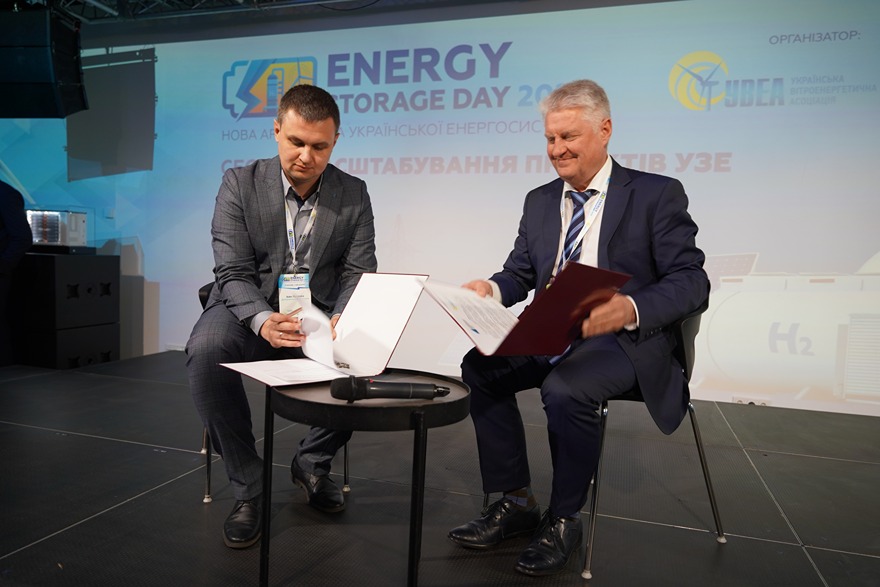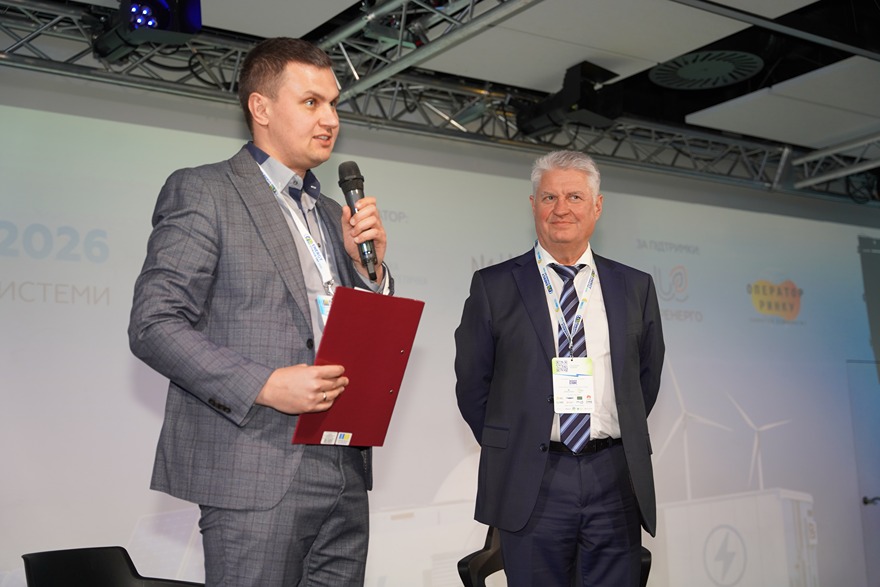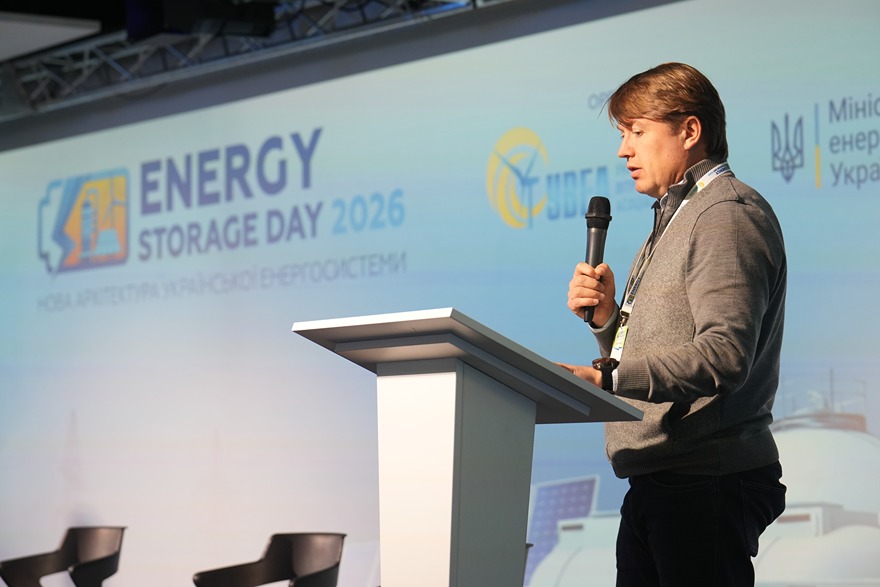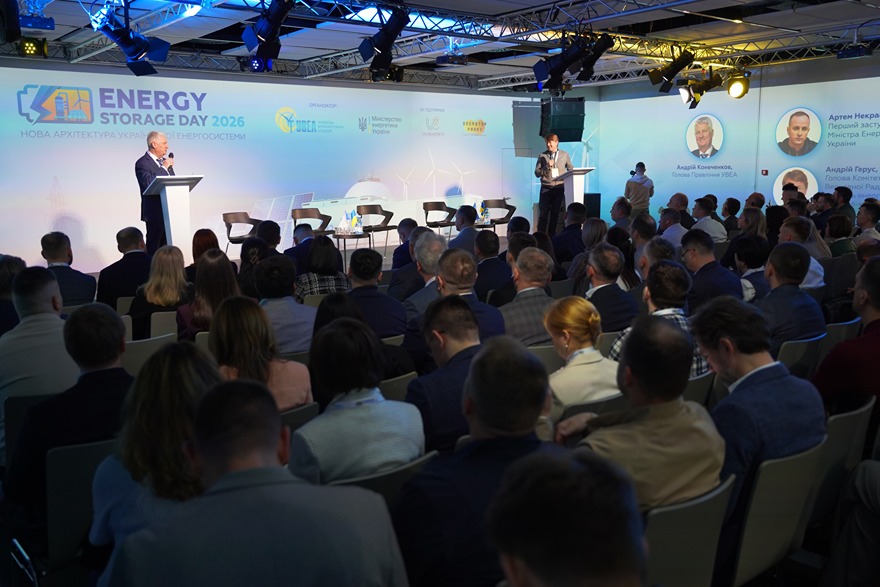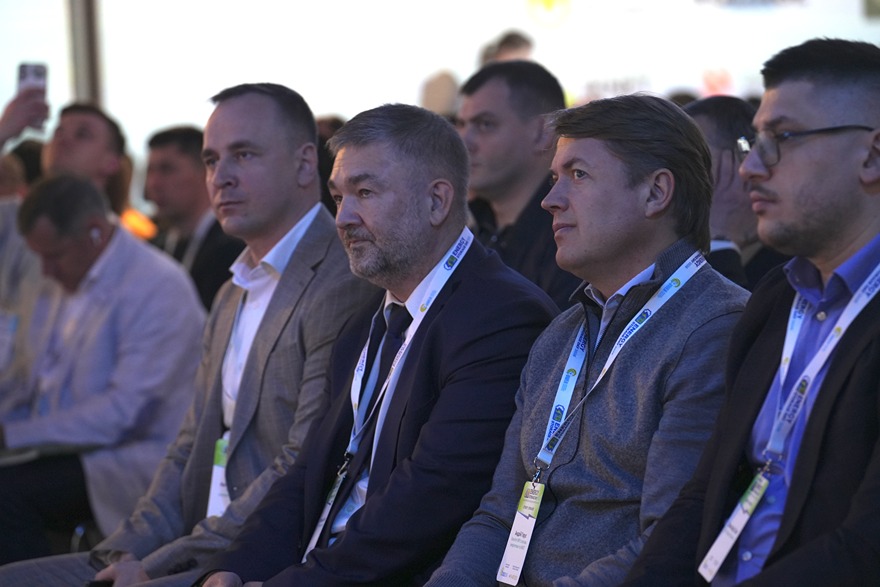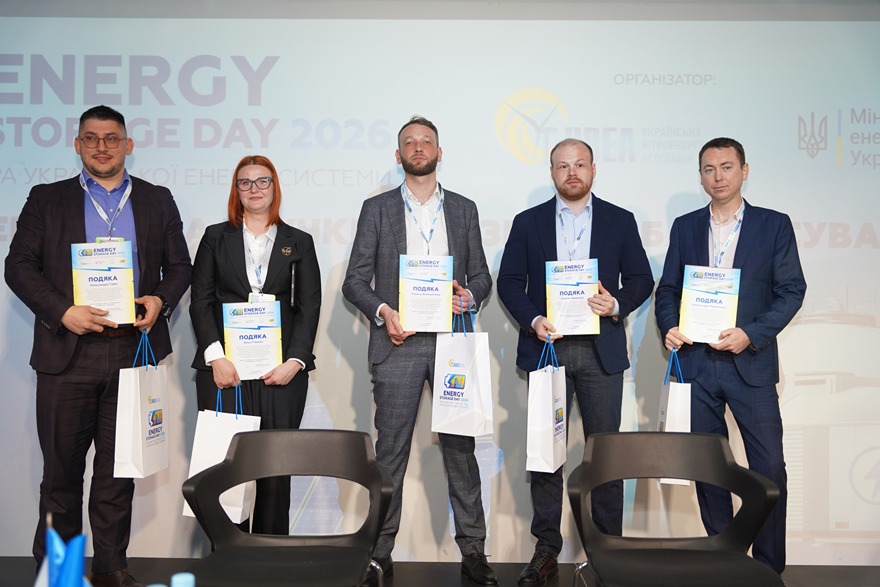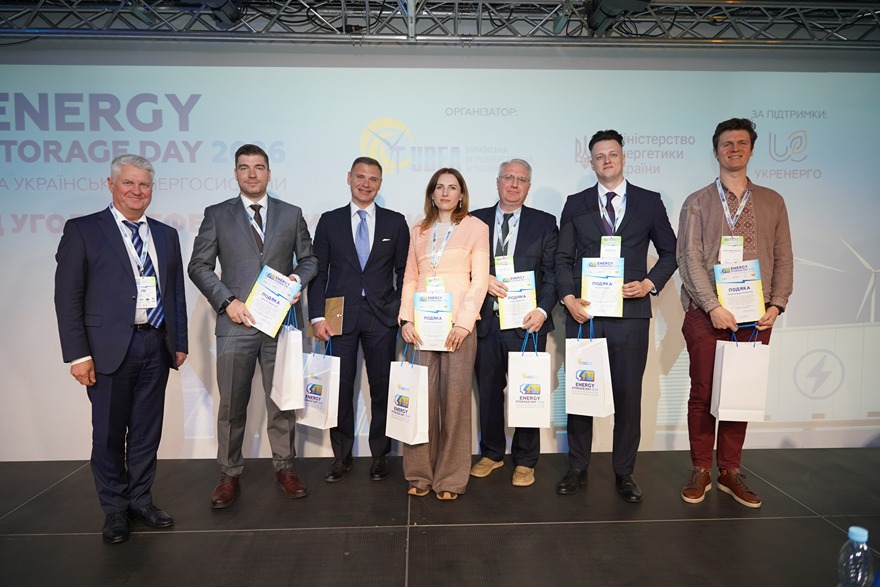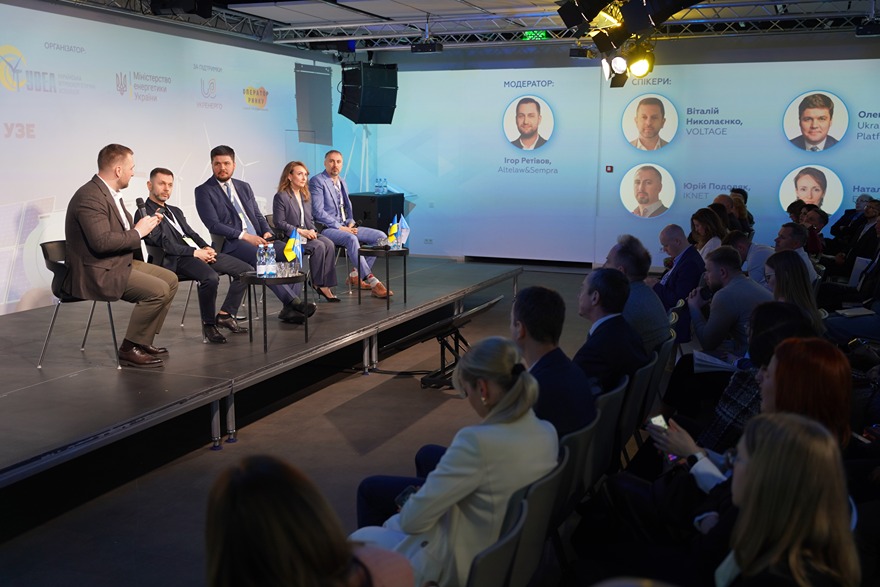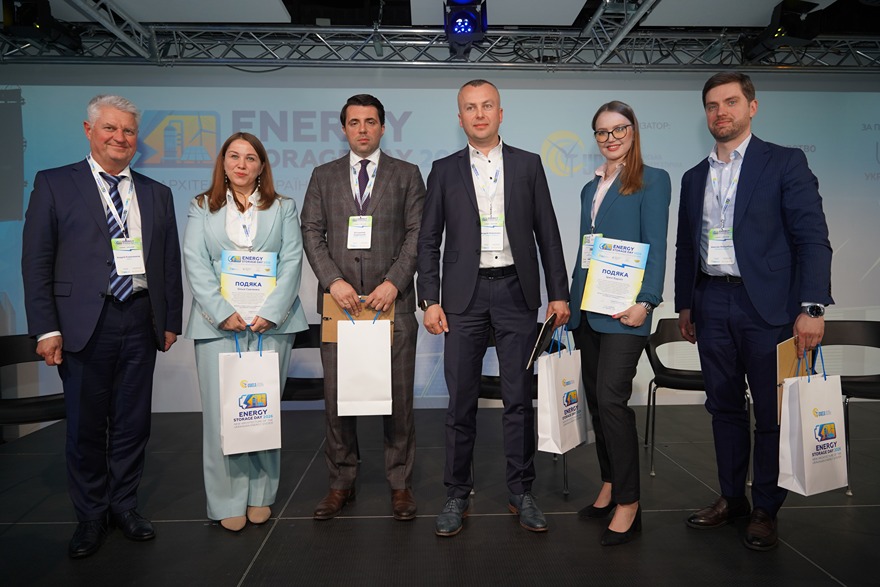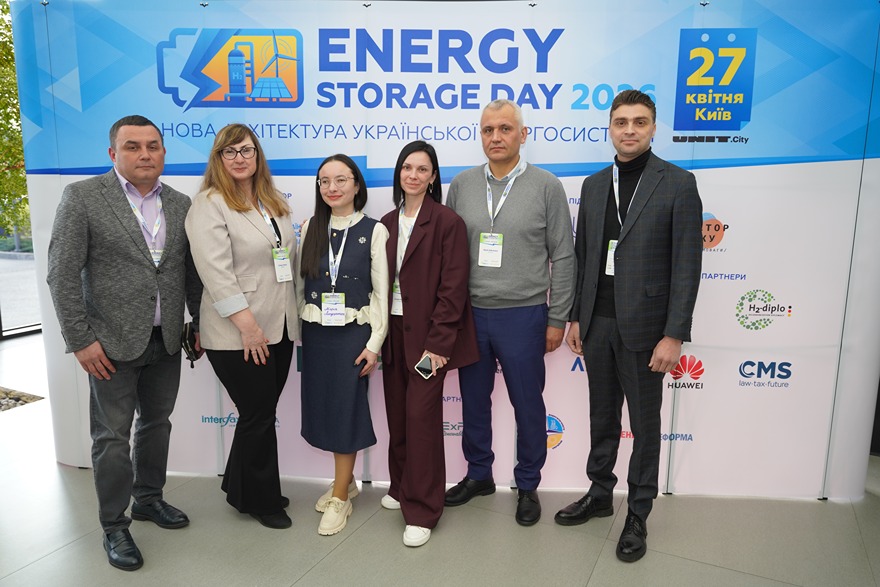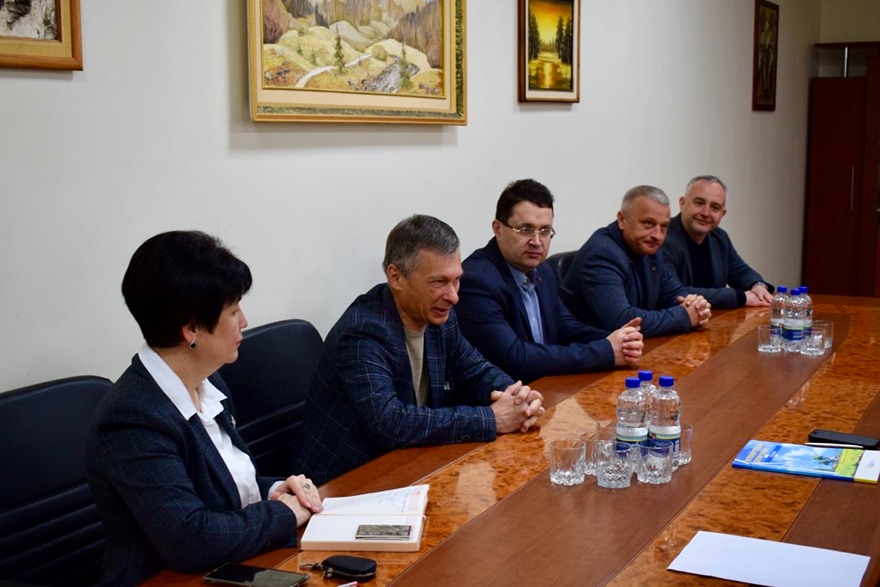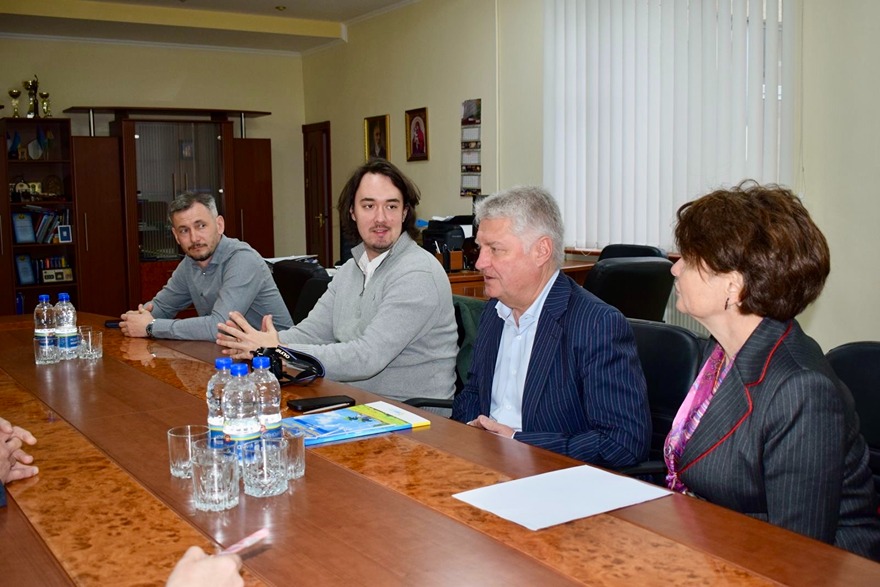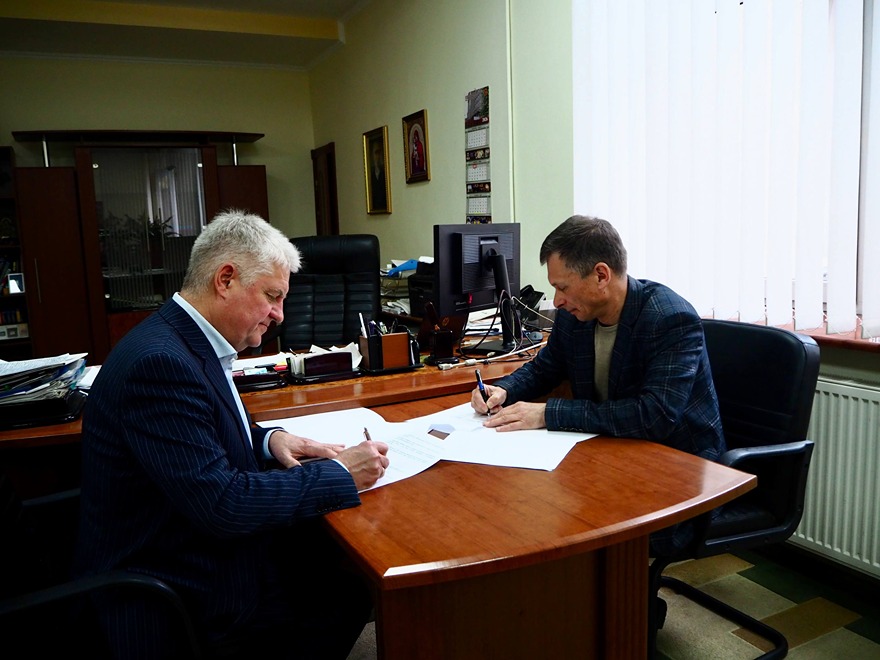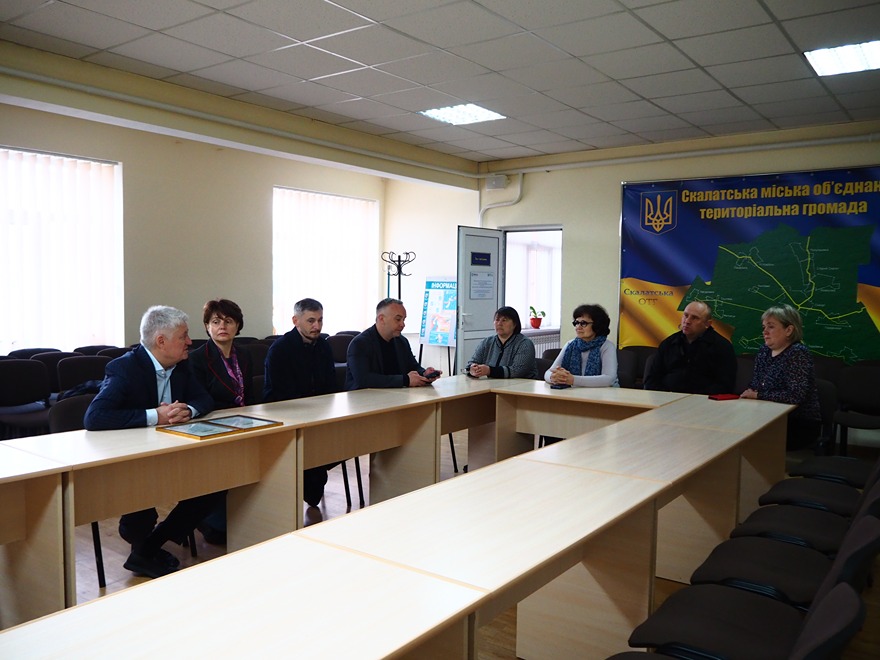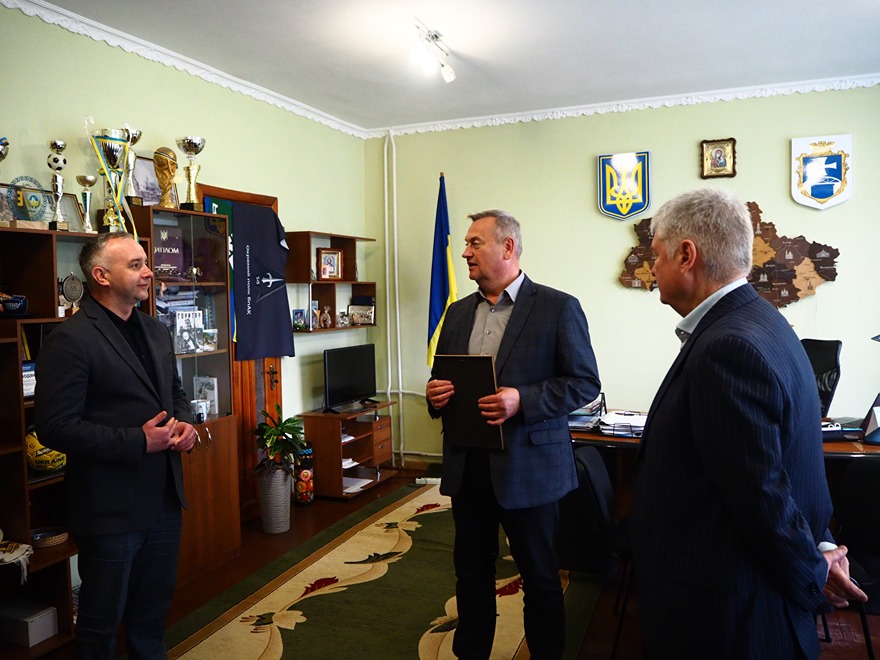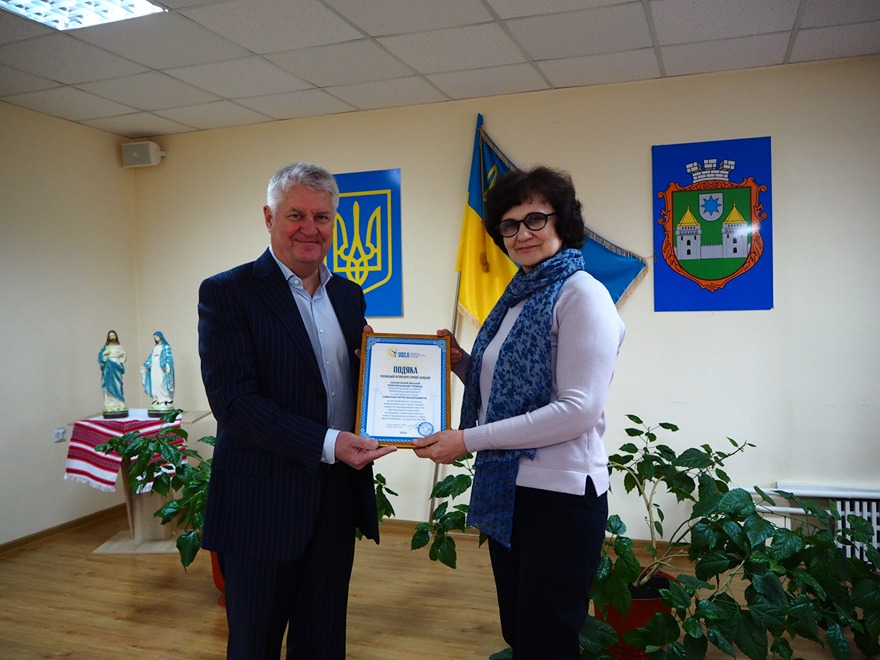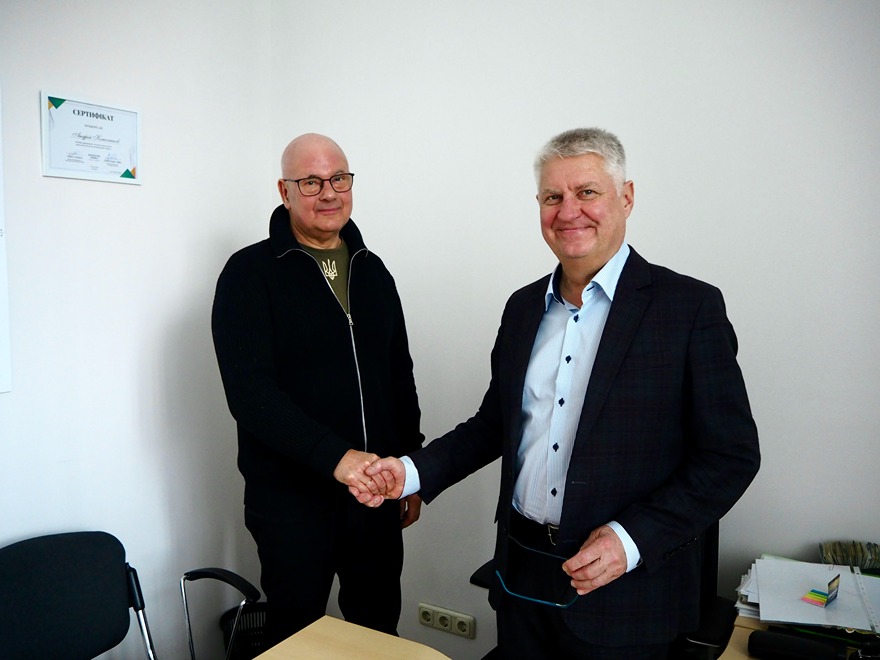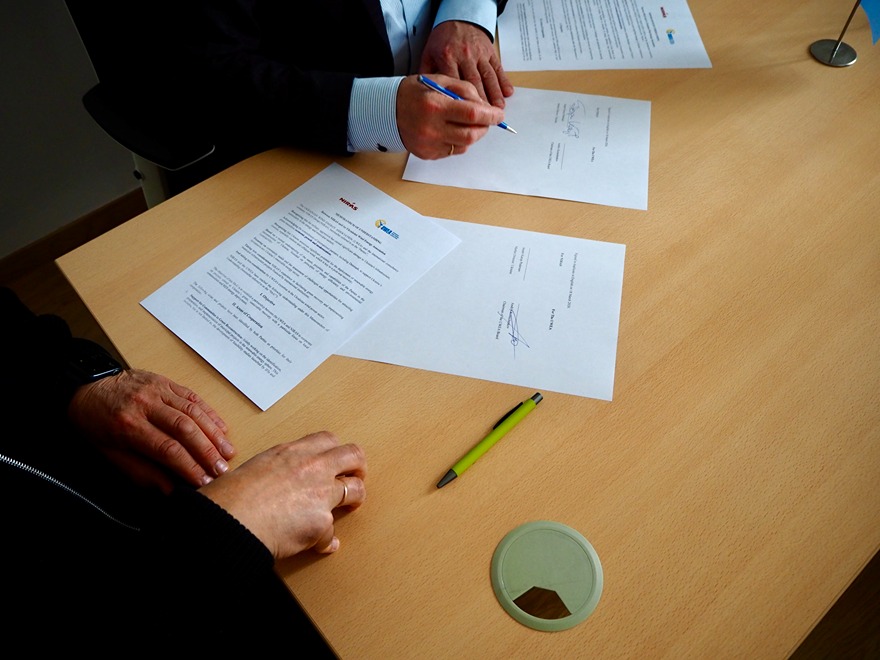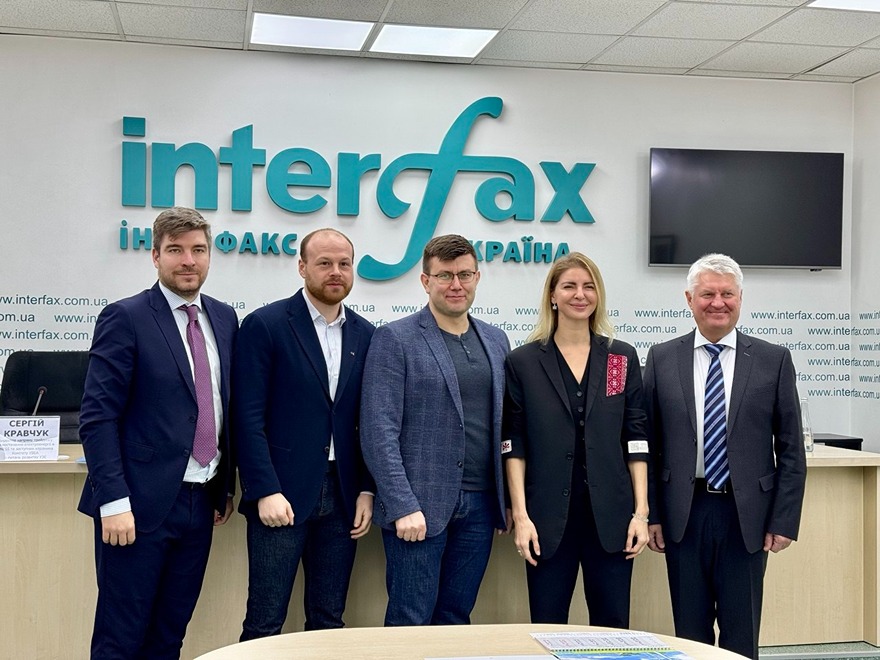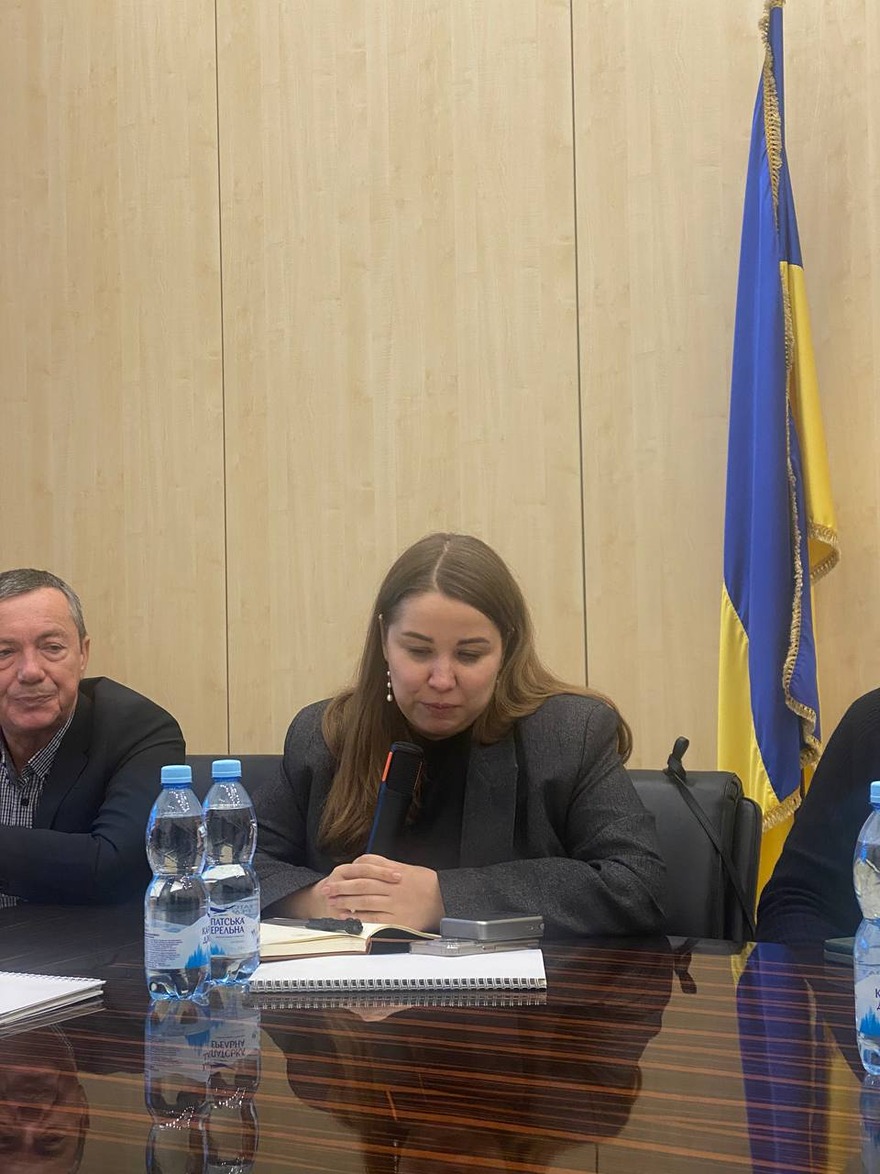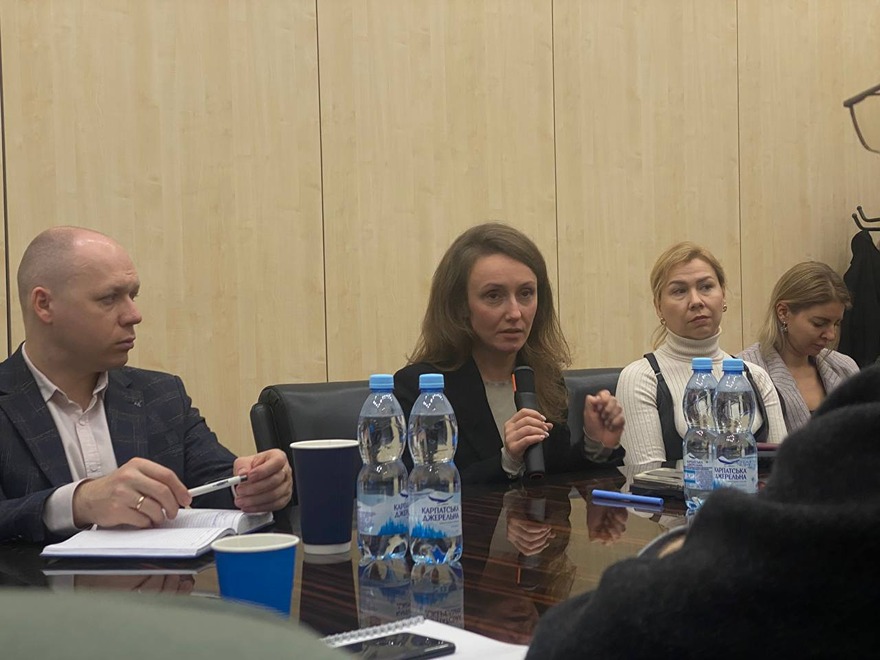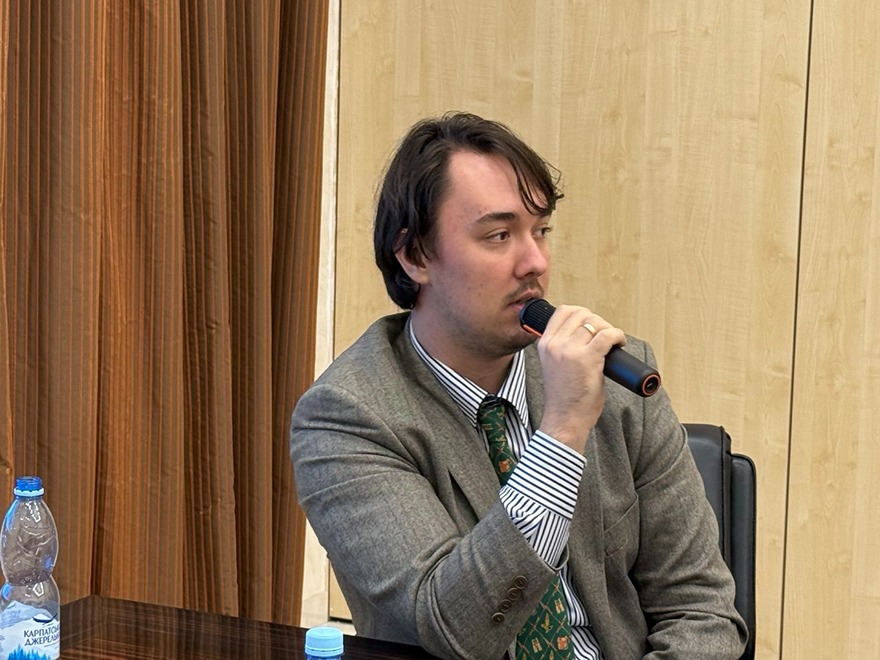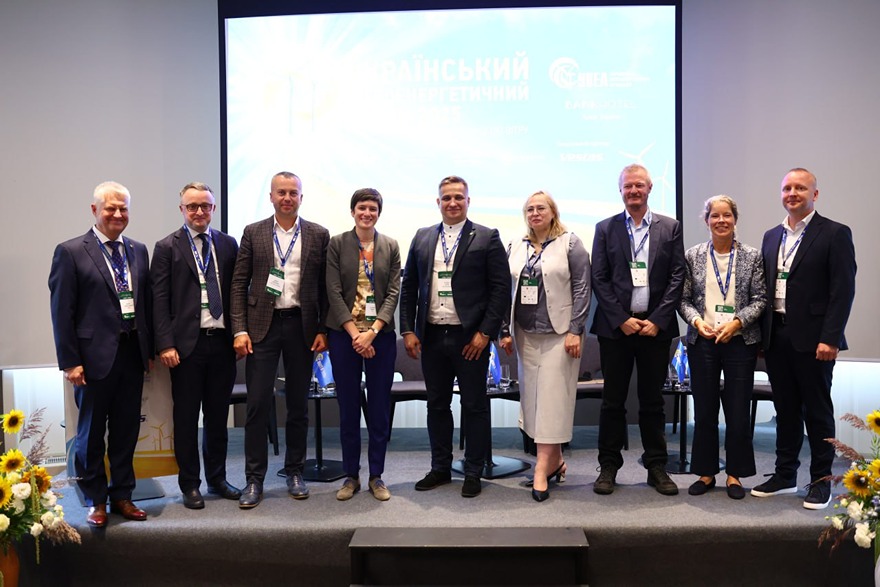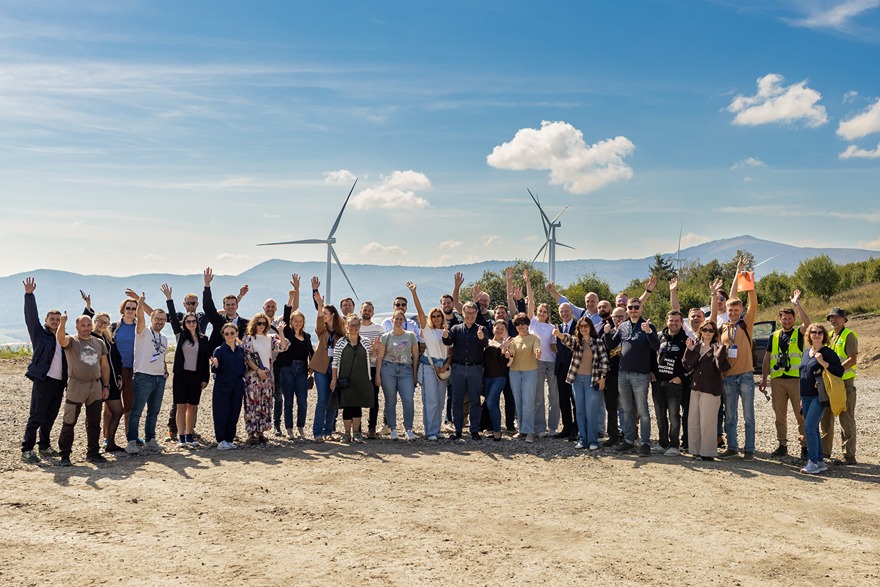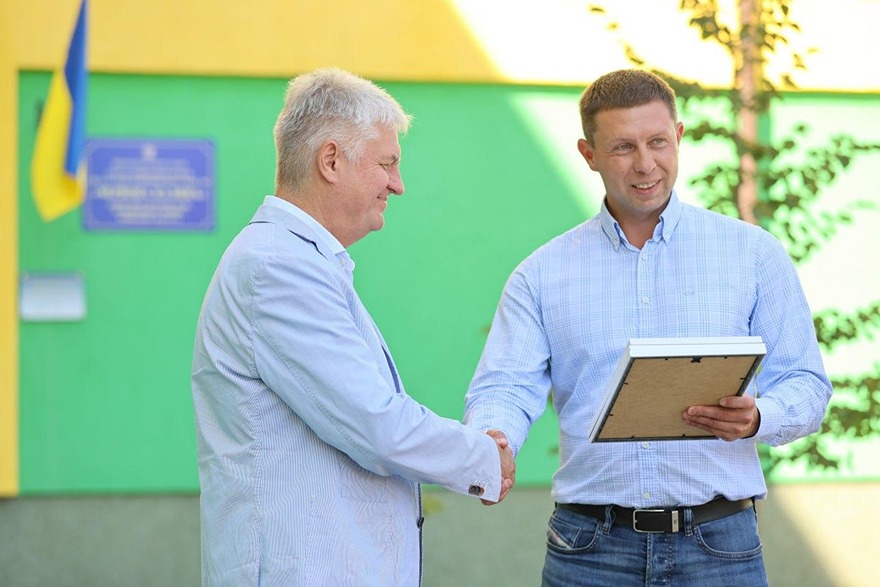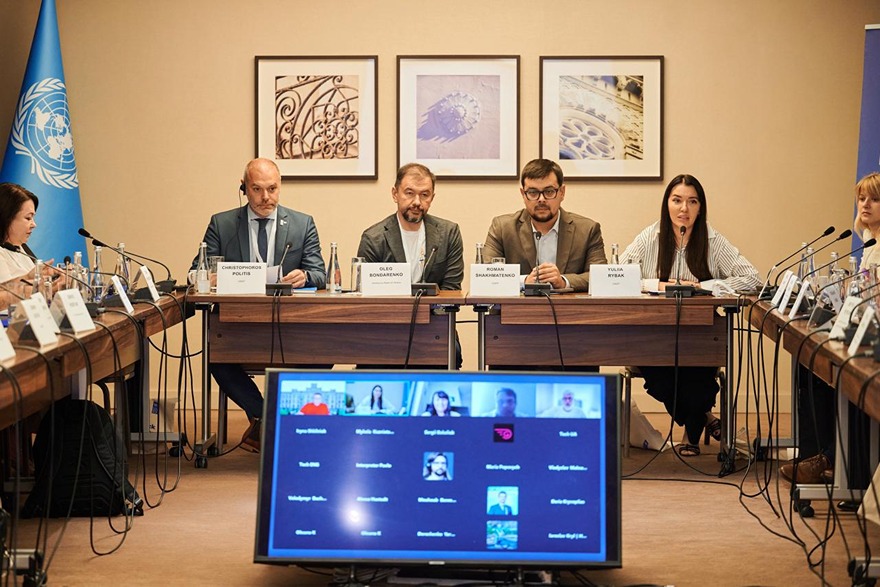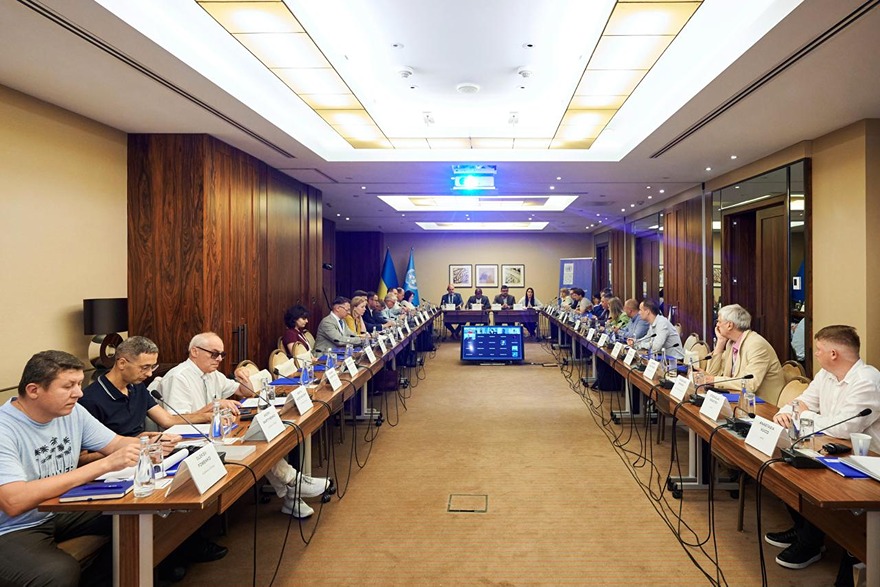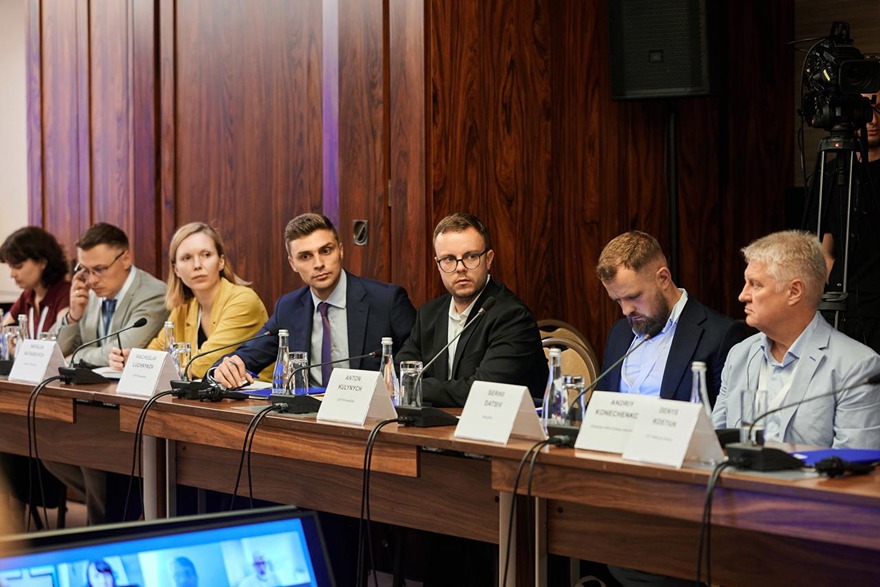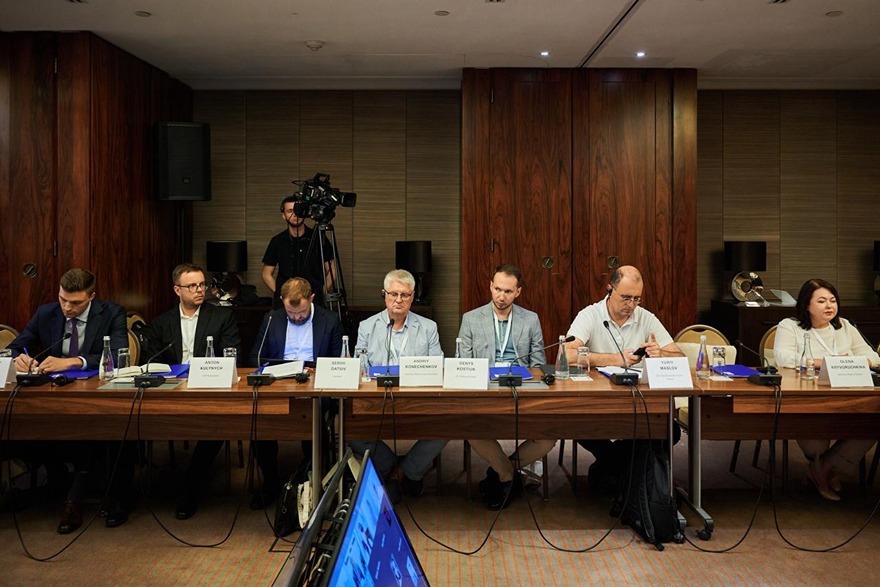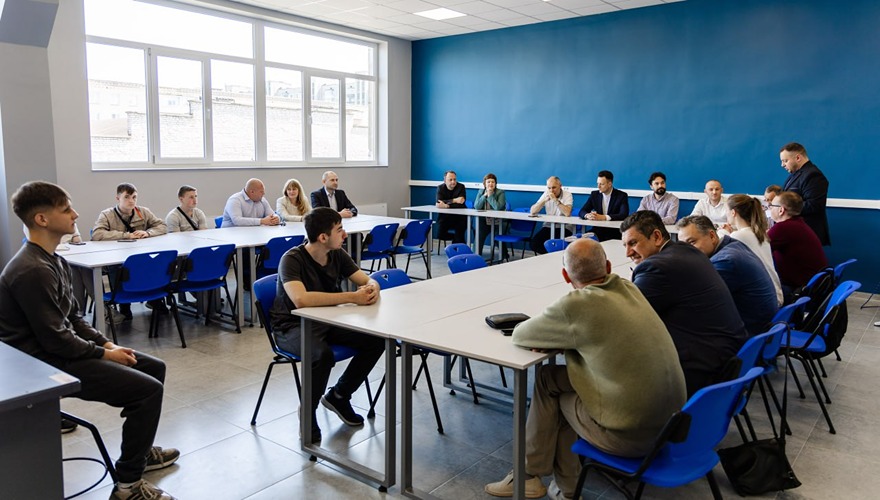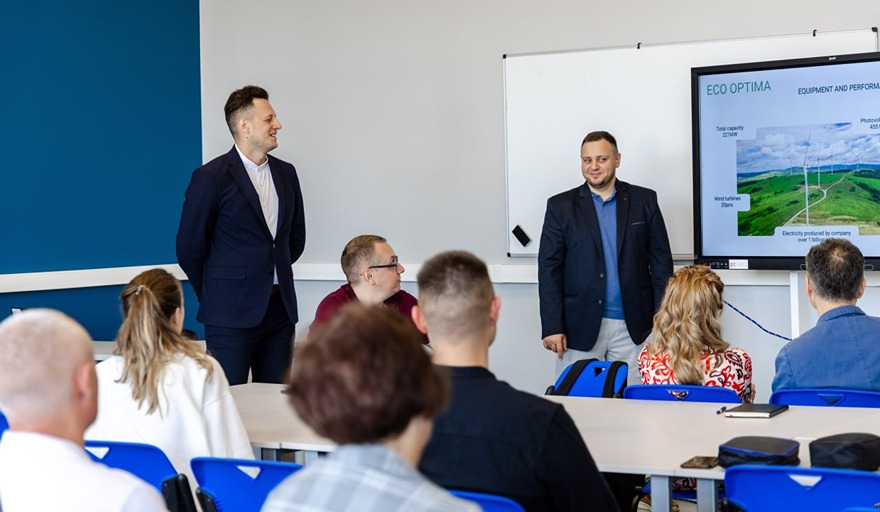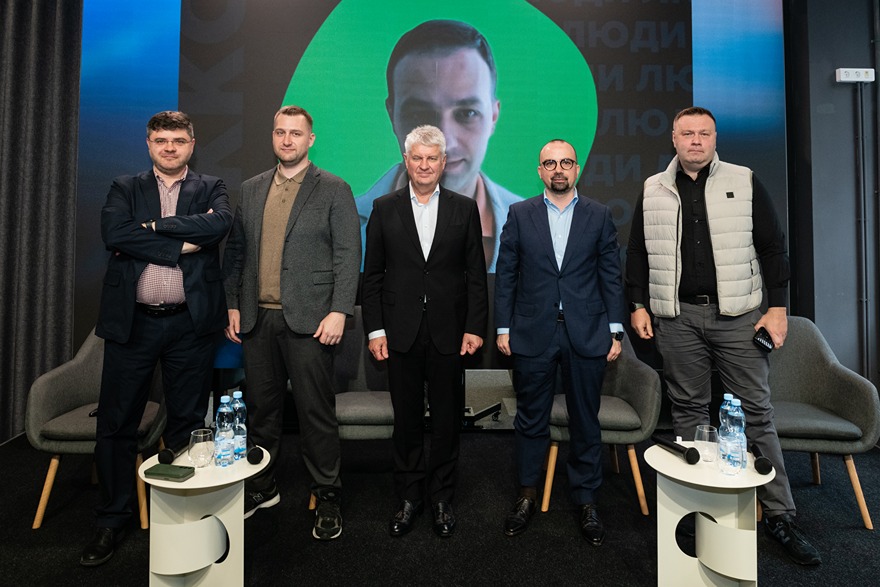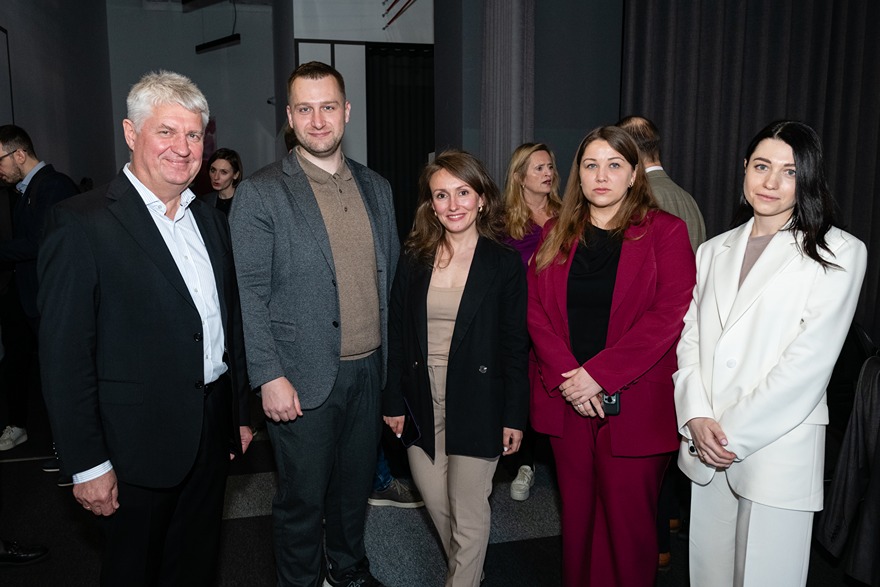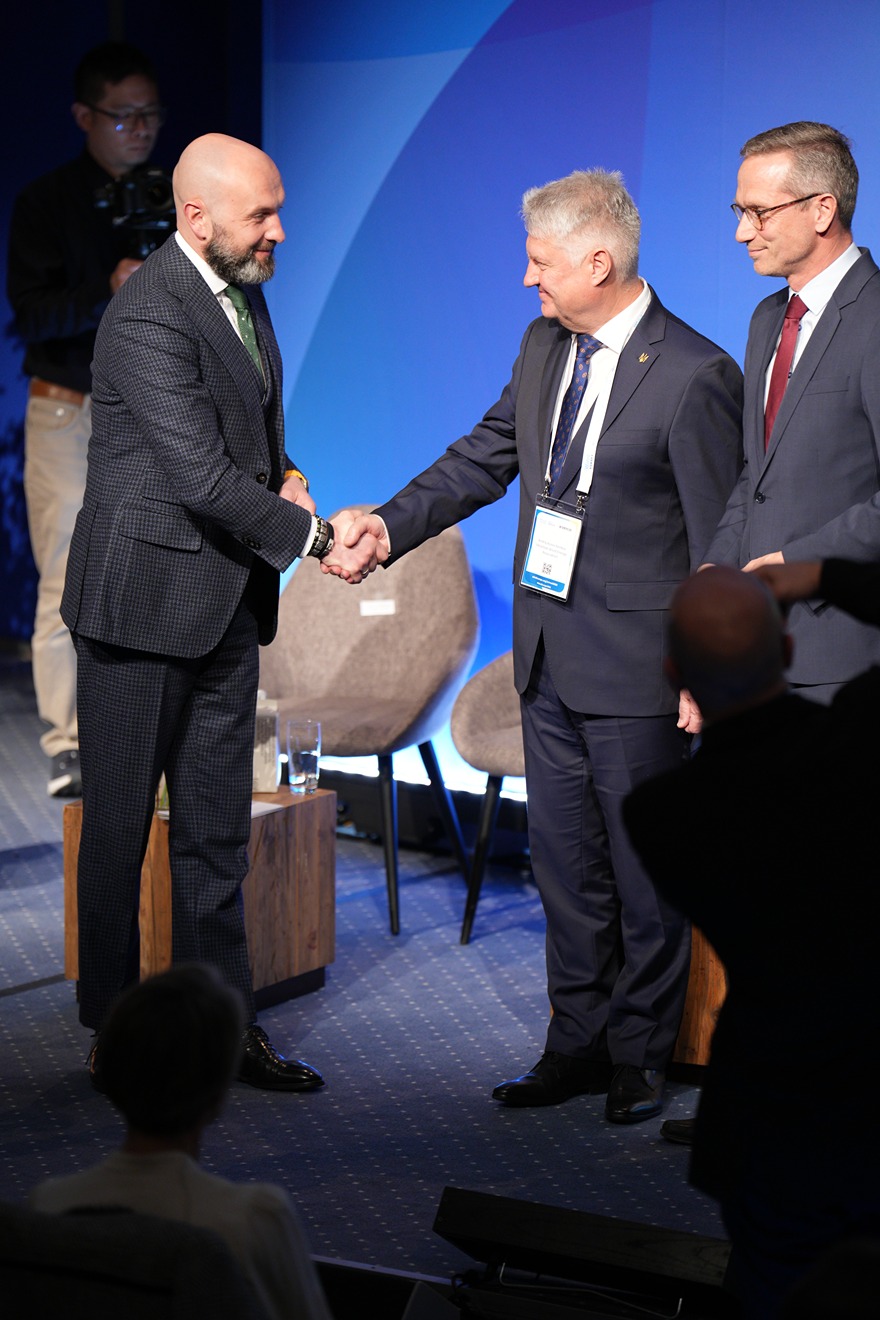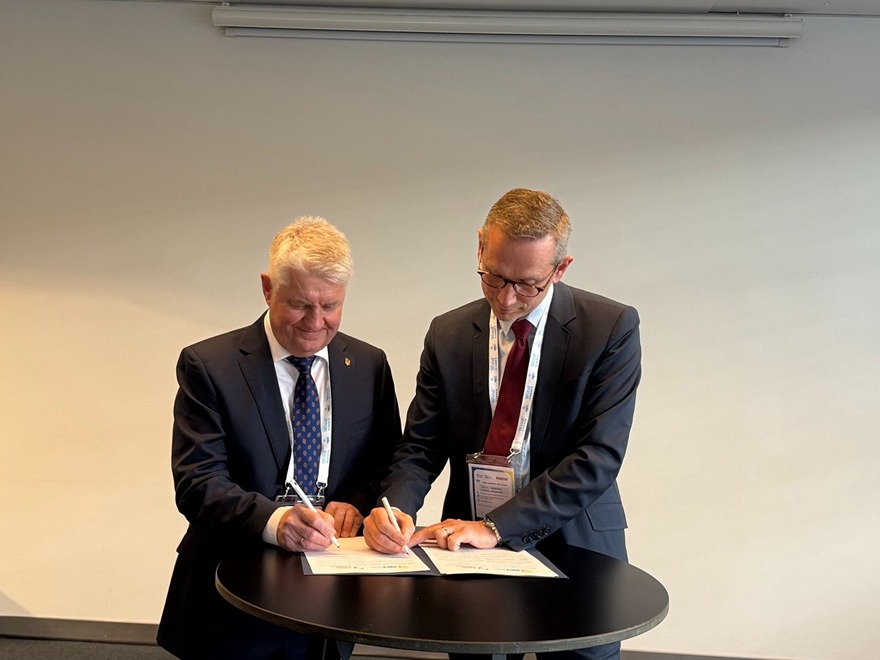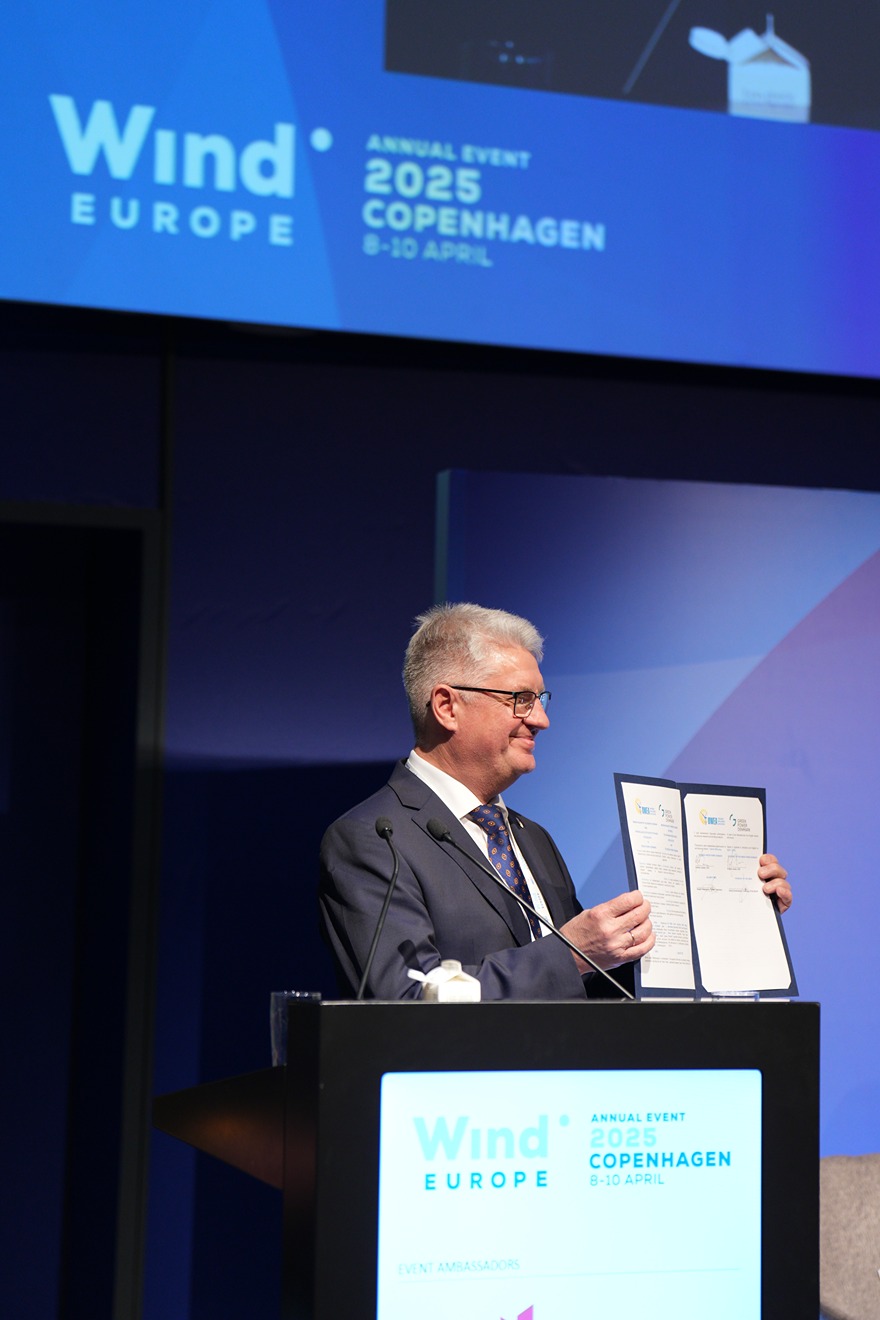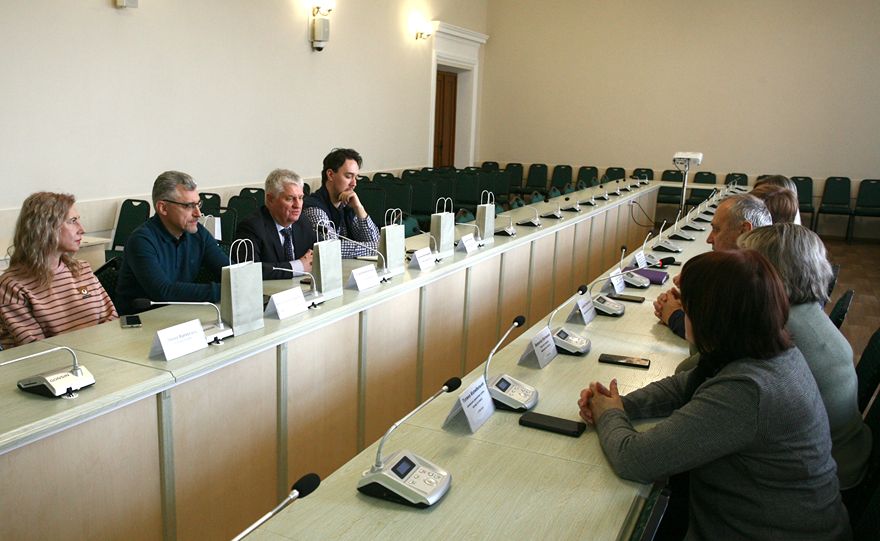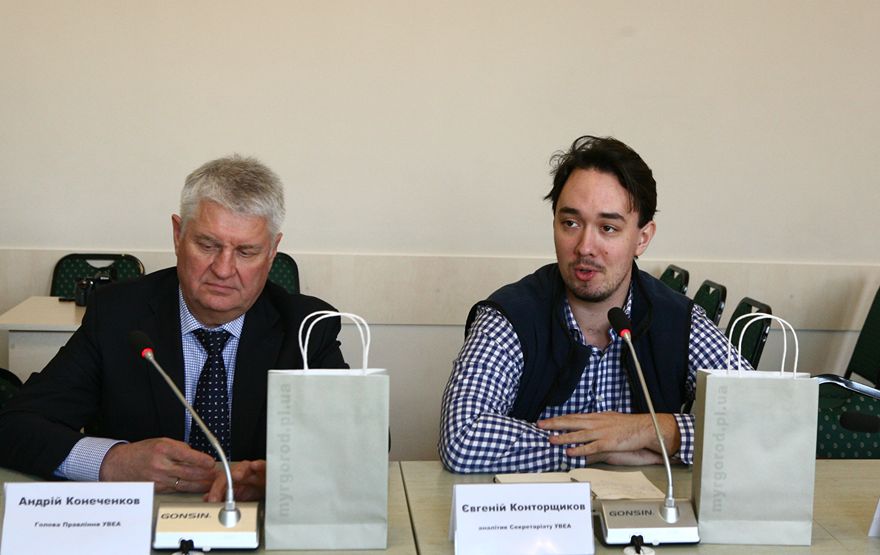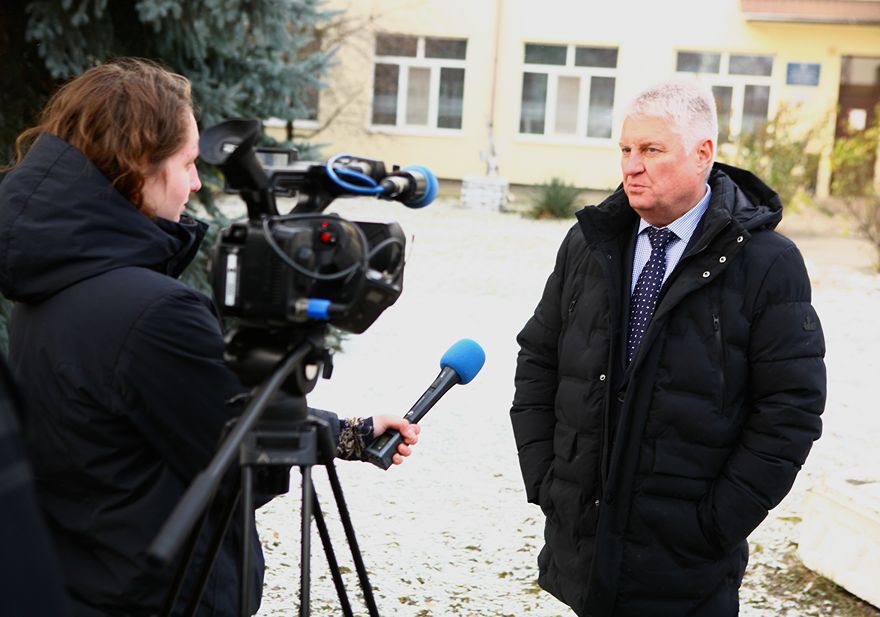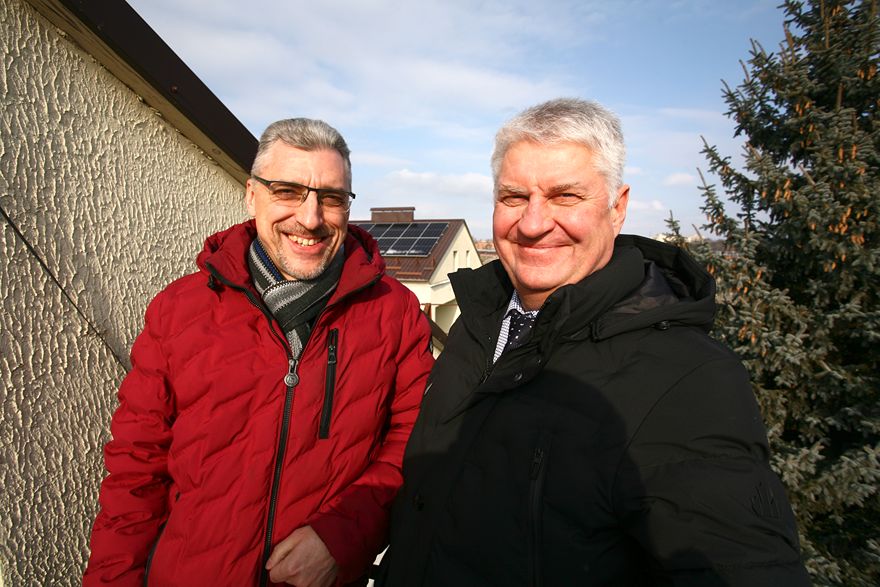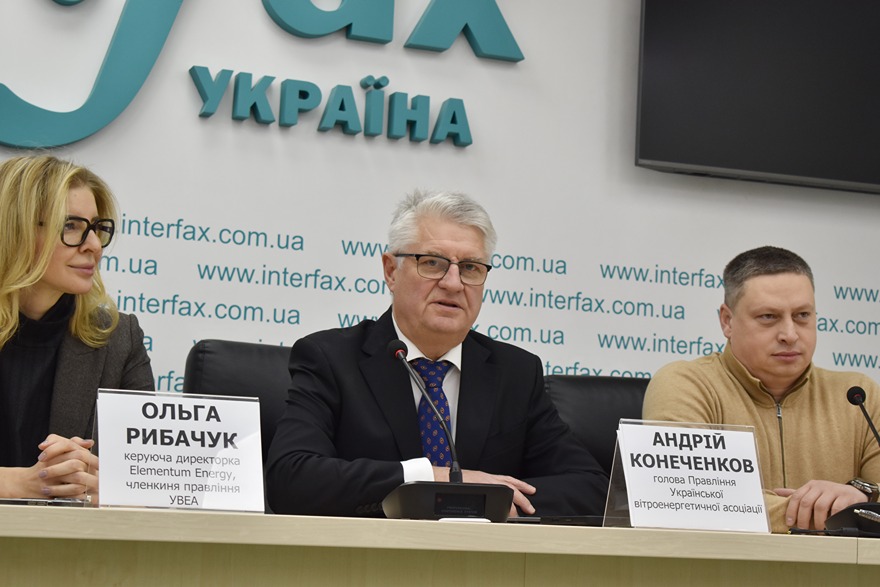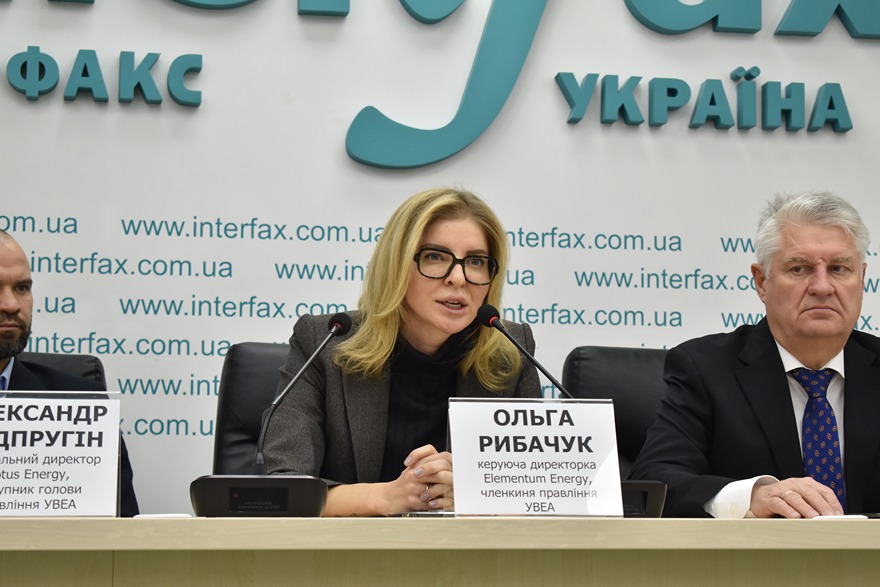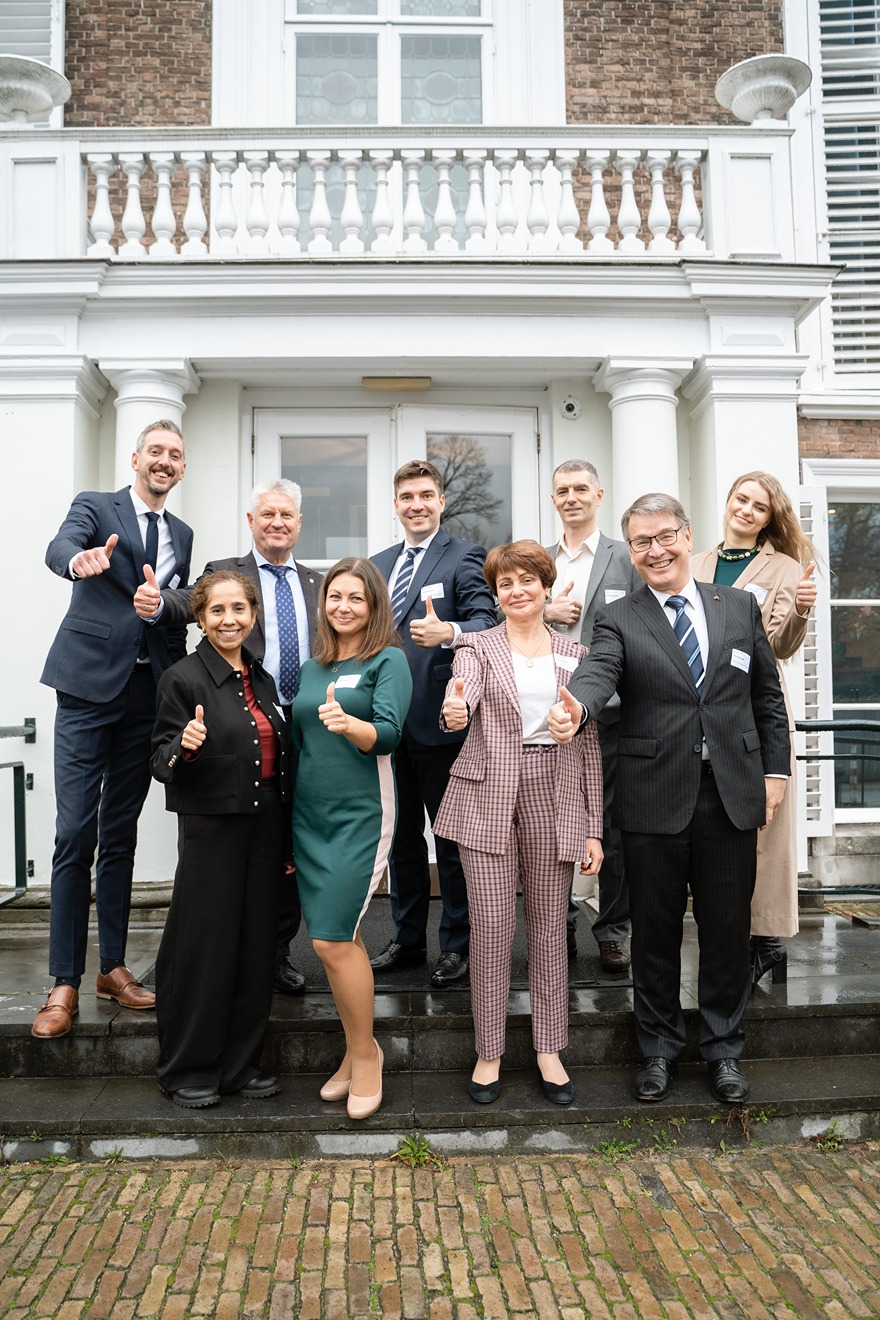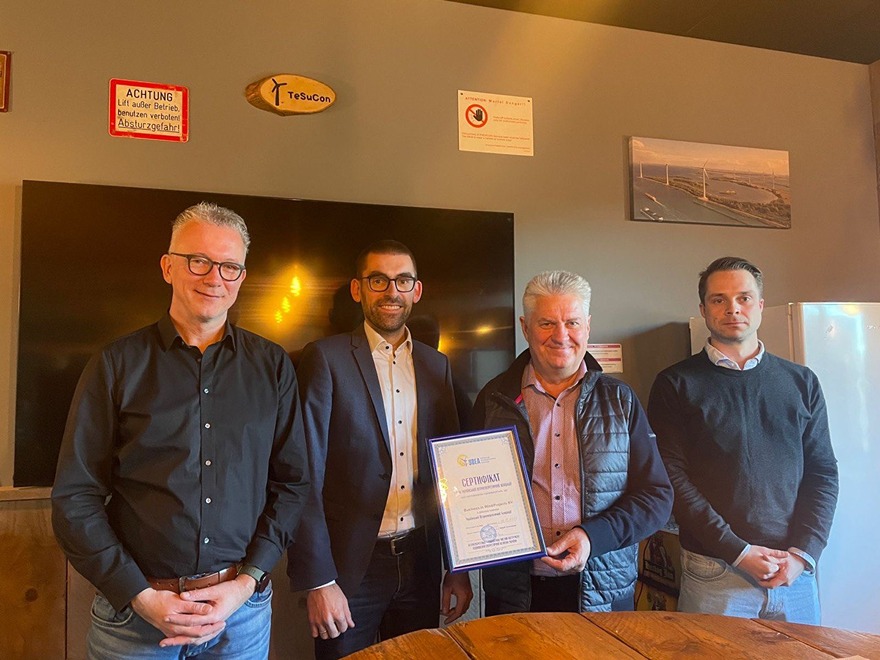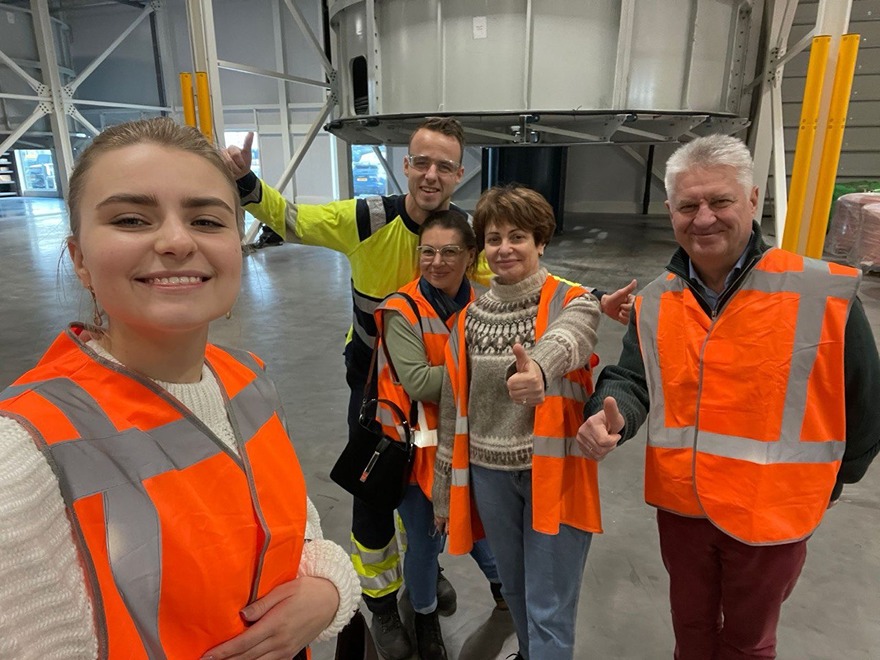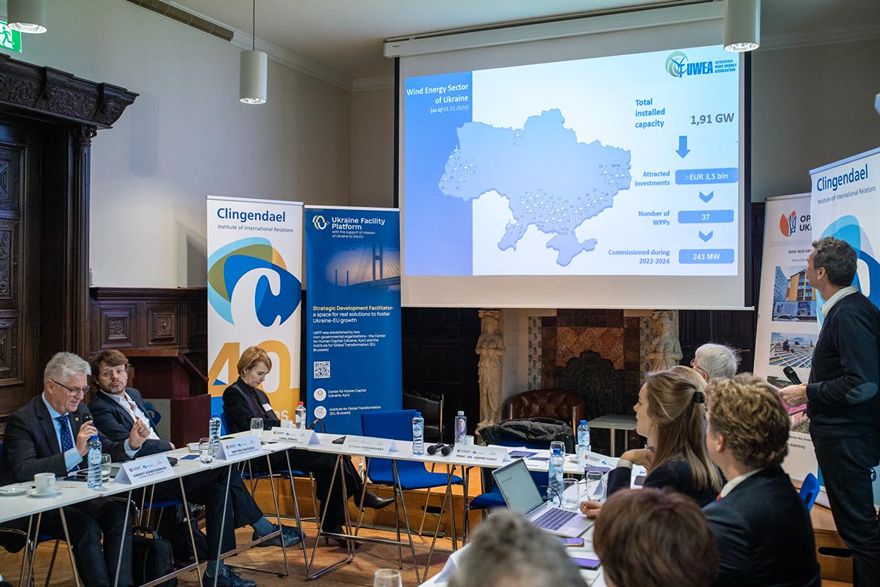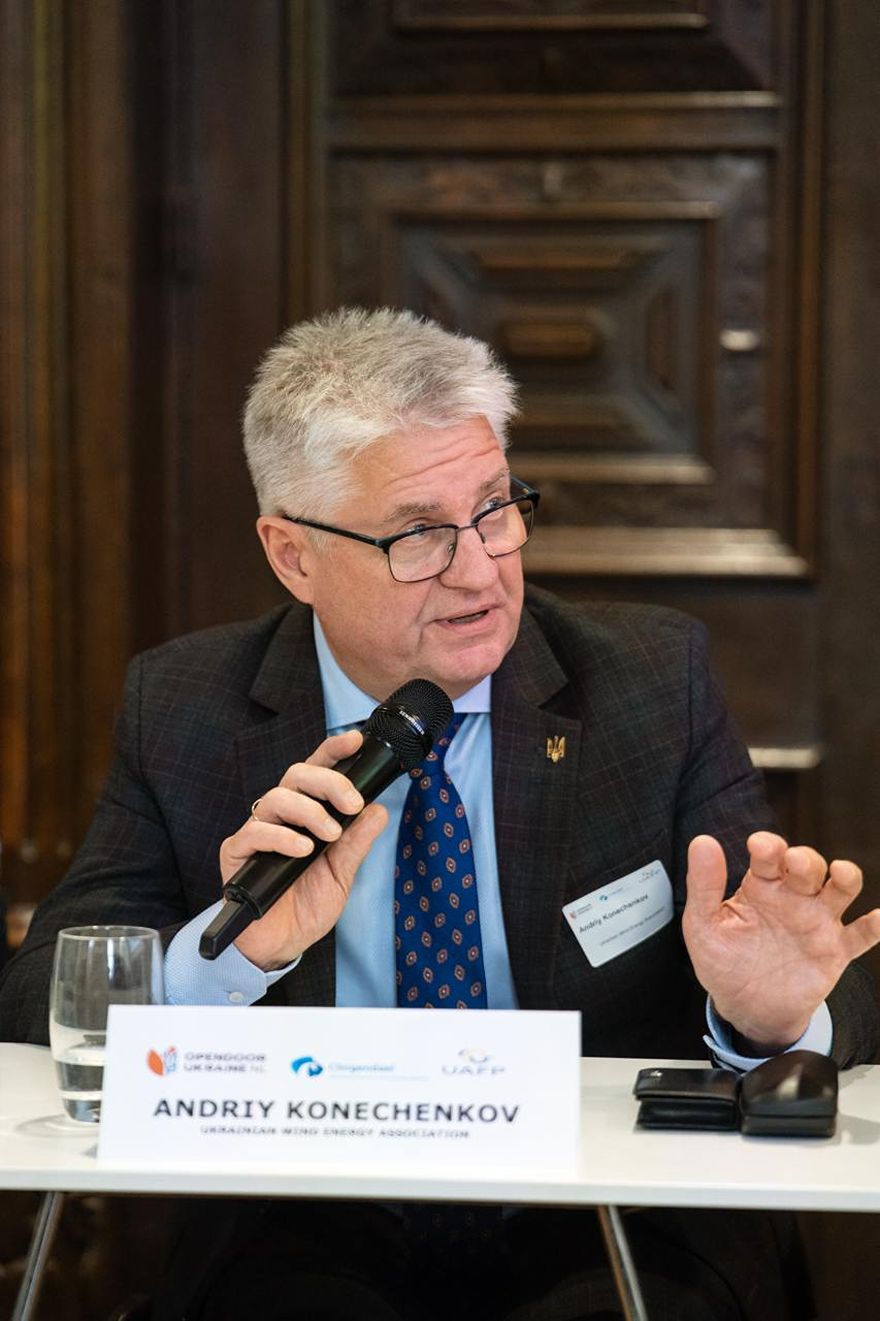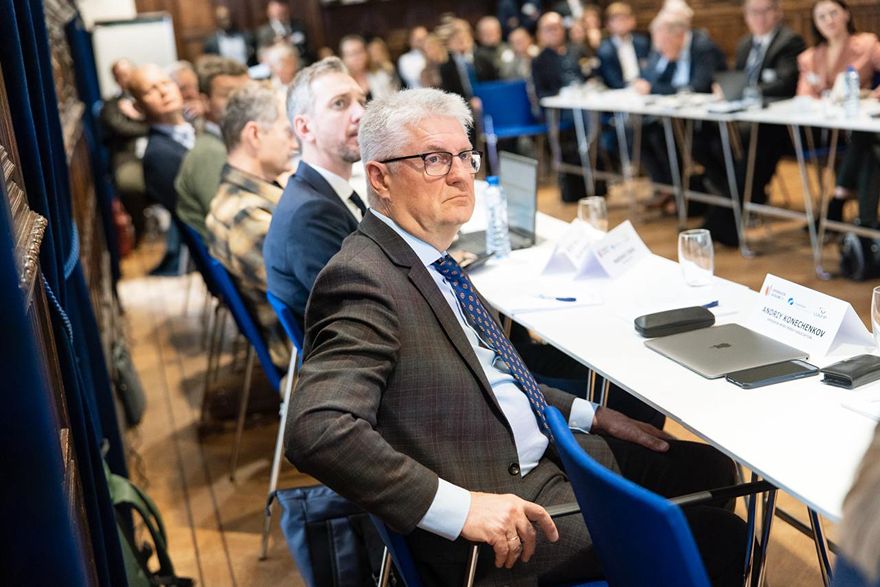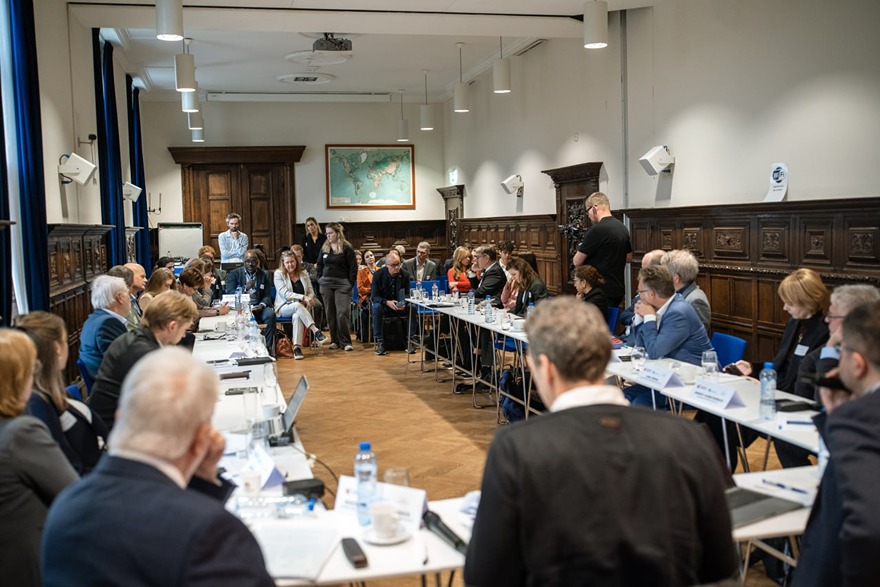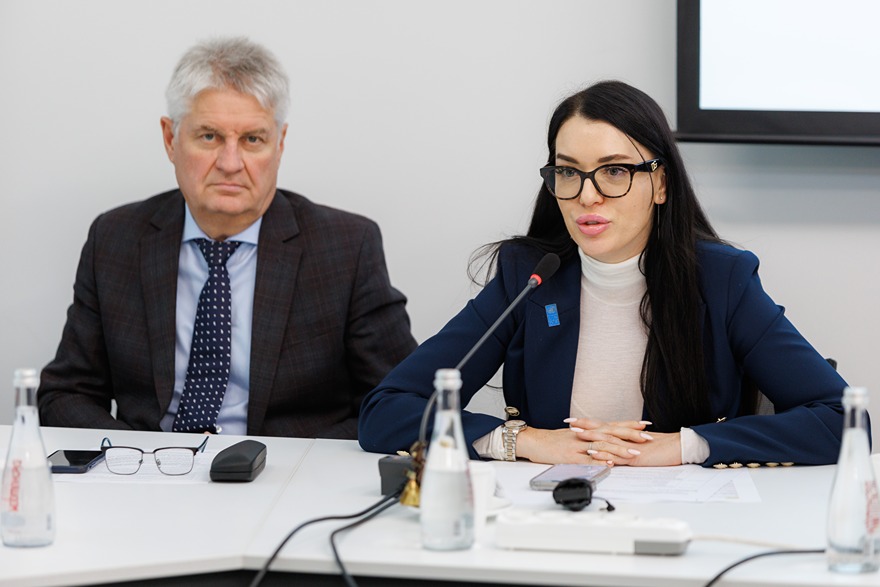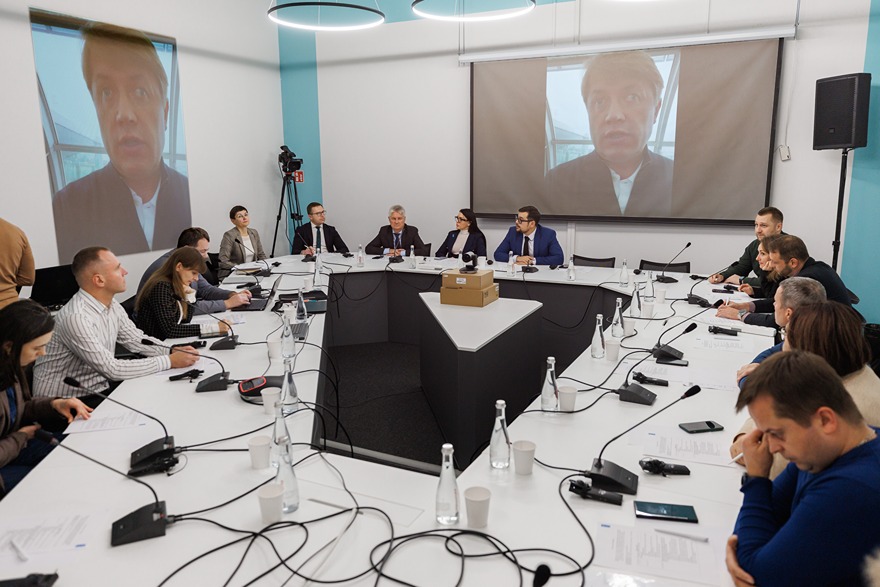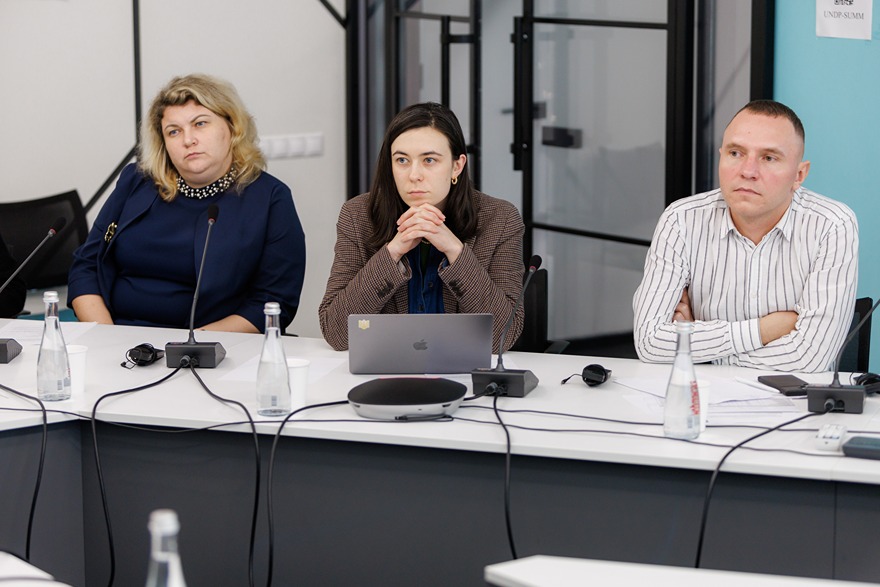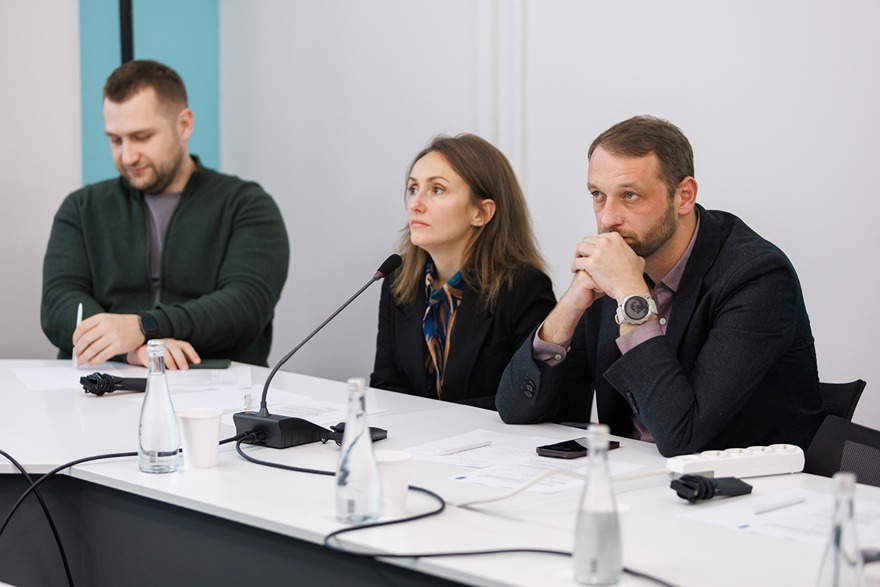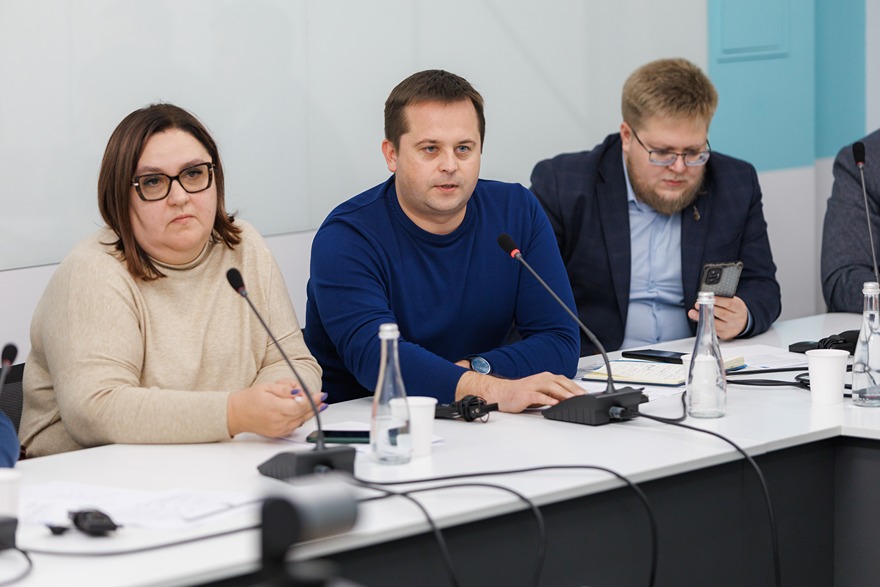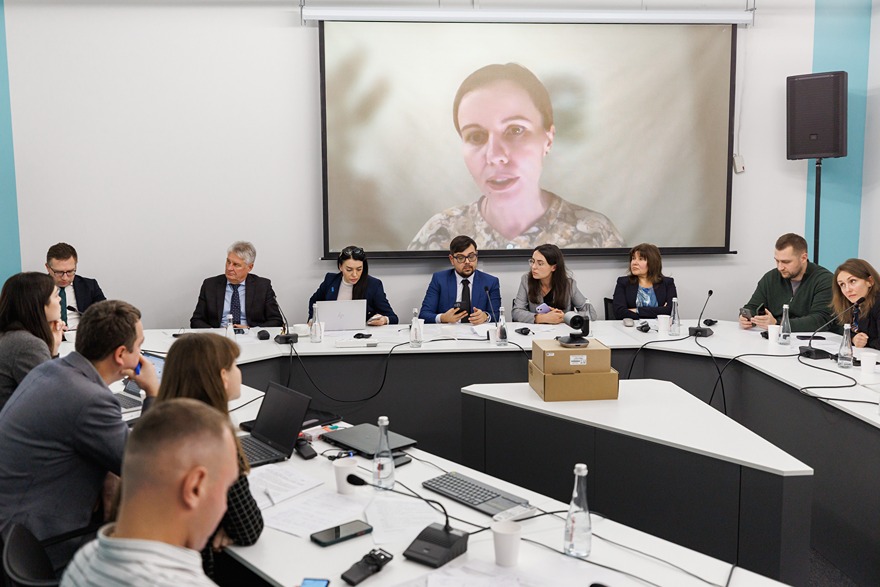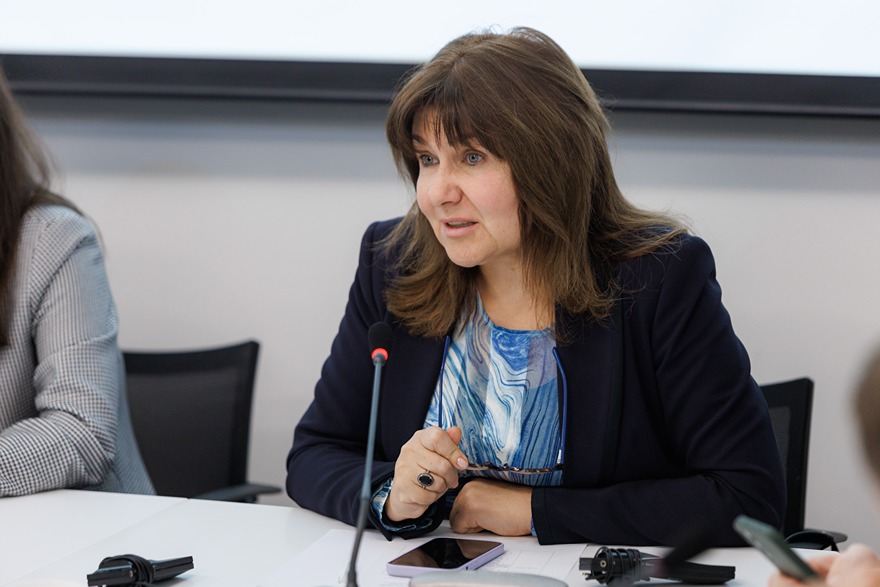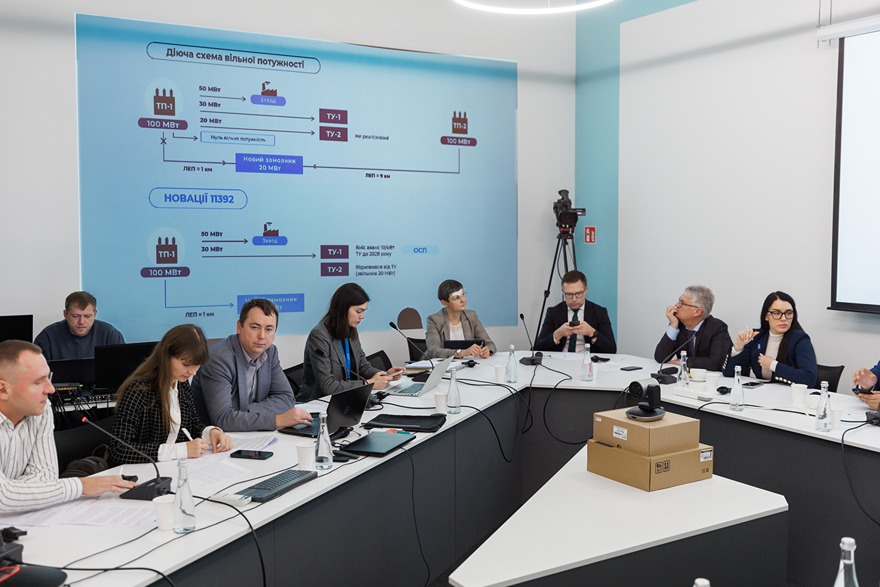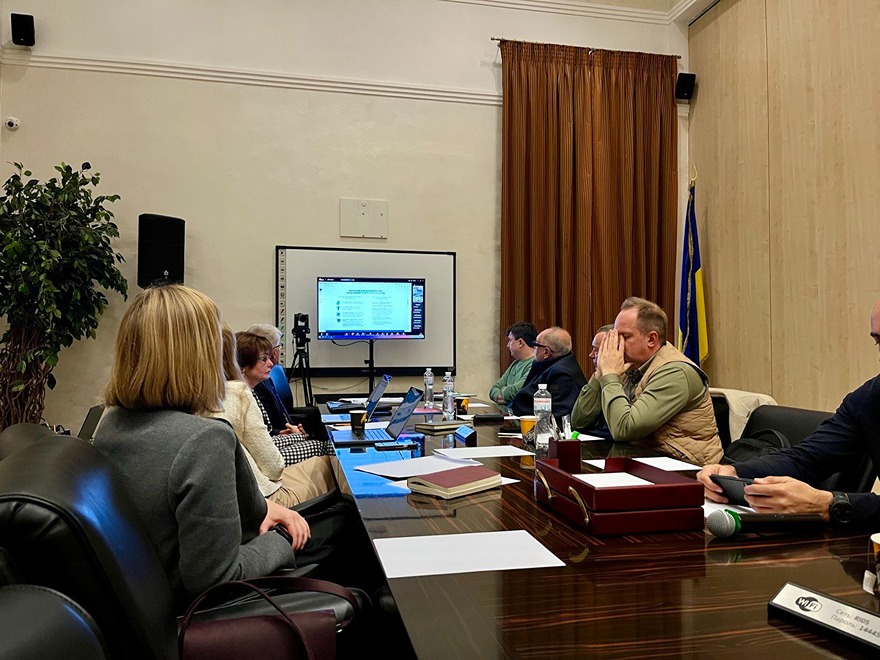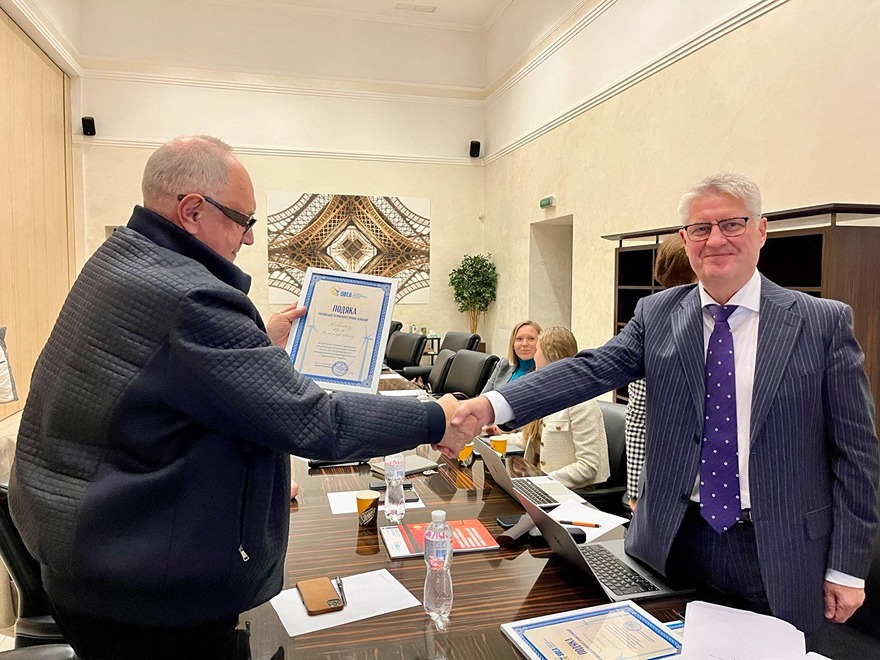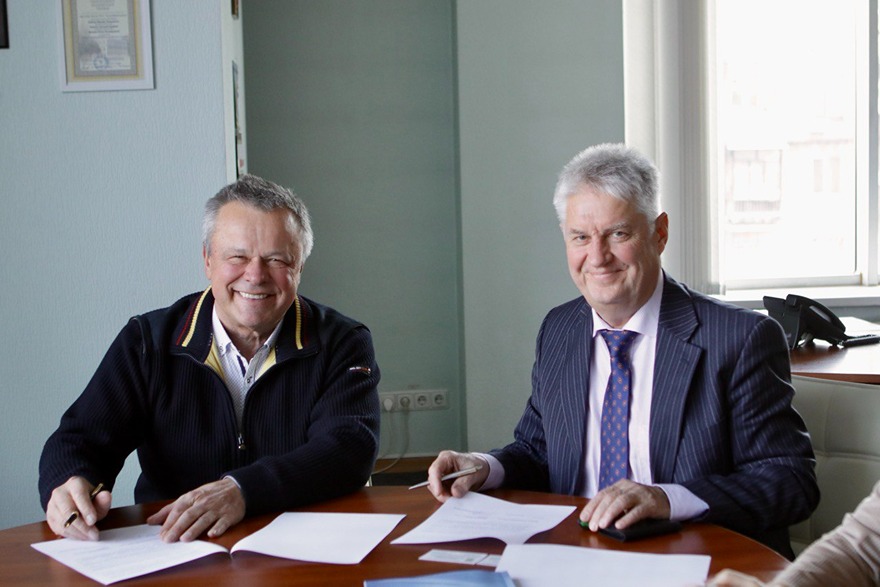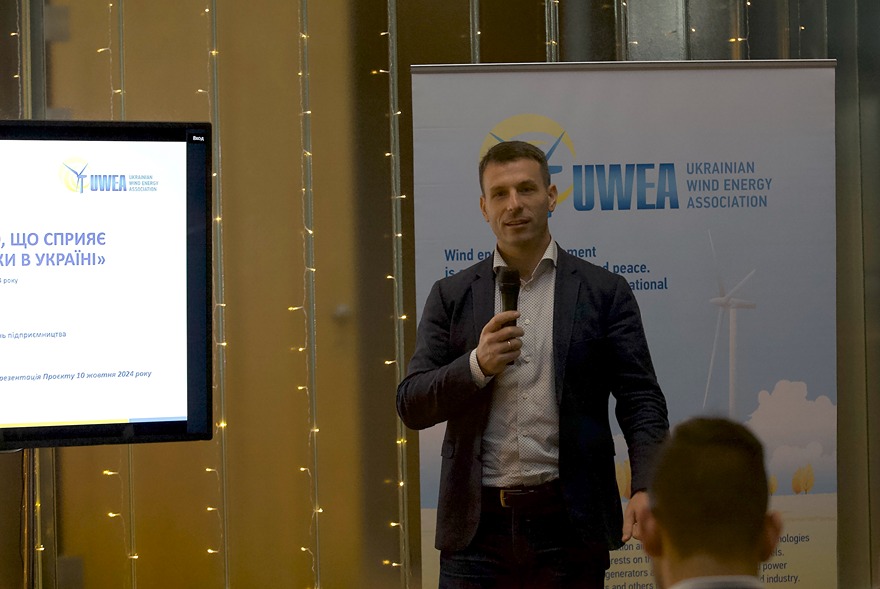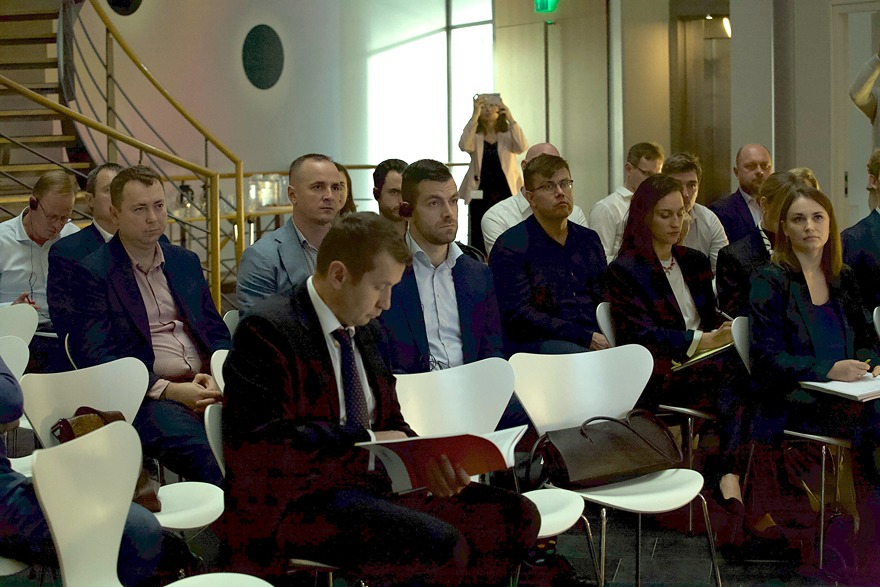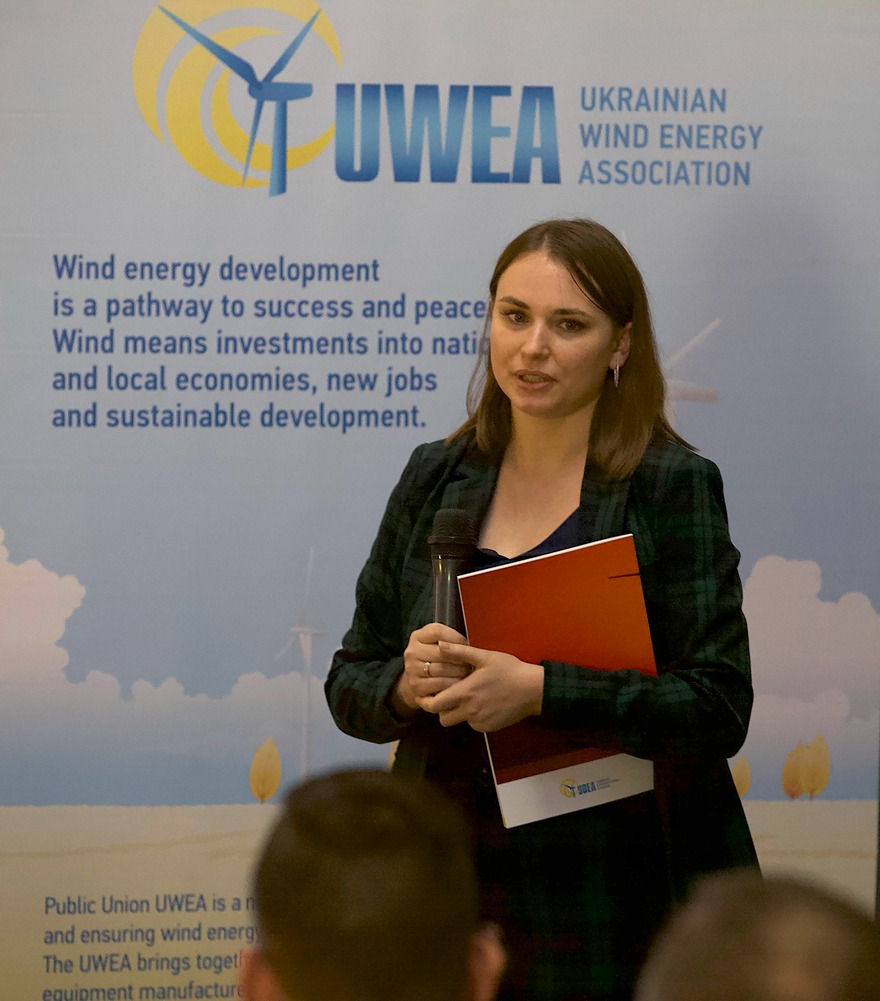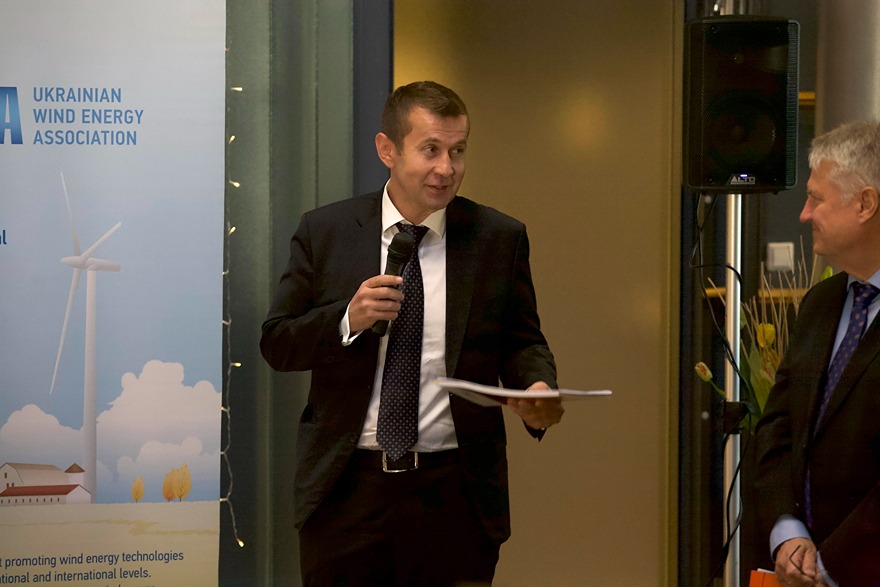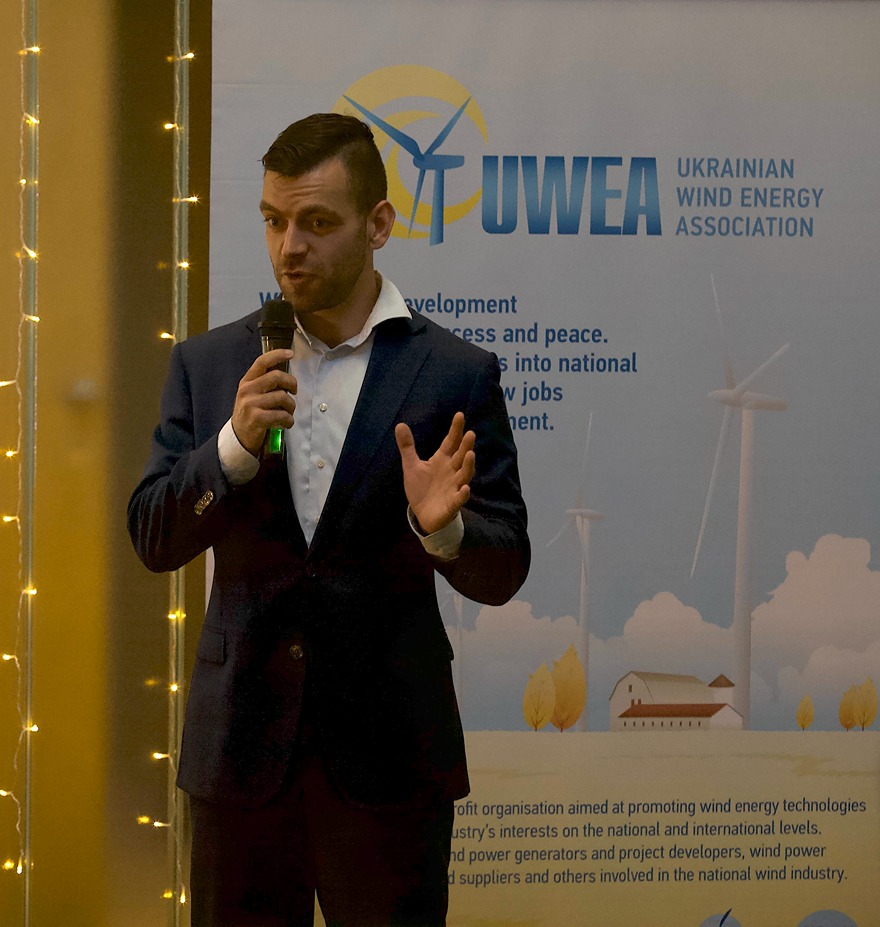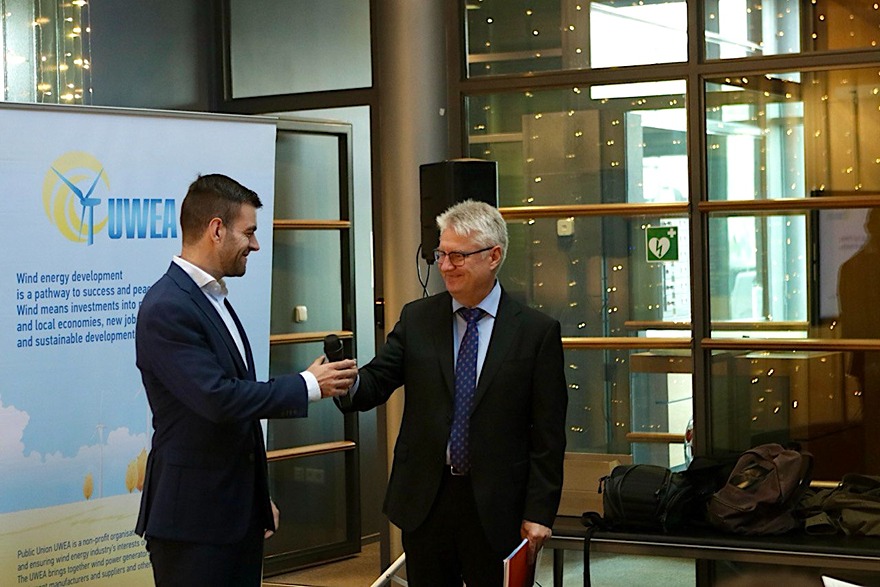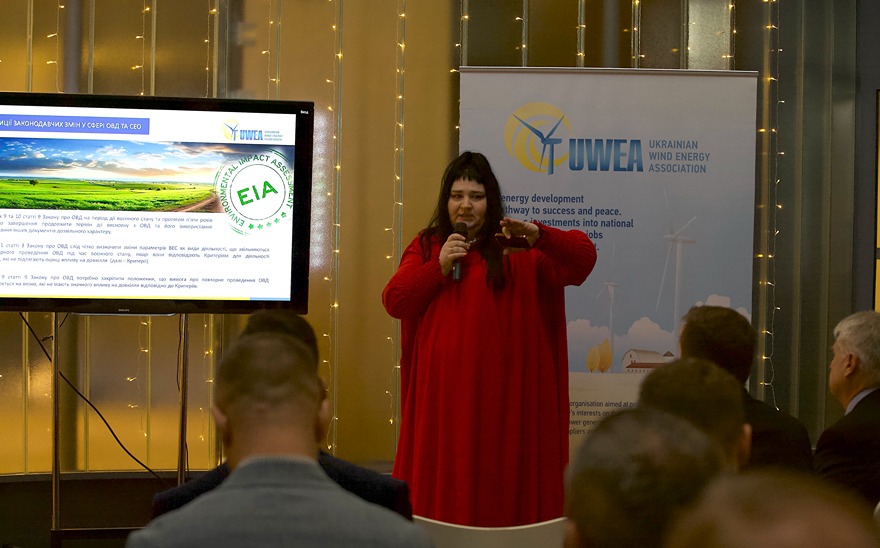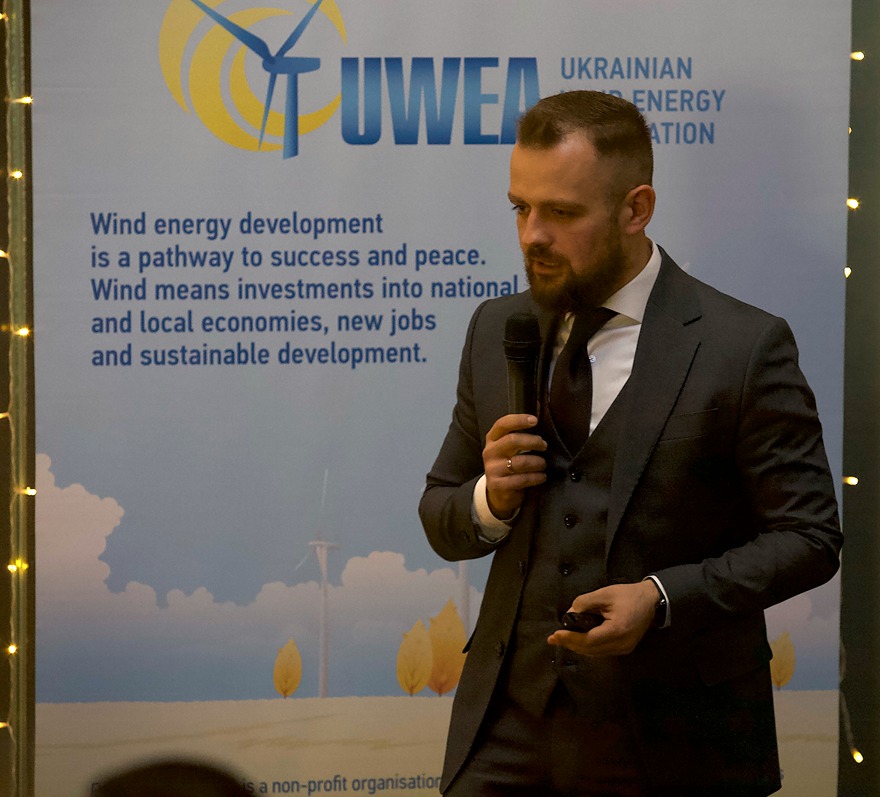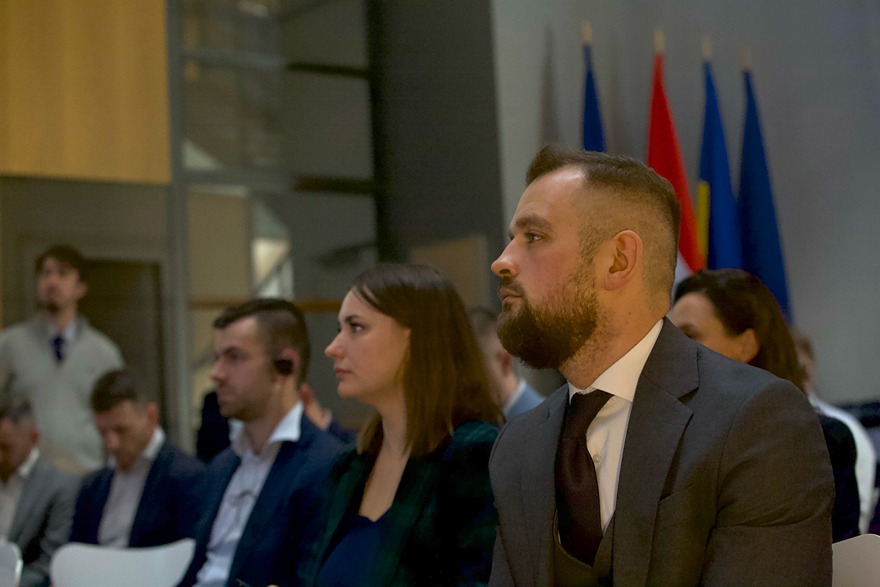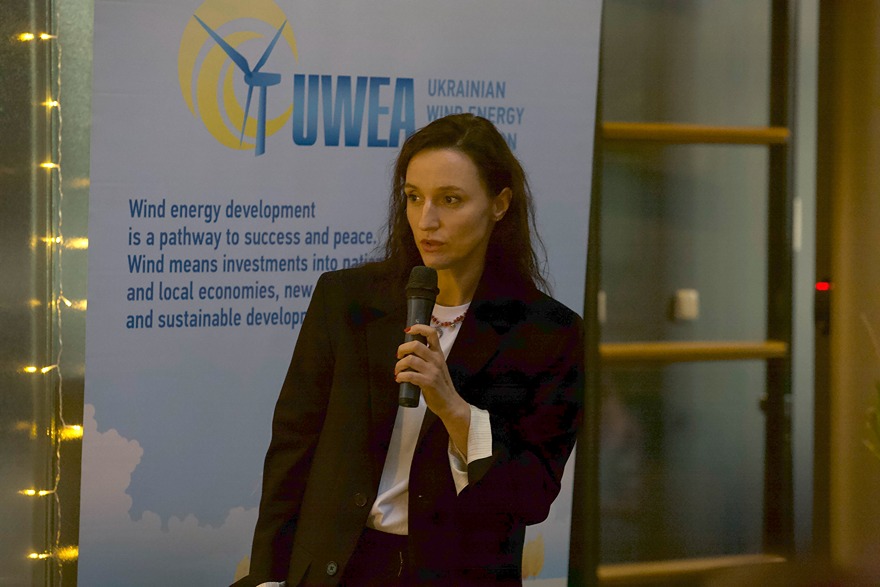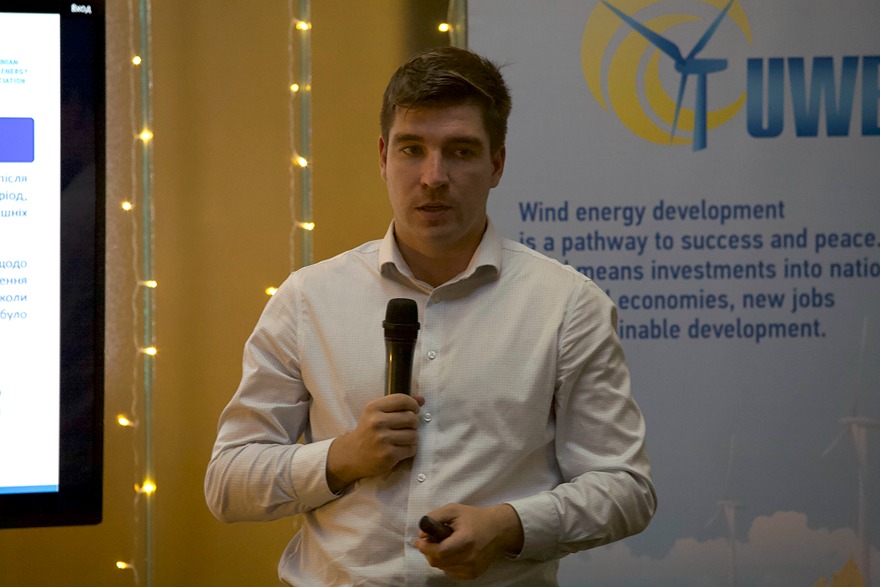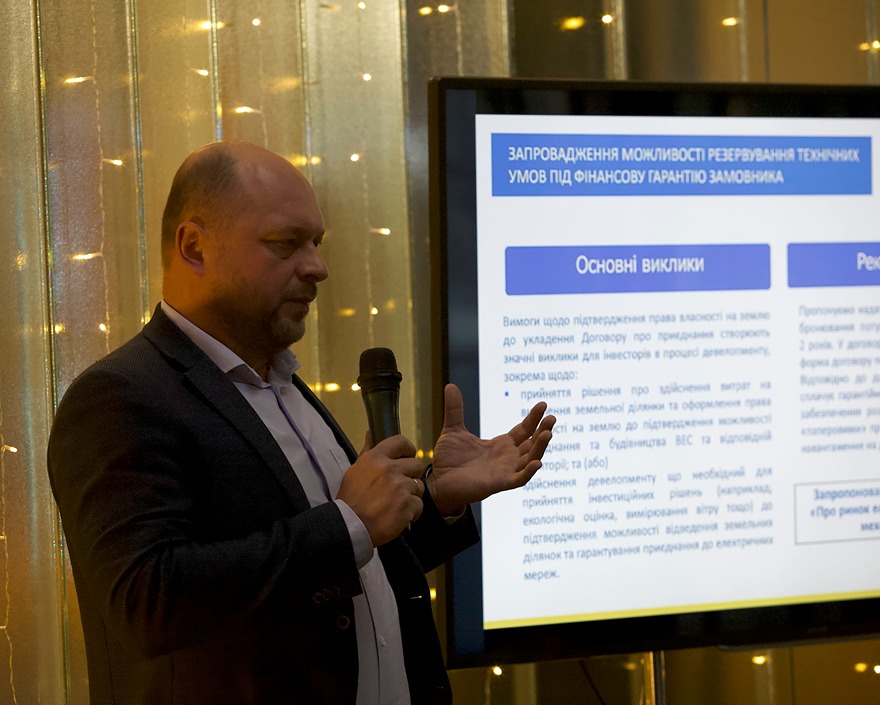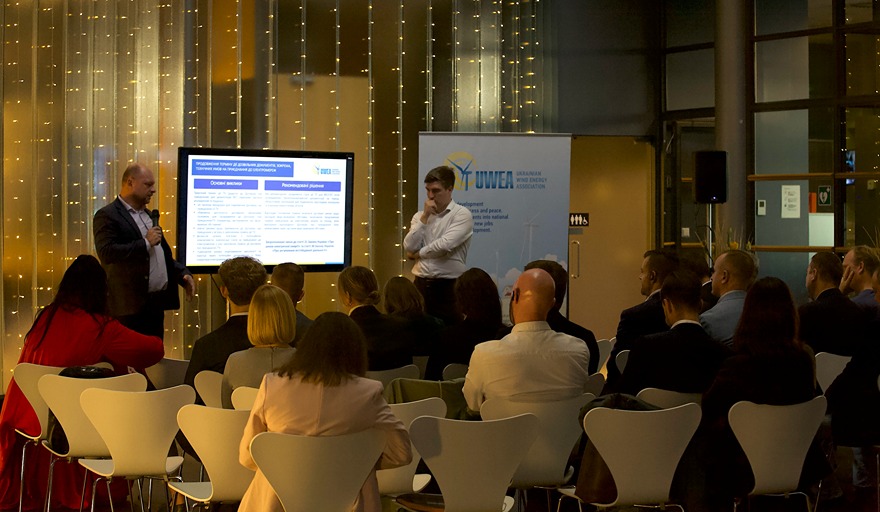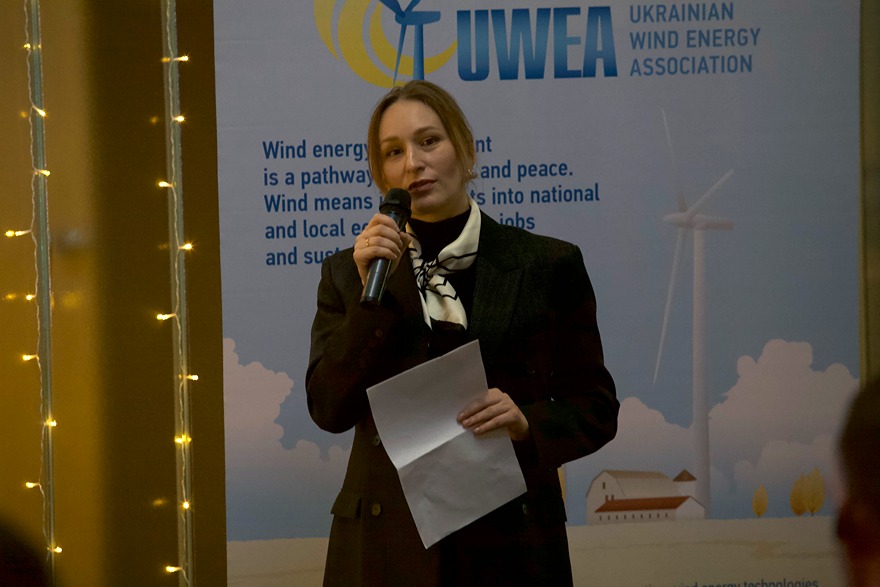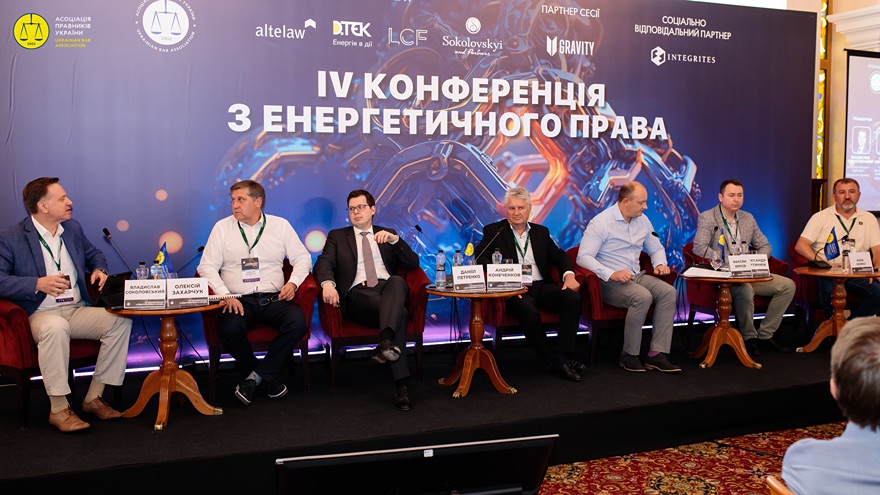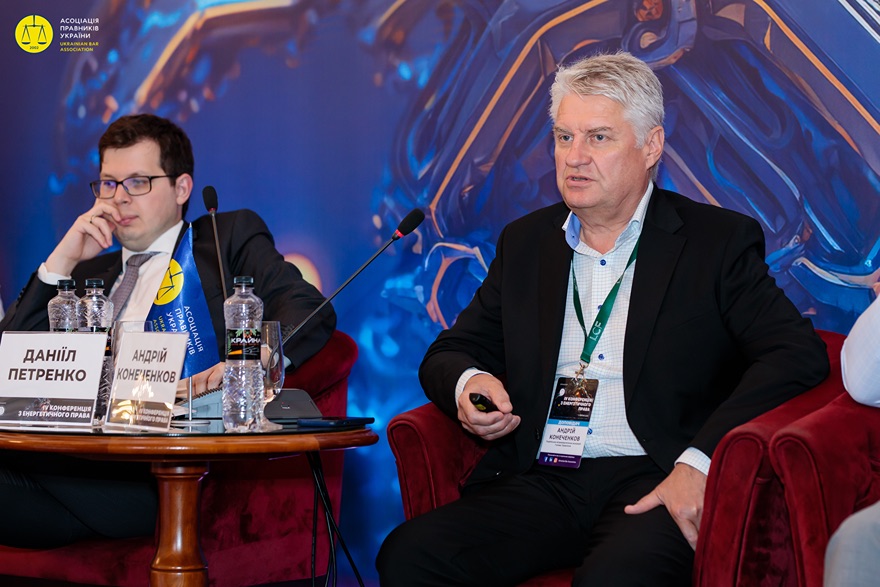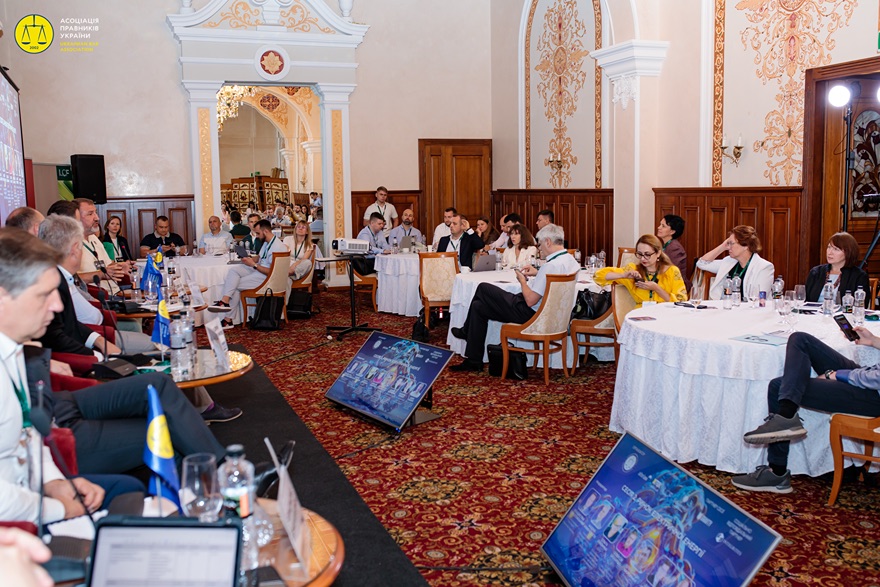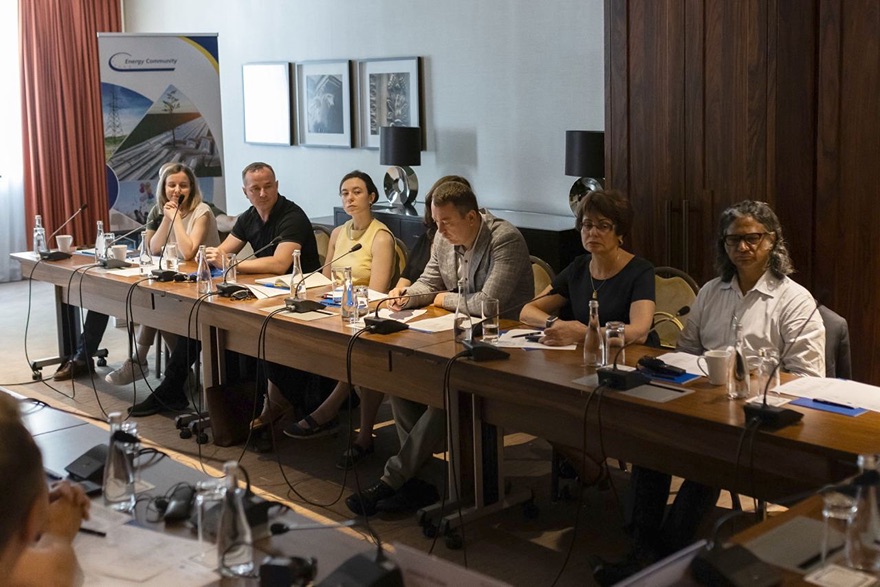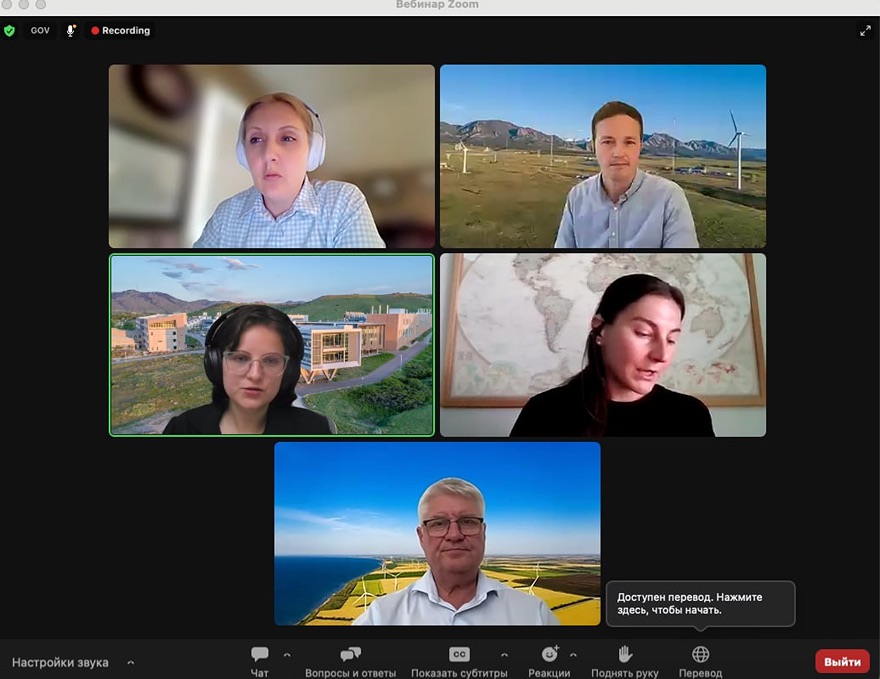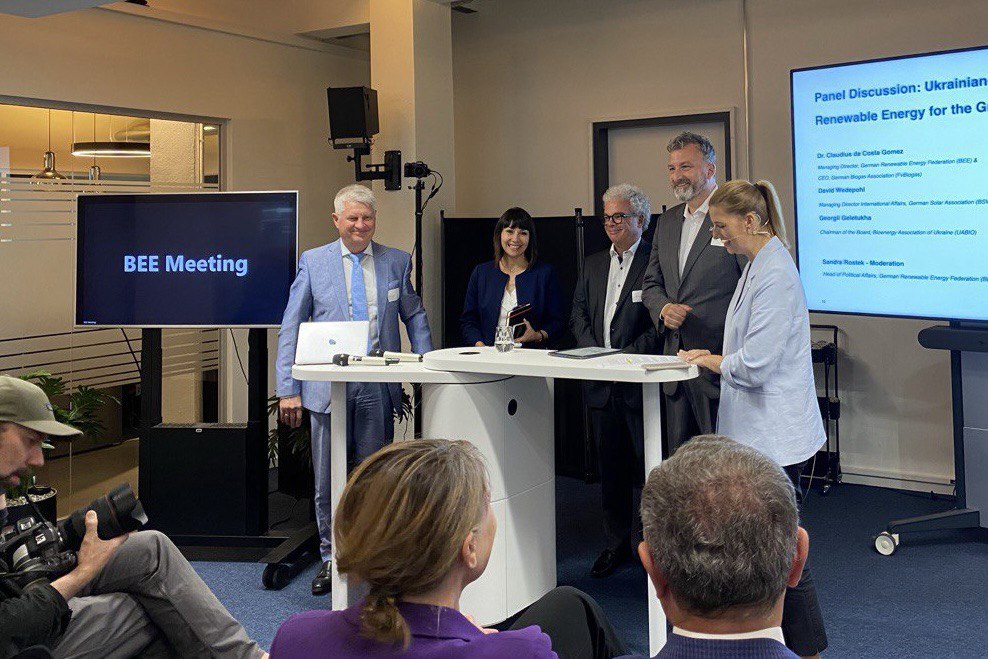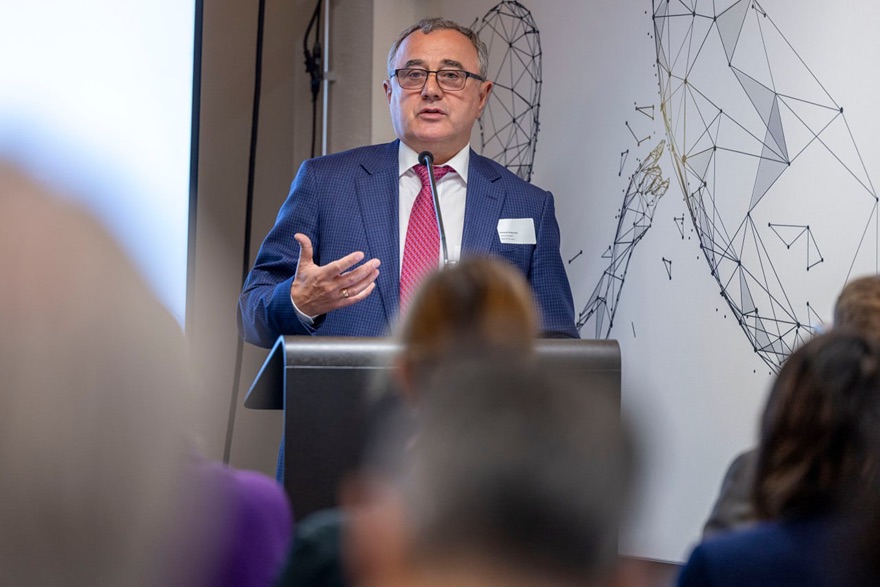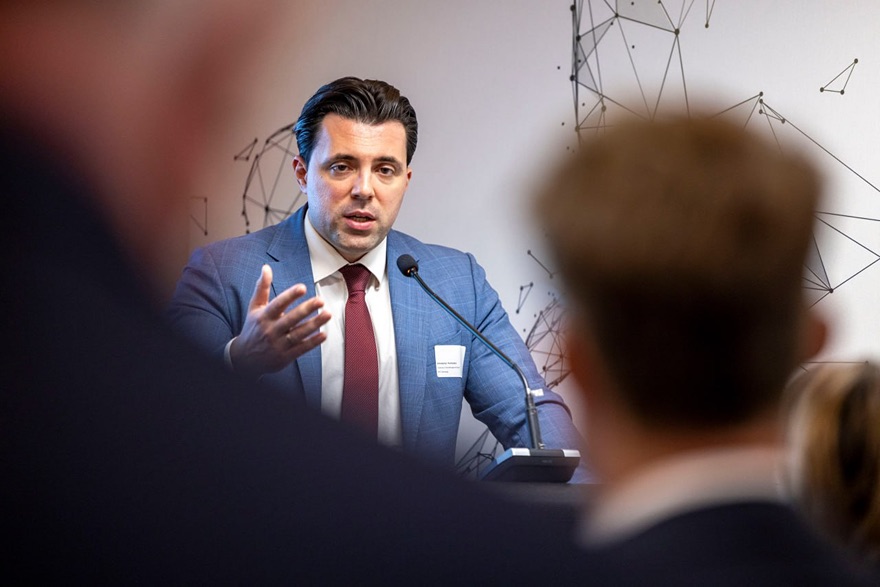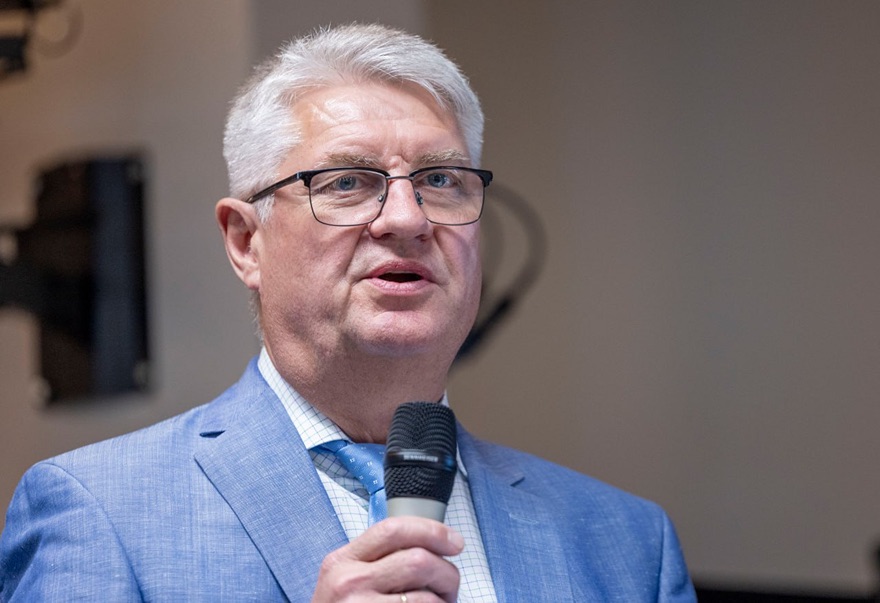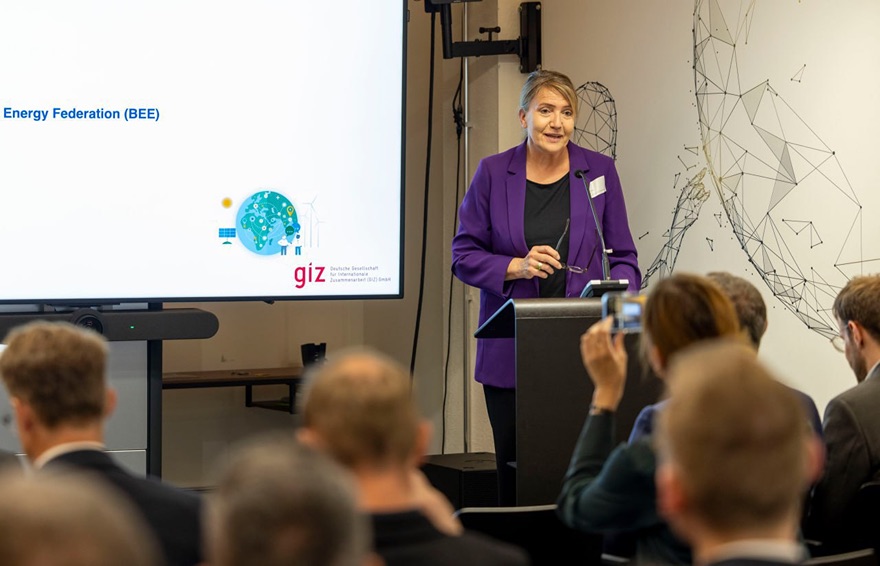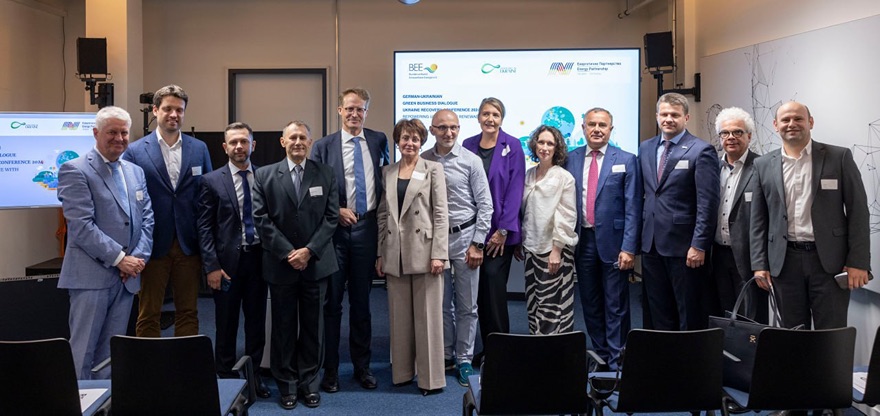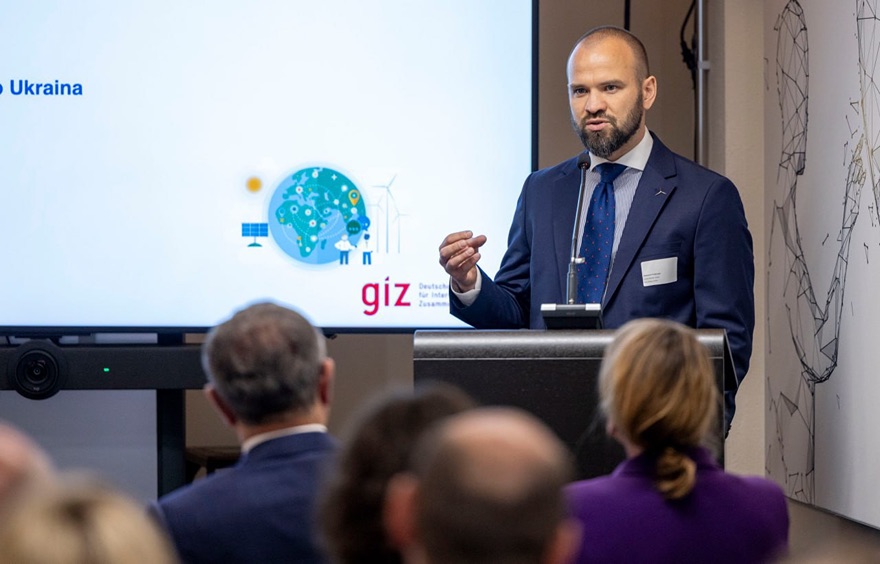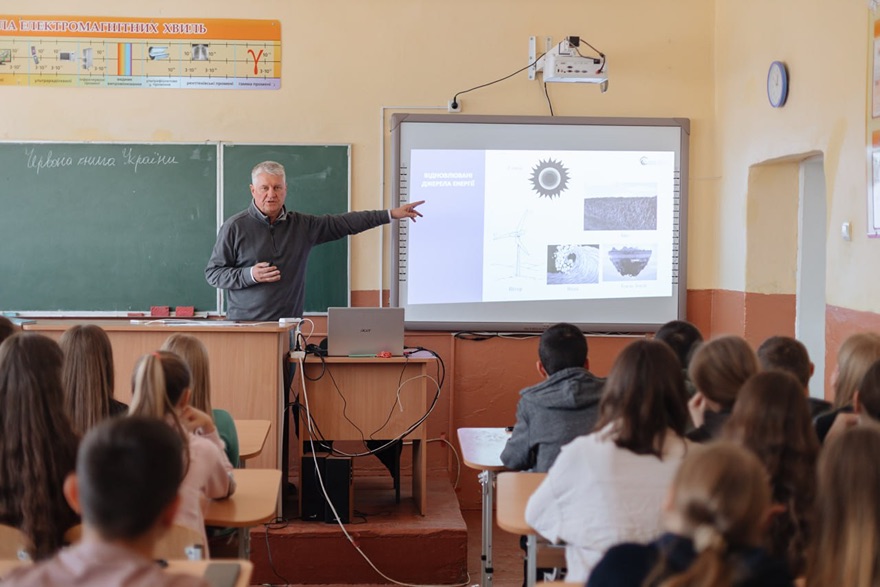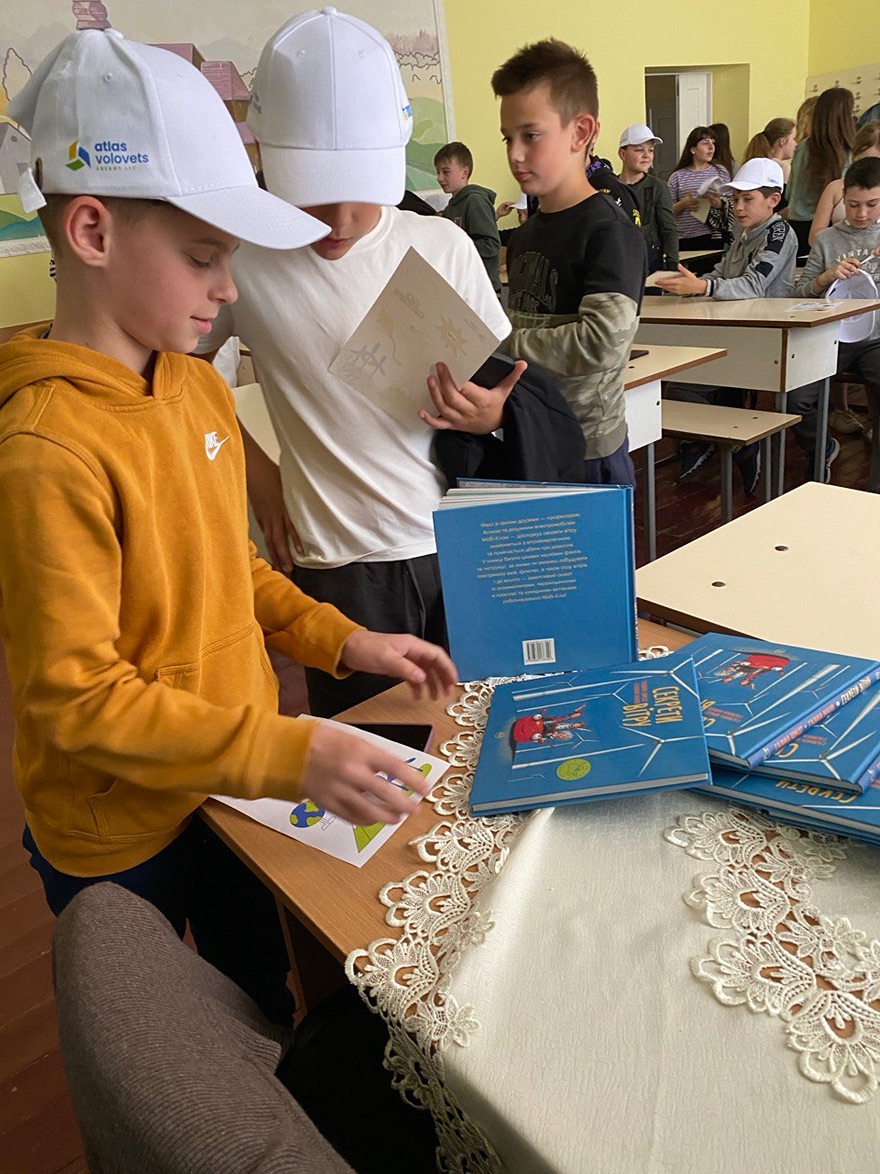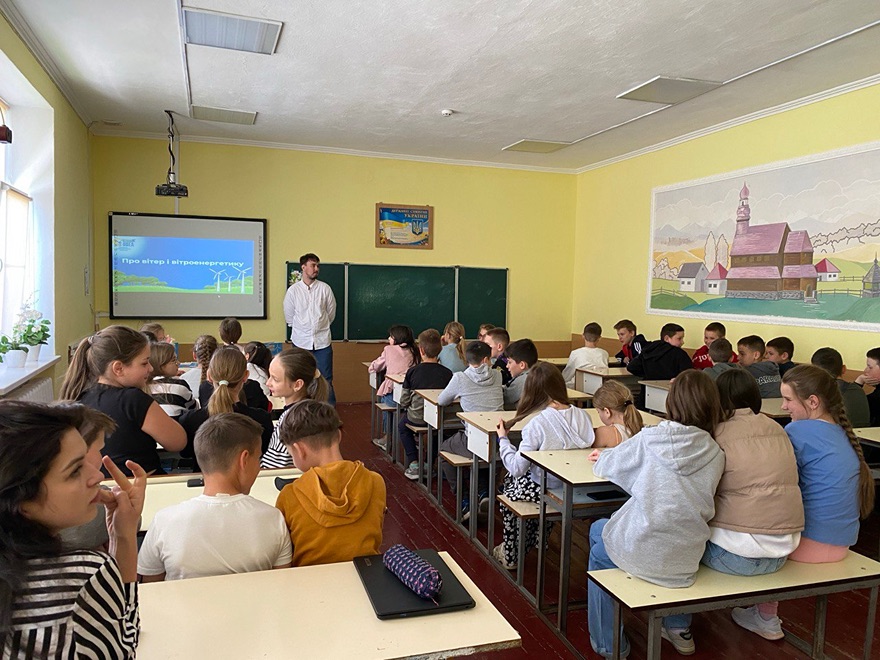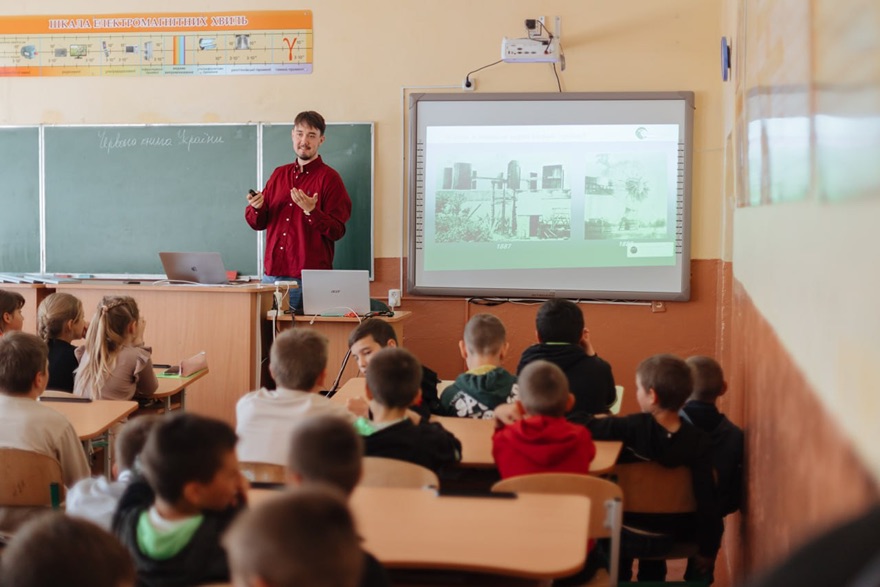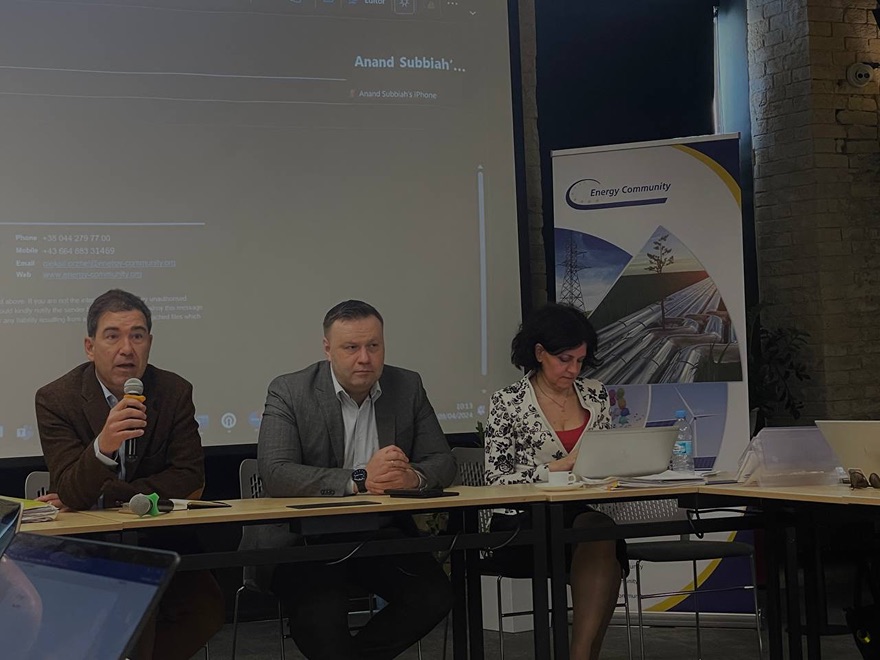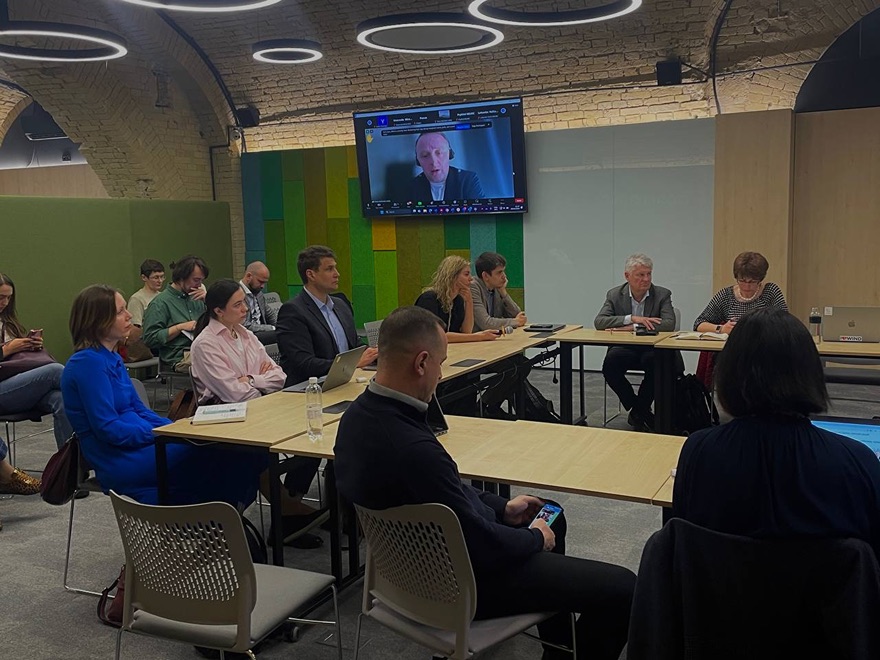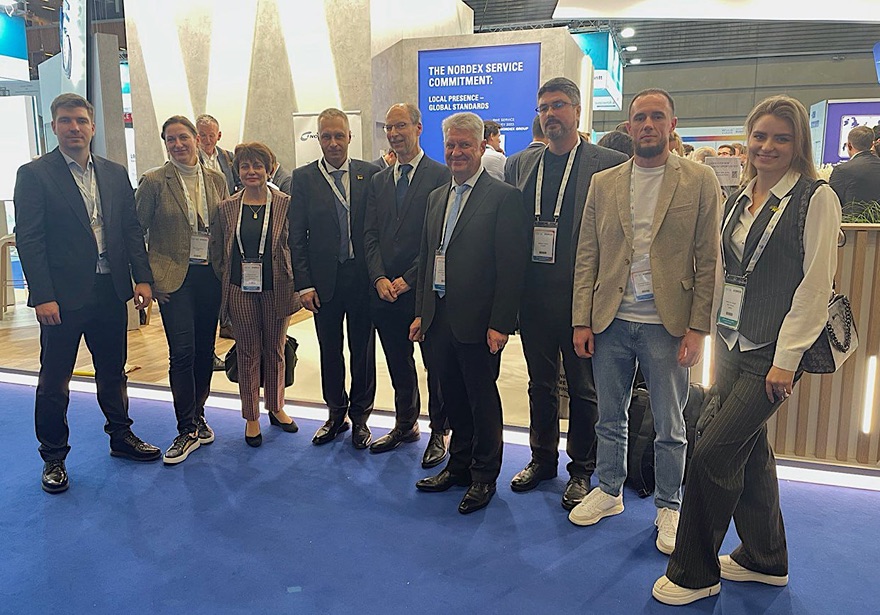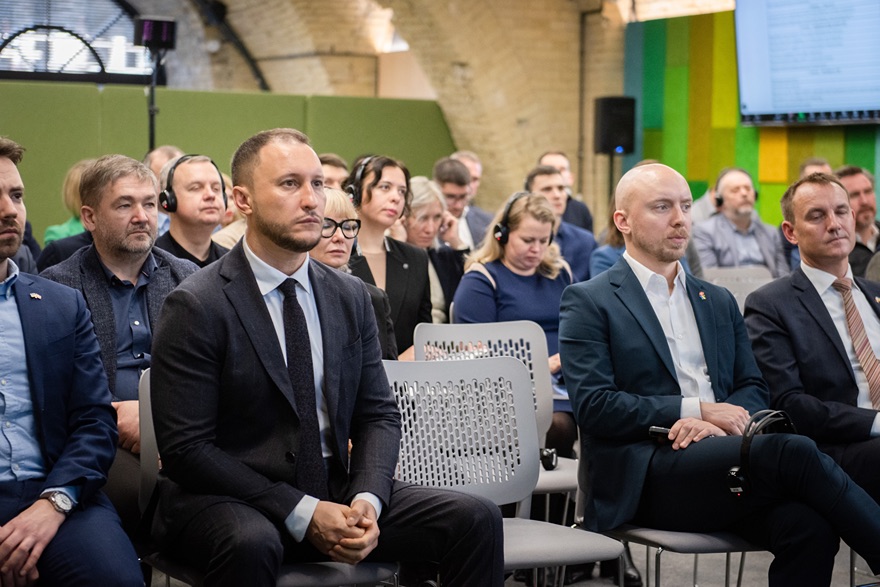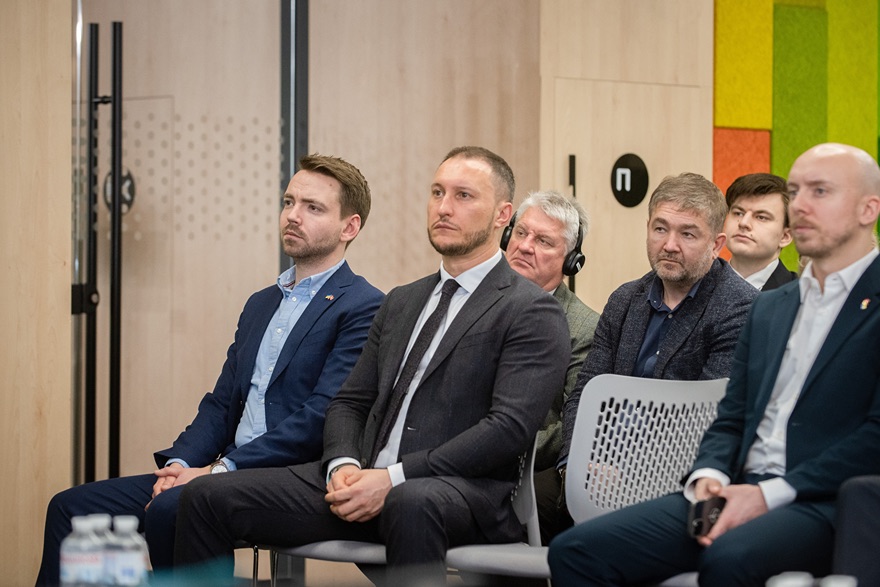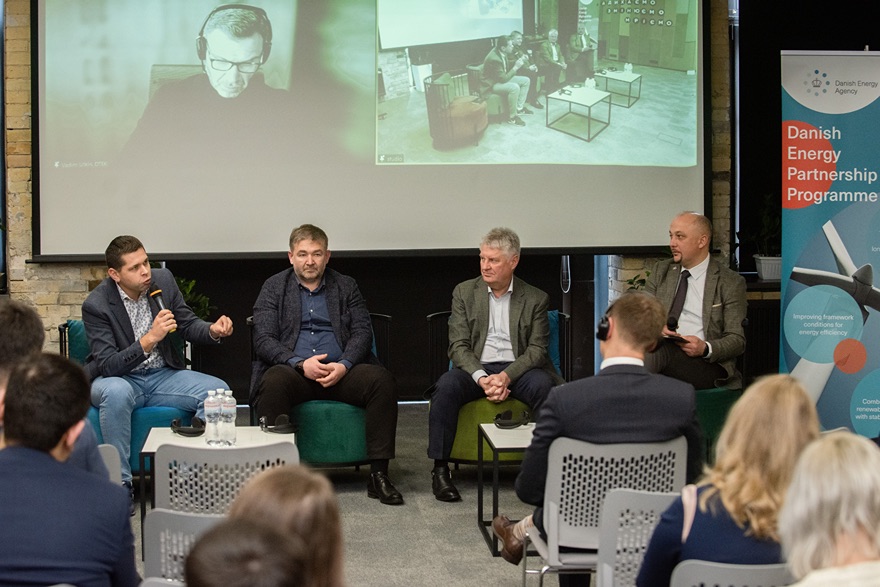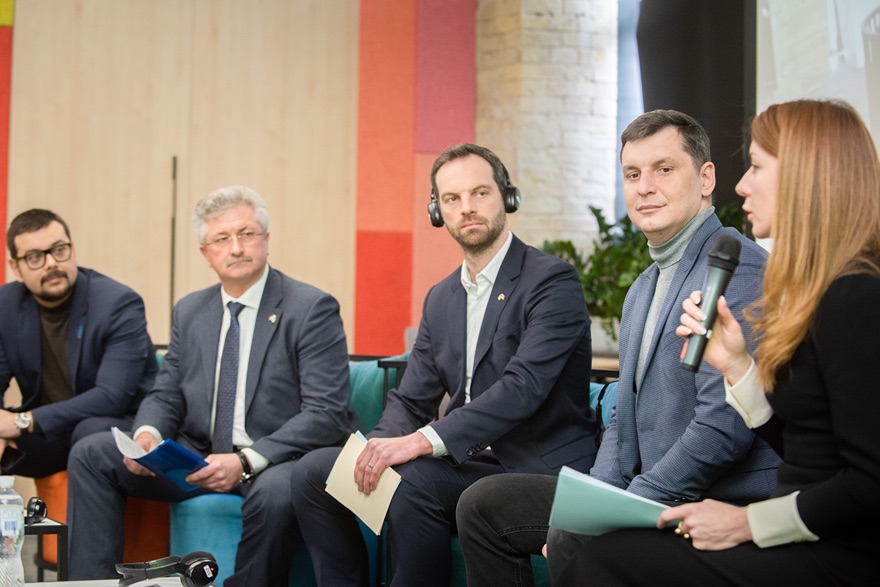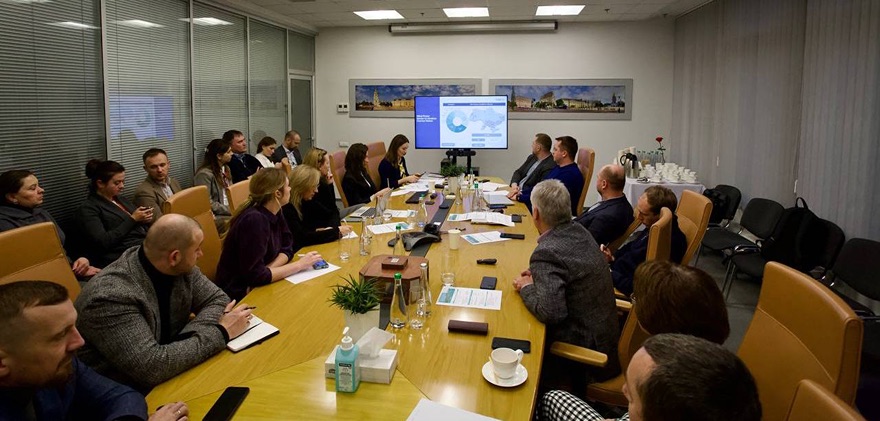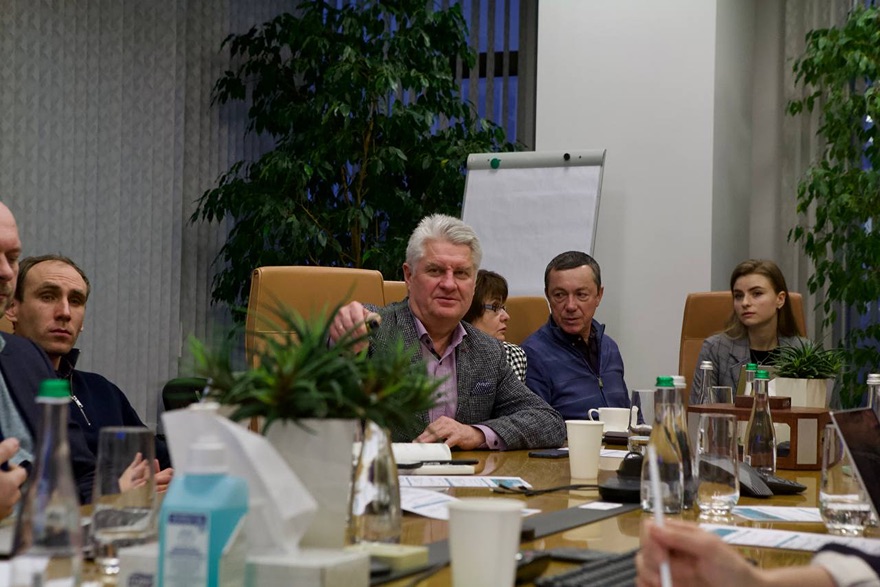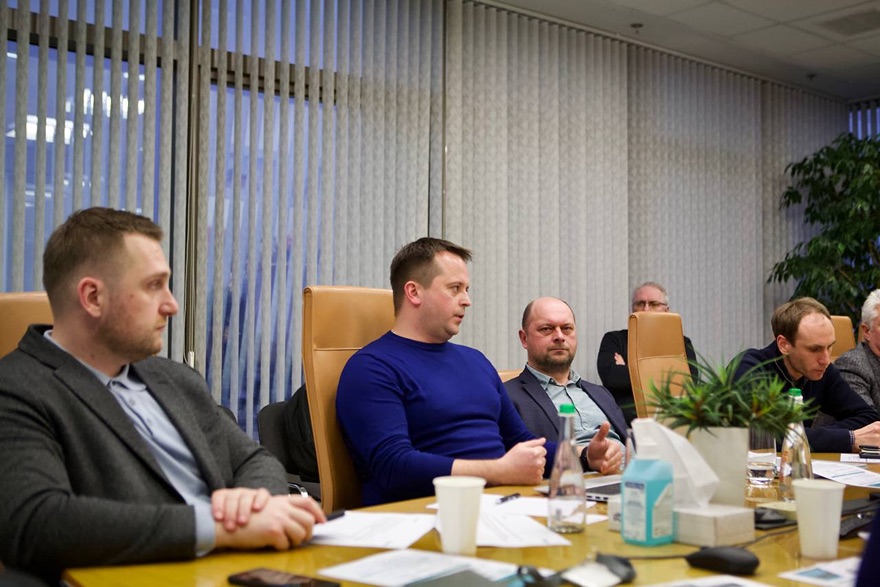
On 27 April as part of Energy Storage Day 2026, the official signing of the Memorandum of Partnership and Cooperation took place between the Ukrainian Wind Energy Association and the National Technical University “Dnipro Polytechnic”. Renewable energy in Ukraine is developing even under wartime conditions. Projects are being implemented, capacities are growing, and along with them, the need for specialists. Universities play a key role here, and it is important to us that there is no gap between education and the real sector.
“The industry is growing, and with it grows the need for specialists who know wind energy from the inside out. We want Ukrainian universities to be a part of this process – not standing on the sidelines, but right in the center. The partnership with Dnipro Polytechnic is exactly about this,” emphasized Andriy Konechenkov, Chairman of the UWEA Board.
The Memorandum outlines the main areas of interaction: the joint development of educational programs in wind energy, conducting lectures and practical classes with the participation of industry experts, and promoting student involvement in RES projects. Among other initiatives, it includes popularizing wind energy among the youth and organizing study visits to active industry facilities.
“Ukraine's modern energy system is developing extremely dynamically, and the role of universities in training appropriate specialists is becoming increasingly decisive. Solving the real technical and business tasks of the industry is possible only in close cooperation between the university community and leading employers. That is why the partnership with the Ukrainian Wind Energy Association is an important step towards new approaches in training competent personnel for the electric power industry,” noted Oleksandr Aziukovskyi, Rector of Dnipro Polytechnic.
We thank the university for its cooperation and willingness to move forward alongside the industry. There is a lot of joint work ahead.


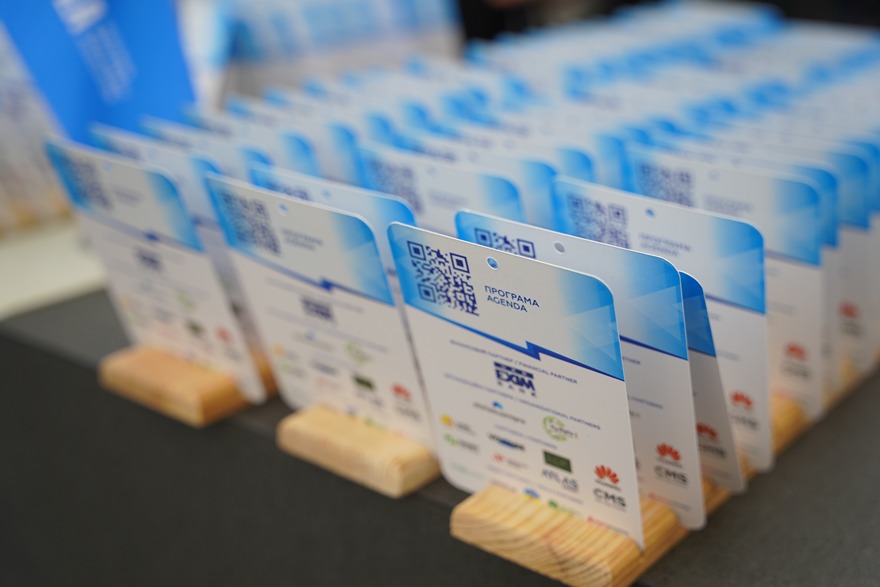
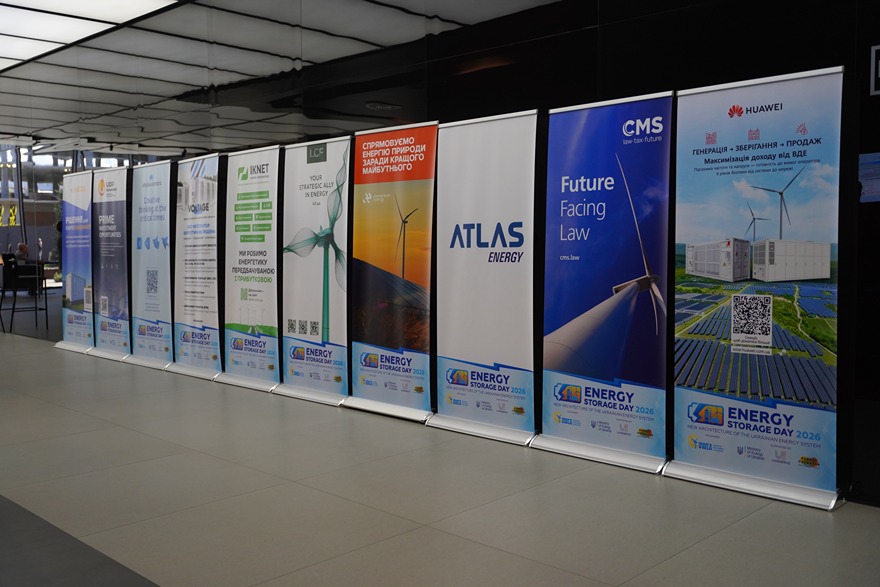
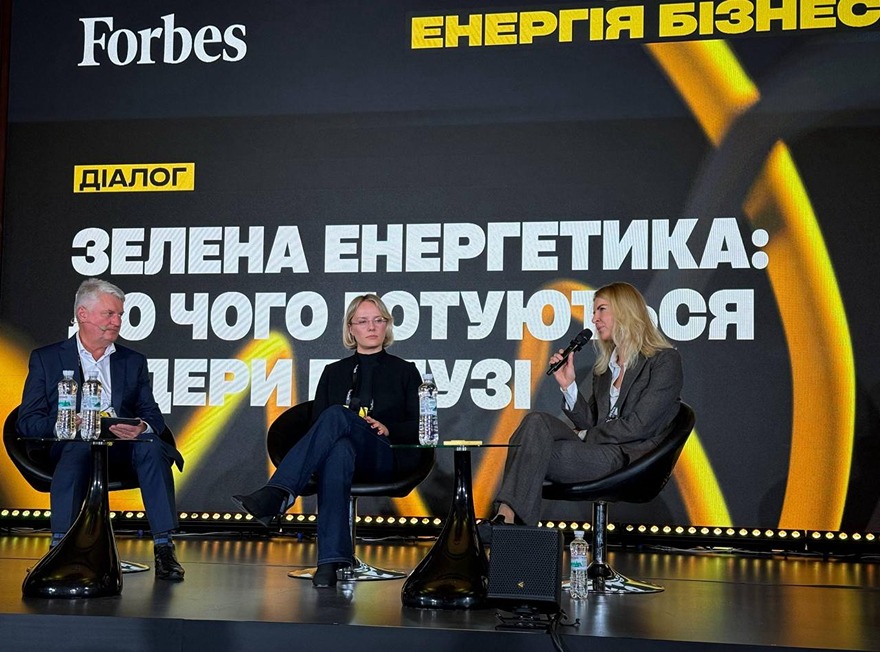
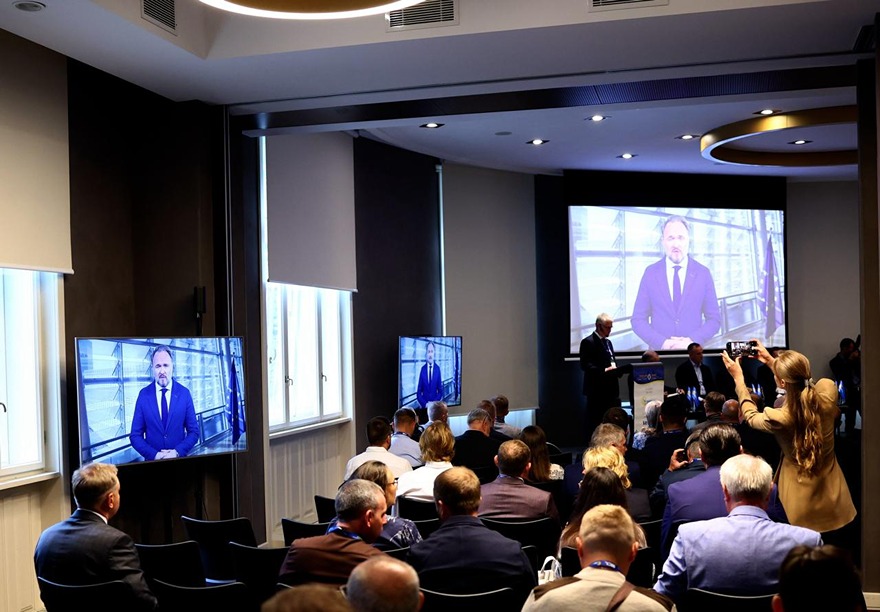
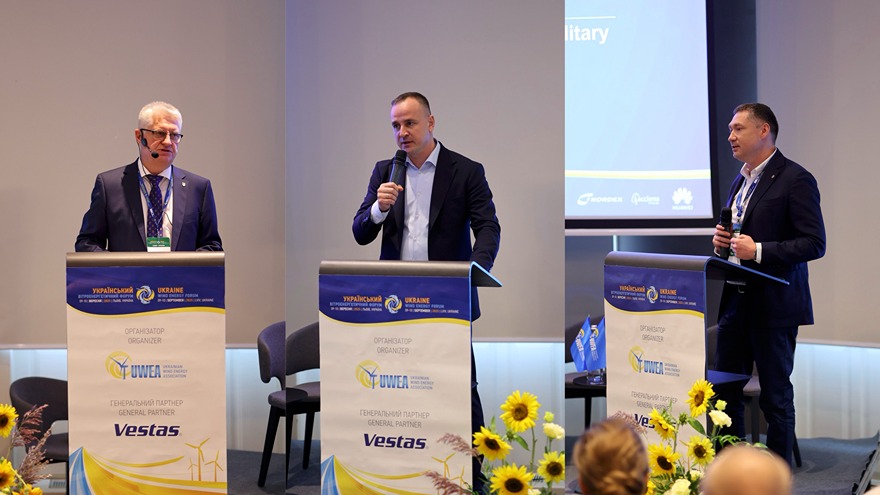
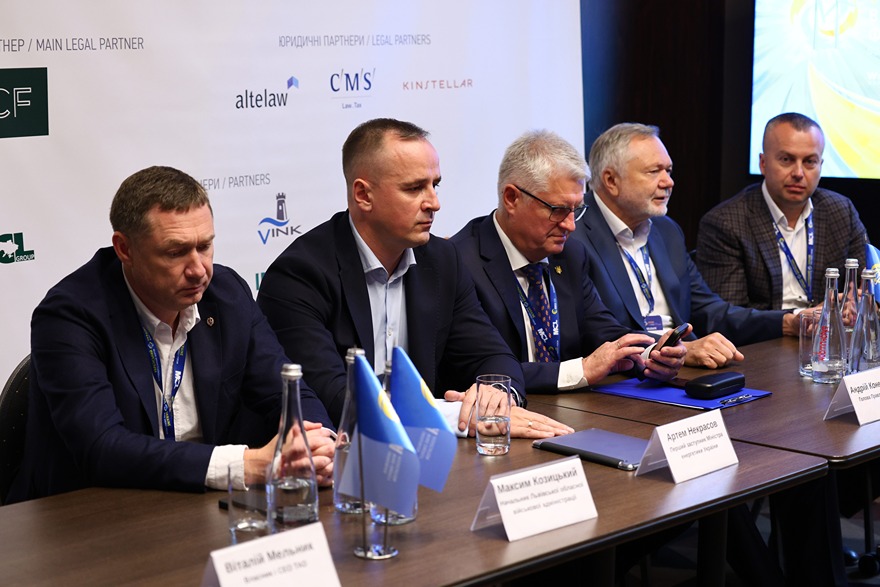
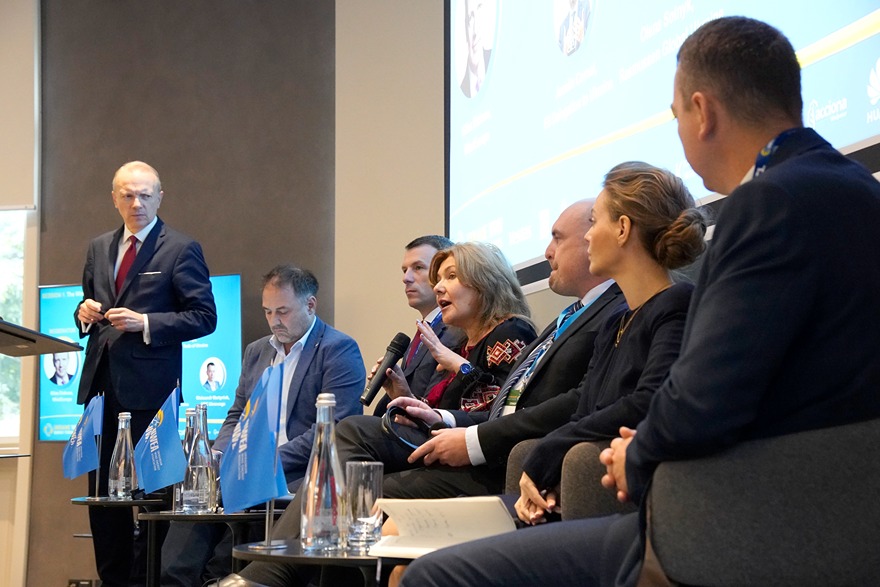
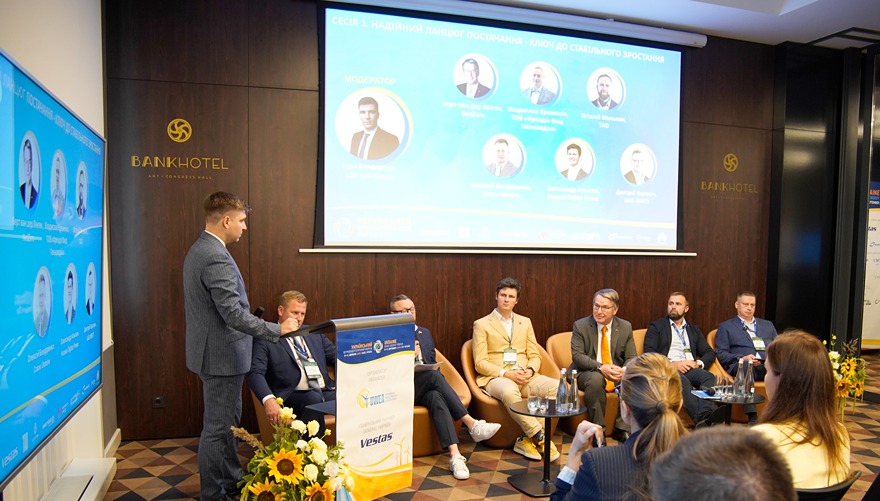
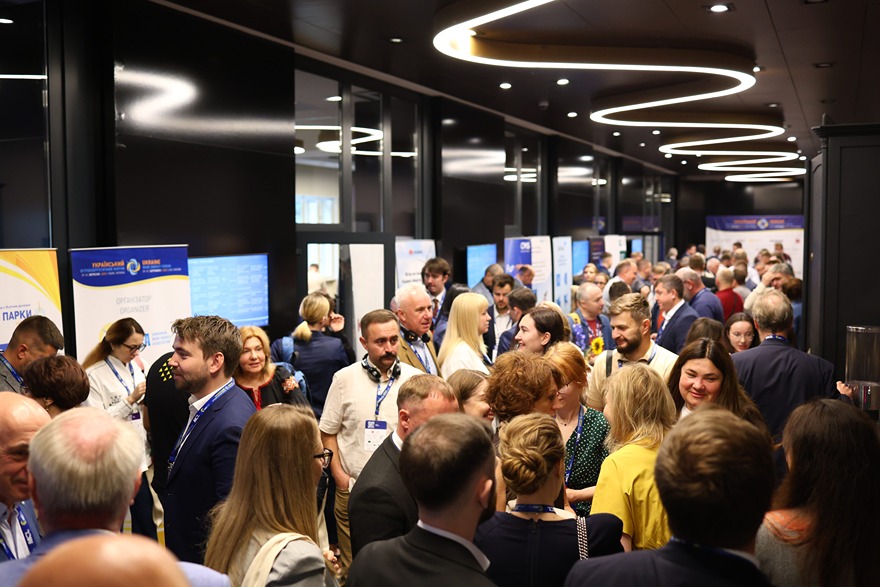
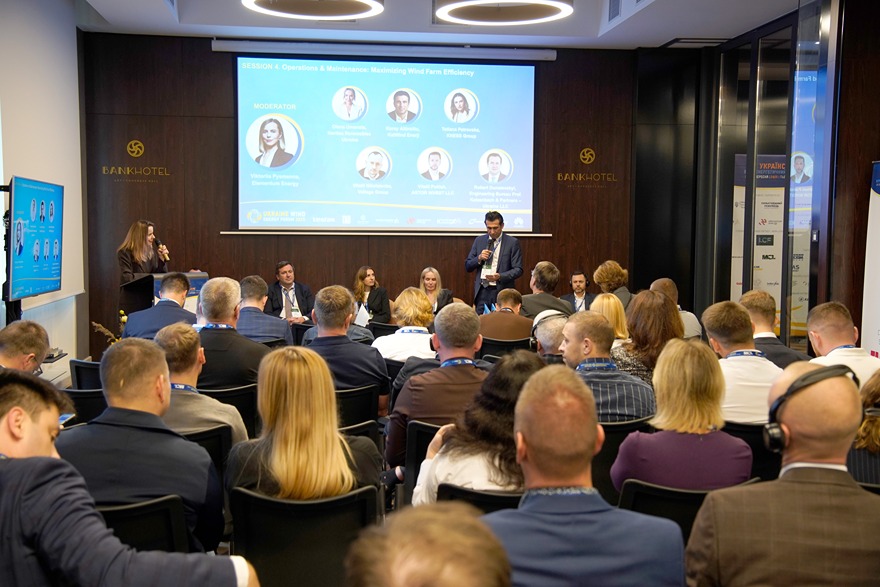
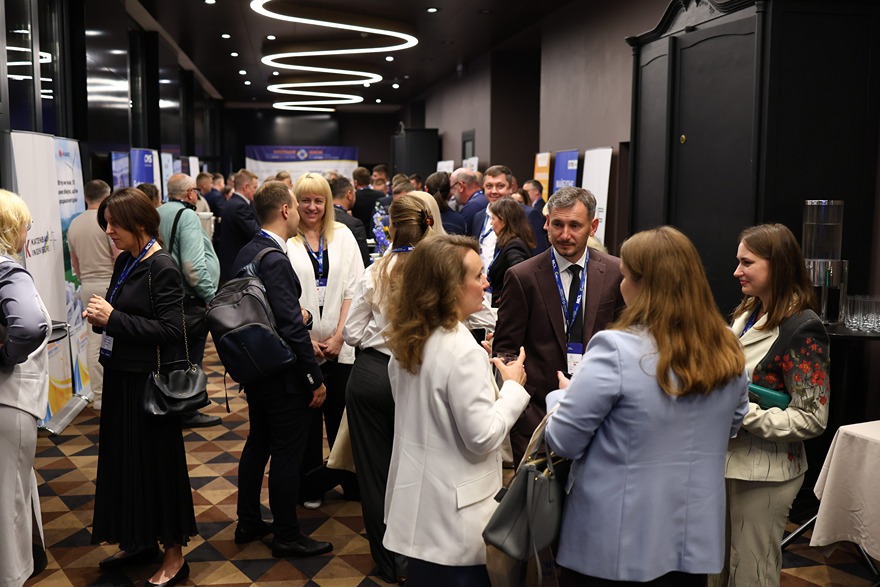
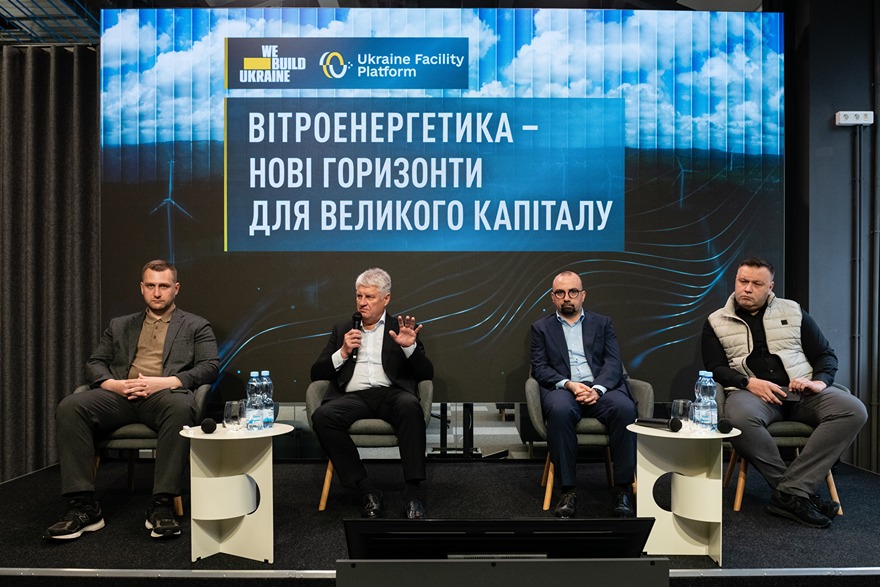
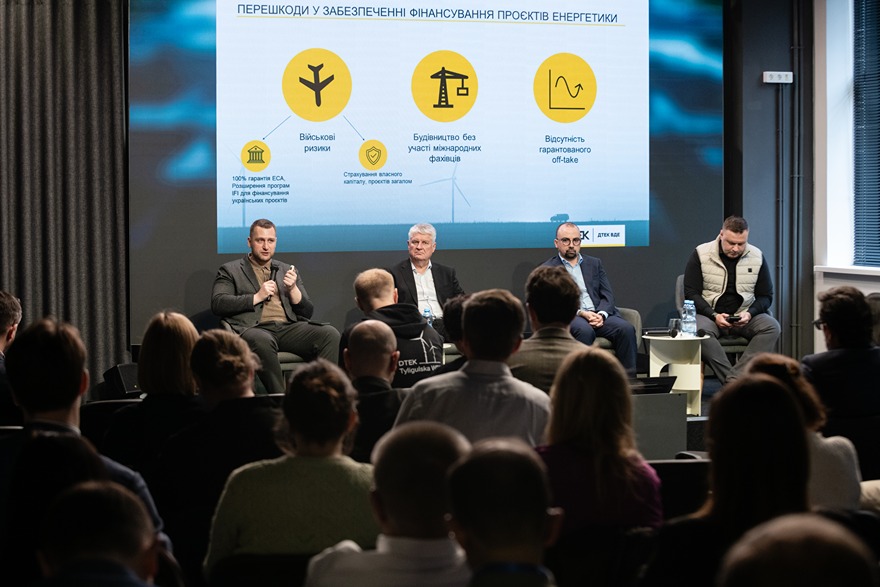
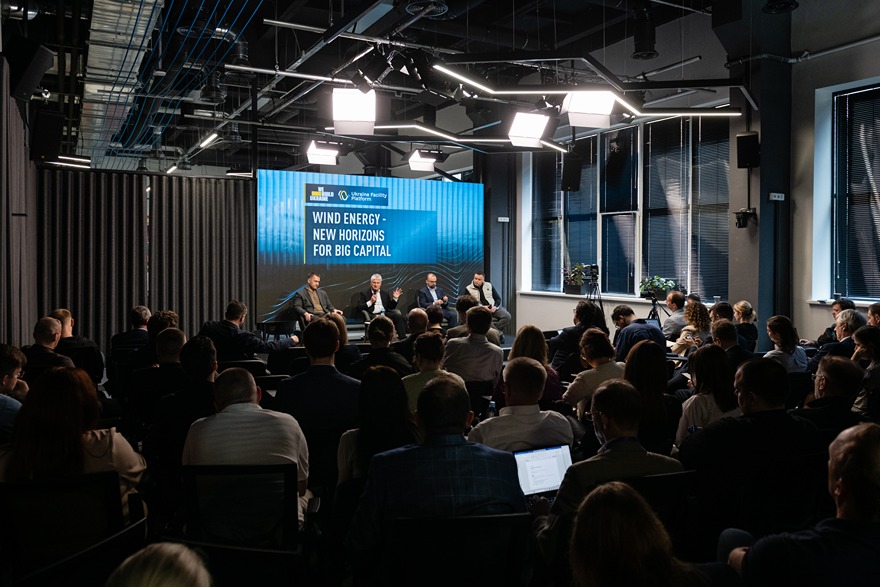
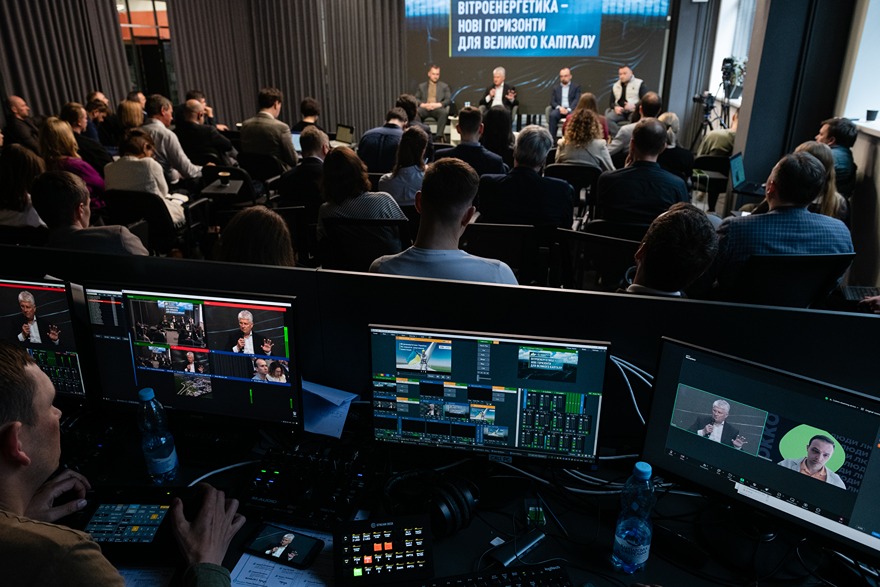
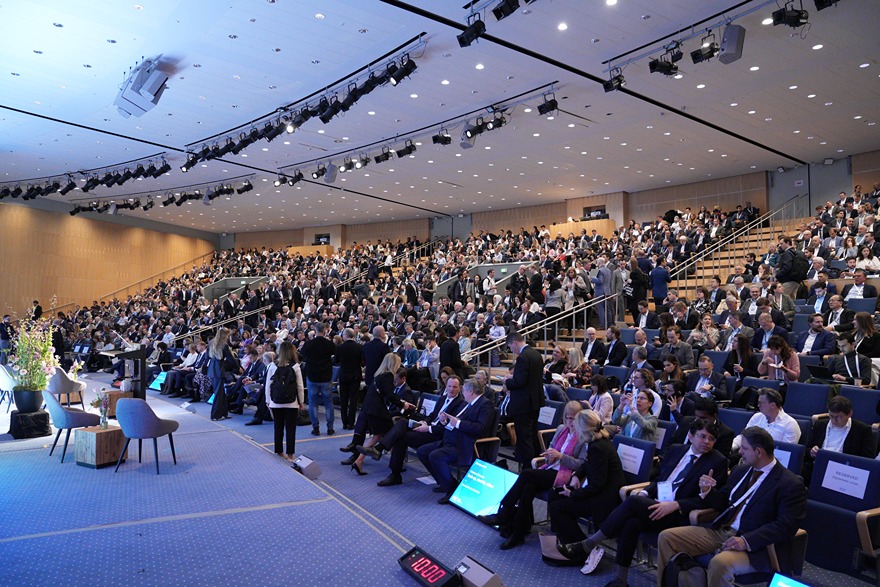
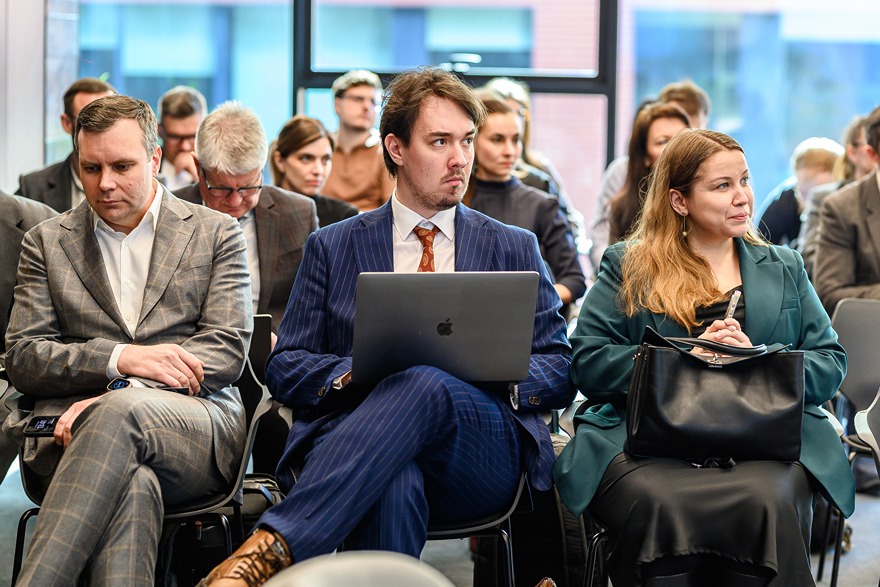
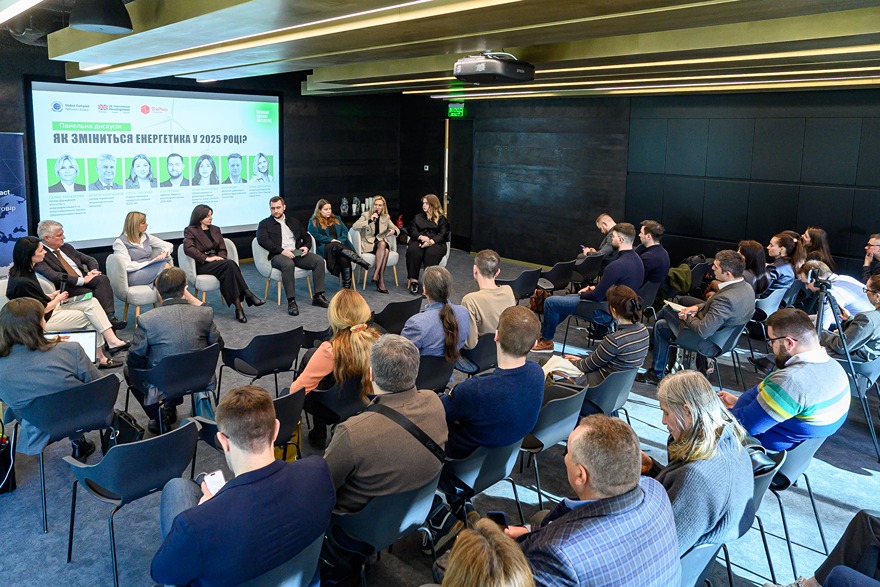
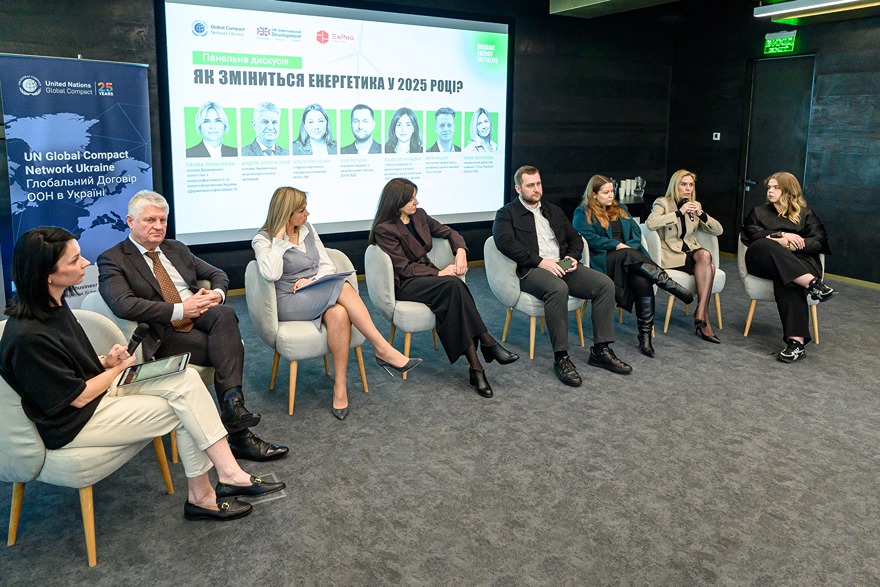
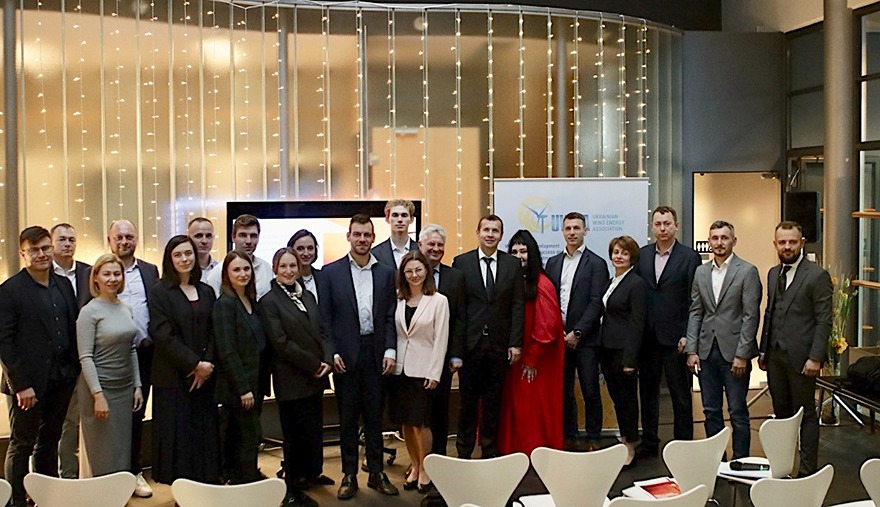
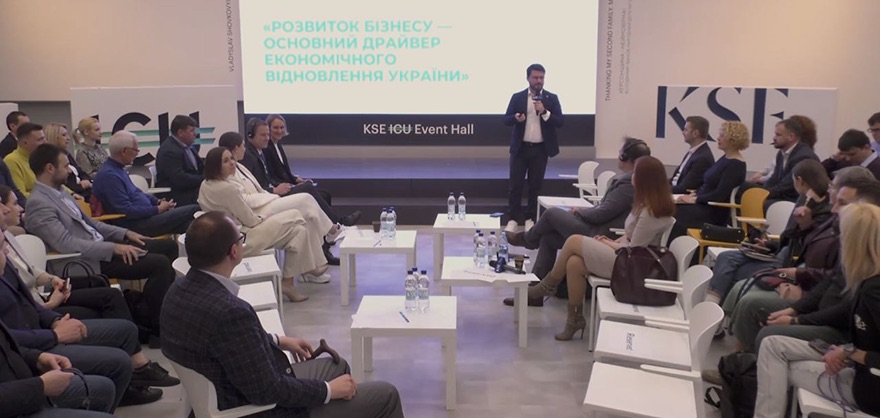
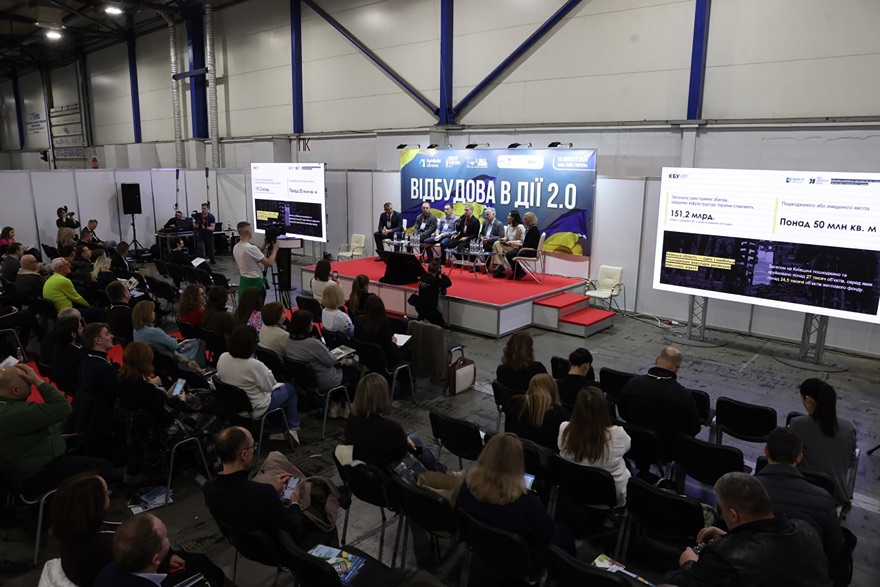
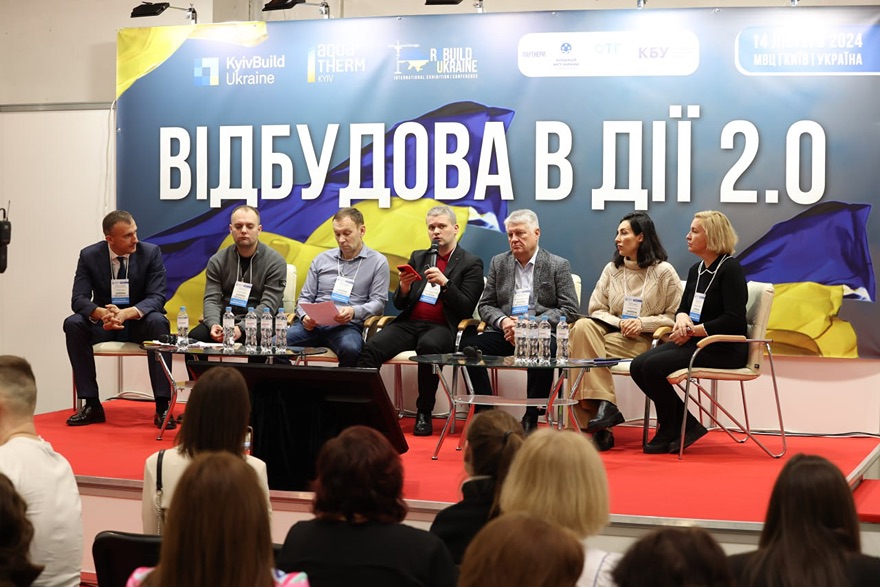
On April 27, 2026, Kyiv hosted Energy Storage Day 2026, the first industry conference in Ukraine dedicated to the energy storage system market. Held under the slogan "The New Architecture of the Ukrainian Power System," the event was organized by UWEA with the support of the Ministry of Energy of Ukraine, NEC Ukrenergo, and JSC Market Operator.
The figures announced at the conference opening are worth reflecting on. In 2023, Ukraine had zero megawatts of grid-connected energy storage installations. In 2024, there were only 2 MW. Today, we already have 600 MW. This is not gradual development. It is a rapid ascent that must not stop. Consequently, government representatives, business leaders, and international partners gathered in one hall to discuss next steps, modern challenges, and future prospects.
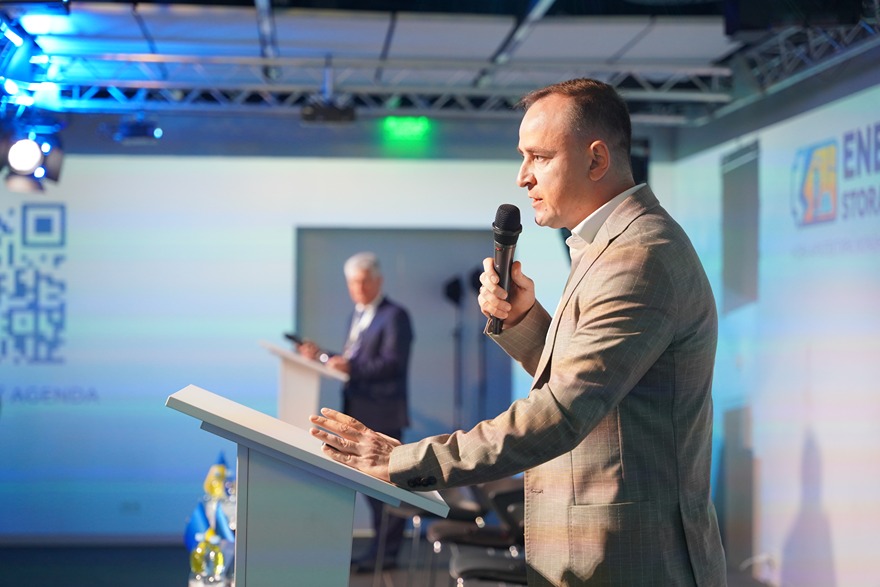
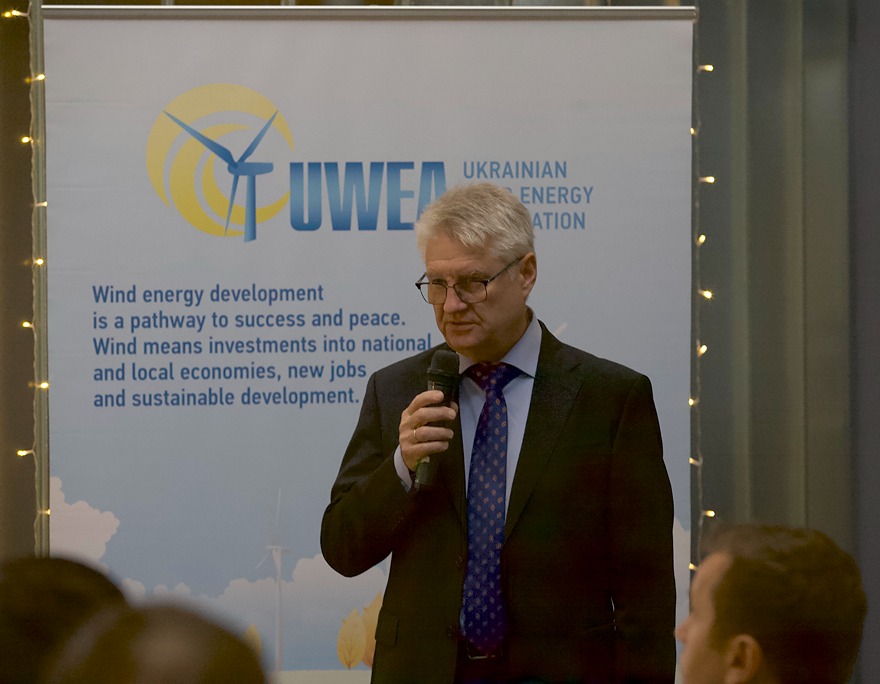
Opening Energy Storage Day 2026, Andriy Konechenkov, Chairman of the UWEA Board, emphasized: "We have gathered at a moment when the phrase 'energy storage' stopped being a technical term in highly specialized reports. It has become a strategic concept at the level of governments, parliaments, and financial institutions. One of the most important structural shifts happening right now is the transition from a centralized to a decentralized power system model. Since Soviet times, the energy sector was built on the principle of large stations, long lines, and a passive consumer. This principle has exhausted itself. For Ukraine, a country that has survived massive destruction of its centralized generation and transmission, decentralization is not just a situational choice. It is a matter of energy resilience and security."
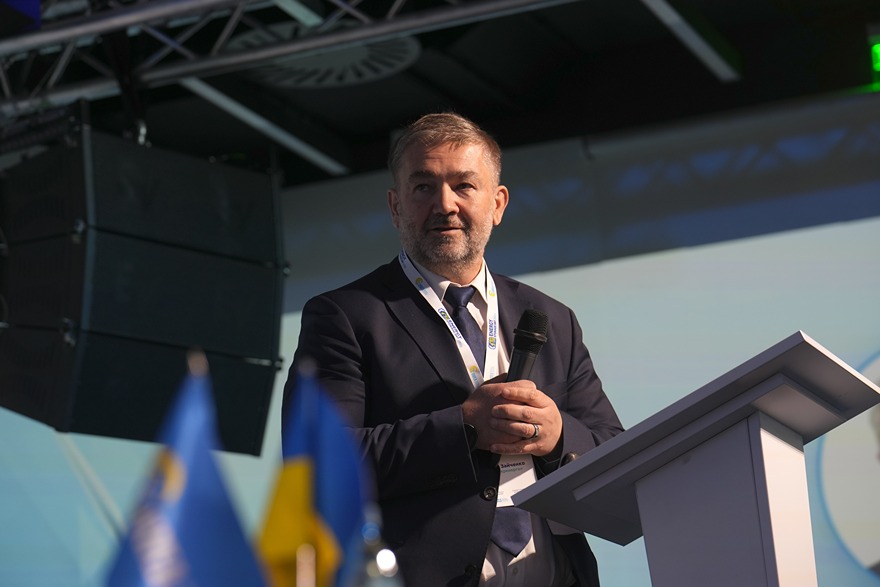
In his welcoming address, Artem Nekrasov, First Deputy Minister of Energy of Ukraine, outlined three practical dimensions where energy storage is critical: balancing the system after a deficit, integrating more renewables, and ensuring a rapid response to crises. "Dear colleagues, we did not choose this situation," he noted, explaining that the conditions of war accelerated a transformation that would have otherwise taken decades. Today, Ukraine is part of the European power system and remains the most dynamic market in Europe. The state understands the needs of businesses. They require clear rules of the game, project bankability, and risk reduction. "We are looking for partners who understand they are entering a new market and are ready to build the new energy sector of Europe. We are open to dialogue, ready to consider your proposals, and eager to help implement them," he highlighted. Nekrasov specifically addressed community representatives, noting that for them, ESS means autonomy and the resilience of social infrastructure. It is a real opportunity to survive a crisis without blackouts.
In turn, Vitaliy Zaichenko highlighted the scale of changes happening globally in the power system, noting that ESS is an integral part of this process. "Unfortunately, war happened, and the country moved to a rapid transition since our power system was quite concentrated," Zaichenko emphasized. The Ukrenergo auctions for 1.4 GW launched the market. "This is a technology that will evolve and ultimately become economically viable," summarized the Chairman of the Board of NEC Ukrenergo, hinting that a 300 times growth over two years is likely just the beginning.
Andriy Gerus, Chairman of the Verkhovna Rada Committee on Energy and Housing and Utilities Services, stressed that the Ukrainian energy storage industry is a phenomenon literally being born right now. Even at the beginning of 2025, the installed capacity of energy storage systems in the country was 7,000 to 8,000 MWh, and even then, the market was moving not thanks to legislative incentives but despite their absence. Gerus named the rapid drop in technology prices as the main driver. This specific cost reduction made the business model viable, and a full-fledged project economy began to form around it. Under these conditions, the parliament's task is not to catch up with the market but to create a clear and predictable environment for years to come. In this context, he mentioned the market coupling law, which introduces new rules for electricity transmission, and expressed hope that increased market competition will eventually result in the development of a fully functional balancing system.
Oleksandr Gavva, Acting General Director of JSC Market Operator, drew attention to a distinct feature of the ESS market rarely voiced in public discussions: "Speaking about the energy sector, it is generally expensive. However, ESS stands out with a low barrier to entry starting from relatively small amounts, and we consider this a major positive." This very feature, in his opinion, explains why an increasing number of players from other economic sectors are entering the industry, bringing along new competencies and fresh capital.
The conference program was designed as a progressive deep dive, moving from general principles to specific details, and from today's realities to tomorrow's horizons.
The first session set the systemic framework, exploring how ESS, wind generation, and balancing truly coexist in a rapidly changing market. Representatives from NEC Ukrenergo, JSC Market Operator, KNESS Energy, and Elementum Energy deconstructed this issue together. It is a question that concerns the entire market and still lacks a single definitive answer.
The second session logically continued this conversation on a practical level. It examined the path that completed projects have taken from the initial deal to a working asset. Companies with practical market experience, including KNESS Group, DTEK Renewables, Eco-Optima, Acumen, and Huawei, shared their insights on the difficulties faced and what newcomers should consider before entering the industry.
The third and fourth sessions represented two sides of the same coin: how to keep growing and at what cost. On one side are the challenges of scaling up. The market already has 600 MW and is heading toward 1,000 MW by the end of the year. However, transitioning to gigawatt volumes requires systemic solutions, which participants from VOLTAGE, IKNET, Ukraine Facility Platform, and Elementum Energy discussed candidly. On the other side is financing, without which scaling is impossible. Here, the picture is much more optimistic. Bank financing for ESS is no longer exotic. Both state and private banks are now ready to invest in hybrid renewable and ESS projects as well as standalone storage units. Representatives from Ukreximbank, EBRD, Horizon Capital, Negen, and CMS Ukraine spoke about this readiness.
The fifth session wrapped up the day with a focus on green hydrogen as a long-term storage solution and its place in the new power system architecture. A topic recently seen as a distant horizon is now being discussed with concrete substance. Experts examined hydrogen's role in system balancing, its integration into the European energy market, and what it takes for Ukraine to become part of this value chain, acting as a full-fledged player rather than a mere observer.
A separate and symbolically important event of the day was the ceremonial signing of a memorandum of partnership and cooperation between the Public Union "Ukrainian Wind Energy Association" and the National Technical University "Dnipro University of Technology."
The document lays the foundation for systemic collaboration between the cross-sectoral association and one of the country's leading technical universities, primarily focusing on training specialists for the renewable energy and ESS markets.
The context of this signing speaks for itself. A market that has grown 300 times in two years cannot afford a shortage of competent personnel. Business is scaling faster than universities can prepare engineers, lawyers, and financiers who understand the industry's specifics. If Ukraine truly aims to become a center for clean energy production and storage for Europe, its regulatory framework and technological education system must develop in parallel.
Energy Storage Day 2026 took place thanks to the support of companies and organizations that share a common belief: developing the storage market is not just a business opportunity but a matter of national energy sovereignty.
UWEA expresses its sincere gratitude to the strategic partner KNESS, financial partner Ukreximbank, organizational partners Altelaw&Sempra and H2-diplo, and all event partners: UDP Renewables, VOLTAGE, LCF, Huawei, Elementum Energy, ATLAS Energy, CMS Ukraine, and IKNET. Special thanks go to the media partners Interfax-Ukraine, Energoreforma, ExPro, mind.ua, and the League of Energy Development of Ukraine, who helped convey the importance of this event to a broad audience.
Energy Storage Day 2026 marked the moment the storage market in Ukraine finally reached maturity. The industry has evolved from wondering whether this is even possible in Ukraine to asking completely different questions about scale, financing, workforce, and long-term integration into the European market. This is a fundamentally different level of conversation. The fact that these discussions are already happening openly, involving ministries, the system operator, international banks, and universities, is the best indicator that the industry is moving in the right direction.
Scaling up, new projects, and new challenges lie ahead. UWEA will continue to serve as the platform where the industry meets, negotiates, and moves forward.


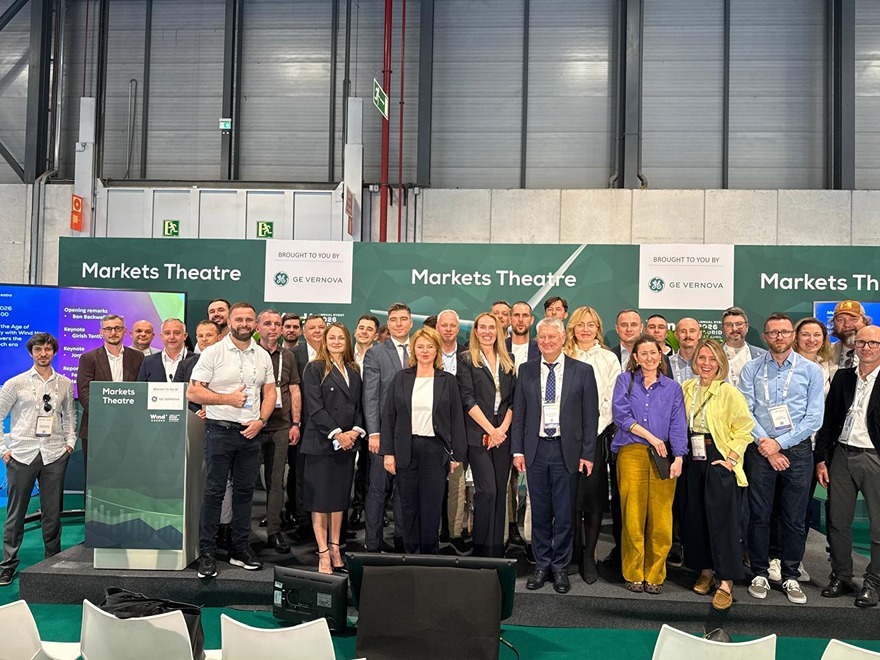
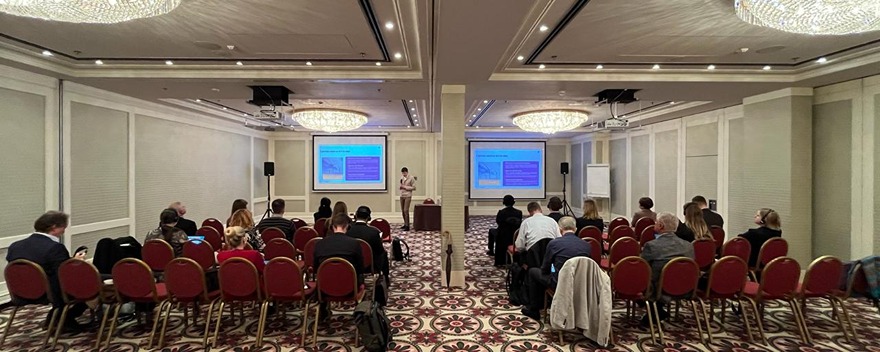
On 21 April 2026, as part of the WindEurope Annual Event 2026 in Madrid, the UWEA hosted a panel discussion – “Human Capital as the Key to RES Development in Ukraine,” dedicated to the role of human capital in advancing the renewable energy sector.
The session was moderated by Ivan Bondarchuk, First Deputy Chairman of the Board of the Ukrainian Wind Energy Association and Partner at LCF Law Group. The discussion brought together representatives of development companies, international equipment manufacturers, and human resource experts—all members of the UWEA.
According to Alina Shyshkina, Deputy Executive Director at ETG.UA, Ukraine currently retains a sufficient basic workforce in construction for small and medium-sized projects up to 100 MW. However, the market is already experiencing a noticeable shortage of specialists in more complex segments—namely engineering, electrical works, commissioning, and operational management of wind farms. As a result, the availability of qualified personnel is increasingly factored in by developers and investors as a distinct risk when making investment decisions and reaching the FID stage.
Olena Umanets, Director at Navitas Renewables Ukraine, emphasized that the Ukrainian renewable energy market requires the scaling up of local teams to accommodate the growing volume of new projects, particularly the portfolios scheduled for construction starting in 2027. Meanwhile, the level of qualification and practical experience of personnel remains a key challenge, directly impacting the quality and timelines of project implementation. In this context, developing local training and capacity-building programs for specialists in Ukraine must become a market priority.
Anzhela Pradun, Director at Vestas Ukraine, highlighted that the certification of contractors and the expansion of warranty or service obligations are directly linked to risk management and quality assurance. For local companies to integrate into the company’s service and installation ecosystem, they must adhere to strictly defined technical and safety standards, complete certified training programs, possess a proven track record in project execution, maintain effective HSE processes, and undergo regular audits and quality control. Provided these conditions are met, Vestas is open to certifying local contractors and deepening cooperation with them.
In turn, Sarah Petrycer Hansen, Head of the Danish organization Mentor to Impact, stressed that the development of renewable energy sources is inextricably linked to high-quality specialist training for the sector, with a focus on educating students and reskilling professionals transitioning into renewables. According to her, the key to solving the workforce shortage lies precisely in consolidating the efforts of all market players – from state institutions and private companies to the NGO sector.
Summarizing the discussion, Ivan Bondarchuk noted that the development of renewable energy in Ukraine increasingly depends not only on financing or the regulatory environment but also on the availability of high-quality human capital. He pointed out that the market is already facing constraints regarding the availability of qualified personnel, which is beginning to impact project timelines and economics, and therefore must be accounted for as a full-fledged risk factor. Ultimately, an effective response to this challenge is only possible through coordinated cooperation among all market participants—focusing on systemic development, training, and reskilling of personnel in Ukraine.

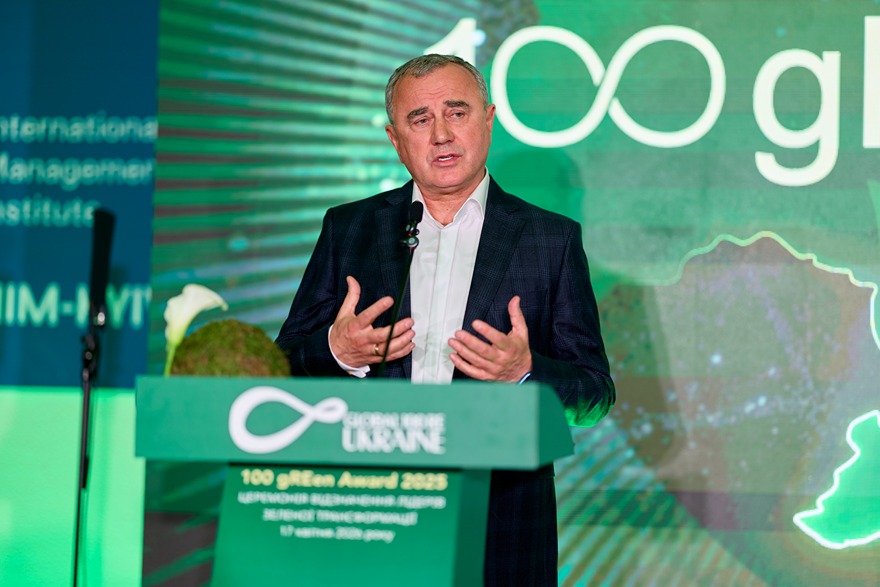
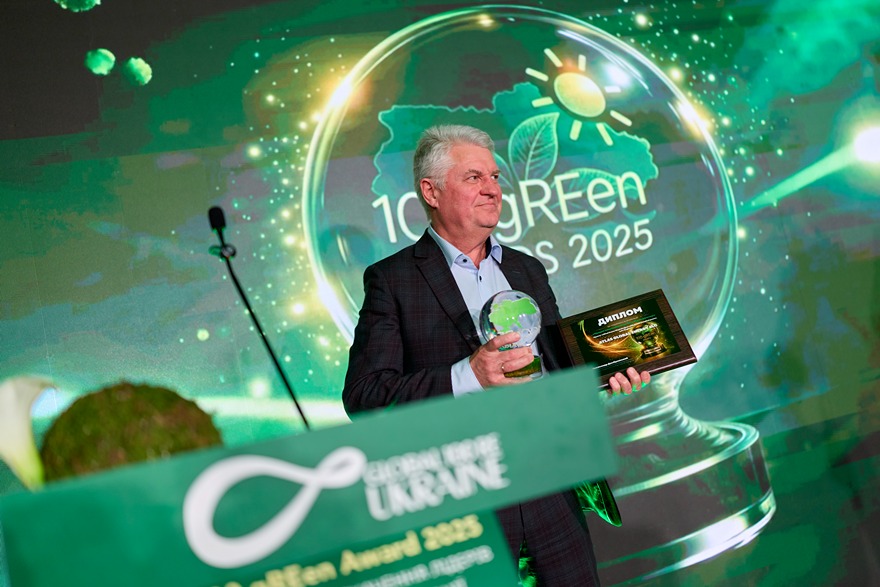
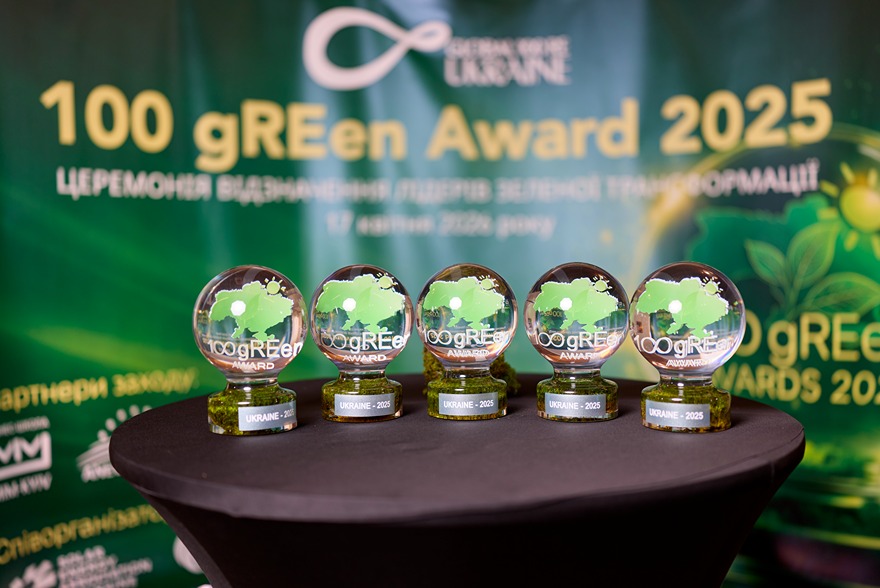
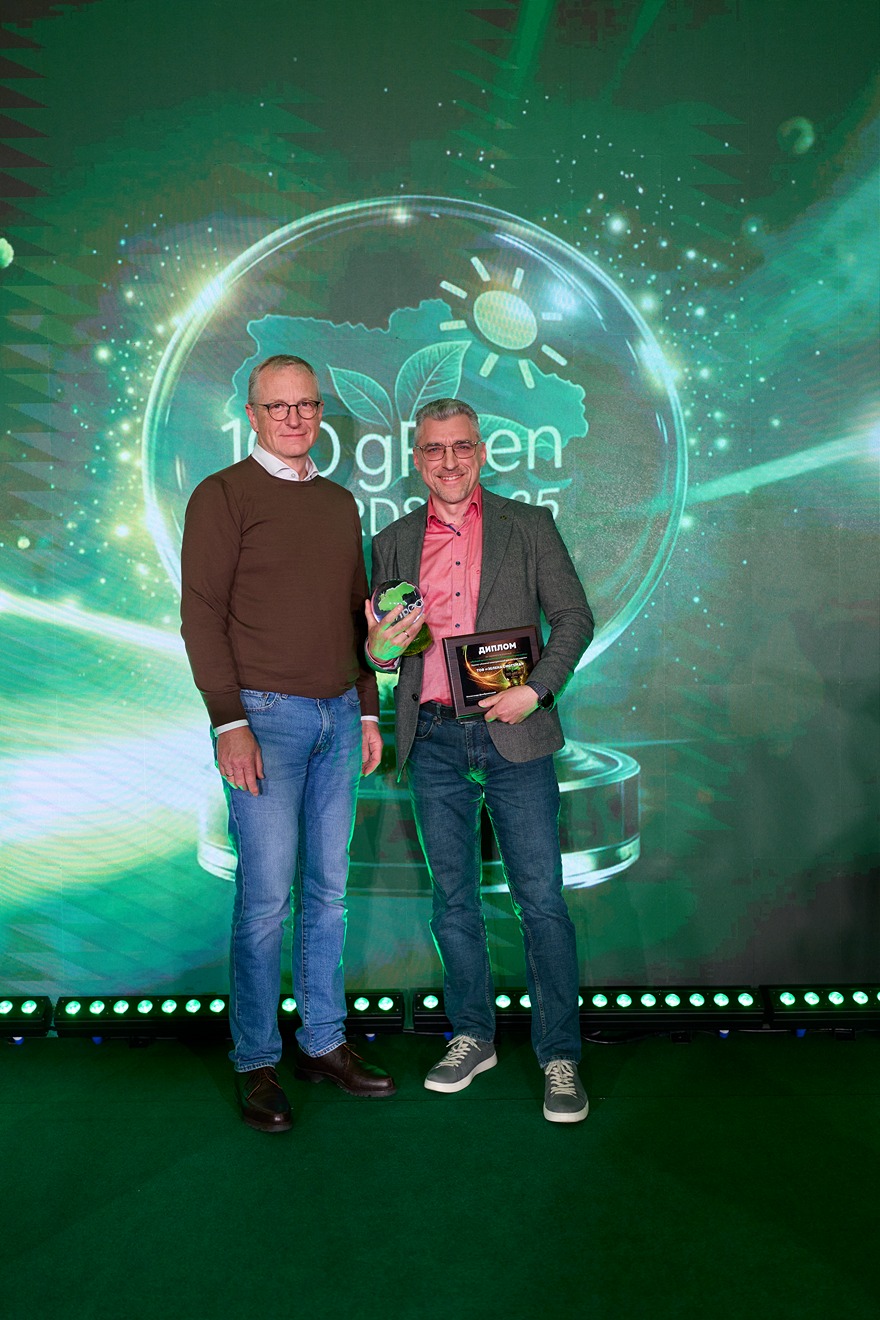
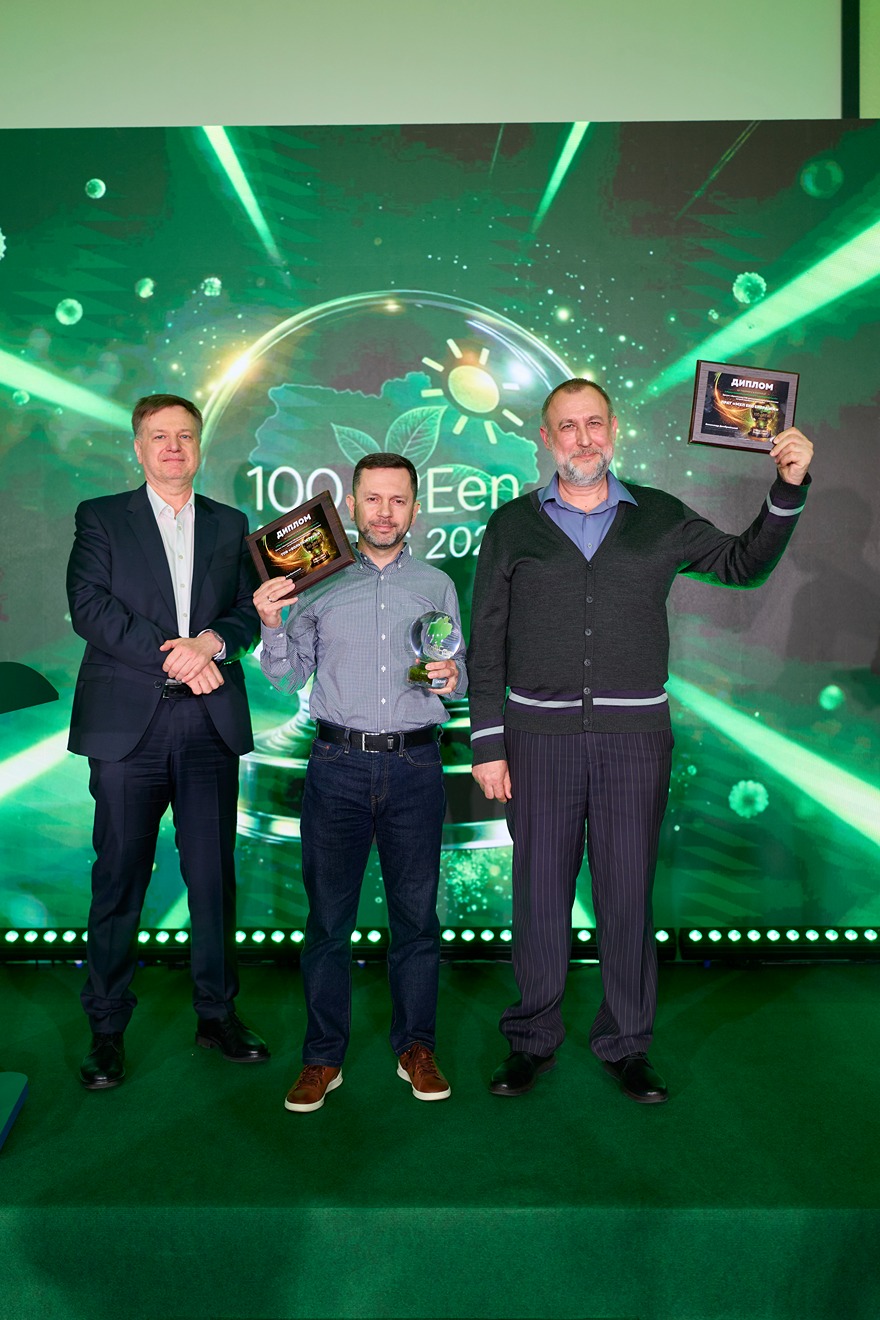
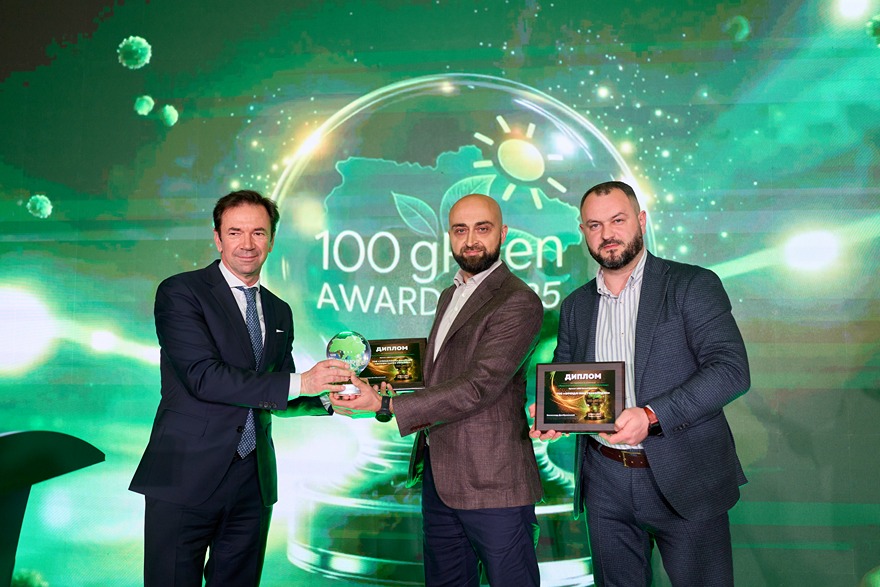
Last week, on 17 April 2026, Kyiv hosted a landmark event for the Ukrainian renewable energy market – the official 100 gREen AWARD-2025 ceremony. This marks the first time Ukraine has established a national award to recognize excellence in implementing green transformation projects across wind and solar power, energy storage, bioenergy, and energy efficiency.
This year, 18 projects from across Ukraine were named laureates — ranging from industrial enterprises to university campuses, and from municipal water utilities to wind farms in the Carpathian Mountains. They all share a common trait: these are not merely plans or concepts, but real, operational solutions that are already reshaping the country’s energy landscape.
As a co-founder of Global 100 RE Ukraine – a platform uniting leading industry associations to facilitate Ukraine’s transition to 100% renewable energy – UWEA is especially proud to announce that five of the 18 laureates are our member companies.
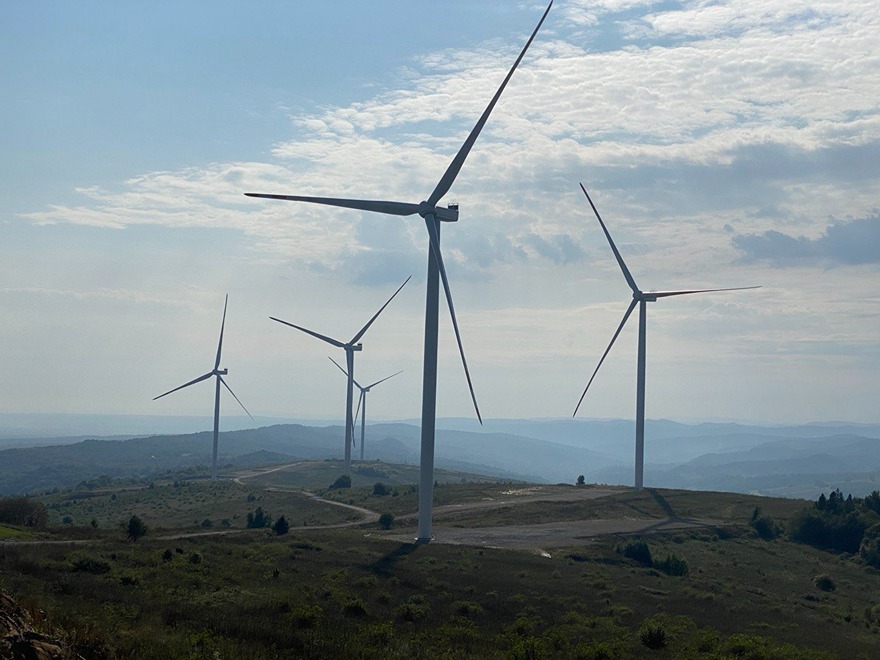
Wind Parks of Ukraine – "Nyzhni Vorota" Wind Farm “Leader of Regional Wind Energy Transformation”
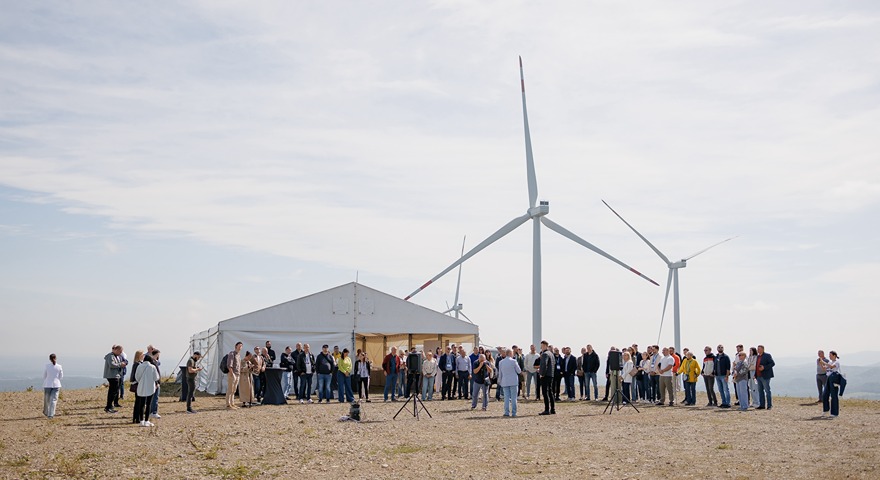
This award recognizes courage and perseverance. The Nyzhni Vorota Wind Farm is the first wind power plant in the history of the Zakarpattia region — a territory where wind energy previously existed only on potential resource maps. Delivering such a project amidst a full-scale war is a testament to the team’s resilience and their unwavering faith in the future of the Ukrainian energy sector.
VOLTAGE Group – Megawatt-Class Industrial Energy Storage “Leader in Industrial Energy Storage”
While wind and solar generation are the heart of renewable energy, energy storage serves as its nervous system. VOLTAGE Group has implemented a megawatt-class industrial Battery Energy Storage System for a manufacturing company's internal needs, successfully pairing renewable generation with operational stability. Such projects demonstrate that green energy is no longer just about ecology, but about business reliability and economics.
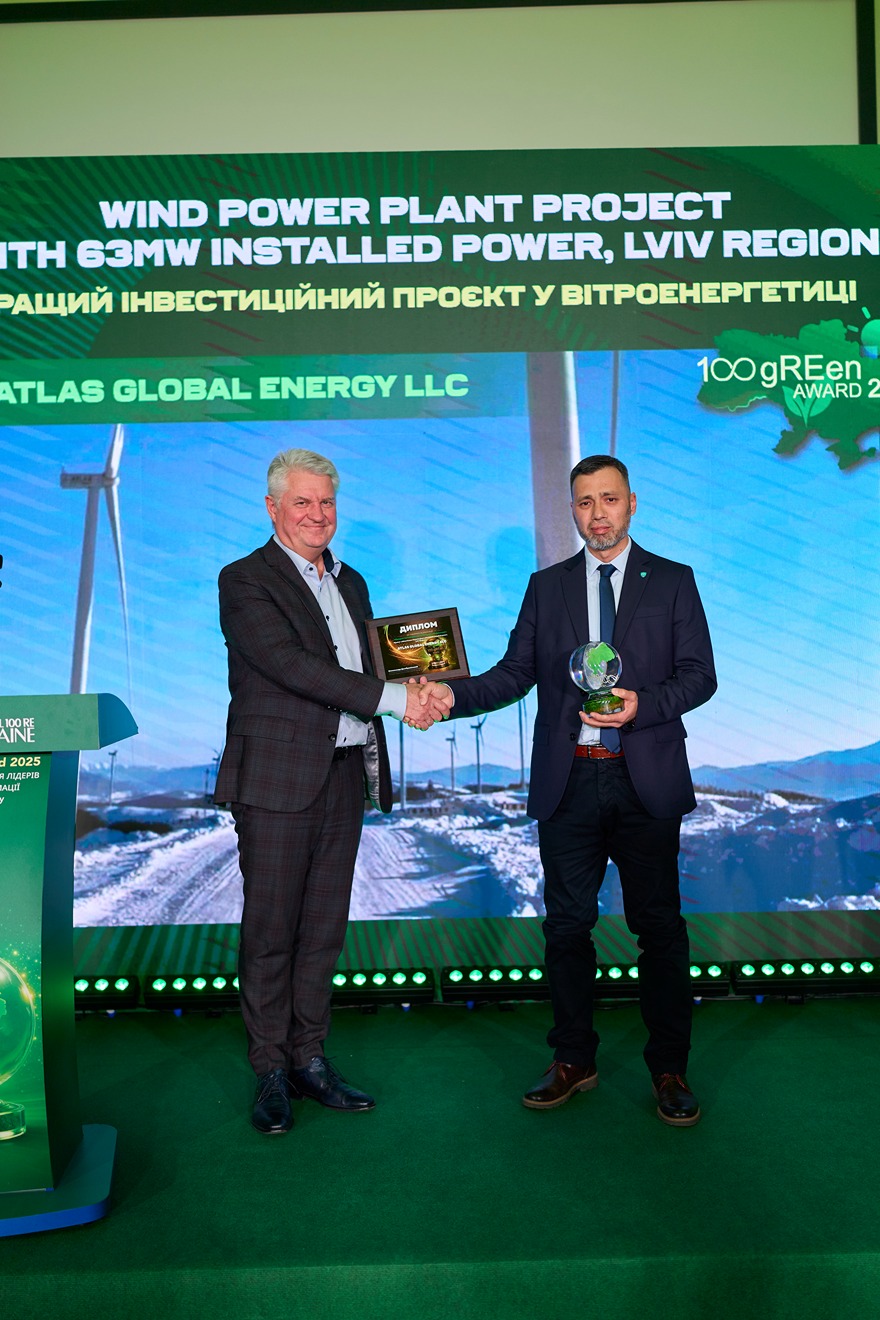
Atlas Global Energy – 63 MW Wind Farm, Lviv Region “Best Investment Project in Wind Energy”
Launching 63 MW of installed capacity in the Lviv region during active hostilities is a powerful signal to the international community: Ukraine remains a viable market for large-scale renewable energy investments. Projects like this represent more than just megawatts; they build trust, reputation, and future opportunities for the entire industry.
GREEN SYSTEM – Solar Network for 10 Kindergartens “Best Clean Energy Project for Pre-school Education”
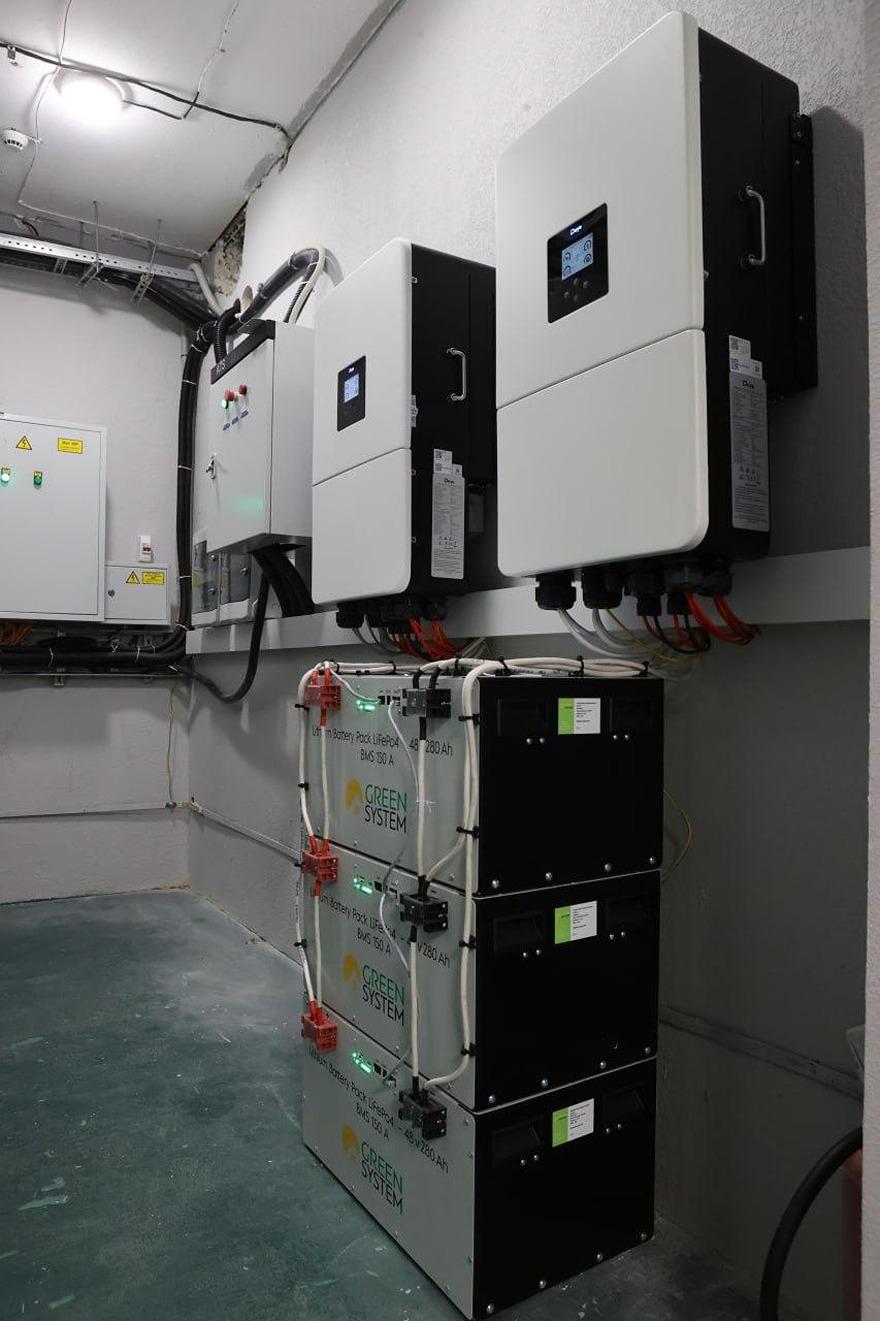
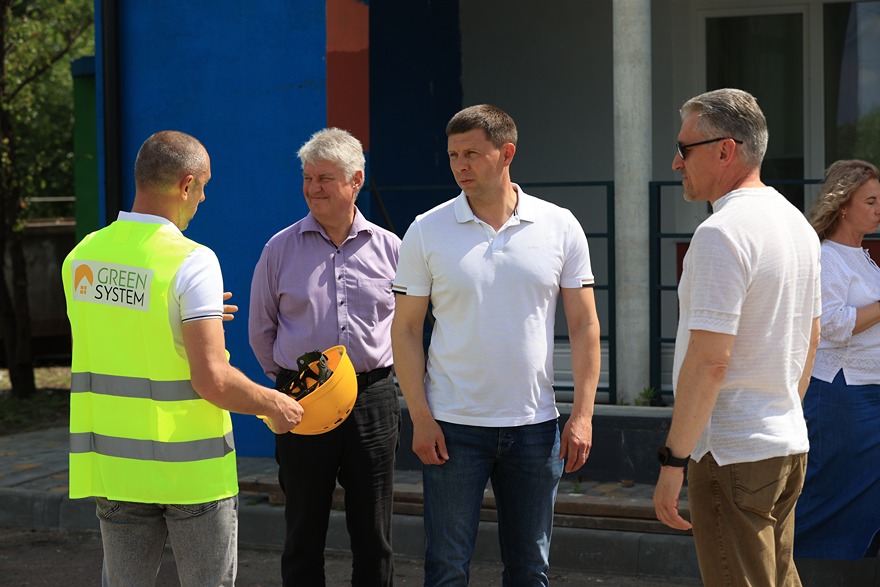
Energy independence for educational institutions is about more than just renewables; it is primarily about children’s safety and the stability of social infrastructure during outages. Ten kindergartens in the Bucha and Myrhorod communities will now be powered by solar energy. To ensure a reliable supply, these solar systems are integrated with GREEN SYSTEM energy storage solutions. This is a prime example of technology serving communities where it matters most.
KNESS – Energy Storage Portfolio with over 140 MWh total capacity “Leader in Energy Storage / Enhancing Grid Flexibility”
Rounding out our five winners is KNESS, with one of the largest energy storage portfolios in Ukraine. Seven energy storage facilities are already operational, and since October 2025, they have been providing ancillary services to the power system. This is not a pilot or a test; it is a fully functional new infrastructure that enhances grid flexibility and paves the way for further scaling of renewable generation.
Five distinct projects, various sectors – yet one shared logic: building the Ukrainian energy of the future today, against all odds.
We sincerely congratulate the teams at Wind Parks of Ukraine, VOLTAGE Group, Atlas Global Energy, GREEN SYSTEM, and KNESS on this well-deserved recognition! We are proud that such companies are part of UWEA, and we are confident that this is only the beginning of a great journey.


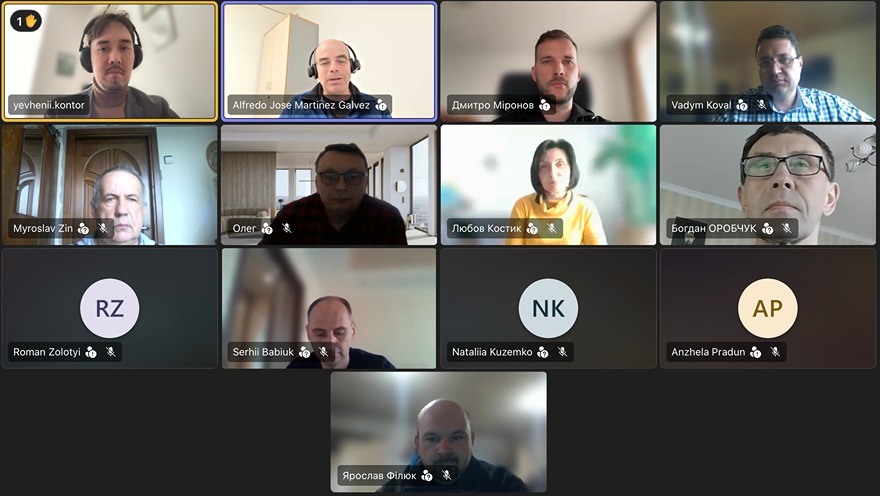
As a first concrete step under the Memorandum of Understanding and Cooperation signed between the Ukrainian Wind Energy Association (UWEA) and Ternopil Ivan Puluj National Technical University (TNTU) on 06 April 2026, a training workshop was held for faculty members of the Department of Electrical Engineering, Department of Computer-Integrated Technologies, and Department of Automotive Transport and Logistics.
The workshop was conducted by Vestas, a global leader in wind turbine manufacturing. Over the course of six hours, university faculty had the opportunity to deepen their expertise in wind energy technologies – spanning the evolution of wind power installations and technical specifications of various platforms, through to key turbine components, safety systems, hydraulics, controls, and SCADA communications.
The session was delivered by Alfredo José Martínez, an instructor at the Vestas MED Service & Construction Academy, a specialist with extensive experience in wind farm maintenance and construction.
Andriy Konechenkov, Chairman of the Board, UWEA: “The development of wind energy in Ukraine is impossible without the quality training of specialists. Signing the memorandum with TNTU is our joint contribution to the industry's human capital. When leading global manufacturers like Vestas bring their knowledge directly into university classrooms, we are laying the foundation for an entire generation of Ukrainian wind energy professionals.”
Angela Pradun, Director of Vestas Ukraine: “Developing Ukrainian human capital is one of Vestas’ strategic priorities. In partnership with the Ukrainian Wind Energy Association, Vestas has taken an important first practical step toward advancing this objective.
The company was encouraged by the strong interest demonstrated by the University community and the high level of engagement during the workshop, reflected in the thoughtful and substantive questions raised by participants.
Vestas remains open to continued cooperation in the dissemination of wind energy knowledge and training, as well as joint efforts in upskilling and reskilling Ukrainians as wind energy technicians, supporting Ukraine’s reconstruction and its transition toward a sustainable, resilient, and energy‑independent future.”
Vadym Koval, Head of the Electrical Engineering Department, TNTU: “For our university, collaborating with the global leader in wind energy is a unique opportunity to align our educational process with real industry requirements. The Vestas seminar demonstrated how rapidly technologies are evolving and how crucial it is to train specialists capable of working with modern equipment from day one. We strive to ensure that our graduates possess not only a strong theoretical foundation but also a clear understanding of the practical aspects of wind turbine operation — ranging from safety protocols to digital control systems. This partnership opens up new prospects for upgrading our laboratory facilities, introducing specialized courses, modernizing our curricula, and establishing a true hub for wind energy workforce training in Ukraine.”
Building strong ties between academic institutions and the real economy is one of the key priorities for the sustainable development of the sector. The memorandum between UWEA and TNTU provides for continued, systematic cooperation in the areas of education and human capital development within the renewable energy sector in Ukraine. This will enable Ukrainian universities to integrate practical case studies into their curricula, keep pace with the latest advances in renewable energy technology, and prepare graduates who meet the demands of the modern market.
UWEA extends its gratitude to Vestas for its proactive approach and support. It was Vestas that took the initiative to engage in this process and share its expertise. This commitment from a global wind energy leader is an outstanding example of how responsible business helps shape a new generation of energy professionals who will rebuild our energy system.

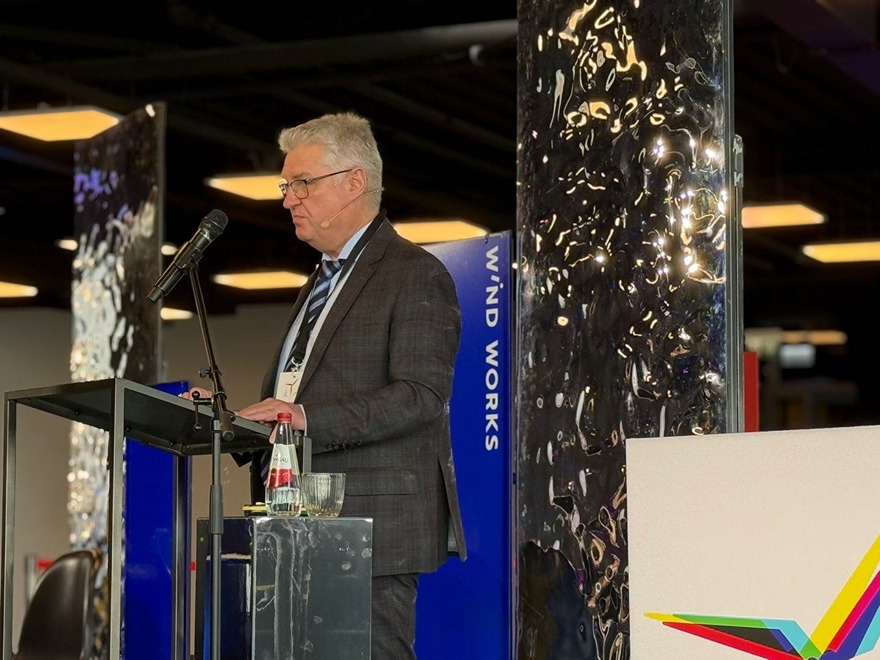
Wind Works – the name of the largest wind energy conference in the Baltic region, which is held annually by three wind energy associations from the Baltic countries. The focus of this year’s event, which was successfully held on April 9 in Riga, the capital of Latvia, was on issues related to the role of wind energy in ensuring countries’ energy security.
In close cooperation with the Latvian transmission system operator AST and with the participation of NPC Ukrenergo, strategic and practical aspects of strengthening energy resilience in the Baltic region were discussed, along with the experience gained by Ukraine since the beginning of the war unleashed by russia against our country.
Wind energy can become the foundation of energy security for the Baltic countries, strengthening independence from energy carriers and geopolitical processes. “Local” sources of energy also help in lowering electricity prices for consumers – this was said by industry experts from Latvia, Estonia, Lithuania and other European states.
“The dialogue with citizens on the necessity of developing wind energy is one of the challenges for the industry evolution in Latvia, – declared Kaspars Melnis, Minister of climate and energy of the Latvian Republic. – The current European energy crisis allows to better explain the need for energy production in Latvia from local energy sources, which could help to maintain independence from fluctuations in energy prices caused by geopolitical events”. Emphasizing the importance of cooperation between the Baltic states in ensuring energy security, especially regarding the repair of infrastructure damage, he stated: “We have NATO standards, they are the same for everyone. Perhaps, we should also talk about the standards in the energy?”, said the Minister.
The experience of Ukraine in ensuring energy resilience proved to be of particular interest to the conference participants. The Chairman of the Board of the Ukrainian Wind Energy Association, Andrii Konechenkov, shared that the Ukrainian energy policy has been influenced by the Soviet heritage for a long time. Its main principle was decentralization – a single system across the state. However, the annexation of Crimea in 2014 and armed conflict in Donbass have forced to reconsider this strategy, starting the construction of wind power plants (WPP).
“With the beginning of the full-scale invasion russia has been systematically attacking Ukrainian energy infrastructure. As of today, all thermal power plants have been either damaged or completely destroyed. In winter, millions of Ukrainians have stayed without electricity and heat, hospitals switched to generators, the cities were living under outage schedules. This is how the centralized system looks like in the modern world”, – stated Andrii Konechenkov.
He emphasized that, due to the dispersed arrangement of wind turbines within a wind farm, destroying an entire wind power plant would require such a number of missiles that makes such a strike militarily pointless, unlike a thermal power plant, which is a single complex, and damage to a turbine or substation leads to the loss of the production capacity of the entire facility. “In addition, each turbine is an autonomous generator: if one is damaged, the system continues to operate. This is distributed resilience. Decentralization as a principle of security – and it is precisely this principle that we are now consciously embedding into the foundation of Ukraine’s new energy strategy,” said Andrii Konechenkov.
During the international wind energy conference “Wind Works 2026,” a memorandum was also signed on the establishment of a Strategic Baltic Alliance, aimed at accelerating the development of green energy in the region. It was signed by several international companies, including those from Germany, Finland, and Denmark. One of the most important development directions is the project to build a hydrogen production plant in Liepāja, which could significantly influence the development of the energy sector in the Baltic Sea region.


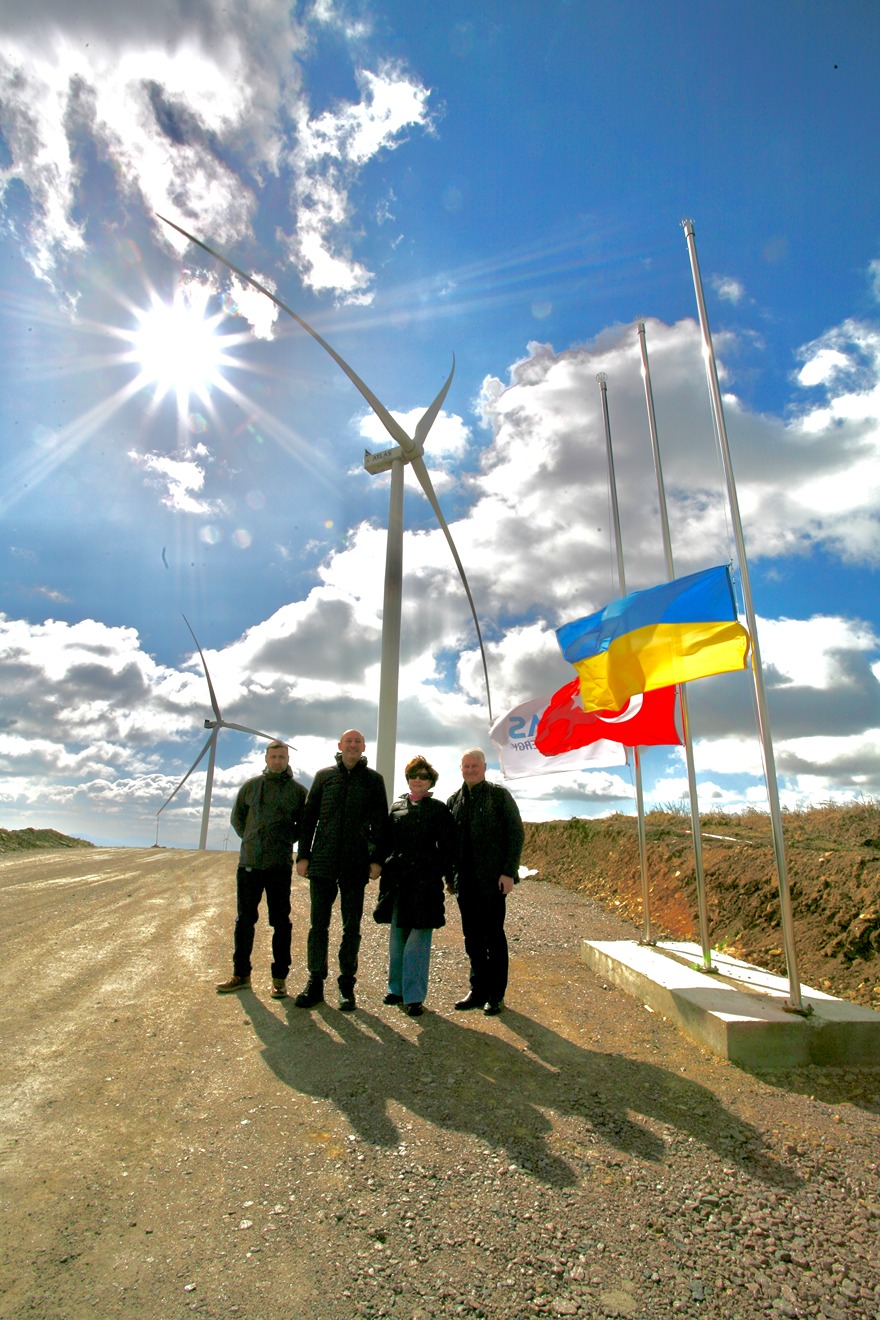
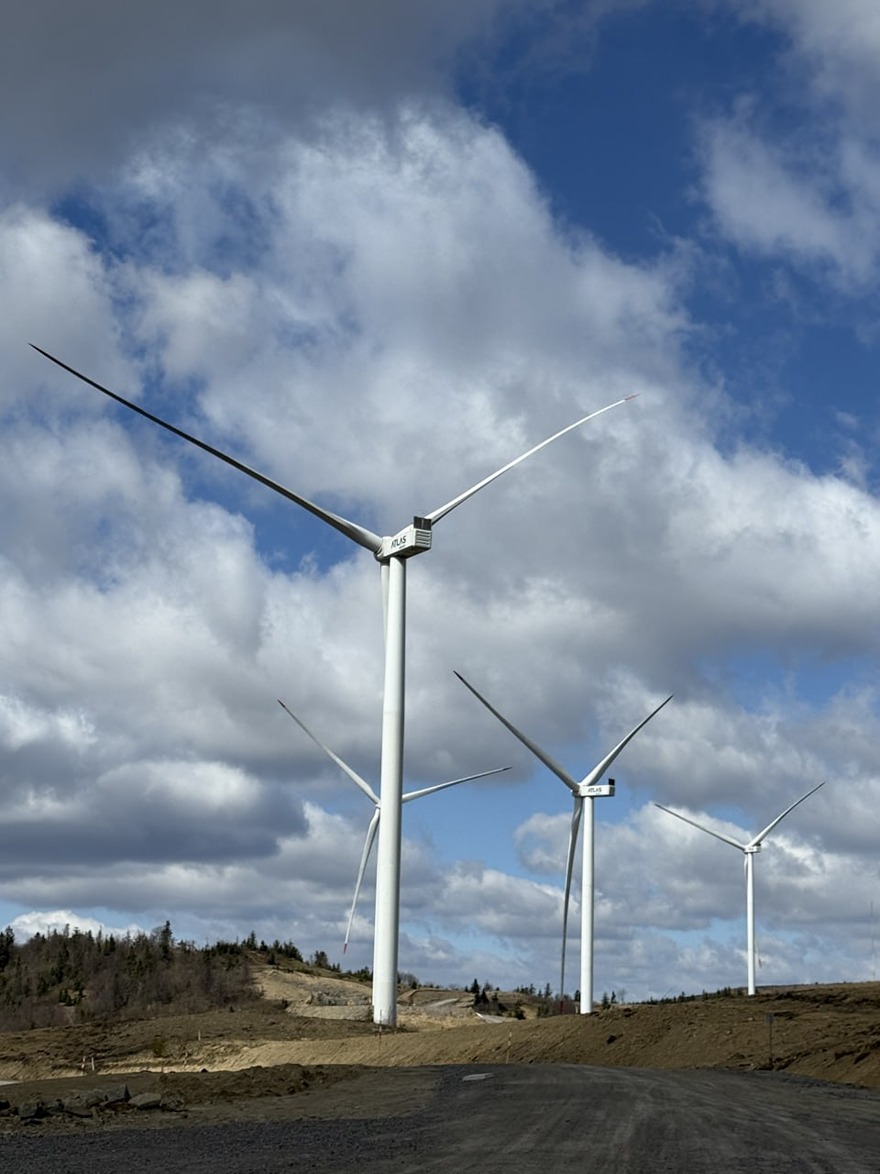
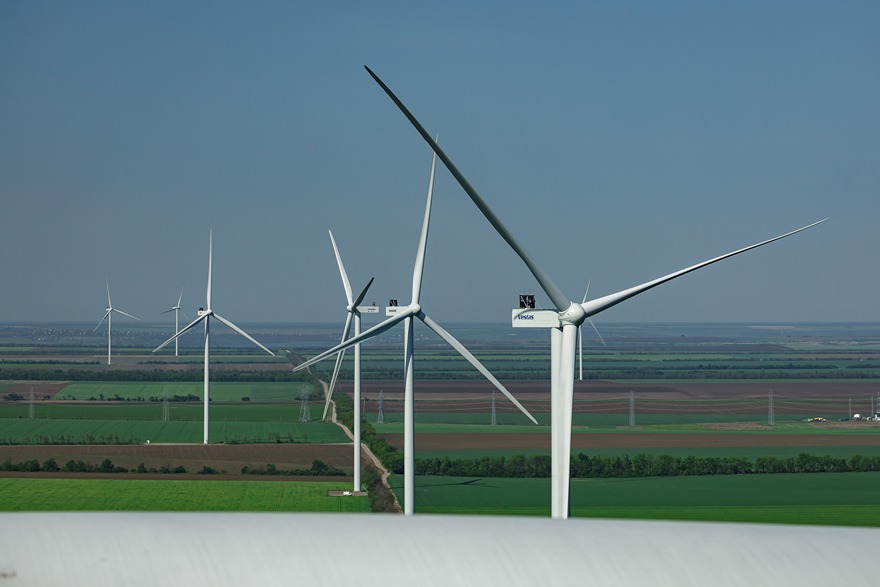
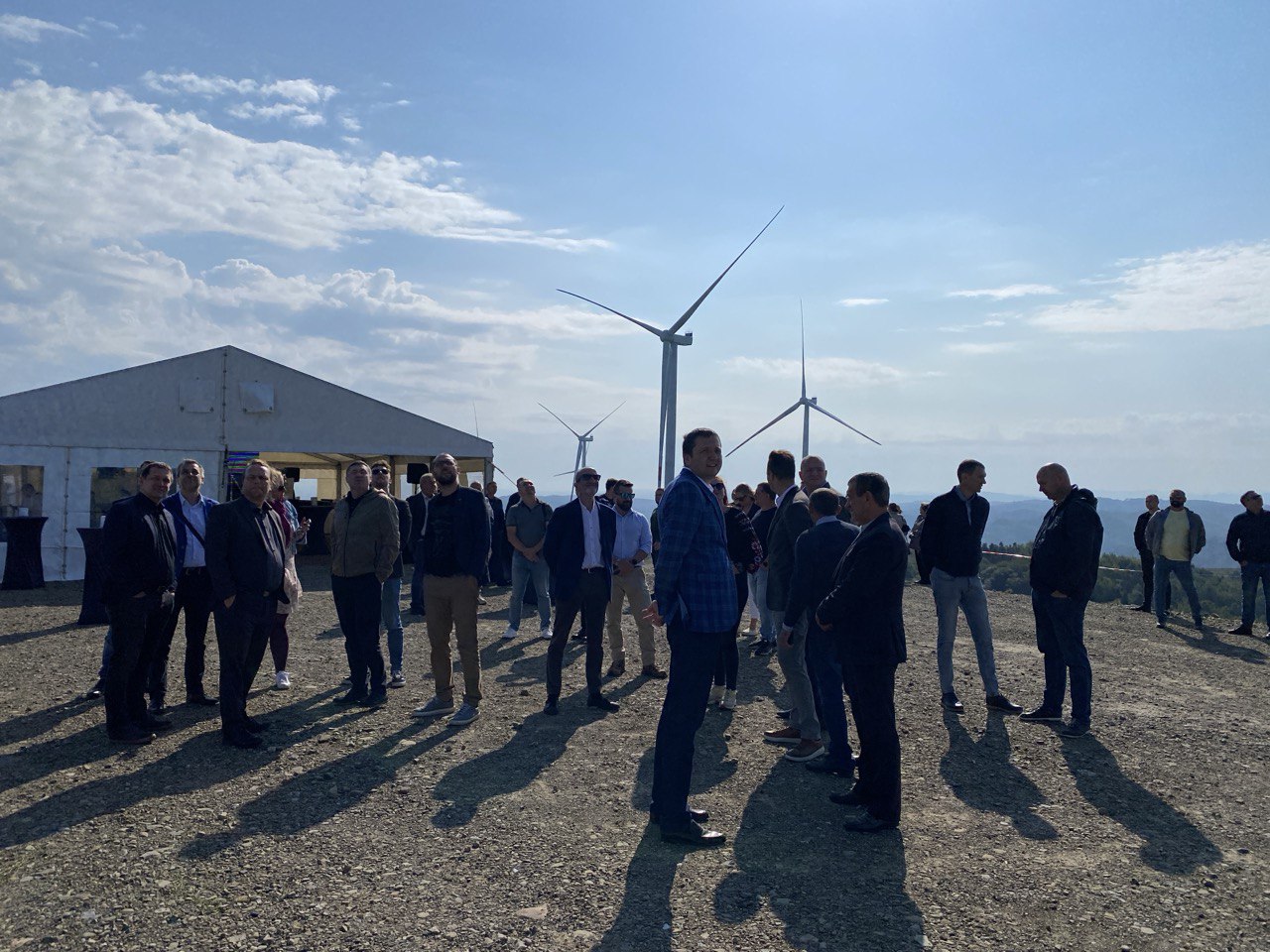
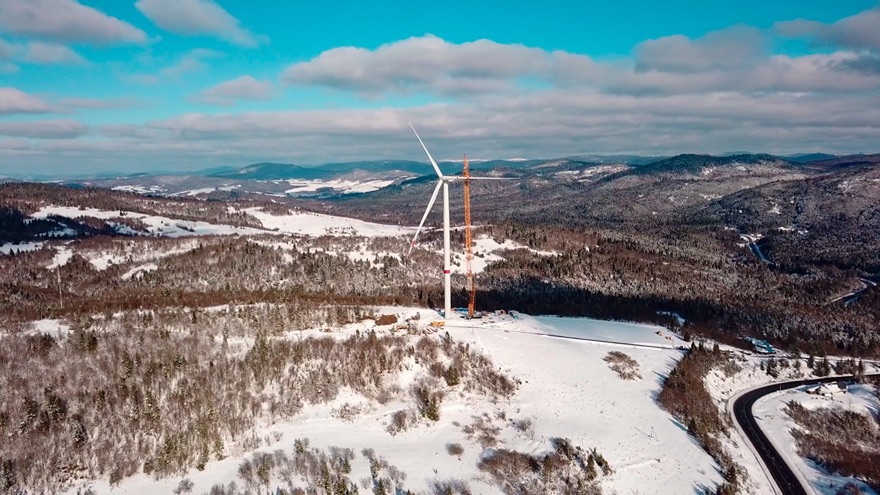
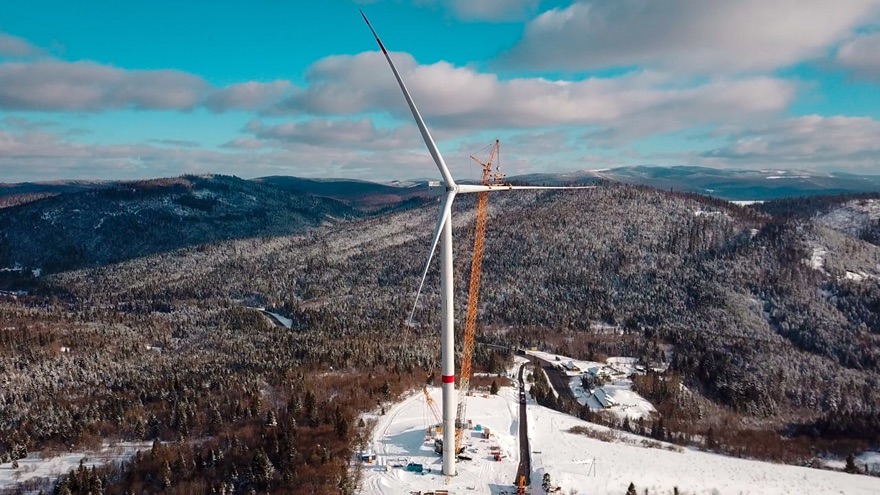
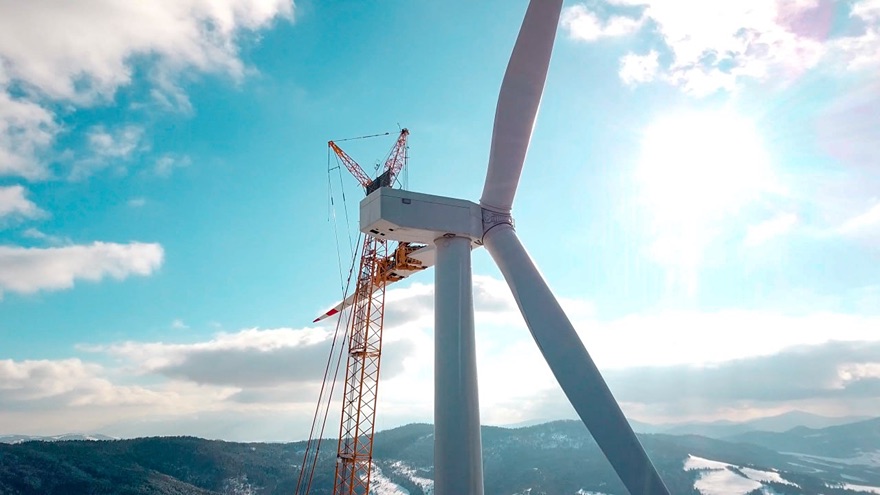
Despite all the challenges of full-scale war, Ukrainian wind energy continues to develop and attract international investment. The Skole Wind Farm project in Lviv Oblast is a striking example of how advanced technologies are driving the development of a new energy landscape in Ukraine.
What makes this wind farm unique is its scale and innovation: the project features 9 Nordex N163 wind turbines with a capacity of 7 MW each, making them the most powerful in Ukraine to date. The station's total capacity reaches 63 MW, and its launch signals a clear commitment to building a modern, decentralized energy system. All of this has been made possible by Atlas Global Energy, which has been operating in the Ukrainian market since 2016 and holds a portfolio of wind and solar power projects exceeding 300 MW.
Atlas Global Energy views Ukraine as one of its strategic markets for long-term development. The combination of their expertise, investment capacity, collaboration with local communities, and local partnerships is shaping a new model for our energy sector — one that is resilient and attractive to investors.
Andriy Konechenkov, Chairman of the Board of UWEA, shared his impressions from the visit:
"This project, implemented by the Turkish company Atlas Global Energy, is truly landmark. Through it, Ukraine has received wind turbines of record individual capacity — 7 MW each — a scale we have never seen before. I want to sincerely thank our Turkish partners: despite the war and all the current challenges, you are investing in wind energy. Today, this is the most resilient and critically needed technology helping Ukraine overcome its energy crisis."
Onur Copcuoğlu, Director of Atlas Global Energy, noted:
"We are extremely pleased to welcome the leadership of the Ukrainian Wind Energy Association. The Skole Wind Farm is our first investment in Ukrainian wind energy, which makes it especially meaningful to us. We are proud of the successful completion of construction and of our ability to support the Ukrainian economy right now. Our company plans to remain here and continue developing new renewable energy projects in the years ahead."
The Skole Wind Farm project once again confirms that Ukraine is capable of delivering large-scale, modern energy projects integrated into the European clean energy landscape. Together, we move toward energy independence.


The reconstruction of Ukraine and the development of decentralized generation require not only new technologies but also a strong human capacity. That is why on 06 April the UWEA delegation visited Ternopil to meet with the leadership of the Ternopil Ivan Puluj National Technical University (TNTU).
The Memorandum of Partnership and Cooperation, signed by the Chairman of the UWEA Board Andriy Konechenkov and TNTU Rector Mykola Mytnyk, consolidates our common goal – the development of human capital in the wind energy sector.
“Energy independence begins with people. State-of-the-art wind technologies require strong professionals capable of bringing them to life. Our partnership with TNTU is a bridge between education and the real sector of the economy. We are investing in human capital and sharing advanced expertise, forming a team of professionals who are ready today to build Ukraine's 'green' future,” emphasized Andriy Konechenkov, Chairman of the UWEA Board.
The Memorandum of Partnership and Cooperation between UWEA and TNTU outlines the following areas of collaboration:
During the visit, the UWEA delegation, which also included Board Member Halyna Shmidt, Head of the Analytical Department Yevhenii Kontorshchykov, and representatives of UA Renergy, an association member company, discussed the challenges of the “green” transformation and the European integration of the Ukrainian energy sector with the educators.
UWEA representatives also had the opportunity to meet with the leaders of local communities who are already making a significant contribution to the country's energy security today. In particular, a meeting was held with the heads of the Pidvolochysk and Skalat communities. Acknowledging the active role of communities in the development of wind energy in the region, Chairman of the UWEA Board Andriy Konechenkov presented them with official UWEA letters of appreciation. It is thanks to the openness, leadership, and proactivity of local self-government that large-scale energy projects are successfully implemented, local budgets are filled, and Ukraine's energy independence is strengthened at the local level. Communities are a reliable foundation for our sustainable and "green" future!
UWEA expresses its sincere gratitude to TNTU and the communities of the Ternopil region for their readiness for innovation and openness to dialogue. We continue working for the development of wind energy and a free Ukraine!


A new international alliance will train Ukrainians to rebuild and operate a green and resilient energy system as the country’s infrastructure continues to come under attack.
To ensure a robust and secure energy system for the future, Ukrainians will need new skills to rebuild a greener and more decentralised energy sector. The new alliance REE-Skill Ukraine aims to meet this challenge by upskilling Ukrainians for jobs in the green energy sector. Through education and training, the alliance will help build the workforce needed to support Ukraine’s reconstruction and thereby contributing to a free and independent Ukraine.
Energy security is national security
In just a few years, Ukraine’s energy system has been severely damaged. For the fourth winter in a row, Ukrainians have relied on generators to keep their homes warm and the lights on. As Russian missiles and drones continue to strike power plants, gas storage facilities and transmission lines, the country’s energy infrastructure remains under severe pressure. Energy security has therefore become inseparable from national security.
Against this backdrop, a group of companies and organisations has joined forces to help rebuild a green and resilient energy system. This is the motivation behind the REE-Skill Ukraine alliance, established with initial funding from the Ramboll Foundation.
“The REE-Skill Ukraine initiative empowers Ukrainians with the skills and knowledge to restore and renew their energy systems. Our mission is not just to help recover but to rebuild for the regeneration of nature and society. We want to assist by fostering local expertise for a sustainable, resilient, and self-sufficient future” says Asbjørn Kristensen Høgsbro, Head of Philanthropy at the Ramboll Foundation.
At the same time, Ukraine’s energy sector is undergoing a large-scale shift towards renewable and decentralised energy sources, which requires a new generation of skills.
“For us, energy security is national security. As we move away from centralized vulnerability towards distributed wind generation, the demand for a highly skilled workforce becomes critical. The REE-Skill Ukraine partnership is not just about training; it is a strategic investment in our resilience. It ensures we have the hands and minds capable of maintaining the renewable assets that keep the lights on and the heating running, turning RES into a reliable shield against future blackouts.” says Andriy Konechenkov, Chairman of the Ukrainian Wind Energy Association.
Putting people first: Re-skilling for a green energy system
Energy is a basic condition for freedom and a functioning society. Ukraine’s transition towards a more decentralised and renewable energy system will require thousands of workers with new or upgraded skills from technicians and installers to engineers, planners and students.
While emergency aid focuses on restoring power and heating in the short term, REE-Skill Ukraine focuses on the long term: ensuring that Ukrainians themselves can operate and maintain the energy system.
The alliance works across three main areas:
“By bringing the right stakeholders together and bridging the gap between education and workforce demand, we aim to strengthen the capacity of the Ukrainian population to support a renewable energy system with a focus on a self-sufficient and secure energy future.” says Sara Petrycer, director of Mentor to Impact.
Join the alliance
The alliance is now inviting organisations, companies and institutions to join the effort by contributing expertise, networks or resources. Stakeholders with relevant knowledge of energy, education, reconstruction or Ukraine are encouraged to get involved through advisory roles, partnerships on specific initiatives, or contributions to the alliance’s mapping of key stakeholders and needs.
“Russia’s invasion has turned the reconstruction of Ukraine’s energy system into one of the most complex stakeholder landscapes in Europe. As a European public affairs agency with an office in Ukraine, Rud Pedersen’s role is to convene and connect, bringing together decision-makers, authorities, businesses and civil society to turn good ideas into real impact on the ground,” says Michael Dahl, Partner at Rud Pedersen Denmark.
|
Facts REE-Skill Ukraine was founded in 2025 by Mentor to Impact, the Ukrainian Wind Energy Association and Rud Pedersen. The name combines renewable energy and energy efficiency: the two pillars of a future-proof Ukrainian energy sector. This week, the alliance held its first Steering Committee meeting, marking an important milestone. The meeting brought together key actors from the Danish and Ukrainian energy sectors, education institutions and organisations working with the green transition, united around one goal: creating the skills needed for a green and resilient Ukrainian energy system. |
Contact
For more information about REE-Skill Ukraine or opportunities to join the alliance contact:
On 19 March 2026, the UWEA and the international consultancy NIRAS signed a Memorandum of Understanding aimed at advancing renewable energy development and supporting Ukraine’s green recovery.
The partnership will focus on:
Jesper Karup Pedersen, Market Director Ukraine, NIRAS: “I am very pleased that we are signing this Memorandum of Understanding today. There are two reasons for this. First, wind energy plays and will continue to play a crucial role in Ukraine’s future. Second, UWEA is a reliable partner for us and, I hope, will become an even stronger partner going forward.”
Andriy Konechenkov, Chairman of the Board, UWEA: “I am very grateful to NIRAS and personally to Jesper Pedersen for signing this important Memorandum today. I understand that this is only the beginning of our cooperation. At the same time, collaboration with such a strong Danish organisation as NIRAS can significantly contribute not only to the recovery of Ukraine’s energy sector, but also to building a fundamentally new architecture of the national energy system. We aim to fully leverage Denmark’s experience and apply it within Ukraine’s context.”
The MoU lays the foundation for structured cooperation in key areas, including distributed generation, integration of renewables and energy storage, and preparation of investment-ready projects for international financial institutions.
This partnership marks another important step towards building a resilient, modern, and EU-integrated energy system in Ukraine. UWEA expresses its sincere appreciation to NIRAS for its trust and partnership and looks forward to a productive and long-term cooperation!


On 27 February 2026, the UWEA held its first Board meeting of the year, with the key agenda items being the approval of the 2026 work plan and the expansion of the Board.
The meeting was opened by the Chairman of UWEA Board Andriy Konechenkov, who, among other points, presented a summary of the Association’s activities in 2025. According to him, UWEA continues to play an active role in shaping the regulatory environment: over the past year, the Association submitted 106 official letters to public authorities, including 25 joint positions with partner business associations. UWEA’s proactive stance has delivered a number of tangible outcomes for the market, including:
The 2026 work plan was presented by Board Member and Head of the International Department of the UWEA Secretariat, Galyna Shmidt. She emphasized a strategic shift in approach: “The Association is moving from a reactive model to proactively shaping the sector’s development agenda.”
Key priorities for 2026 include:
One of the most actively discussed topics during the meeting was human capital development. In particular, Board members explored cooperation formats with universities, career guidance initiatives, and the concept of establishing a dedicated educational platform under UWEA – Wind Academy, which could become a key element in training the next generation of industry professionals.
Participants also focused on preparations for major industry events, including Energy Storage Day 2026, as well as UWEA’s role in leading international platforms such as WindEurope and WindEnergy Hamburg.
An additional item on the agenda was the expansion of the Board's membership. Onur Copçuoğlu, Ph.D., Regional Manager at Eksim Energy and Executive Director at Atlas Global Energy, joined the UWEA Board.
We warmly welcome the new Board member and wish him every success in contributing to the development of Ukraine’s wind energy sector!
The UWEA is pleased to announce the release of its annual Market Overview “Ukrainian Wind Power Sector 2025” - a comprehensive analytical report that not only summarizes the key developments of the industry over the past year, but also captures the deeper structural transformation of Ukraine’s entire energy sector under the conditions of a full-scale war.
This year’s Overview was prepared in cooperation with UWEA member law firms Sayenko Kharenko and CMS.
A distinctive feature of the Overview is the inclusion of expert columns from representatives of key public institutions directly shaping Ukraine’s energy policy. In particular, the report features a contribution from Artem Nekrasov, First Deputy Minister of Energy of Ukraine, focusing on the development of distributed generation. The transformation of state support mechanisms is addressed in a column by Vladyslav Novikov, Acting CEO of the SE Guaranteed Buyer, who provides a detailed analysis of support auctions and outlines the next steps for improving the model. In addition, Ruslan Slobodyan, Member of the NEURC, contributes an expert perspective on the development of Ukraine’s national system of Guarantees of Origin.
The Overview is further enriched by contributions from UWEA member companies, including DTEK Renewables, Elementum Energy, Friendly Wind Technology LLC, ETG.UA, Eco Optima, Altelaw & Sempra, and LCF, whose practical experience provides real-world insights into project development, investment decisions, and evolving business models.
The scientific dimension of the publication is provided by the Institute of General Energy of the National Academy of Sciences of Ukraine, an UWEA partner, which contributed exclusive research on integrating wind power plants into hybrid energy systems with energy storage.
Additional analytical depth was provided by Exploration & Production Consulting (EXPRO), offering detailed insights into market trends, statistics, and cross-border electricity flows. This integrated approach, combining public sector vision, private sector expertise, and scientific research, positions the Overview as a platform for shaping a shared vision of Ukraine’s energy future.
A key highlight of this year’s publication is the announcement of Energy Storage Day 2026, to be held on April 27, 2026, in Kyiv - a dedicated industry conference focused on energy storage technologies, renewables, and the development of a decentralized energy system in Ukraine.
Key analytical insights from the Overview include:
“Total installed wind capacity has reached 2.2 GW (including 1.3 GW located in temporarily occupied territories), indicating that the sector has achieved critical mass — with preserved supply chains, local contractors, engineering and service teams, and institutional experience in delivering large-scale projects,” stated in the foreword by the Chairman of the UWEA Board.
On 19 February 2026, the Partners Meetup 2026 — a gathering of stakeholders from the Ukraine Energy Initiative under the UN Global Compact in Ukraine took place, bringing together industry leaders to define joint objectives for the current year. The event was attended by the Chairman of the Board of the UWEA and representatives of the association’s leading member companies.
Addressing the participants, Mr. Konechenkov emphasized that the old energy model, characterized by its large, vulnerable nodes and thousands of kilometers of exposed transmission lines, can no longer serve as a guarantor of security. He noted that Ukraine is currently establishing a new philosophy where the synergy of wind generation and energy storage systems becomes the foundation of national resilience.
Forecasts for 2026 indicate further scaling of the sector; specifically, the construction of an additional 500–600 MW of new wind power plants is expected, with the majority slated for commissioning within the year. Investor representatives emphasized that military risks and the complexity of grid connection remain the primary challenges, however, the high level of professional expertise among Ukrainian engineers allows projects to be realized faster than in some EU countries.


On 4–5 February 2026, Bucharest, Romania, hosted the Energy Week Black Sea 2026 international conference—a premier regional platform for discussing energy security and renewable energy development in the Black Sea region.
The event was attended by UWEA member companies, led by Ivan Bondarchuk, Deputy Chairman of the UWEA Board and Partner at LCF Law Group. He delivered a presentation titled: “2026 – A Critical Year for Rebuilding Ukraine’s Energy Infrastructure: Challenges and Opportunities”.
The conference once again underscored that the stability of Ukraine’s power system directly impacts regional security. Discussions frequently highlighted recent grid outages in Romania and Moldova linked to events in Ukraine, illustrating the deep interconnection of regional energy markets.
Despite the war challenges, Ukraine remains a strategically attractive destination for investment. Key takeaways from Ivan Bondarchuk’s presentation included:
A particular emphasis was placed on 2026 being the year of transition from one-off transactions to deep partnerships. In this new “risk economy,” the primary task for developers and investors is not to avoid risks but to structure them through Joint Development Agreements (JDA/DSA), predictable PPAs, and robust insurance mechanisms.
Ukraine has proven its ability to build during wartime. The next step is scaling investments, which is crucial for the energy stability of the entire Black Sea region.
We thank the organizers of Energy Week Black Sea for the opportunity to present the vision of the Ukrainian wind sector and our colleagues for the productive dialogue.
The Ukrainian Wind Energy Association (UWEA) launched its 2026 webinar series with an event dedicated to one of the most pressing topics for the sector: the implementation of Environmental, Social, and Governance (ESG) principles. The event, titled “ESG in Wind Energy Projects: From Theory to Financing,” brought together leading market players for an expert discussion on how global sustainability standards are becoming the foundation for the development of the Ukrainian energy industry. The event was moderated by Yaroslav Petrov, Partner at Asters Law Firm, who set the tone for the discussion by emphasizing the irreversible changes in the rules of the game within the capital market.
Marta Halabala, Counsel at Asters, outlined the legal dimensions of the issue. She warned developers against a lighthearted approach to the new requirements, highlighting the direct correlation between non-financial indicators and project economics. “Today, ignoring ESG factors poses direct financial threats to business. It is not only a risk of being denied credit but also entails a significantly higher cost of capital due to the so-called ‘risk premium’ ESG is increasingly becoming a critical tool for assessing risk and the long-term sustainability of a business,” the expert noted.
The banking sector’s perspective was presented by Svitlana Semenovych, Head of the ESG Implementation Office at JSC UKREXIMBANK, who detailed the difference between mandatory and voluntary assessment criteria. According to her, banks clearly distinguish between ESS and ESG concepts. “Environmental and Social Standards are our mandatory requirements—a kind of ‘admission filter’ for financing. At this stage, we analyze real physical and legal risks: whether the land-use designation has been changed, easements and access roads are properly documented, and if there are conflicts with local communities. ESG, on the other hand, is a broader tool for assessing the overall maturity of the company, which directly affects the cost of money. However, without compliance with basic ESS standards, the conversation about project financing will not even begin,” explained Svitlana Semenovych.
Iryna Bernatska, Director of Fenix Repower Ukraine, continued on how these standards influence investment attractiveness. She emphasized that for international partners, the acronym ESG is synonymous with reliability. “For a foreign investor, ESG equals risk management and project value protection. The quality of documentation, especially the Environmental Impact Assessment report, is critical: we value not just the formal presence of paperwork, but the actual depth of research, including biodiversity impact assessments and consideration of cumulative effects. It is a project's compliance with ESG criteria that determines its bankability and significantly accelerates the closing of financial deals,” the speaker underscored.
The practical side of the environmental component was addressed by Mariia Lopushanska, an ecologist at the Eco-Optima Group. She advised businesses to move from theory to concrete steps. “ESG is not about aesthetic reporting or mere figures; first and foremost, it is a tool for project risk management. The implementation of ESG should begin with an honest internal audit and the systematization of a company’s existing data. The environmental aspect of this transformation extends far beyond the popular topic of greenhouse gas emissions reduction. It is a painstaking daily process of identifying all constraints at the project planning stage – ranging from sanitary protection zones to considering coastal protection strips of water bodies, habitats of Emerald Network sites, nature reserves, and avian migration routes.” Ms. Lopushanska summarized.
The webinar highlighted a key conclusion: in the context of active integration into the European framework, compliance with the principles of transparency, environmental, and social responsibility has become an imperative for the Ukrainian wind energy sector, determining its very ability to exist and thrive in the market.
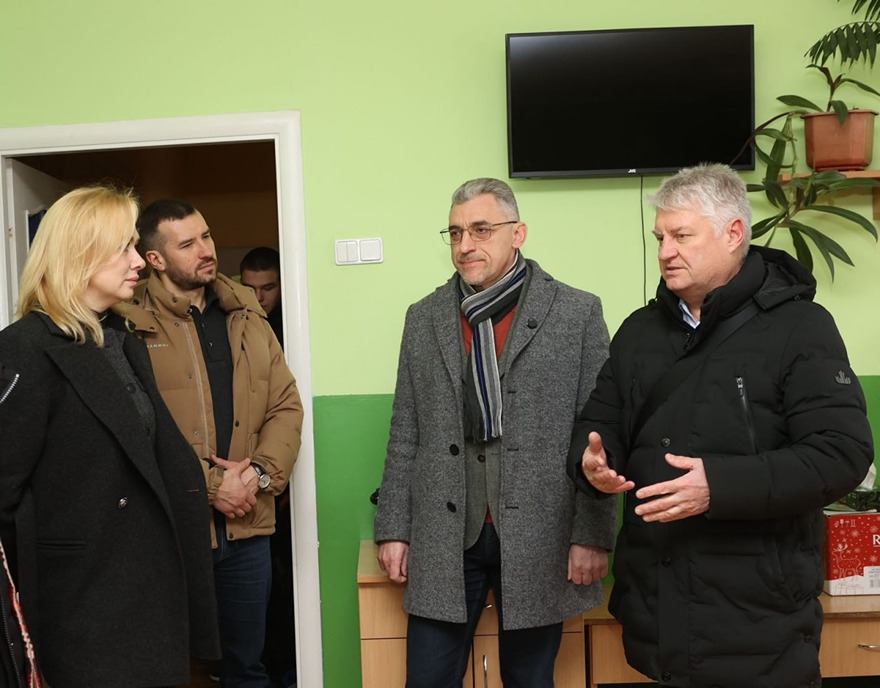
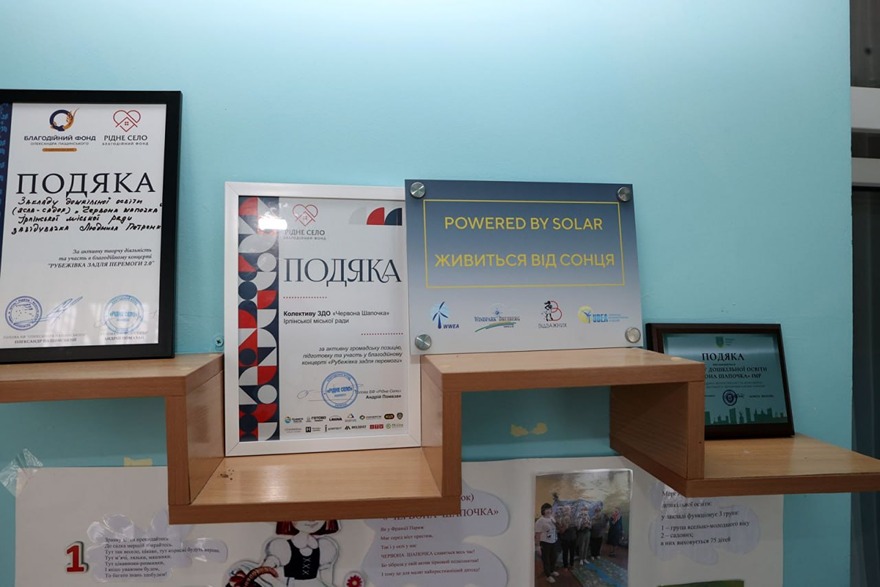
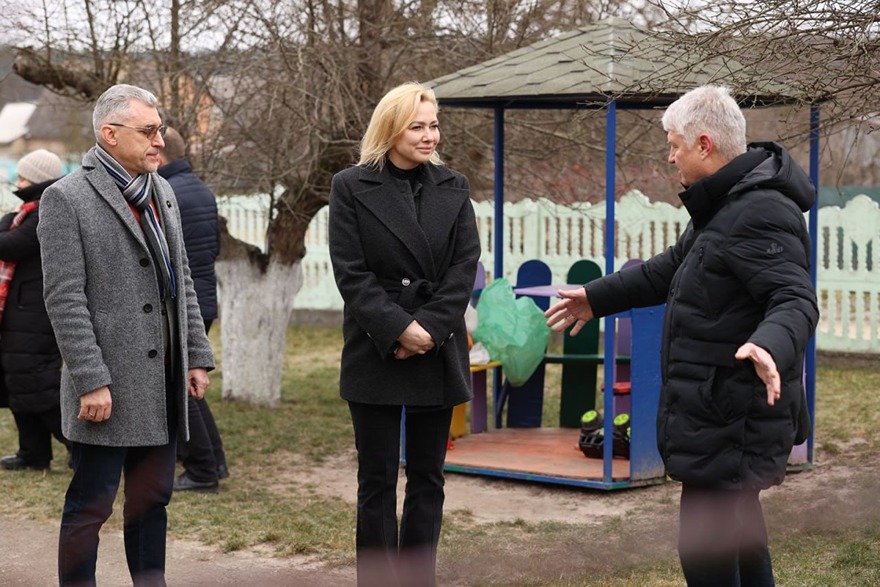
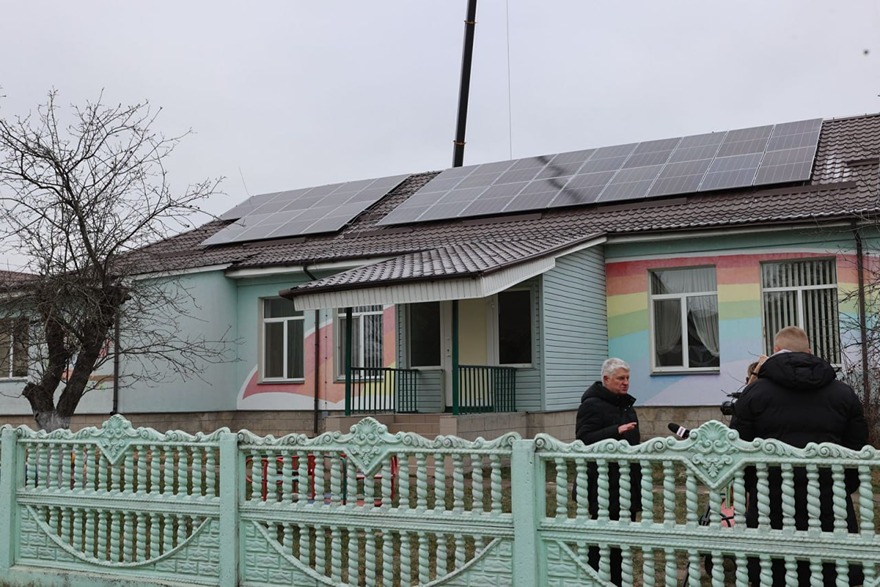
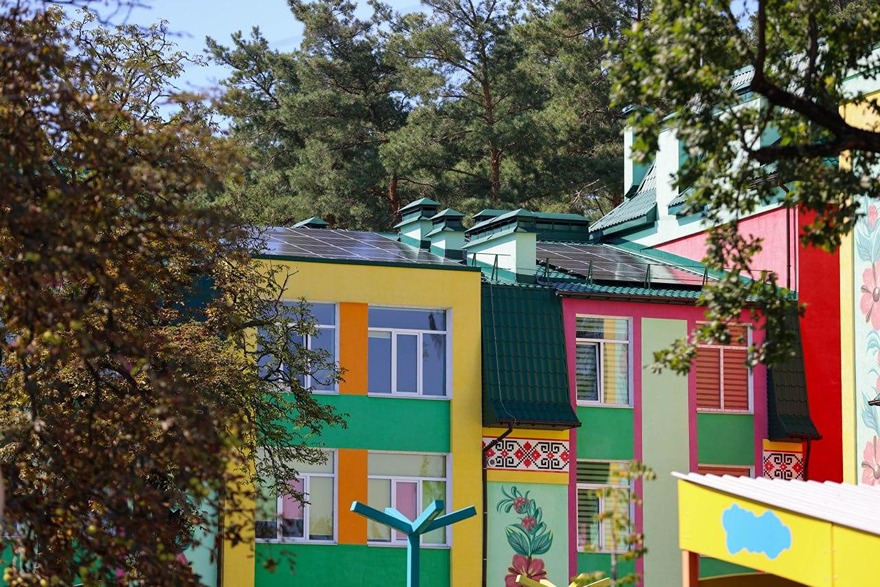
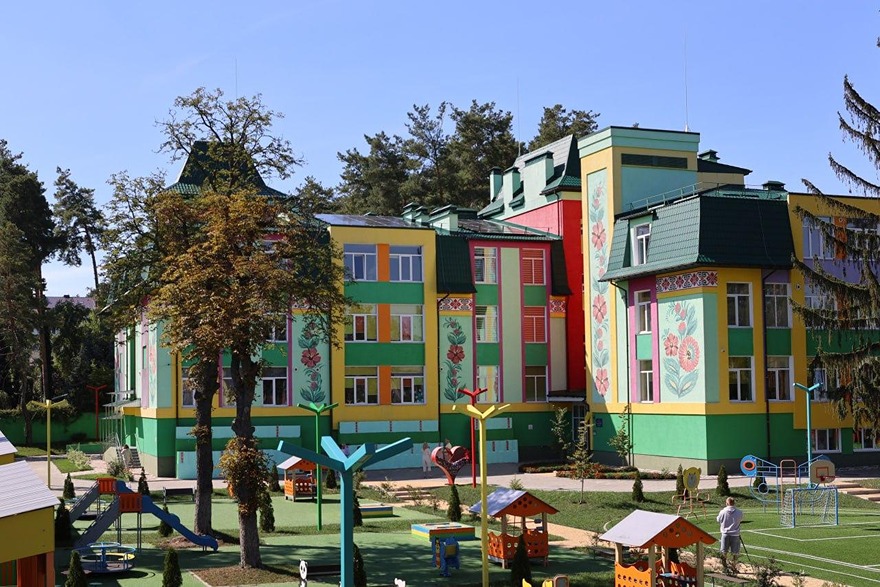
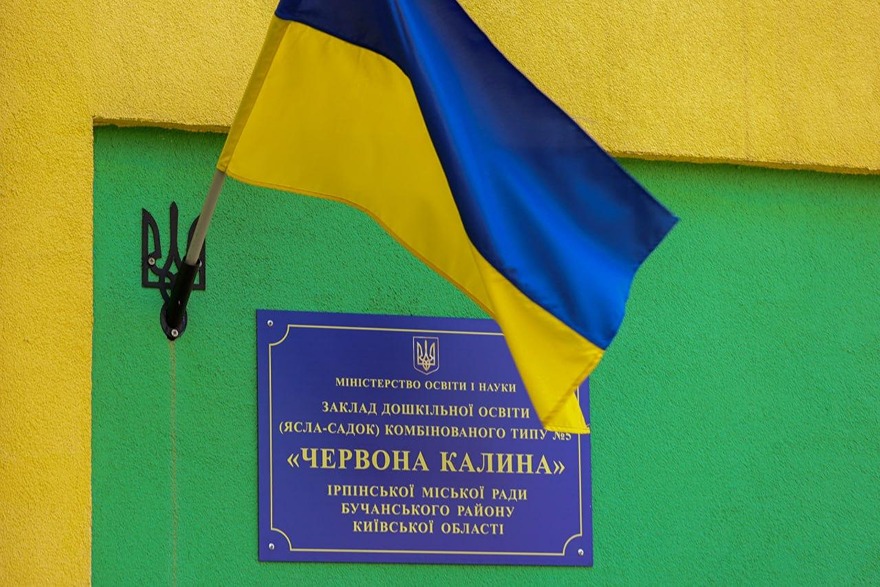
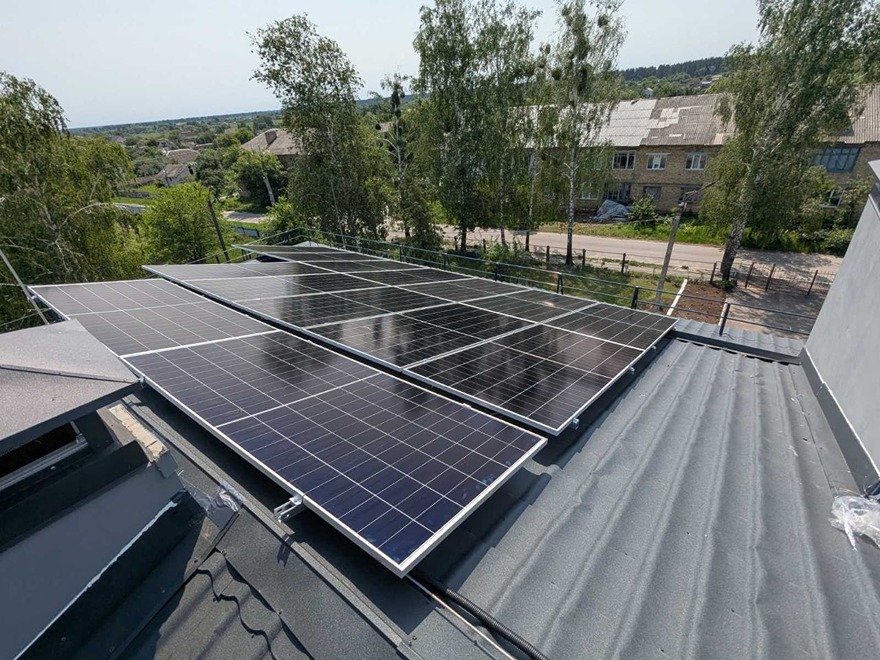
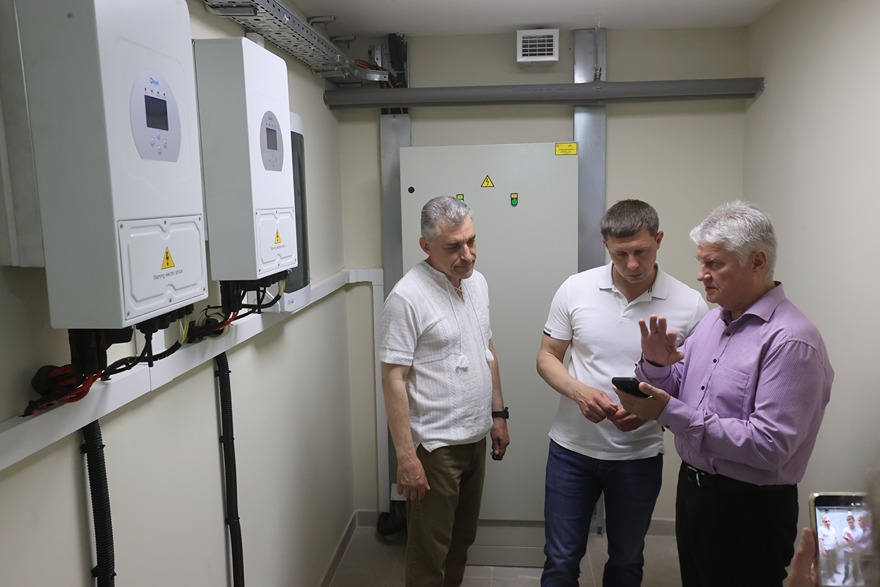
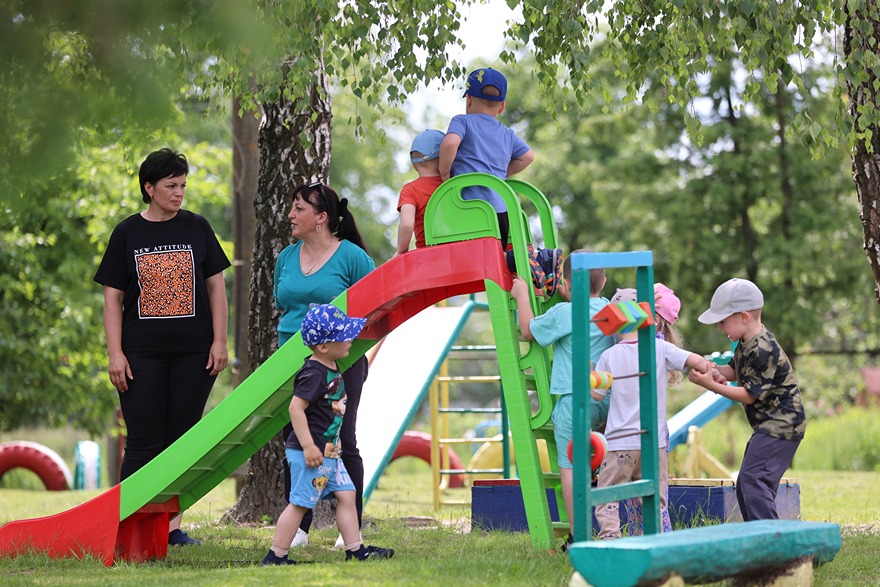
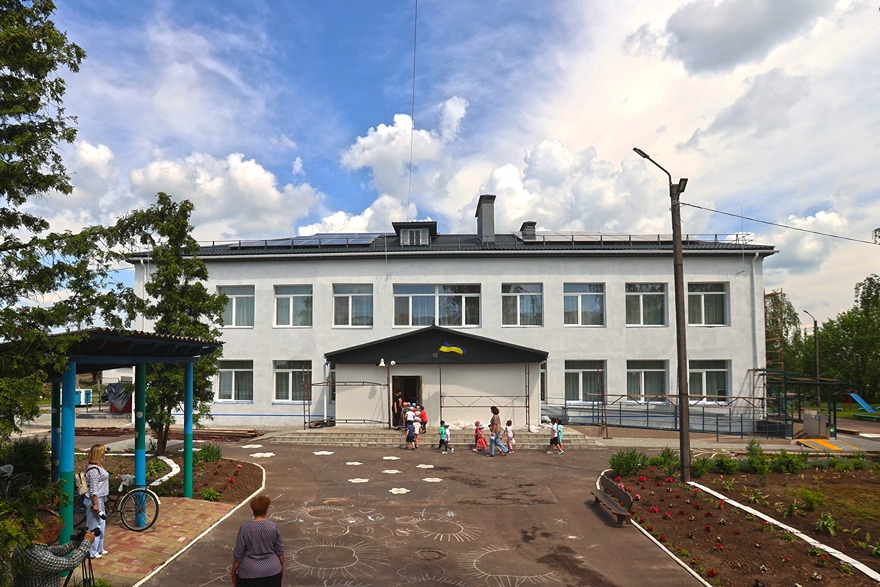
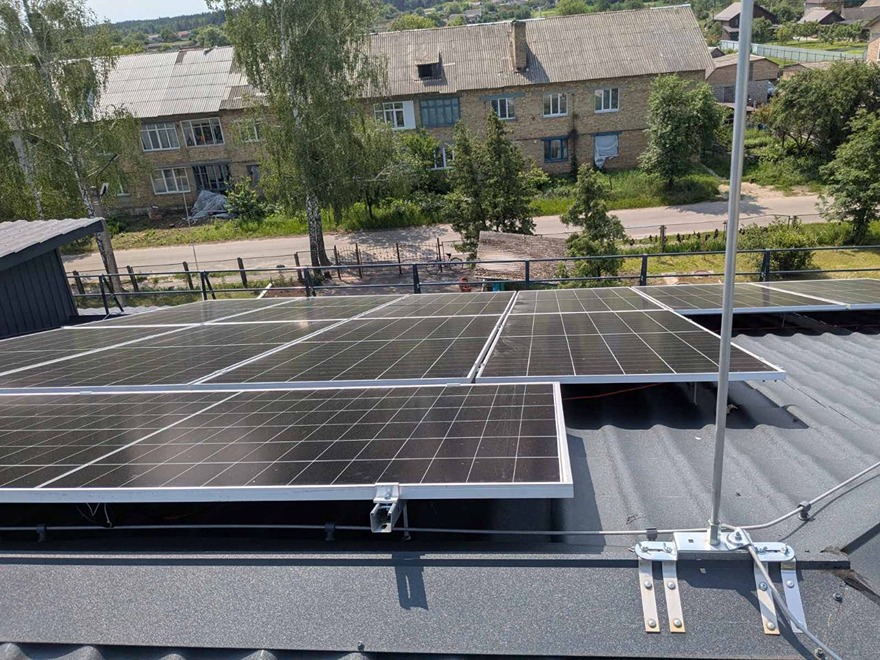
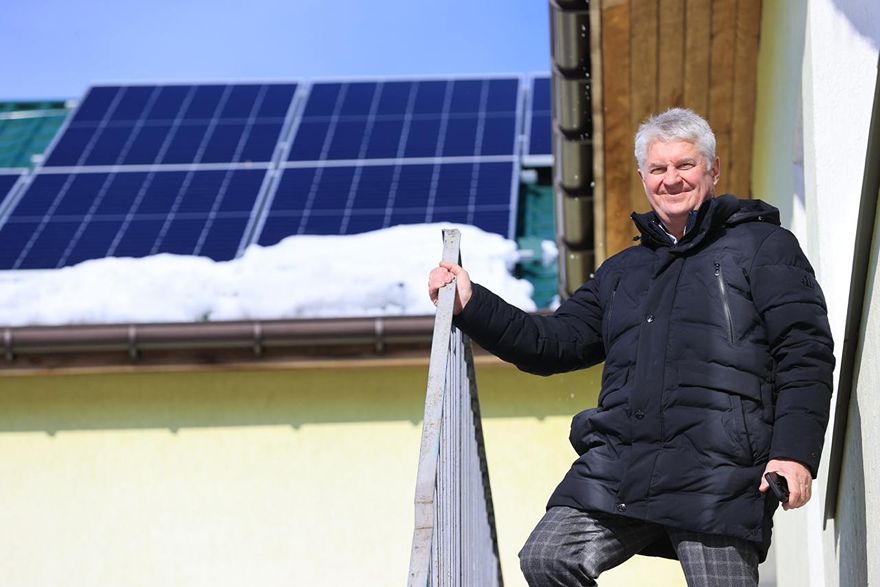
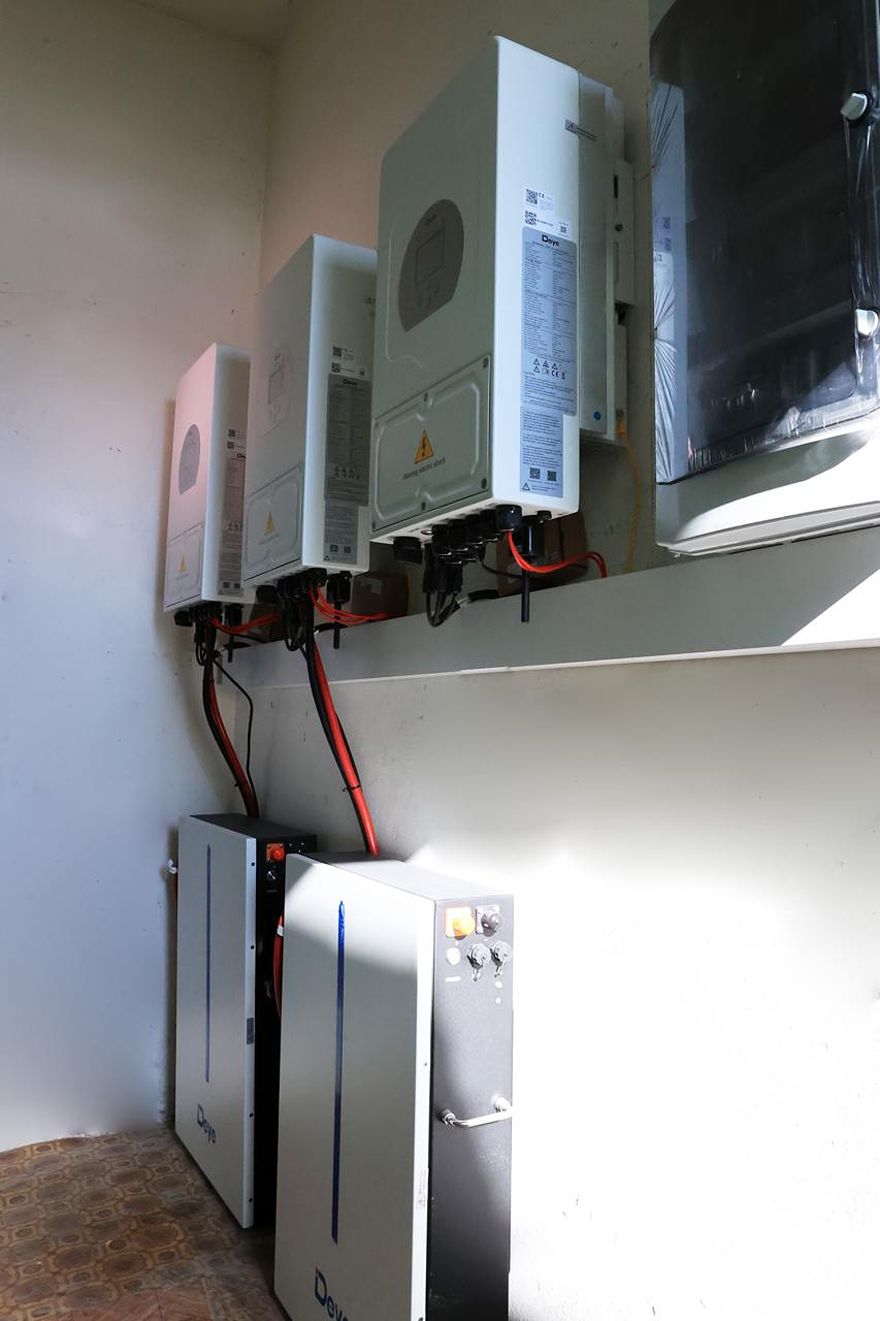
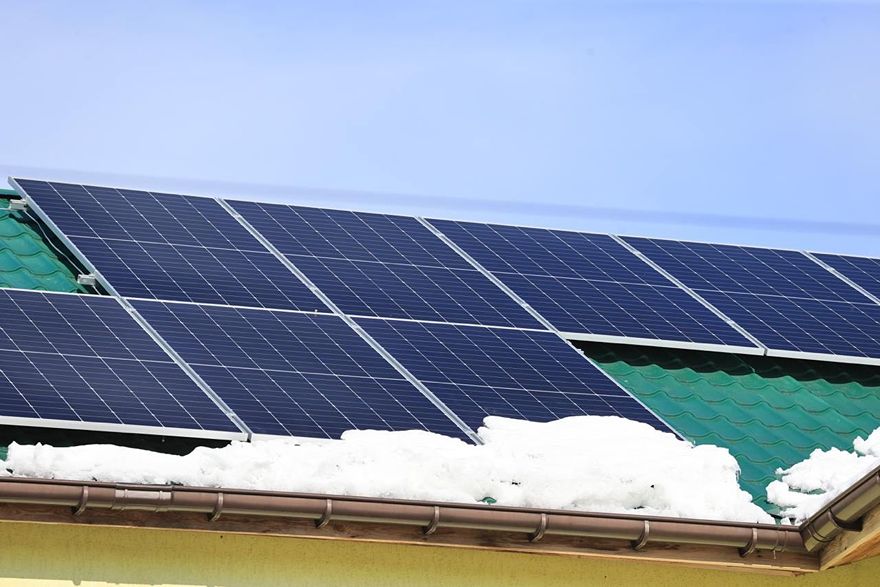
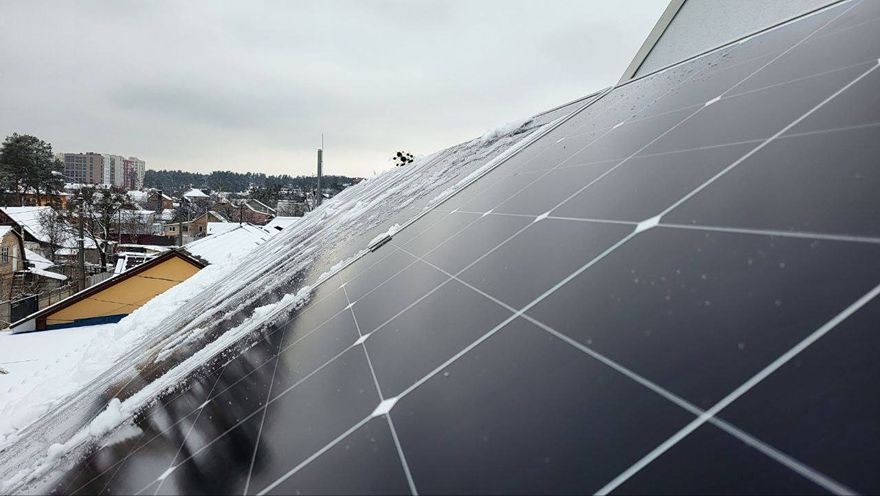
On the eve of the Christmas holidays, the Chervona Shpochka (Little Red Riding Hood) kindergarten in the village of Mykhailivka-Rubezhivka, Bucha district, received an autonomous solar system as part of an international campaign ‘Renewables4Ukraine’ initiated by the World Wind Energy Association (WWEA) and the Ukrainian Wind Energy Association (UWEA). Almost thirty solar photovoltaic modules with a total capacity of 16.6 kW were installed on the roof of the kindergarten building.
The installed solar system, which includes a group of 45 kW batteries, ensures a stable power supply to the facility during power outages. For children, this means well-lit rooms, warmth, and the opportunity to learn, play, and stay in a safe environment without interruptions. For the community, it is a practical example of how decentralised renewable energy works in real war conditions.
Lyudmila Petrenko, director of the Chervona Shapochka kindergarten: ‘In the village, the electricity is turned off according to a schedule, and they (ed. photovoltaic system) automatically switch on, so the facility has light all the time. And when the light comes on, they automatically turn off.’
What is particularly valuable is that the project was made possible thanks to the direct support of the owners of the wind park Druiberg in the German city of Dardesheim, who allocated part of their income to the installation of a solar system for a Ukrainian kindergarten.
Andriy Konechenkov, Chairman of the Board of the Ukrainian Wind Energy Association: ‘It is within the framework of this international campaign that the World Wind Energy Association is reaching out to various people and communities who are raising money to help Ukraine not only partially solve the issue of electricity supply, but first and foremost to show that solar and wind energy are precisely the energy resources that all Ukrainians can use without having to purchase electricity or fight for these energy sources.’
Since the start of the full-scale war, ten similar solar projects have already been implemented in the Irpin and Borodianka communities as part of the #Renewables4Ukraine campaign.
Stefan Gsänger, Secretary General, WWEA: ‘While we hope for a lasting and just peace for the people of Ukraine, who are still enduring very difficult times, we are pleased that, with the support of our international donors, we can make a small contribution to easing the daily life of the children, teachers, and parents at this kindergarten. May the children see this solar energy system as a sign and symbol of international solidarity, peace, and sustainability.’
Such practical solutions are laying the foundation for Ukraine's energy-independent, decentralized, and sustainable energy system.
The system was installed by Green System Group, an expert in the construction of solar power plants and uninterruptible power supply systems, as well as a member of the UWEA.
We sincerely thank all partners and donors who are joining the international campaign #Renewables4Ukraine. The light they help to preserve holds significance that extends far beyond the limits of a single institution — it contributes to Ukraine's future.
Stefan Gsänger, Secretary General, WWEA: ‘For many of us, Christmas is a very special time of the year. It stands for hope and peace, for light that drives away the darkness – just as this solar set will provide light in difficult times. May the message of Christmas reach not only the children of this kindergarten, but all children in Ukraine – and everywhere on our planet.’


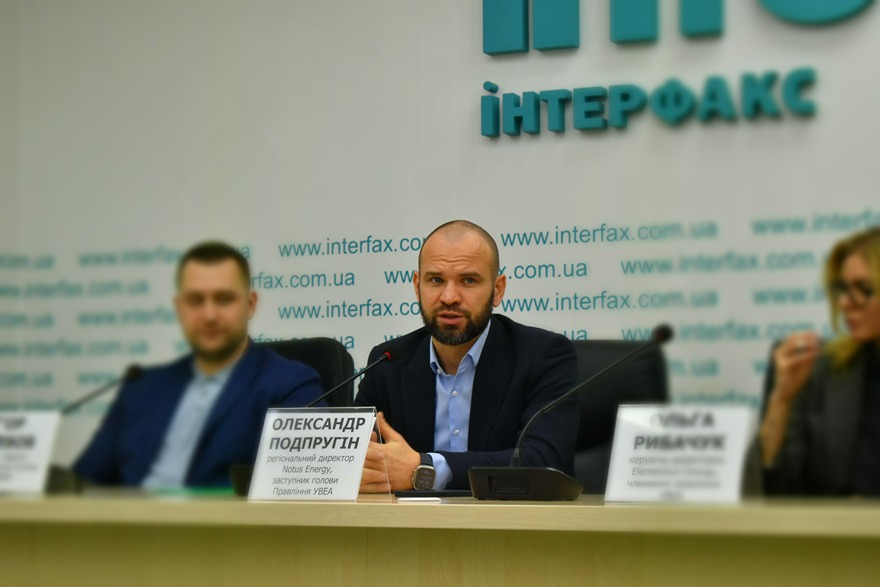
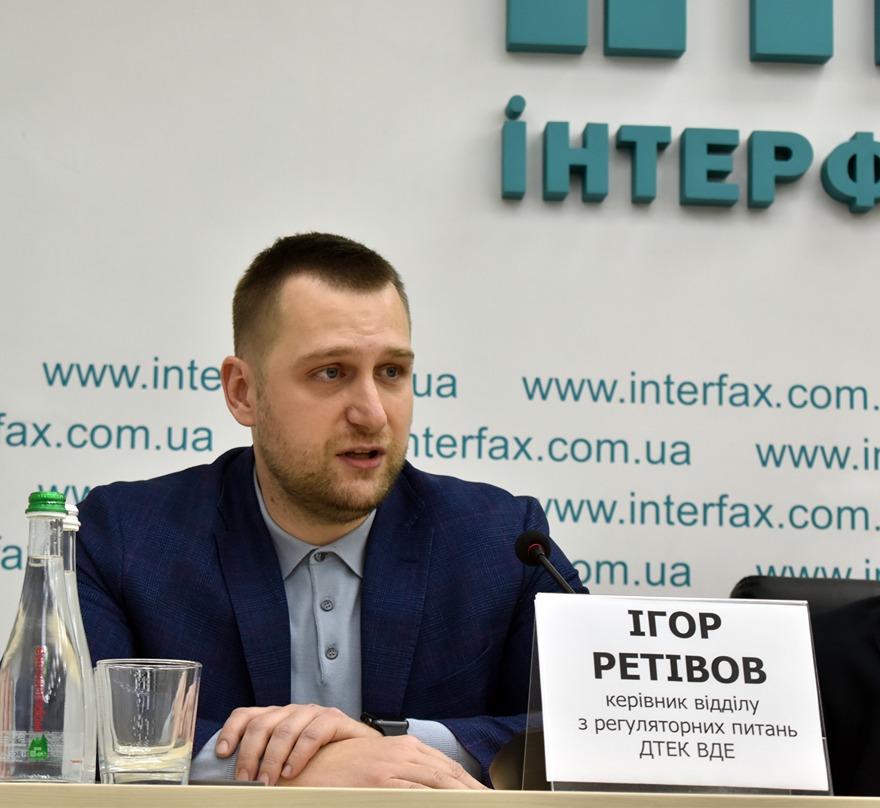
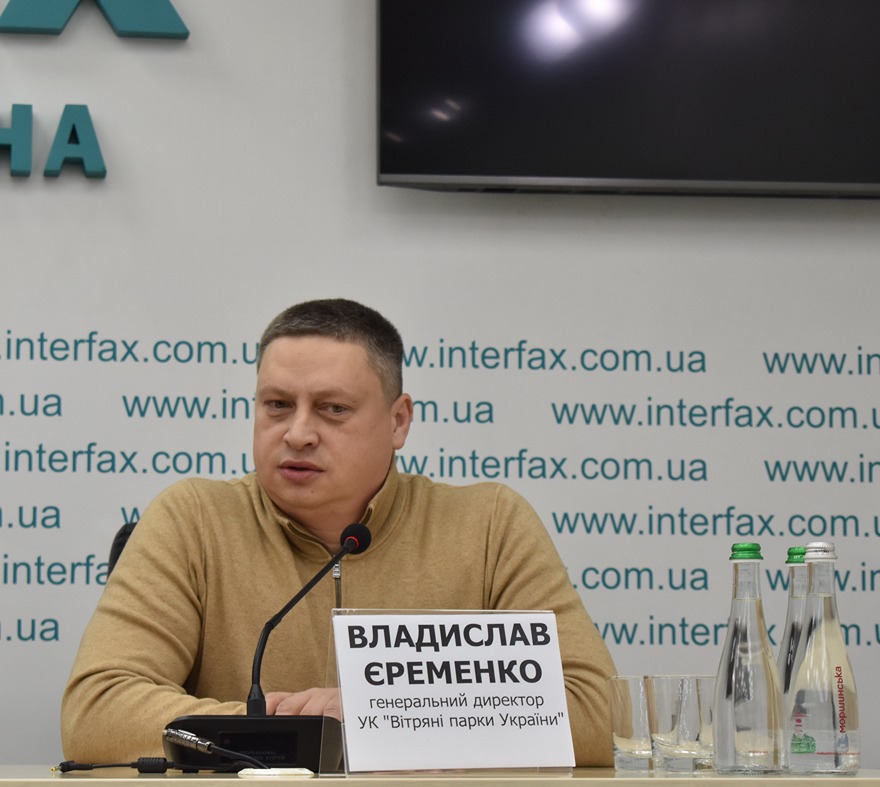
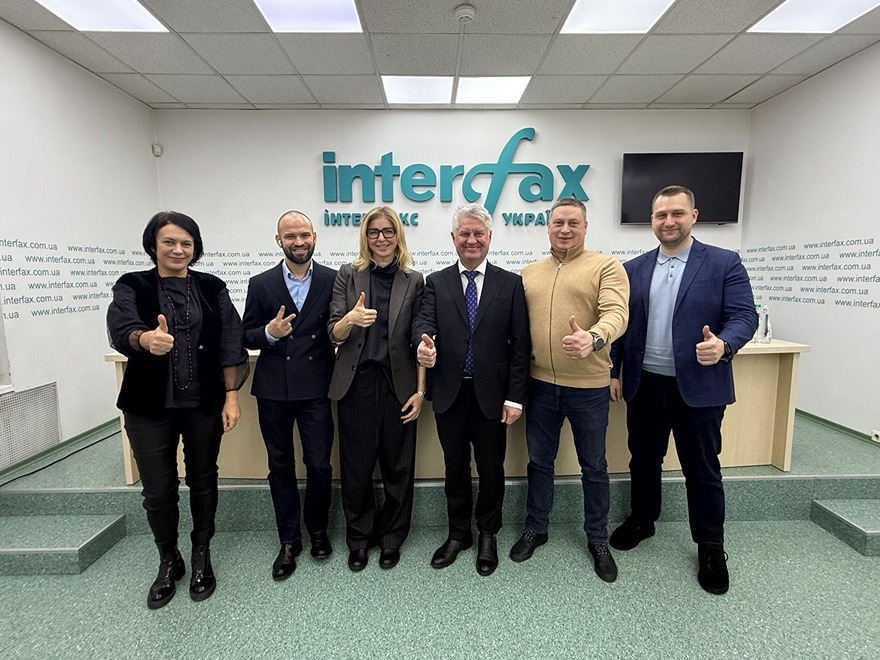
On 19 December 2025, the UWEA held its annual press conference at Interfax-Ukraine titled “Wind & Storage in 2025: A Year of New Decisions, Challenges, and Growth”, dedicated to reviewing the performance of Ukraine’s renewable energy sector in 2025. This year’s discussion, for the first time, focused not only on wind generation but also on energy storage systems (ESS). The pairing of these two technologies is increasingly shaping the architecture of Ukraine’s post-war, decentralized, and resilient power system - one designed to operate amid high volatility, physical threats, and market pressure.
“We are gradually moving from a survival policy to a recovery policy. The work of building a modern, energy-independent state has not stopped - even in the hardest years of war. Renewables, and wind energy in particular, continue to play a key role in this proces - sectors that have demonstrated exceptional resilience and an ability to adapt,” said Andriy Konechenkov, Chairman of the UWEA Board, opening the discussion.
According to him, Ukraine’s total installed wind capacity currently stands at around 2.3 GW, of which 1.3 GW remains in temporarily occupied territories. From 2022 through the beginning of Q1 2025, 248 MW of new wind capacity and an additional 38 MW of pre-owned wind turbines were commissioned in government-controlled areas. UWEA also notes that by the end of 2025, the overall volume of capacity commissioned during wartime will increase by a further 324.4 MW.
Andriy Konechenkov also outlined the sector’s medium-term outlook: “the overall project pipeline across different stages of implementation already exceeds 4.5 GW. Geographically, this is approximately 44% in western regions, 34% in central Ukraine, and 22% in the south - primarily Odesa and Mykolaiv regions. This is a clear signal that development activity is recovering and confidence in the sector is returning.”
Energy storage proved no less dynamic in 2025: “based on our estimates, 534 MW of energy storage systems were commissioned in Ukraine over the past year, effectively marking the emergence of a new, fully-fledged segment of the energy market,” Mr. Konechenkov added.
Following an overview of the statistics and key trends of 2025, Mr. Konechenkov discussed with invited speakers - representatives of UWEA member companies - the year’s main investment signals, practical experience with new market mechanisms, and the role of energy storage technologies in a modern power system. Commenting on the largest private investment into Ukraine’s energy sector during the war - financing for the completion of the second phase of the Tyligulska Wind Power Plant - Yevhen Lapchenko, Head of Regulatory Affairs at DTEK Renewables and a member of UWEA’s Legal Committee, stated: “we are consciously betting on distributed generation. The active phase of completing the Tyligulska WPP is underway, and in parallel we are developing the 650 MW Poltavska WPP. But projects of this scale are impossible without international capital. To mobilize it, we need a predictable regulatory environment, long-term offtake, and resolution of outstanding debt - particularly for 2022. The state has already begun moving toward investors, and it is essential to sustain that momentum.” At the same time, market participants stressed that scaling similar investment cases will directly depend on regulatory stability, access to war-risk insurance, and the predictable application of market-based support instruments.
Presenting the experience of a company that was among the first to test both the market premium mechanism and electricity price stabilization instruments, Olha Rybachuk, Managing Director of Elementum Energy and a member of the UWEA Board, emphasized: “we were among the first to enter the merchant market with both wind and solar plants, and we tested the market premium mechanism for more than a year. In wartime, it is critically important to preserve a range of instruments - business cannot operate in a rigidly regulated environment while carrying elevated risks. At the same time, the market needs further liberalization and predictability. Today the balancing market has significant debt - over UAH 40 billion - yet it is precisely this market that is a key source of revenue for renewables. We are moving in the right direction, but executive implementation often lags behind legislative decisions. Secondary regulation has taken years to develop.”
The need for a predictable regulatory framework was also highlighted by Ivan Bondarchuk, Partner and Head of Energy Practice at LCF and Deputy Chairman of the UWEA Board: “2025 truly became a year of recovery in development and construction. But wind projects have a long development cycle, and without clear rules of the game, investors cannot make decisions. The sector expects improvements to the auction system, revisions to price caps, faster grid connection through the TSO, and implementation of RED III - particularly in defining renewables acceleration areas and applying the principle of overriding public interest. Without this, access to financing will remain limited.” Andriy Konechenkov additionally noted that the market is also eagerly awaiting the President of Ukraine’s signing of the law exempting wind energy equipment from import duty.
Mr. Bondarchuk later focused on whether Ukraine’s current legal framework for energy storage and accumulation meets the market’s and investors’ evolving needs. Given the rapidly growing interest in this technology among UWEA member companies, in March 2025 UWEA expanded its mandate by establishing a dedicated Committee on Energy Storage Development. The discussion was continued by Serhiy Kravchuk, Director of Electricity Trading and Supply at KNESS and Deputy Head of the Committee. Drawing on KNESS’s practical experience in reserve procurement auctions (including FCR), he outlined the potential for scaling energy storage in Ukraine over the next 3-5 years: “The TSO has already effectively covered its needs for primary (FCR) and secondary regulation for the next five years. The next stage is the balancing market and day-ahead arbitrage, where the potential is measured in gigawatts. We are convinced that after the “green tariff” ends (2029-2030), most generators will integrate energy storage as a mandatory component of their projects.”
Yevhen Lapchenko also shared DTEK Renewables’ experience in implementing a 200 MW / 400 MWh energy storage project, built and commissioned in a record 12 months in partnership with Fluence Energy B.V. He noted: “the launch of ancillary services auctions created a real investment signal. Energy storage has significant potential - both for balancing the system and for shifting electricity over time. But here too, regulatory predictability and the absence of abrupt rule changes are critical.”
Olha Rybachuk complemented the discussion with Elementum Energy’s approach: “our company chose a different path - not providing ancillary services to the TSO, but using energy storage to shift electricity over time and optimize our own generation. That objective defined the system size we designed. The equipment has already been delivered to our site, and in 2026 we will begin construction. I also believe energy storage should not be tied to the end of the “green” tariff - it must become an integral part of all new projects. But for that, a clear and stable regulatory framework is absolutely essential.”
Summing up the press conference, participants agreed that wind and energy storage are becoming the backbone of Ukraine’s energy resilience. These technologies reduce import dependence, increase system flexibility, and lay the foundation for post-war economic recovery. “Our task is to make our sector stronger than it was before the war. That requires an honest dialogue between business and the state, and a clear vision of Ukraine’s future energy model. 2026 must become a year of systemic decisions - otherwise we risk losing the momentum we have only just begun to regain,” Andriy Konechenkov concluded.

On 27 November 2025, the UWEA held a joint meeting of its Board and two key expert bodies - the Legal Committee and the Committee on BESS Development & Implementation. The purpose of the meeting was to strengthen strategic coordination, align workstreams, and define key priorities for the upcoming year.
The meeting was opened by Andriy Konechenkov, Chairman of the UWEA Board, who emphasized that today it is essential not only to shape a long-term vision for the sector but also to react more actively and systematically to urgent market challenges: “We gathered today to speak openly about both strategic objectives and the existing barriers, achievements, and lessons the wind sector has gained over the past year. Our goal is to synchronize efforts so that 2026 becomes a year of decisive action and confident market growth.”
Mr. Konechenkov also noted that, according to UWEA’s estimates, 37 member companies are currently actively involved in wind and BESS projects, highlighting the scale and diversification of roles within the sector.
Olga Savchenko, Head of the Legal Committee, presented the Committee’s results for 2025, including: drafting and reviewing several legislative initiatives; participating in consultations with government authorities; developing legal positions on key regulatory and market issues. She emphasized the Committee’s strategic mission: “Our goal is not to fight the regulatory environment - our goal is to create it.”
Ihor Retivov, Head of the Committee on BESS Development, presented the Committee’s work aimed at shaping an attractive and predictable market environment for energy storage projects. Continuing, Yevhen Kontorshchykov, analyst of the UWEA Secretariat, shared the results of a member survey showing that 33.3% of surveyed companies already operate energy storage systems, and an increasing number of companies plan to invest in this technology in the coming years. These findings demonstrate the rapid emergence of the energy storage market as an integral part of Ukraine’s modern energy system.
Meeting participants also discussed priority legislative and regulatory initiatives, as well as mechanisms for improving internal coordination to strengthen UWEA’s impact at all levels. Significant attention was dedicated to existing barriers that continue to hinder project development.
In the final part of the meeting, the participants outlined the Association’s key priorities for the next year, including:
The joint meeting reaffirmed the readiness of UWEA members to continue working in a coordinated, professional, and strategic manner. Participants emphasized that UWEA remains a central platform for consolidating market positions, shaping regulatory solutions, and advancing the development of Ukraine’s wind energy and energy storage sectors.
.jpg)


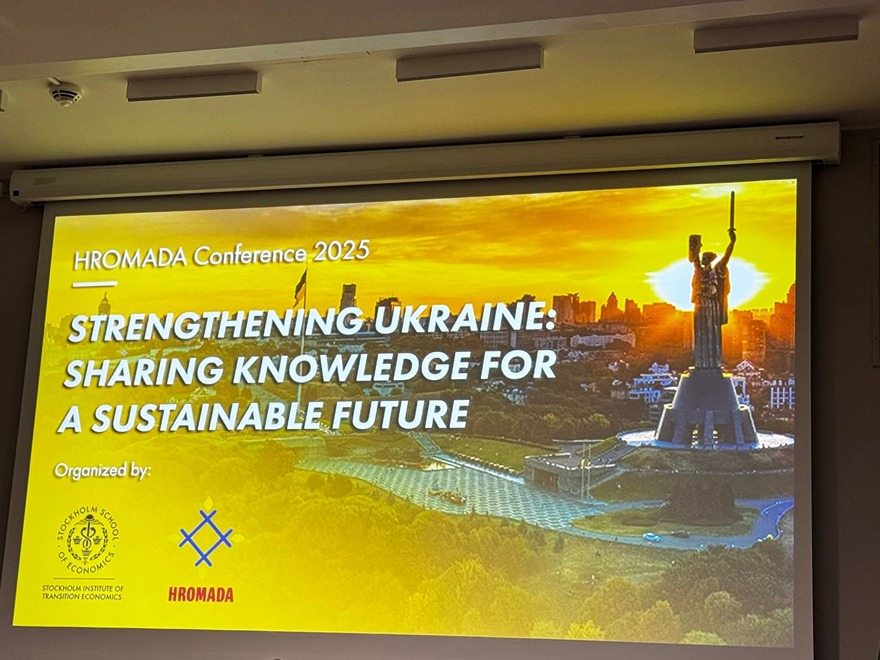
On 12 November 2025, Olga Savchenko, Head of the UWEA Legal Committee and Partner at Altelaw&Sempra, spoke at the Third HROMADA Conference “Strengthening Ukraine: sharing knowledge for a sustainable future” within the panel discussion “Mutual Resilience: Dialogue among Ukraine, Nordic, and Baltic Countries on Energy Transition and Security.”
The UWEA representative emphasized that the Ukrainian energy system has demonstrated unprecedented resilience: it was the first in Europe to operate in isolated mode for three weeks during the war and successfully synchronize with ENTSO-E. In a context where the russian invasion exposed the vulnerabilities of a system dominated by nuclear and thermal fuels, renewable energy, particularly wind power, played a crucial role in enhancing its resilience and ensuring electricity supply to consumers.
During her presentation, Ms. Savchenko outlined the key mechanisms introduced to accelerate the development of RES construction: simplification of land allocation and change of designation, capacity reservation, the cable-pooling mechanism, and tools for the rapid implementation of energy storage systems. She also underscored the importance of implementing national energy plans, as they contain the calculated indicators for energy system recovery, and stressed the necessity of including new wind power plant equipment in the list eligible for VAT and customs duty exemptions upon import.
“It should be noted that the new national strategy is not just a plan for the future, but an active reality: new wind power plants are now being planned and constructed across Ukraine, with a significant focus on the central and western regions,” emphasized the Head of the UWEA Legal Committee.
She concluded her speech by highlighting that the future of Ukraine's energy sector lies in decentralization, self-sufficiency, the development of energy communities, and public-private partnerships.

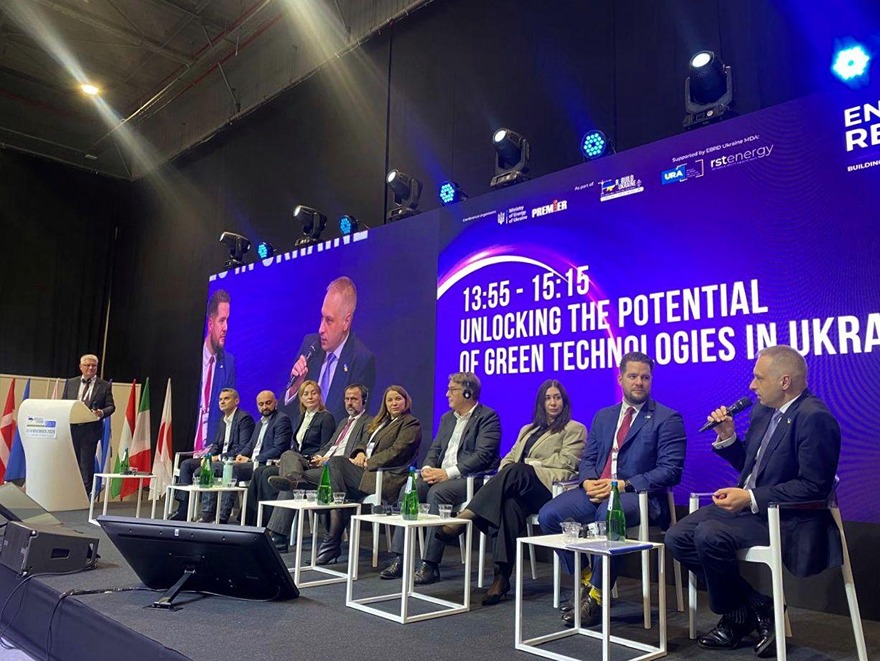
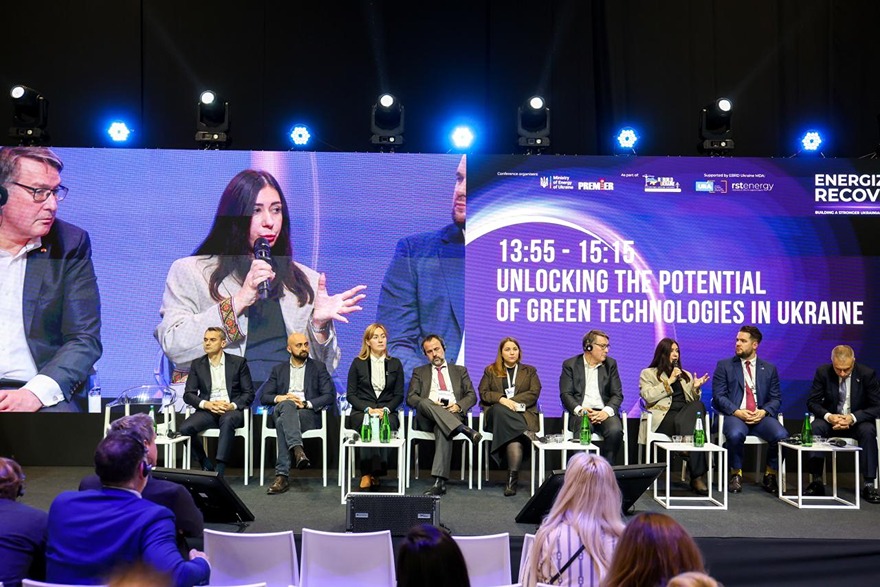
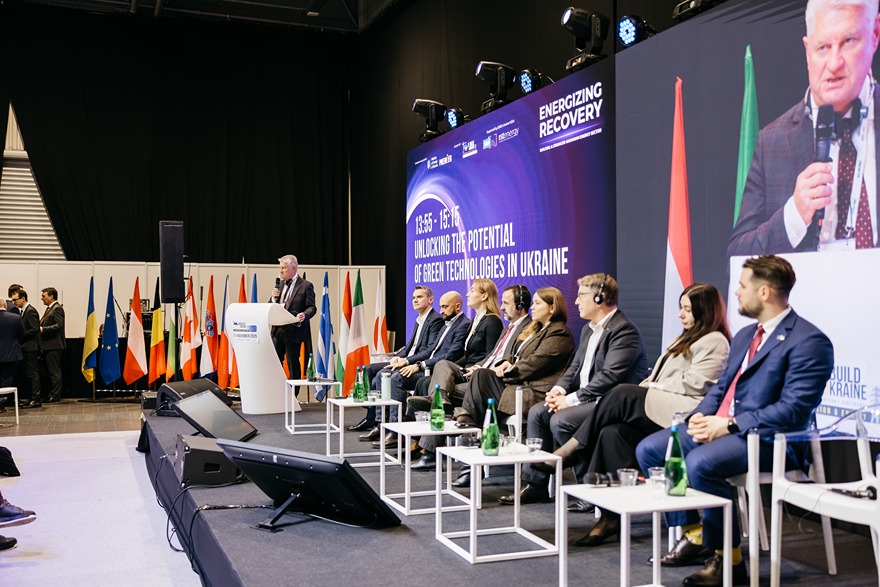
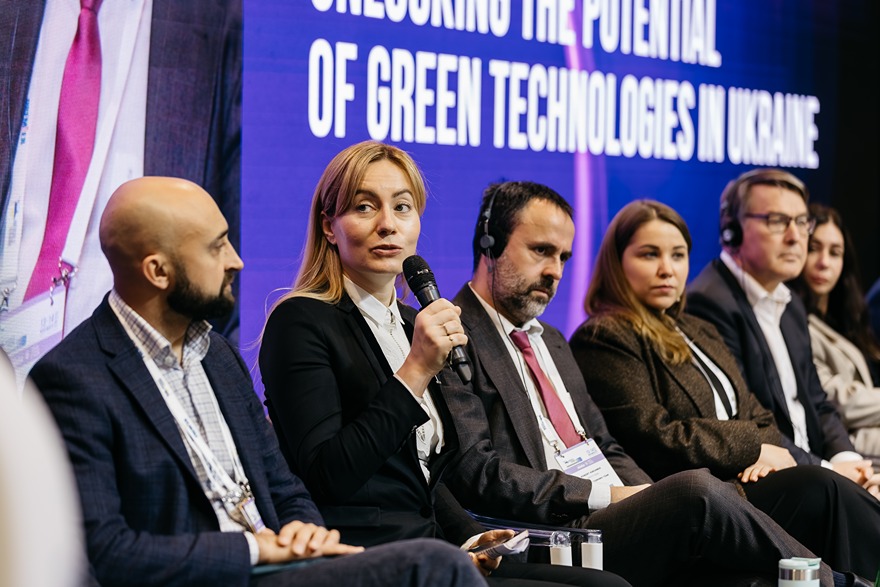
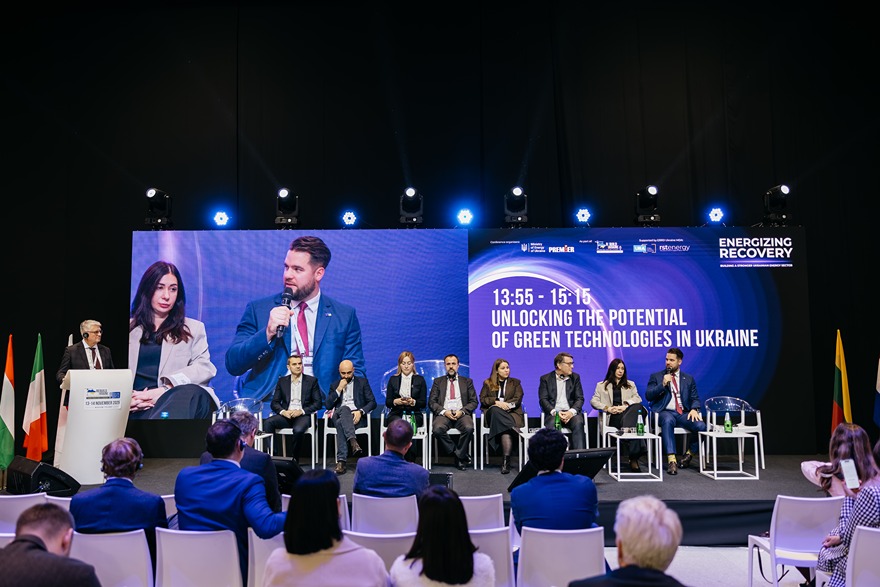
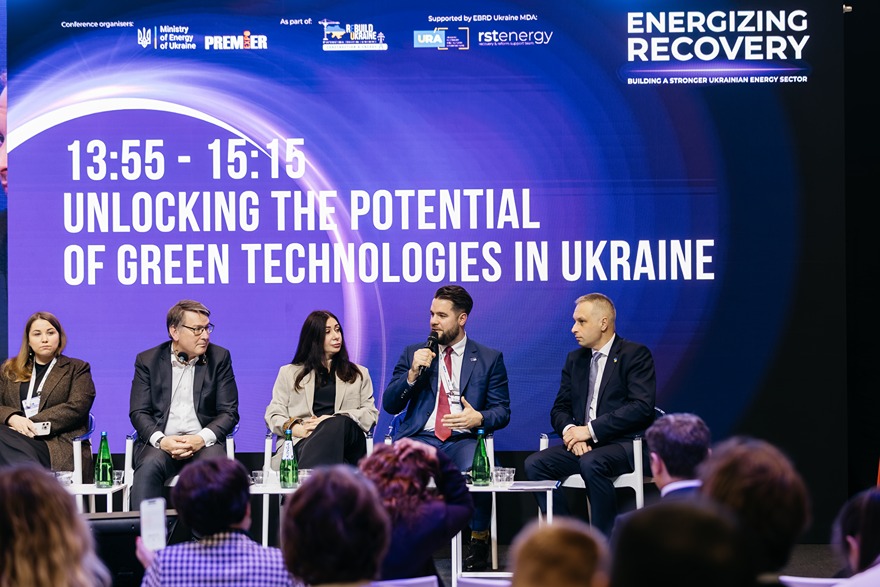
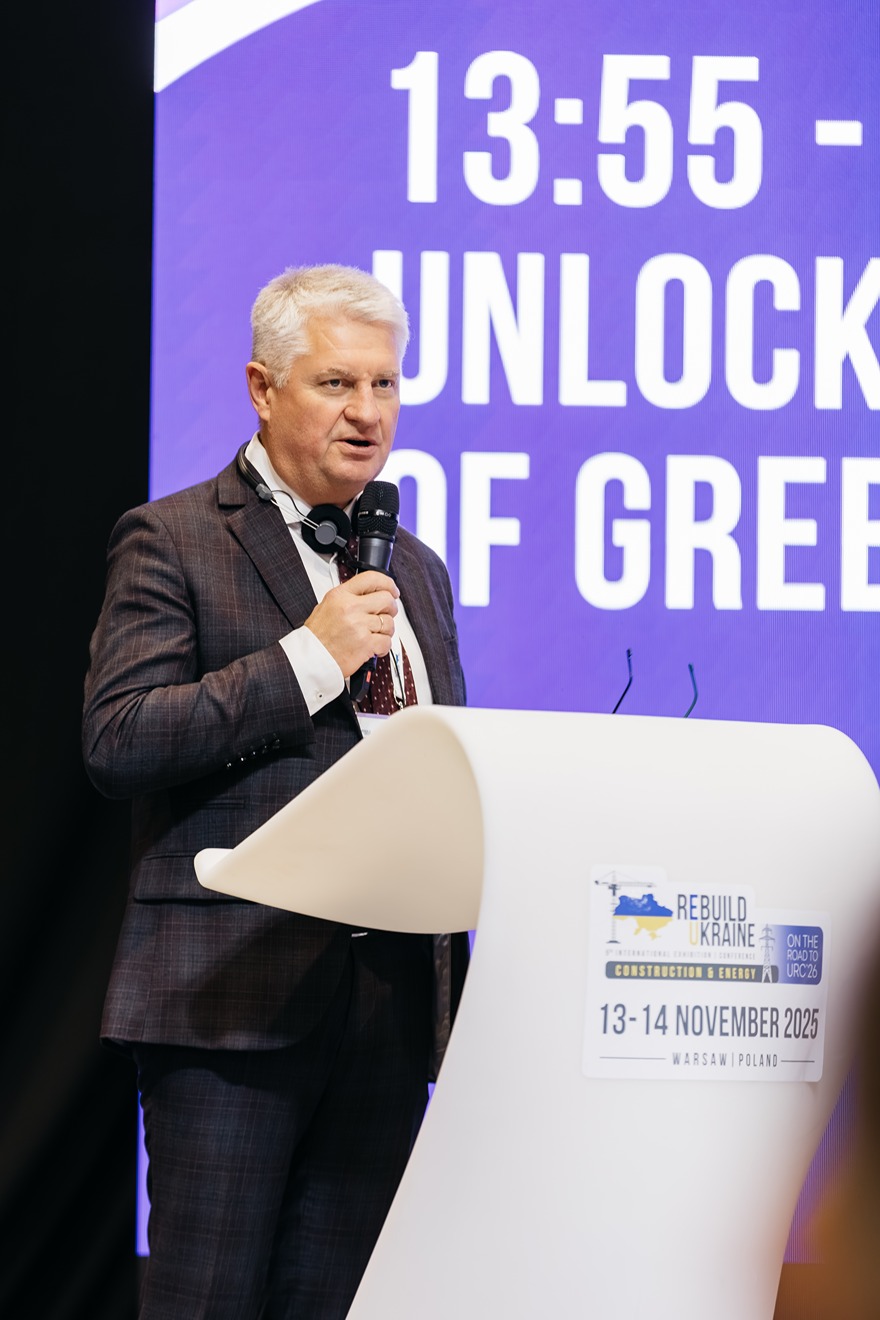
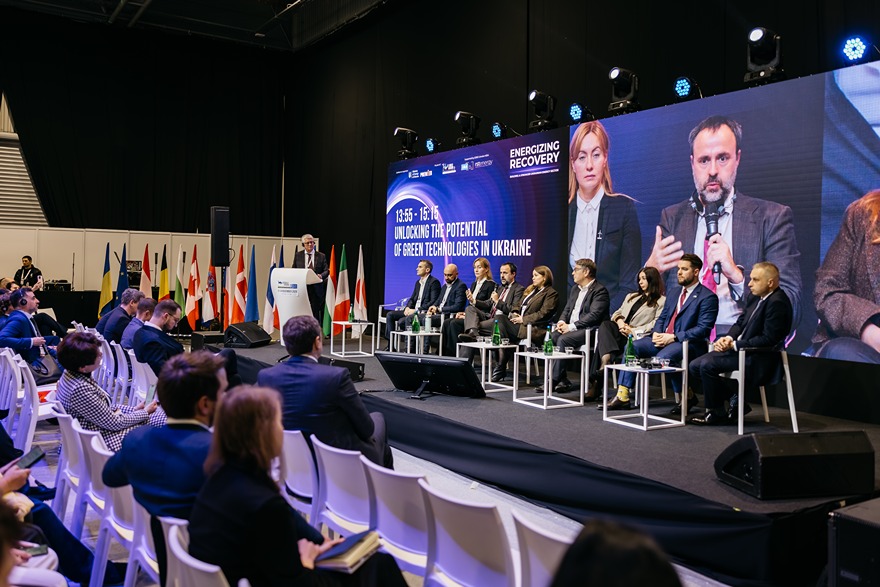
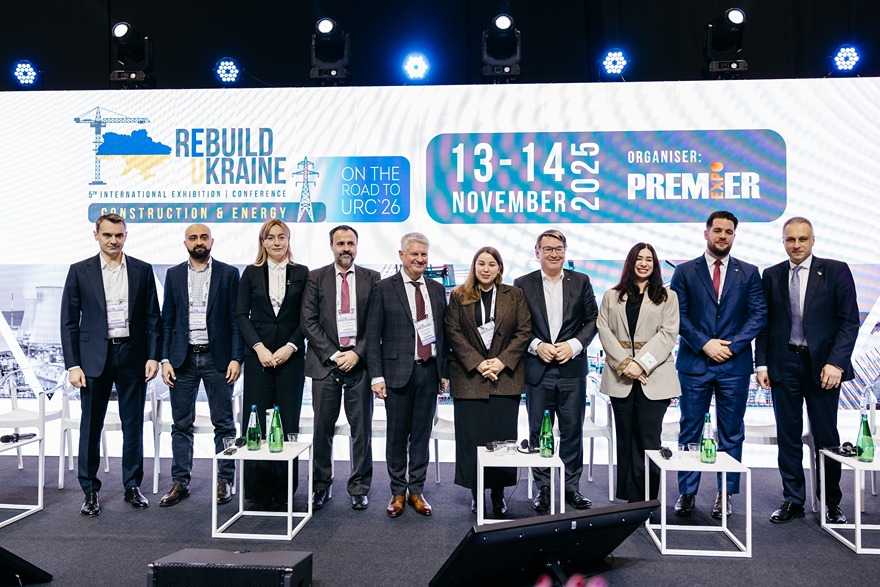
After years of profound challenges and losses, Ukraine’s energy sector is gradually shifting from a policy of survival to a policy of recovery. Despite the full-scale war, Ukrainian companies continue to develop wind power capacity, deploy solar technologies and build battery energy storage systems (BESS), laying the foundations for the country’s future energy independence. On 14 November 2025 in Warsaw, Poland, within the framework of ReBuild Ukraine 2025, a dedicated panel discussion titled “Unlocking the Potential of Green Technologies in Ukraine” brought together leading representatives of government, business, international institutions and investors. The participants discussed concrete steps needed to build a modern, transparent and competitive renewable energy market in Ukraine.
The discussion was moderated by Andriy Konechenkov, Chairman of the UWEA Board, which also acted as an information partner of the event.
The panel focused on systemic issues that will shape both Ukraine’s post-war recovery and its broader energy transition.
Wind Power – an Effective Tool for Ukraine’s Recovery
Today, the total installed capacity of wind power plants in Ukraine stands at 1.95 GW. By the end of 2025, an additional 200+ MW of new wind capacity is expected to be added. “Almost 50% of Ukraine’s installed wind capacity has been financed by international investors. This reflects a high level of trust in the sector and effective cooperation between the state, business and partners from the EU,” noted Andriy Konechenkov in his opening remarks.
Public Policy and the Strategic Role of Renewables
Roman Andarak, Deputy Minister of Energy of Ukraine, stressed that renewable energy must become a fundamental pillar of Ukraine’s post-war reconstruction and energy security: “In 2025 alone, around 0.8 GW of new generation capacity has already been commissioned. We receive substantial support from international partners, in particular through the Ukraine Energy Support Fund: about 1.5 GW of projects worth more than EUR 647 million have been financed. This includes both implemented projects and those where work has just started.”
Bert van der Lingen, Vice President of the Dutch wind association NedZero, underlined the importance of decentralising the energy system: “Unlocking the potential of green energy is a key element of transforming Ukraine’s energy sector. A decentralised system means greater resilience to attacks and crises. Rebuilding on a ‘build back better’ principle gives Ukraine the opportunity to create a modern, robust and EU-integrated energy system from the outset. With the support of the Dutch government, NedZero is committed to contributing to these efforts.”
Olha Savchenko, Chair of the Legal Committee of UWEA, outlined the key market mechanisms introduced to accelerate renewable energy development in Ukraine: simplified allocation and zoning of land plots, capacity booking, the cable-pooling mechanism and new tools for the rapid deployment of BESS and grid infrastructure. She stressed that Ukraine must systematically implement its national energy plans, as they contain the calculated milestones for restoring the power system, and highlighted the importance of including equipment for new wind farms in the list of technologies eligible for VAT and customs duty exemptions. “The future of Ukraine’s energy sector lies in decentralisation, self-sufficiency, the development of energy communities and strong public–private partnerships,” she concluded.
Market-Based Support: From Feed-in Tariffs to Auctions and Corporate PPAs
Participants agreed that Ukraine needs to move to a mature, market-based model in which key roles are played by renewable energy auctions, corporate power purchase agreements (PPAs) and guarantees of origin.
Anzhela Pradun, Managing Director of Vestas Ukraine, shared European experience with auction schemes and highlighted three core principles: transparency, regularity and financial predictability. “We already see market demand for new capacity exceeding the volumes currently allocated for auctions. This is why expanding competition and increasing auction quotas is essential. To address existing challenges, Ukraine should adopt flexible and fair support mechanisms: guaranteed tariffs for winning projects, CfDs, corporate PPAs, guarantees of origin, as well as targeted incentives for regions with lower wind potential. These solutions will pave the way for a more decentralized, resilient, and predictable energy system,” recommended Ms. Pradun.
Aron Kerpel-Fronius, Energy Adviser at the Delegation of the European Commission to Ukraine, emphasised the importance of aligning Ukraine’s power market with the EU and continuing reforms: “Ukraine has made substantial progress in adopting and implementing the EU energy acquis. At the same time, important tasks remain — strengthening the independence of the regulator, adopting the Electricity Market Integration Package and gradually phasing out price-distorting measures such as wholesale caps and excessive PSOs. Combined with risk-mitigation instruments under the Ukraine Investment Framework, these steps can unlock significant volumes of renewable energy investment.”
Industrial Parks and Local Manufacturing – New Growth Points
A separate part of the discussion was devoted to the potential of industrial parks and the development of local manufacturing of green technologies.
Andriy Serhiienko, First Deputy General Director of Wind Parks of Ukraine and UWEA Board member, presented the case of the Friendly Wind Technologies industrial park, which has become an example of successful relocation of wind equipment manufacturing from Kramatorsk to Zakarpattia region: “Our strategy is to expand localisation of wind equipment manufacturing in Ukraine, integrate into international supply chains with leading OEMs and accelerate the growth of the country’s wind sector by 2030. Industrial parks can become growth points both for industry and for renewables.”
Robert Kirchner, Member of the Management Board at Berlin Economics, presented key findings of a study on the potential of green value chains in Ukraine: “Our analysis shows that Ukraine’s wind equipment manufacturing sector can be cost-competitive compared to EU producers. This implies domestic value creation, new jobs, export revenues and additional tax income. Crucial preconditions are ambitious but realistic domestic deployment targets for renewables and steady progress in Ukraine’s EU integration. Addressing war-related investment risks and labour market challenges will enable Ukraine not only to meet its own needs, but also to become a supplier of wind power equipment to the EU.”
Energy Storage – the Flexibility Backbone of Ukraine’s Power System
Serhii Shakalov, Director of KNESS GROUP, and Polina Korchak, Head of Economics and Finance at DTEK Renewables, shared practical examples of deploying energy storage systems in Ukraine.
“Ukraine’s energy system is steadily moving toward decentralization and energy independence. Renewables and energy storage systems are becoming its key pillars. This year alone, KNESS commissioned over 100 MWh of storage capacity now operating to support the grid. Energy storage is a universal tool with enormous potential - from stabilizing the system to accelerating the green transition,” noted Serhii Shakalov.
In 2025, DTEK Renewables commissioned 200 MW of BESS, which has become the largest energy storage project in Eastern Europe. “Ukraine urgently needs new generation capacity, including from renewable sources. Such projects are only possible with external financing. We see strong willingness from investors and financial institutions to work with Ukraine, but the key challenge remains the offtake structure. The launch of renewable auctions and the creation of a price guarantee fund could become the mechanisms that remove a significant part of these risks,” said Polina Korchak.
Investment, Guarantees and Financial Instruments
Key international partners — the European Commission, the World Bank and the EBRD — are working on launching risk-mitigation and price-guarantee mechanisms for renewable energy projects in Ukraine. These instruments have the potential to attract a new wave of investment and significantly accelerate the modernisation of Ukraine’s energy system — particularly in grids, renewable generation and storage.
Ukraine 2030: Green, Resilient and Integrated into the EU
At the end of the discussion, participants outlined a shared vision: by 2030, Ukraine has every opportunity to become a regional leader in green energy in Central and Eastern Europe.
To achieve this, Ukraine needs to:
The key takeaway from the panel was clear: renewable energy is not just a technology — it is a strategy for national resilience and economic security.
UWEA extends its gratitude to all panel participants, the organisers of ReBuild Ukraine 2025 and international partners for a constructive dialogue and joint efforts to shape the future of green energy in Ukraine.


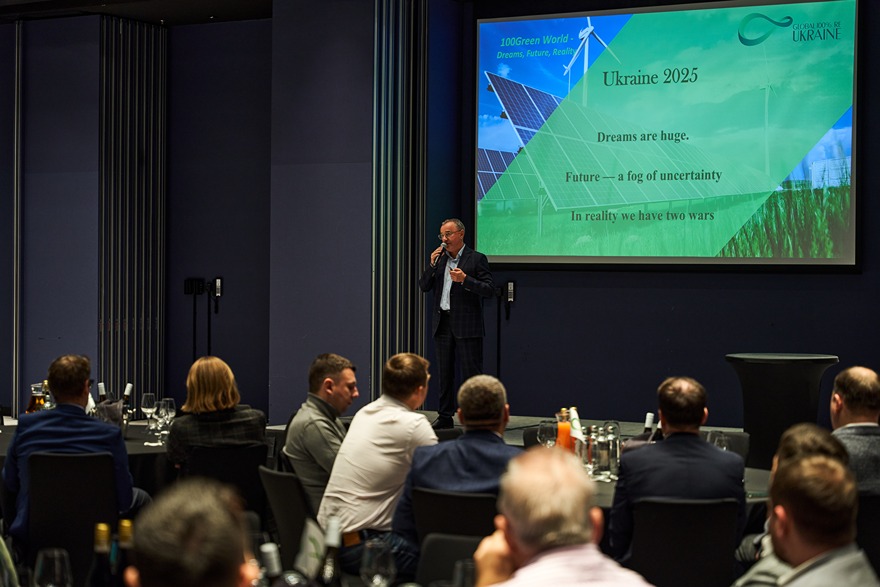
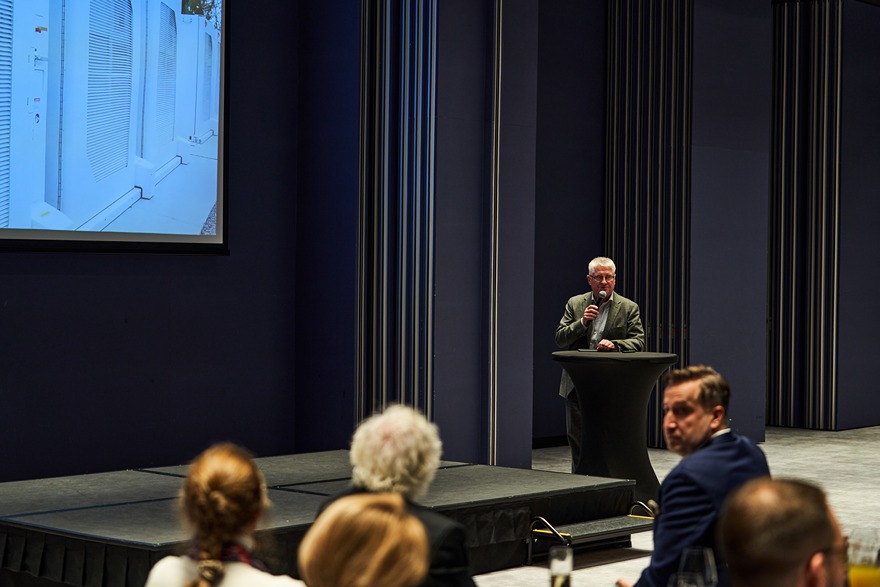
On 12 November 2025, a pivotal event for Ukraine’s green energy sector took place in Warsaw – “100 GREEN WORLD: Dreams, Future, Reality”.
The Ukrainian Wind Energy Association and its Chairman of the Board, Andriy Konechenkov, joined this powerful dialogue. The event gathered over 100 participants, including Ukrainian and Polish associations, investors, government representatives, and companies from Ukraine and the EU.
We were especially pleased to see representatives from UWEA member companies at the venue, discussing with us the prospects for a 100% renewable energy transition in Ukraine and Europe.
This meeting became more than just a professional discussion platform; it was a true symbol of unity for a common goal. It clearly demonstrated that Ukraine is a strong and proactive partner in developing the pan-European green course.
In his welcoming speech, Oleksandr Dombrovskyi, Chairman of the Board at Global 100RE Ukraine, emphasized: "Ukraine has the potential to become an energy innovation bridge between Europe and the world—a country where a new renewable energy architecture is being formed, based on biomethane, green hydrogen, distributed energy systems, and modern energy storage technologies."
As Andriy Konechenkov, UWEA's Chairman of the Board, noted, this path is of fundamental importance for Ukraine:
"100 GREEN WORLD is not just a slogan; it is a path to peace! For Ukraine, renewable energy, particularly wind energy, is more than just clean electricity. It is the energy of freedom and independence. Every new turbine is a step away from the energy blackmail that has been used as a weapon against Europe for decades. The Ukrainian RES sector has proven its resilience. We have a clear plan for future growth, strong government support, and numerous concrete, profitable opportunities for investors. We are building a future that will be not only green but also secure and free.”
We thank the organizers, Global 100 RE Ukraine, for creating this vital platform for dialogue! UWEA and its members continue to work towards strengthening the country's energy resilience. After all, as Andriy Konechenkov rightly concluded: “And we can only do all of this together!”


On 03 November 2025, the UWEA held the second webinar in its series dedicated to Energy Storage Systems (ESS) - a technology that is rapidly gaining momentum in Ukraine. While the first event focused on the legal foundations for launching ESS projects, this session shifted towards economic feasibility, investment attractiveness, and regulatory practices in the market. By sharing their practical experience, speakers demonstrated that within just a few years, ESS could evolve from being a technological supplement into a full-fledged driver of profitability in Ukraine’s electricity market. Particularly so, if the three main pillars of commercial activity in this field remain: financial efficiency (from accurate ROI calculation to the optimal power-to-capacity ratio), effective profitability strategy (choosing between arbitrage on DAM/IDM markets, participation in ancillary services, or hybrid project models), and a favourable regulatory environment (ensuring proper licensing, defining the status of active consumers, and establishing solid legal frameworks).
The event was moderated by Ihor Retivov, Partner at Altelaw & Sempra and Head of the UWEA Committee on Energy Storage Development. Invited speakers included:
Opening the discussion, Mr. Ostapiuk, whose presentation focused on possible models of ESS deployment and connection specifics for different market participants, emphasized that “the role ESS play today in primary and secondary regulation cannot be overestimated. Energy storage is one of those tools that can significantly ease the ‘breathing’ of our energy system and ensure uninterrupted power supply.”
Next, Mr. Zakharchenko, who heads the division managing over 250 MW of ESS (Energy Storage Systems), focused on commercial issues and financial-economic modeling based on the project type: whether it is a project without a long-term contract and fixed income, where the profit level depends on the trading strategy of the optimizer/aggregator, or a project involving cooperation with NPC Ukrenergo through long-term auctions. “If we are discussing the Frequency Restoration Reserve (FRR), then depending on the scenario and operational profile, our experience shows an IRR of 23% to 28% for such projects. Anything outside this range usually indicates either overly optimistic calculations or the failure to account for important parameters”, noted Yehor Zakharchenko. Overall, the D.TRADING representative remarked that a “professional commercial strategy is always a mix of different profitability models. There is no universal formula. Each project requires its own approach that considers market risks, technical capabilities, and regulatory frameworks.”
Continuing the webinar, Serhii Kravchuk explored both the broader philosophical questions of ESS installation and more specialized topics—such as the possibility of using a single ESS across different market segments and the specifics of managing ESS using EMS (Energy Management Systems), using the software solution developed by KNESS as an example. The future of the industry lies in the combination of generation, storage, and digital management. Such solutions are precisely what enable the creation of flexible, cost-effective, new-generation energy systems. “An EMS system analyzes the market in real-time, forecasts loads, and automatically makes decisions on when to sell, when to charge, and when to support the grid,” Mr. Kravchuk explained.
Finally, Maryna Ilchuk focused on the legal aspects of active consumers' activities, including cases where they install ESS, and the mechanisms for regulating relationships between the active consumer, the TSO/DSO, third parties (suppliers), and aggregators. An active consumer with their own energy storage system can not only optimize their own consumption but also enter the market as an independent player, providing flexibility to the system and generating additional income. “Today, the legal field is gradually catching up with the market's technological dynamics. It is crucial to provide legislative clarity regarding the status of the active consumer, as well as the status of electricity producers who have installed ESS,” Ms. Ilchuk noted.
Thus, ESS are becoming the key link between renewable generation, consumption, and system flexibility, while also opening a new investment segment for businesses.
UWEA extends its sincere gratitude to all speakers for their professionalism and willingness to share their expertise, and to all participants for their active engagement and insightful questions.
Energy storage represents a new level of thinking in the development of Ukraine’s electricity market - and it is precisely such discussions that help transform ideas into tangible action.
Speaker materials are available at the following link: https://drive.google.com/drive/folders/1iK0iCoYJVbKk6gTFxVUB2VAFNHSmfqUN?usp=share_link
The webinar recording is available on the UWEA YouTube channel.
On October 24, 2025, Andriy Konechenkov, Chairman of the UWEA Board, moderated the strategic dialogue “Green Energy: What Industry Leaders Are Preparing For” held within Forbes Ukraine’s annual energy forum “Energy of Business.”
Sharing the stage were Olga Rybachuk, CEO of Elementum Energy and member of the UWEA Board, and Alina Sviderska, CEO of Scatec in Ukraine. Together, they explored the most pressing challenges and emerging opportunities for Ukraine’s renewable energy sector amid a period of transformation and recovery.
“Even during wartime, renewable energy companies continue to develop projects that can visibly support the country in times of energy crisis,” — emphasized moderator Andriy Konechenkov.
The discussion covered key issues such as:
The Forbes “Energy of Business” Forum traditionally brings together leading market players, investors, and regulators — those shaping the future of Ukraine’s energy system. Once a year, the country’s leading business publication poses a crucial question: Where do we stand today — and where are we headed tomorrow?
A sincere thank you to Forbes Ukraine for the invitation and the opportunity to moderate a dialogue that helps define Ukraine’s energy future.

On October 21, 2025, the Ukrainian Wind Energy Association (UWEA) held an online Board meeting chaired by Andriy Konechenkov, Chairman of the Board. During the meeting, participants reviewed the Association’s performance over the year and, in particular, its results in the third quarter of 2025, identified key priorities for the wind sector’s development, and outlined UWEA’s future plans in the context of ongoing challenges facing Ukraine’s energy market.
The Chairman noted that 35 new members joined UWEA in 2025, representing various segments of the wind energy value chain. “The growing number of members and new partners demonstrates the sector’s resilience and lasting appeal,” emphasized Andriy Konechenkov. “Even under the challenging conditions of war, the market not only remains active but continues to expand, driven by growing interest from non-core investors who view renewable energy as a promising path for Ukraine’s sustainable recovery.”
Statutory Updates and Institutional Strengthening
One of the key outcomes of the third quarter was the amendment of UWEA’s Statute, which officially extends the Association’s scope of activities to include the energy storage segment. This is a strategic step, as the integration of wind generation and storage technologies defines the future of resilient and flexible energy systems.
The updated Statute also incorporates the provisions of Law No. 3606-IX “On Lobbying”, reinforcing UWEA’s commitment to transparent, responsible, and ethical advocacy on behalf of the wind energy sector.
In parallel, UWEA is finalizing its updated Code of Business Conduct and Ethics, which will serve as a practical framework for promoting corporate culture, integrity, and responsible partnership among its members — in line with the renewed Statute.
Leadership Changes within the Board
As part of the meeting, the Board conducted its scheduled election of the First Deputy Chairman, which takes place every two years.
Ivan Bondarchuk, UWEA Board Member representing LCF, was elected to the position, succeeding Oleksandr Podprugin, Board Member from Notus Energy.
UWEA extends its deep appreciation to Oleksandr Podprugin for his years of active contribution, support of joint initiatives, and dedication to the Association’s growth!
We wish Ivan Bondarchuk every success, inspiration, and fruitful collaboration in strengthening UWEA’s role both in Ukraine and internationally!
Shared Challenges — Collective Action
Representatives of leading market players serving on the UWEA Board shared updates on their operations, outlined current challenges affecting project implementation, and discussed ways to address them collaboratively.
Despite ongoing difficulties, the Ukrainian wind sector continues to demonstrate resilience, professionalism, and faith in the country’s renewable future.
Member companies are advancing projects, expanding portfolios, exploring new business models, and forming innovative partnerships that sustain momentum even in wartime conditions.
UWEA sincerely thanks all its members for their trust, activity, and unwavering commitment. Together, we are shaping a future where the wind becomes a symbol of recovery, vitality, and resilience for Ukraine!
On October 9, 2025, Kyiv hosted a professional discussion dedicated to simplifying permitting procedures in Ukraine’s renewable energy sector. The event brought together representatives of government authorities, international partners, businesses, and industry experts to identify concrete steps needed to align Ukrainian legislation with the requirements of the revised EU Renewable Energy Directive (RED III). The discussion was held within the framework of the project “Legal Barriers to Onshore Wind Energy Development and Regulatory Framework Design for Renewable Energy in Ukraine,” implemented by the Danish Energy Agency (DEA) in partnership with the Ministry of Energy of Ukraine under the Ukraine-Denmark Energy Partnership Programme (UDEPP). The project was developed with the active participation of experts from the Ukrainian Wind Energy Association (UWEA), who contributed to the analytical section of the study and helped shape the key legal recommendations for the wind energy sector’s development in Ukraine.
The event was moderated by Alla Chebotnikova, National Coordinator of UDEPP.
Opening the discussion, Roman Andarak, Deputy Minister of Energy of Ukraine, emphasized the importance of Danish-Ukrainian cooperation in the energy field: “Denmark is one of the leaders in renewable energy, and our collaboration with Danish partners has become a crucial platform supporting Ukraine’s energy sector — from European integration to urgent assistance. The presented report is being carefully reviewed at the Ministry, and its findings will be applied both in dialogue with Parliament and in the preparation of legislation for implementing the Ukraine Facility requirements and RED III.”
In turn, Lars Olaf Søvndahl Petersen, Deputy Head of Mission at the Royal Danish Embassy in Ukraine, highlighted the long-term and systematic nature of the partnership that has continued since 2014: “The report identifies the legal barriers that must be removed to unlock Ukraine’s full wind energy potential. We support Ukraine’s ambition to become a green energy hub for Europe. Wind energy is not only about climate goals — it’s about energy security and resilience.” He added that Denmark, currently holding the Presidency of the EU Council, actively promotes Ukraine’s political and regulatory integration into the European energy space.
Research and Recommendations: A Practical Roadmap for Reform
Following the opening remarks, the consulting company Viegand Maagøe presented the analytical report developed with the support of the Danish Energy Agency.
Monika Izydorczyk, Senior Project Manager at Viegand Maagøe, outlined the study’s objectives: “Our project aims to support Ukraine’s energy transition and preparation for EU accession. We analyzed the existing permitting system and compared it with the practices of Denmark, Portugal, Germany, and other EU member states to propose an efficient, transparent, and predictable model that aligns with RED III requirements.”
Dinne S. Hansen, Marketing Director at Viegand Maagøe, presented the key recommendations for reforming the permitting framework. She stressed that success depends on creating a one-stop-shop system, implementing time-bound permitting procedures, and recognizing renewables as activities of overriding public interest: “Ukraine has a unique opportunity to build a modern, digital, and client-oriented permitting system based on the best European practices.”
From the industry’s perspective, Kyrylo Kostyria, Member of the UWEA Legal Committee and Head of Legal at UDP Renewables, emphasized the practical dimension of reform: “Today, developers face fragmented processes and dozens of permits at different administrative levels. A single transparent mechanism would reduce approval times severalfold and provide investors with clear and stable rules. Spatial planning remains critical — most municipalities still lack approved detailed territorial plans. Without them, renewable energy development is significantly delayed.”
Danish Experience: Coordination as a Key to Success
Katrine Høegh Hilleke, Special Legal Advisor at the Danish Energy Agency, shared Denmark’s experience implementing RED II and RED III: “A key element of the Danish model is the decentralized approach to implementing Renewable Energy Acceleration Areas (RAA). Under our legislation, municipalities act as the main planning and permitting authorities for onshore renewable projects.”
She added: “One of our major lessons is that successful implementation of RED III requires close coordination among all ministries and agencies involved. Inter-institutional cooperation has proven to be a decisive factor in efficiency.”
Ukrainian Perspective: Building a Legislative Foundation for Change
Inna Streltsova, Head of the Renewable Energy Development Expert Group at the Ministry of Energy of Ukraine, presented the ongoing legislative initiatives: “We have developed a draft law that aligns Ukrainian legislation with the EU acquis communautaire. It defines mechanisms for renewable potential mapping, the establishment of acceleration zones, and simplified permitting procedures.”
She also highlighted the prospects for implementing the National Renewable Energy Action Plan until 2030, which envisions mapping Ukraine according to its renewable energy potential. The Creation of digital planning tools such as REZOMA and cross-border RAAs will help achieve this task.
REZOMA: The Digital Map of Ukraine’s Energy Future
Pernille Hagedorn-Rasmussen, Special Advisor at the Danish Energy Agency, presented REZOMA — an innovative GIS-based online platform for spatial planning in renewable energy development: “REZOMA enables the analysis of open cartographic and energy datasets to automatically identify the most promising areas for renewable projects. It’s not just a technical map — it’s a strategic planning tool fully aligned with RED III requirements.”
The platform uses OpenStreetMap as its foundation, integrating data layers from the Global Wind Atlas and solar energy databases. It will be transferred to the Ministry of Energy of Ukraine, with further technical support for its operation insured. The platform’s launch is expected by the end of 2025.
The event concluded with remarks from Vilhelm Rothe, Advisor, Global Cooperation, Danish Energy Agency, and Project Lead: “This project is the result of more than two years of joint work. We are proud that its findings are already being applied in Ukraine’s legislative efforts. Denmark will continue to support Ukraine’s energy transformation — both strategically and practically.”
The Ukrainian Wind Energy Association highly values the study’s outcomes and the discussion, which marked a significant step toward aligning Ukraine’s permitting system with the European framework. We are confident that the implementation of RED III provisions will become a catalyst for Ukraine’s renewable energy market development. Establishing acceleration zones, digitalizing procedures, harmonizing spatial planning, and simplifying permitting are not merely technical reforms — they represent a strategic shift in regulatory philosophy. UWEA reaffirms its readiness to actively participate in drafting regulatory acts and working groups that will ensure effective RED III implementation, as well as to strengthen partnerships among government institutions, developers, investors, and international organizations.
We extend our gratitude to the Danish Energy Agency, Ministry of Energy of Ukraine, UDEPP, the Energy Community Secretariat, and all partners for their constructive cooperation and continued support of Ukraine’s wind energy market.

On September 09 - 10, 2025, the Ukrainian Wind Energy Forum 2025 took place in Lviv at the historic BankHotel. The event was organized by the Ukrainian Wind Energy Association (UWEA) with the support of the Ministry of Energy of Ukraine, the Lviv Regional Military Administration, SE Guaranteed Buyer, and WindEurope. The Forum’s General Partner was Vestas, the Danish equipment manufacturer and one of the global leaders of the wind power industry.
This landmark event became the first major in-person wind energy forum in Ukraine since the COVID-19 pandemic and Russia’s full-scale invasion. It stood as a symbol of the industry’s resilience and the market’s determination to move forward despite extraordinary challenges. The Forum brought together over 300 participants from Ukraine and across Europe — representatives of government, international institutions, investors, banks, developers, equipment manufacturers, and logistics companies.
The Forum was opened by Andriy Konechenkov, Chairman of the UWEA’s Board, who emphasized that the development of wind energy is “not only a matter of economics or climate, but above all, a matter of national security.” He added: “The wind cannot be stopped. Nor can Ukraine’s determination to be an independent and energy-strong nation.”
Welcome remarks were also delivered by Artem Nekrasov, First Deputy Minister of Energy of Ukraine; Maksym Kozytskyi, Head of the Lviv Regional Military Administration; José Luis Gimeno, Regional President of Vestas; and Giles Dickson, CEO of WindEurope.
A special highlight of the opening session was a video address from EU Commissioner for Energy Dan Jørgensen, who stated: “The wind is on our side. And now is the time to join this movement. With EU support, Ukraine is advancing toward greater energy security, sovereignty, and a competitive green economy.”
Following the opening, the program featured six thematic sessions covering the full spectrum of issues essential to the development of wind power in Ukraine — from its strategic role in energy security and integration into the European market, to financing, logistics, operation and maintenance, project development, and deal structuring. Each discussion served as a unique platform for knowledge exchange between Ukrainian and international experts, government representatives, financial institutions, developers, and technology providers. The high-level speakers and breadth of topics not only shed light on the complexity of challenges facing the sector but also demonstrated that the Ukrainian market is ready for systemic dialogue and practical solutions — even in wartime conditions.
A standout moment of the Forum was the exclusive presentation of the unique Danish project aimed at shaping the regulatory for Ukraine’s renewable energy sector, is being implemented by the Danish consultancies COWI and Viegand Maagøe in collaboration with the UWEA, with the support of the Danish Energy Agency and the Ministry of Energy of Ukraine, as part of the Ukraine-Denmark Energy Partnership Programme.
Publicly presented for the first time in Lviv, this project provides a thorough assessment of the current legislation and licensing procedures for onshore wind farms, identifies barriers that hinder the development of the industry, and offers specific recommendations based on the experience of Denmark and EU countries in transposing the provisions of the EU RED III Directive into Ukrainian legislation.
The second day marked the culmination of the Forum with technical site visits that allowed participants to witness first-hand the resilience of Ukraine’s wind energy sector in wartime. The tours to the Skolivska Wind Farm in Lviv region and the Ostrovskyi Wind Park in Zakarpattia showcased not only the scale of investment and state-of-the-art technologies but, above all, the unbreakable spirit of Ukraine’s energy community. Both wind farms were built and commissioned after the full-scale invasion began — a powerful proof that even under the harshest conditions, large-scale infrastructure projects can be realized, demonstrating the readiness of investors, the professionalism of engineers and builders, and the reliability of the sector.
UWEA extends its deepest gratitude to all partners of the Ukrainian Wind Energy Forum 2025, without whom this event would not have been possible: Vestas (General Partner); TAD and Eco-Optima LLC (Strategic Partners); Nordex Energy, Elementum Energy, MC “Wind Parks of Ukraine”, Professor Katzenbach and Partners Engineering Bureau – Ukraine, Huawei (Investment Partners); LCF (General Legal Partner); CMS, Kinstellar, Altelaw (Legal Partners); Ukreximbank, DTEK Renewables, Bureau VINK, Emergy, MCL Group, KNESS, Crane Ukraine, INIKTI, UDP Renewables, Atlas Energy (Partners).
Our gratitude also goes to our information and media partners — Global 100RE Ukraine, Green Power Denmark, ReBuildUkraine, ExPro Consulting, Rasmussen Global, ENSIA, Ukrainian Agency for Investment and Sustainable Development (SDIA), Interfax-Ukraine, Fakty ICTV, Offshore Wind Network (OWN-IT), and Ukrainian League for Energy Development.
Special thanks to our organizational partner KiyAvia, the BankHotel conference team and staff, simultaneous interpreters and the WellDone team, as well as Citadel Inn and Premier Hotel Dnister.
Together, we have shown that Ukrainian wind power is a driving force of change — a symbol of resilience and a testament to our faith in the future!


As part of the Renewables4Ukraine initiative, launched by the World Wind Energy Association (WWEA) jointly with the Ukrainian Wind Energy Association (UWEA), a 30 kW autonomous solar power plant was officially inaugurated at the Chervona Kalyna kindergarten in the Irpin community on August 28, 2025. This milestone marks another step in strengthening the energy independence of Ukraine’s social infrastructure during wartime.
Project Scope:
According to the company “Green System”, the solar station can generate around 6,000 kWh of electricity in summer months, ensuring uninterrupted power supply even during blackouts. Beyond resilience, the system significantly reduces costs for electricity and diesel fuel previously consumed by backup generators. “We used to run a diesel generator. Now we can save both electricity and diesel fuel, as solar panels cover our needs,” said Hanna Shamalo, Deputy Director for Operations at Chervona Kalyna kindergarten.
“The Ukrainian and World Wind Energy Associations are long-standing and reliable friends of the Irpin community. Such gifts as solar power plants are critically important for our medical and educational institutions,” emphasized Oleksandr Pashchynskyi, Deputy of the Irpin City Council.
Andriy Konechenkov, Chairman of the UWEA Board: “At the UWEA, we strongly believe that energy independence is a matter of security, especially for educational institutions during wartime. The solar power station at Chervona Kalyna kindergarten is not only an environmental upgrade but also a powerful symbol of resilience. Projects like this prove that renewable energy serves society — in times of peace and in times of crisis alike.”
Stefan Gsänger, Secretary General of WWEA: “The commissioning of the solar power station at Chervona Kalyna kindergarten is another shining testimony of international solidarity between the people of Ukraine and the global renewable energy community. May these children grow up feeling the power of the sun and the strength of friendship that unites us across borders. I thank everyone who contributed to making this project a reality.”
Through the Renewables4Ukraine program, in partnership with the international community, the UWEA and the WWEA are actively deploying renewable energy technologies in critical social facilities — schools, hospitals, and kindergartens — to ensure their energy autonomy even under crisis conditions. A significant contribution comes from international partners, including the Finnish organization EcoLabel and German communities, which channel revenues from their own wind farms to support Ukraine.
The Ukrainian Wind Energy Association extends sincere gratitude to all partners who made this project possible. We especially thank the company “Green System” for the professional technical implementation, our international allies for supporting the Renewables4Ukraine initiative, and the local community and leadership of Chervona Kalyna kindergarten for their cooperation and openness to renewable technologies. It is through such collective efforts that we are building Ukraine’s energy-independent future.


On 21 August 2025, the Verkhovna Rada of Ukraine took a decisive step towards strengthening energy independence and accelerating the green transition by adopting Draft Law No. 13219 at its first reading. This document introduces more than just technical amendments; it comprehensively modernizes the RES support system, adapting “green” auctions to current challenges and European standards, while enhancing the efficiency and transparency of the competitive support model for RES.
The proposed changes create long-term, predictable conditions for investors, stimulating not only the construction of new capacities but also the implementation of innovative technologies to stabilize the energy system.
Modernization of Support Mechanisms and Financial Instruments
A key innovation is the extension of the auction period until 31 December 2034, providing investors with long-term confidence in the industry’s development prospects. Concurrently, there is a shift from the “Contract for Difference” (CfD) model to a market premium, a more flexible mechanism better suited to the modern electricity market design.
Access to auctions is also significantly simplified. In addition to the traditional bank guarantee, investors can now use alternative financial security through a special account with the Guaranteed Buyer. Crucially, the amount of this security is substantially reduced, which lowers the financial barrier to entry for projects and stimulates competition.
Incentivizing Energy Storage and System Flexibility
The draft law emphasizes the development of the most promising technologies. On one hand, the minimum mandatory quota for solar and wind power plants is reduced to 5%, making the system more flexible. On the other, an incentive is introduced for the construction of solar power plants with energy storage units: for these projects, the quota remains at 10%, and a higher maximum bid price of 12 EUR cents/kWh is established.
Furthermore, the "cable pooling" mechanism is being regulated at the legislative level for the first time, allowing energy storage units to be connected at the same point as generating facilities. These steps will enhance the stability and controllability of the energy system, which is critical as the share of RES continues to grow.
Adaptation to Martial Law and Harmonization with EU Norms
Recognizing the current challenges, the draft law proposes more realistic project implementation timelines. Specifically, the grid connection deadlines for RES projects (excluding solar) with contracts concluded during martial law are extended to 42 months. The system for issuing and circulating GO is also being improved, reducing their redemption period to 12 months – another step toward integrating Ukraine's energy market with that of the EU.
UWEA Position
The UWEA welcomes the adoption of Draft Law No. 13219 in its first reading and expresses full support for its swiftest possible final adoption. The proposed changes are both timely and essential. They create transparent and attractive conditions for attracting billions in investment, will contribute to the decentralization of the energy system, and will strengthen Ukraine's energy security
In the face of unprecedented challenges confronting Ukraine’s power system, the flexibility, stability, and resilience of the grid have transformed from technical requirements into a matter of energy security. Energy Storage Systems (ESS) are one of the key technologies capable of solving these challenges. In response to a pressing market need, the UWEA has launched a new webinar series designed to be a practical guide for everyone interested in developing energy storage projects.
The first event in the series, which took place on 07 August 2025, brought together leading industry experts who provided a detailed examination of both the specifics of integrating ESS with existing RES facilities and the nuances of implementing standalone projects. Special attention was paid to long-term aspects that determine reliability and profitability, particularly the key terms of Long-Term Service Agreements and the warranty obligations of integrators. The webinar served as a platform for exchanging not only theoretical knowledge but also practical experience, which is crucial for the market’s development today.
The discussion began with a fundamental question: where to start development and what is the legal framework for such projects today. Natalia Khmelovska broke down the initial steps for investors.
Natalia Khmelovska, a lawyer in the energy practice at the Sayenko Kharenko law firm: “The regulator has already adapted the Licensing Conditions for business activities in energy storage to the specifics of ESS – in particular, by clarifying the list of required documents depending on whether the installation is classified as immovable or movable property. However, in practice, challenges remain regarding the processing of permits and the resolution of land-related issues. These very aspects demand heightened attention during the development stage.”
Next, the focus shifted to the practical aspects of integrating storage systems with existing RES facilities. Natalia Korobenko shared her experience and the regulatory specifics that producers need to consider.
Natalia Korobenko, Regulatory Affairs Manager, Elementum Energy, Deputy Head of the UWEA Legal Committee: “Tremendous work has recently been done to amend the legislative and regulatory acts governing the installation and operation of energy storage systems. Yes, certain gaps and provisions still require further refinement. However, a regulatory foundation has already been established today that paves the way for the implementation of even more energy storage projects in Ukraine.”
After discussing integration with RES, the participants moved on to the specifics of implementing ESS projects as separate, independent facilities. Sergiy Kravchuk explained the difference in approaches to developing such systems.
Sergiy Kravchuk, Director, KNESS Energy, Deputy Head of the UWEA Committee for ESS Development and Implementation: “Today, we can confidently state that ESS projects in Ukraine have moved from theory to practice. There are clear legal models that allow for flexible integration of ESS – whether within a producer’s “green tariff” framework to optimize imbalances, or as a full-fledged “standalone” market participant that only needs a generation license. And although the implementation process is complex, from land development to acquiring market participant status, the economic model is absolutely compelling: price arbitrage strategies on the DAM combined with operations on the balancing market reduce the payback period and prove that ESS is no longer a hypothetical possibility, but a critically important and economically viable investment.”
To conclude the webinar, Vadym Utkin drew attention to a critically important aspect for the long-term success of any ESS project – equipment reliability and service.
Vadym Utkin, Advisor to the CEO, DTEK Renewables: “A Long-Term Service Agreement is essentially your insurance policy. It is very important to pay attention to indicators such as Round Trip Efficiency, which is the efficiency of the charge-discharge cycle, and Availability of the unit. These parameters, specified in the contract, will determine how much money you earn. It is also necessary to understand that the battery degradation warranty is one of the key elements that affects the project's economics for the next 10-15 years.”
The full recording of the webinar can be viewed at the link:
https://youtu.be/1tJlxMfa1A0?si=xX2Q4Vyuk5sZzDGU
The speakers’ presentations are available at the link:
https://drive.google.com/drive/folders/1g8dpLMhvdd96Rw8sBb0U5H_UnkrJvFSQ?usp=share_link
This webinar was the first in a planned series of events, aimed at creating a comprehensive platform for knowledge exchange and promoting the accelerated deployment of the ESS market in Ukraine.
The UWEA welcomes the signing of Law No. 9549 by the President of Ukraine on August 5, 2025. This Law introduces essential legislative changes to facilitate land use for digital and energy infrastructure, creating a more favorable environment for wind energy projects, network expansion, and investment attraction.
Key changes regarding wind energy:
1.Easier access to land for linear infrastructure (power lines, cables, pipelines):
Impact: Grid infrastructure has long been a bottleneck for wind energy development. These simplifications eliminate red tape and accelerate project timelines.
2.Facilitated land expropriation for strategic projects in Zakarpattia region:
Impact: Zakarpattia has significant wind potential. These provisions ensure that strategic wind projects can proceed without interruption, while respecting property rights.
3. Extended transition period for new urban planning requirements – until January 1, 2028:
Impact: Developers and financial institutions gain confidence and clarity, ensuring that ongoing wind projects stay on track.
Why this is a major step for Ukraine’s energy sector:
UWEA thanks the President and Parliament of Ukraine for adopting and signing Law No. 9549, and for their continued support of wind energy and sustainable infrastructure. This legislative move reflects market-oriented policy and strategic foresight. We are confident that further deregulation and legal modernization will unlock new opportunities for clean energy development and reinforce Ukraine’s energy security.
We are pleased to announce the signing of a Collaboration Agreement between the Ukrainian Wind Energy Association and Rystad Energy — one of the world’s leading energy analytics and consulting companies. Rystad Energy operates globally and covers the entire energy value chain — from production to consumption. The company provides reliable data, forward-looking projections, and strategic insights that empower its clients to anticipate trends and effectively plan for the future.
As part of this collaboration, the Parties have agreed to:
This partnership stands as a testament to the growing trust in Ukraine’s renewable energy market and a step toward its deeper integration into the European energy landscape.
We extend our sincere thanks to the Rystad Energy team for their openness to collaboration, their support, and their belief in Ukraine!
On July 21, 2025, Kyiv hosted a high-level roundtable “Regulation of the Hydrogen Market in Ukraine: Presentation of the Draft Law and Next Steps”, organized by the United Nations Development Programme (UNDP) in Ukraine.
The event brought together representatives of the Verkhovna Rada of Ukraine, central executive authorities, international organizations, the business community, academia, civil society, and key industry associations — including the Ukrainian Hydrogen Council and the Ukrainian Wind Energy Association (UWEA).
The UWEA was represented by its Chairman of the Board, Andriy Konechenkov.
At the core of the discussion was a new draft framework law “On Amendments to Certain Laws of Ukraine Regarding the Development and Use of Renewable and Low-Carbon Hydrogen.” This is Ukraine’s first systemic legislative initiative aimed at establishing the legal and institutional foundations for the production, transportation, storage, and use of hydrogen. It introduces key definitions such as “renewable hydrogen” and “low-carbon hydrogen,” along with a system of guarantees of origin, a hydrogen registry, support mechanisms, and regulatory powers. The draft is aligned with relevant EU directives and standards.
Throughout the event, participants explored a broad range of topics, including:
The UWEA’s position is clear: green hydrogen means renewable energy in action. This means that the energy sources used in hydrogen production must be 100% renewable — wind, solar, biomass, and hydropower. “When we talk about the hydrogen economy, we must remember that it is built on renewable energy. Only renewables ensure the environmental integrity and climate responsibility of hydrogen production. Considering Ukraine has already adopted strategic documents such as the National Energy and Climate Plan to 2030 and the National Renewable Energy Action Plan to 2030, the proposed hydrogen framework law must be aligned with these cornerstone strategies,” — emphasized Andriy Konechenkov during his remarks.
The UWEA’s participation in this dialogue serves as a reminder: the development of wind energy is not only an integral part of Ukraine’s energy transition — it is a cornerstone for building a sustainable hydrogen economy. We extend our sincere thanks to UNDP in Ukraine and the Green Energy Recovery Programme for their initiative, professionalism, and commitment to advancing clean energy and long-term strategic solutions for Ukraine’s energy transformation.
Following the event, a consultation process will be launched involving experts, government agencies, associations, and business representatives. A working group will be established to refine the draft law before it is submitted to the Verkhovna Rada of Ukraine for consideration.


At the Ukraine Recovery Conference (URC2025), held on 10–11 July in Rome, Italy, a letter of intent was signed to establish the Ukraine Renewable Energy Risk Mitigation Mechanism (URMM) — a bold new initiative that could unlock €1.5 billion in investments for up to 1 GW of new renewable energy capacity. The mechanism is also designed to address one of the sector’s greatest hurdles: the risk associated with guaranteed power offtake.
What does this mean for Ukraine?
Following the large-scale destruction of Ukraine’s energy infrastructure caused by Russian attacks, the country faces an urgent need to restore and expand its generation capacity. The URMM is set to stimulate private-sector investment in renewable energy by ensuring revenue stability and mitigating key financial risks. At its core, the mechanism guarantees a minimum electricity price per project — giving banks and investors the confidence needed to support these ventures.
Who is behind this effort?
▪ The European Bank for Reconstruction and Development (EBRD) – responsible for structuring and channeling donor funding
▪ The European Union – through the Ukraine Investment Framework (UIF)
▪ The Government of the Netherlands
▪ The International Finance Corporation (IFC), the World Bank, and the Business Advisory Council of the Ukraine Donor Platform
▪ Industry associations including the Ukrainian Wind Energy Association (UWEA), the European-Ukrainian Energy Agency (EUEA), and Green Deal Ukraїna Project
Initial financial commitments include:
• €180 million from the European Union
• €12 million in grants from the Netherlands
Germany, Norway, Sweden, and Switzerland are also considering contributions.
How will the mechanism work?
Projects will be selected through transparent auctions. By stabilising long-term revenues, URMM reduces entry barriers for investors and developers, thereby accelerating the deployment of green energy. In parallel, targeted technical assistance will support the Ukrainian government in establishing a robust national support framework — ensuring the long-term viability of the renewable sector beyond the scope of the URMM.
Why is this critical now?
Ukraine holds vast renewable energy potential, yet market volatility has long discouraged private investment. The URMM has the potential to change this — restoring investor trust and catalysing a wave of new, clean energy projects. This initiative is also aligned with Ukraine’s broader EU accession reforms, serving as a pillar in the transition toward European energy and environmental standards.
“This platform is a testament to the power of collective advocacy,” said Andriy Konechenkov, Chairman of the Board of UWEA. “By reducing financial risk, we are unlocking the potential of renewable energy to drive both Ukraine’s recovery and its long-term resilience.”
The URMM is also a strategic milestone on the road to achieving the targets set in Ukraine’s National Energy and Climate Plan (NECP) for 2030, which positions renewable energy as a cornerstone of the country’s energy future.
We sincerely thank all our partners for their trust in the Ukrainian market, their strategic vision, and their unwavering commitment to action. The decisions we make today are building Ukraine’s energy independence for tomorrow.
Other EBRD initiatives announced at the URC include:
• UIF Financial Inclusion Programme: €200 million in guarantees to unlock €2 billion in SME lending
• SME Recovery Programme: €45 million to facilitate €135 million in financing for businesses
Since the start of the full-scale invasion, the EBRD has invested €7.2 billion in Ukraine and approved a €4 billion capital increase to sustain its commitment of around €1.5 billion per year, with the capacity to scale up further during the reconstruction phase.
Ukraine is rebuilding — through investment, reform, and clean energy. The time has come to shape an energy future free from threats and dependencies.
From 10 to 11 July 2025, Rome, Italy, hosts the governmental Ukraine Recovery Conference, attended by delegates from member companies of the Ukrainian Wind Energy Association, led by Andriy Konechenkov, Chairman of the Board. On 09 July a pivotal roundtable discussion titled “Energy Solutions for Sustainable Regional Development: Investment, Innovation, and Resilience” took place as part of the conference. Co-organized by UNDP in Ukraine and the Ministry of Energy of Ukraine, the event brought together representatives from government, business, and international financial institutions to discuss critical topics, including enhanced institutional and financial support for the renewable energy sector, improved energy efficiency, and grid modernization to ensure communities have access to reliable and sustainable electricity.
Andriy Konechenkov, Chairman of the UWEA, provided expert insights into Ukraine’s wind energy market. In his presentation, he highlighted key data showcasing the sector’s momentum and investment appeal:
New Developments. Ukraine is currently installing over 700 MW of new wind power capacity, alongside more than 200 MW of battery energy storage systems (BESS), a critical component for building a flexible and modern energy grid.
Investor Trust. Between 2022 and the first quarter of 2025, Ukraine commissioned 258 MW of new wind farms, with 50% financed by international investors, signaling a robust and growing foundation of confidence.
Business-Friendly Environment. As Konechenkov emphasized: “Ukraine’s wind energy market is not just surviving – it is growing, and open for business.”
Strategic Priority. Wind energy development is a cornerstone of decentralizing and strengthening Ukraine’s energy system, as outlined in key national strategies, including the Distributed Generation Development Strategy to 2035 and the National Renewable Energy Action Plan to 2030.
Together, we are building a sustainable and energy-independent future for Ukraine!


Ukraine's Green Reconstruction: Real Steps Toward Clean Energy and a Robust Economy!
On 07 July 2025, experts gathered at the Ukrainian Crisis Media Center to present the research titled Green Recovery. This project is a collaborative effort by the visual agency Top Lead, with analytical support from the Ukrainian Wind Energy Association and numerous partners. The research highlights how renewable energy sources, particularly wind energy, can help Ukraine achieve energy independence, create new jobs, and align with European sustainable development standards.
Why is this important? Because green recovery is not just about ecology – it’s about building a resilient energy system, attracting investments, and supporting communities. Moreover, it’s an opportunity for Ukraine to demonstrate to the world that we can rebuild better than before, following the "build back better" principle.
Key Insights from Experts:
Yevhenii Kontorshchykov, an analyst at the UWEA, explained why wind energy is a pivotal tool for such a transformation:
“Wind energy is one of the key drivers of Ukraine’s green reconstruction. This research clearly demonstrates that it offers more than just clean electricity – it enables the decentralization of the energy system, which is critically important today. Developing wind farms creates new jobs, especially in regions, attracts long-term international investments, and significantly contributes to the growth of local communities. Ukraine possesses immense wind potential, and as a specialized association, our mission is to maximize its utilization.”
In turn, Evgen Lapchenko, Head of Regulatory Affairs at DTEK Renewables, emphasized how decentralized energy can safeguard the nation:
“DTEK Renewables views green reconstruction as vital for Ukraine. Decentralized generation, including wind power plants and energy storage facilities, enhances the country’s energy security. Their widespread distribution across a large territory makes the energy system more resilient to attacks. Such research helps showcase the industry’s achievements and the challenges that must be collectively addressed to ensure the sustainable development of Ukraine’s energy sector.”
What’s in the Research?
Spanning 28 pages, the document provides clear information with infographics on:
What green reconstruction entails and how it can benefit Ukraine.
How European integration accelerates the transition to green energy.
The potential of renewable energy sources (RES) and opportunities for investors.
Funding options for green projects, both domestically and internationally.
Real-life examples of communities and companies implementing sustainable solutions.
Download the research now:
This project came to life thanks to the collaboration of multiple teams:
Author: Visual Agency Top Lead
Supported by: DTEK Renewables
Sponsors: Helios Strategia, Elementum Energy, Agrosem
General Analytical Partner: DiXI Group, Office of Green Transition, Energy Map
Analytical Partner: Ukrainian Wind Energy Association (UWEA)
Communication Partners: Ministry of Environmental Protection and Natural Resources of Ukraine, Ukrainian Solar Energy Association, All-Ukrainian Investment Agency

On 01 July 2025, leading energy associations of Ukraine, including the Ukrainian Wind Energy Association, the European-Ukrainian Energy Agency, the Ukrainian Renewable Energy Association, and the Solar Energy Association of Ukraine, sent an urgent appeal to the Prime Minister of Ukraine Denys Shmyhal, Minister of Energy German Galushchenko, and the Head of the Verkhovna Rada Committee on Finance, Tax, and Customs Policy, Danylo Hetmantsev. In the appeal, they called for an immediate resolution to a taxation issue that could significantly impact the country’s entire energy market amid war and financial crisis.
The central issue is a temporary provision in the Tax Code (paragraph 44 of subsection 2 of section XX), which allows energy companies to determine their VAT obligations using the cash accounting method. In simple terms, companies pay VAT not at the moment of electricity supply, but only after receiving actual payment for it. This mechanism is an effective tool for balancing financial flows and minimizing risks, especially when the market is suffering from multi-million-euro chain debts.
This provision is set to expire on 01 January 2026. An attempt to extend it until 2028 through amendment No. 69 to the draft law No. 13157 is currently blocked. According to the associations, the relevant parliamentary committee did not support this initiative due to the absence of an official position from the Cabinet of Ministers. Such uncertainty creates enormous risks for all market participants and negatively affects the investment climate in the energy sector.
To emphasize the criticality of the situation, the associations provide current data on market debt. As of June 2025, the overall situation is as follows:
If the cash accounting method is not extended, starting from January 1, 2026, producers will be forced to accrue and pay VAT on the entire amount of electricity supplied but not yet paid for. This means they will have to pay taxes on money they have not yet seen. The associations have calculated that this amount could reach one-sixth of the total debt, which would lead to massive tax debts and threaten to halt the business operations of these enterprises.
The situation is complicated by the fact that a similar provision for paying corporate income tax on a cash basis for renewable energy producers already expired on January 1, 2024. Because of this, companies are forced to include in their income the amounts not paid by the Guaranteed Buyer and pay corporate income tax on these amounts. This leads to a direct drain on working capital and significantly worsens their already difficult financial situation.
The energy community is not just stating the problem but is proposing a specific, two-step action plan that requires an immediate and coordinated response from state authorities. This is not merely a request for benefits, but a request to create conditions for the survival of a critically important industry.
The first, immediate step is to implement legislative “pain relief” to stop the financial losses faced by companies. The associations are requesting that the Cabinet of Ministers establish a clear, coordinated stance in favour of these legislative changes. This position is crucial for gaining support from the Verkhovna Rada Committee on Finance, Tax, and Customs Policy for amendment No. 69 to draft law No. 13157, which aims to extend the VAT cash accounting method until 2028. Simultaneously, the Government should propose a draft law to reinstate the cash accounting method for corporate income tax for "green" electricity producers, thereby addressing the issue of paying taxes on income that has not yet been received.
The second strategic step is to address the root cause of the disease rather than just its symptoms. The associations clearly state: “Without resolving this issue [the debts], extending the cash accounting method will have a limited effect, as it does not eliminate the root cause of the financial instability of market participants.” That is why the most important request is for the Government to develop and implement a comprehensive roadmap for settling the debts in the electricity market. This plan must be systemic, transparent, and realistic in order to restore payment discipline and improve the financial flows throughout the entire sector.
Thus, the energy community presents the authorities with a solution backed by the logic of economic expediency and national security. Ignoring these calls threatens not just the bankruptcy of individual enterprises but the destabilization of the entire national energy system, which is the foundation of the national economy and defense capabilities. The responsibility for preventing such a scenario lies entirely with the state authorities, from whom the market expects urgent and decisive action.
On 27 June, 2025, the UWEA, together with leading industry companies — WINDHUNTER SERVICE, ADVIRES, and NAVITAS RENEWABLES — hosted a webinar dedicated to the critical role of professional wind measurements and high-quality turbine servicing in ensuring the success and reliability of wind power projects. The discussion was moderated by Galyna Shmidt, UWEA Board Member and Head of International Affairs.
Ukraine’s wind energy market is showing dynamic growth, opening new opportunities for professional development and economic revitalization. In this context, precise wind measurement campaigns and advanced servicing approaches are becoming fundamental to the reliability, efficiency, and investment appeal of wind power projects.
Modern requirements for wind measurements go far beyond simply installing high masts or using LiDAR/SoDAR devices. They demand strict adherence to international standards such as IEC 61400-50-1/2, MEASNET, and FGW TR6, which ensure the accuracy and bankability of collected data, critical for securing project financing. High-quality measurements not only enable precise assessment of a site’s energy production potential but also minimize investor risks by ensuring reliable revenue forecasts.
Dmytro Honcharenko, Founder of ADVIRES Group, stated: “Professional wind measurements are a critical factor for project success: the accuracy of data directly influences investor confidence, financing costs, and the final project economics. Without bankable measurements performed to international standards, the true wind potential of a site cannot be unlocked. Only a comprehensive approach — from spatial analysis to final energy yield assessment — can turn a project idea into a bankable asset. ”
Michał Zarzycki, Sales Manager/Sales Analysis Specialist at WINDHUNTER SERVICE, emphasized: “Modern wind measurement is not just about installing a mast or LiDAR, but a comprehensive process: from precise site selection, installation, and calibration to continuous data quality control and validation. This approach minimizes financial risks and lays a solid foundation for the successful construction of a wind farm. ”
At the same time, the issue of turbine servicing in Ukraine’s current conditions is equally critical. Servicing must account for the specific model’s requirements, manufacturer guidelines, and safety standards. Best practices dictate that regular maintenance must include bolt tension checks, alignment verification, hydraulic system servicing, electrical system assessments, and safety equipment inspections. Blade inspections, in particular, deserve special attention: modern technologies enable these inspections with drones or rope access, significantly enhancing safety and inspection quality. These inspections cover lightning protection systems, protective coatings, serrations, and blade-to-hub connections.
A key market trend is the urgent need to develop local Ukrainian service teams capable of providing not only high-quality installation and maintenance but also reliable warranty and post-warranty support, independent of foreign experts. This will reduce turbine downtime, lower operating costs, and increase service flexibility — even during wartime.
Olena Umanets, Director of NAVITAS RENEWABLES, highlighted: “Our team’s experience, having installed most of the European turbines in Ukraine, shows that only a systematic approach, adherence to regular maintenance programs, and rapid emergency response can ensure stable generation and extend equipment life. We focus on building an independent Ukrainian team of highly qualified specialists who work to international standards and can keep turbines in top condition even in wartime. This is more than service — it’s an investment in Ukraine’s resilience and energy independence.”
Together, these aspects form a comprehensive approach to wind power project development in Ukraine, where professional measurements and high-quality servicing are the cornerstones of long-term reliability, high productivity, and secure investments.
The UWEA expresses its sincere gratitude to WINDHUNTER SERVICE, ADVIRES, and NAVITAS RENEWABLES for their participation in the webinar, valuable expert contributions, and active support for the development of Ukraine’s wind energy market. Together, we are taking meaningful steps towards a sustainable and energy-independent Ukraine!
A recording of the webinar is available at the following link: https://youtu.be/DazH4-boYdg
On 20 June 2025, an event marking Global Wind Day was held at the Chervonohrad Professional Mining and Construction Lyceum. The event was part of a Memorandum of Cooperation signed in March 2025 between the lyceum and UWEA, which aims to promote renewable energy, particularly wind power, and to facilitate the training of specialists in this field.
Event participants discussed the labor market prospects in the context of the decentralization and decarbonization of Ukraine's energy sector. They emphasized the growing demand for new professions required for a sustainable energy transition. Special attention was given to adapting educational programs to meet business needs and address modern technological challenges.
UWEA was represented at the event by Yuriy Fedak, Deputy Director for Development at Eco-Optima LLC, and Taras Bereziuk, Director of Intertechservice Group—both of which are UWEA member companies.
Other attendees included representatives from the Secretariat of the Cabinet of Ministers of Ukraine, the Ministry for Communities and Territories Development of Ukraine, the Lviv and Volyn Oblast Military Administrations, the Ladyzhyn community (Vinnytsia region), the Sheptytskyi City Council, the German Federal Ministry for Economic Affairs and Climate Action, GIZ, the Association of Coal Communities of Ukraine, and the Institute of Power Engineering and Control Systems of Lviv Polytechnic National University.
The Renewable Energy Training and Practical Center, opened at the lyceum, was equipped with the support of the German Society for International Cooperation (GIZ) Ukraine, as part of its project on the coal regions’ transformation. Notably, the lyceum's students showed sincere interest in pursuing careers in renewable energy, especially wind power, with many viewing it as a promising path for their professional future.
Andriy Konechenkov, Chairman of the UWEA Board:“The transition from a centralized energy system to a decentralized one, from fossil fuels to renewable energy sources, demands a rethinking of approaches and objectives in vocational education. Ukraine critically needs qualified specialists in wind energy and other RES technologies. I am confident that the partnership between UWEA and vocational education institutions will be a crucial factor in accelerating the development of wind energy—one of the key pillars of Ukraine's green and sustainable reconstruction.”


The UWEA is pleased to announce the conclusion of a new contract between two of its member companies — Elementum Energy and CEMARK — aimed at stabilising electricity prices. Effective from 1 June 2025, the annual corporative PPA was signed between the Dnistrovska Wind Power Plant (operated by Elementum Energy) and one of the cement plants owned by the CEMARK Group.
Under the agreement based on CfD mehanism, the parties have agreed on a “price corridor” — a range within which market fluctuations do not trigger additional settlements between the producer and the consumer. If the market price exceeds the upper limit, the producer compensates the consumer for the difference; if the price falls below the corridor, the consumer compensates the producer.
Settlements are based on an indicative price benchmark and an agreed volume of electricity specified in the contract. At the same time, no physical delivery of electricity takes place — all transactions are settled on the open market.
“Price stabilization instruments for electricity are not yet widely used in Ukraine, but their implementation is critical for long-term business planning. CfD contracts, also known as financial corporate PPAs, have strong potential because they provide protection from price fluctuations and create predictable conditions for both producers and consumers. Additionally, such pilot projects enable direct cooperation between end consumers and renewable energy producers in light of European integration changes and environmental considerations,” commented Roman Volosheniuk, Commercial Director of Elementum Energy.
“Given the large volumes of consumption and market prices, electricity costs are one of the key components in the cost of cement production and require constant attention and the adoption of new pricing tools.
‘Yesterday’ this meant constant benchmarking of market supply offers to support commercial prices under the best possible market conditions, and the introduction of non-standard commercial products, such as fixed price packages.
‘Today’ these tools are supplemented by CfD and PPA mechanisms, which, in addition to hedging price risks, are important elements for the development of renewable energy in Ukraine.
‘Tomorrow’ we have a plan to implement our own electricity generation instruments, including both “green” and balancing capacities,” said Maryna Boiaryntseva, Energy Buyer at CEMARK.
This marks Elementum Energy’s second such agreement and represents another important step forward in the development of financial instruments that promote long-term stability and transparency in Ukraine’s renewable energy sector. While CfD mechanisms are widely used across the EU, they are still relatively new to the Ukrainian market — yet hold significant potential to support both producers and large-scale consumers of green electricity.
The UWEA warmly congratulates both companies on signing this landmark agreement. It is a strong example of practical collaboration between renewable energy producers and responsible industrial consumers — aligned with today’s challenges and in line with European approaches to sustainable development. The UWEA will continue to support tools that foster a competitive and transparent energy market in Ukraine.
About the Companies
Elementum Energy is the largest renewable energy producer in Ukraine. The company manages a portfolio of wind and solar power plants with a total capacity of 636 MW and continues to develop new projects in wind energy and energy storage systems. The Dniester Wind Power Plant (installed capacity of 100 MW) is located in Odesa region and was commissioned in phases in 2021 and 2023, with 21 wind turbines built. The estimated annual reduction in CO2 emissions is 259,583 tonnes.
CEMARK is a group of companies that includes Mykolaivcement PJSC in the Lviv region, Podilskyi Cement JSC in Kamianets-Podilskyi, and Cement LLC in the Odesa region. CEMARK is also part of CRH Group — a leading global producer of building materials.
On 3 June 2025, the Chairman of the Board of the UWEA, Andriy Konechenkov, took part in the inauguration of a newly installed autonomous solar power station at the “Ivasyk-Telesyk” preschool in the village of Kozyntsi, part of the Irpin Territorial Community.
The installed photovoltaic system has a capacity of 16.5 kW and will provide the facility with uninterrupted electricity supply, even during emergency or scheduled power outages. In addition to strengthening the community’s energy resilience, the system is expected to significantly reduce municipal utility expenses.
The project was implemented under the international initiative #Renewables4Ukraine, launched by the World Wind Energy Association (WWEA) and the global platform Global100RE, in partnership with the Ukrainian Wind Energy Association. The installation was made possible through financial support from the German Dardesheim Windpark Druiberg.
WWEA Secretary General Stefan Gsänger stressed: “We are delighted to be supporting Ukrainian children once again with an autonomous renewable energy system, this time in Kozyntsi. The German community wind farm in Dardesheim is demonstrating a high level of practical solidarity with Ukrainian children affected by Russian attacks. Thank you to all our partners who made this possible: the donors, as well as our Ukrainian partners!”
This marks the eights social infrastructure facility in the Irpin community to benefit from an autonomous solar power system within the framework of the initiative. Similar systems have previously been installed at the “Dzhereltse”, “Pinocchio” and “Kazka” kindergartens, the Irpin Lyceum of Innovative Technologies, and three family medicine outpatient clinics.
“Today, ensuring local-level energy security is of utmost importance. The deployment of autonomous systems at social infrastructure sites is not only about uninterrupted power supply - it’s about resilience, economic efficiency, and showcasing the potential of renewable energy for Ukraine’s post-war recovery,” - said Andriy Konechenkov, Chairman of the UWEA Board.
The UWEA extends its sincere gratitude to all partners and donors for their continued support in advancing sustainable energy in Ukraine and enhancing the energy independence of communities in times of war.


On 29 May 2025, the UWEA, in partnership with Windhunter Academy — a leading European training center for wind turbine technicians and a proud member of UWEA — held a webinar “Wind Turbine Technicians – Building New Workforce and Competencies.” The event offered more than just technical insights. It became a meaningful platform for exploring the role of human capital in accelerating Ukraine’s energy transition. Focused on professional reinvention through green energy, the webinar brought together wind project developers, vocational education institutions, and HR professionals who are already laying the groundwork for a resilient and inclusive workforce ecosystem.
According to the Global Wind Energy Council, by 2028 the global wind sector will require more than 574,000 new professionals, nearly half of whom must be skilled technicians responsible for turbine installation, operations, and maintenance. For Ukraine — a country facing the dual challenge of war and energy transformation — this is not merely a chance, but a historic opportunity to align social recovery with energy resilience.
Andriy Konechenkov, Chairman of the UWEA Board: “Wind energy in Ukraine is not just about megawatts — it's about people. We must create pathways for every veteran, miner, student, or displaced person to find a new future in the green energy economy.”
During the webinar, Windhunter Academy showcased its comprehensive training program for wind technicians, built on Global Wind Organisation (GWO) standards. The curriculum includes:
Over the past 14 years, Windhunter Academy has trained more than 31,000 specialists and issued over 54,000 certifications, placing it among the top five wind energy training providers in Europe.
Magdalena Kryszewska, Managing Director of Windhunter Academy: “A qualified workforce is the foundation of a resilient wind industry. Every technician we train today accelerates the energy transition of tomorrow. It’s standards, skills, and a strong safety culture that elevate the sector to new heights.”
Windhunter Academy is already implementing reskilling programs for veterans, miners, and fishermen, while actively collaborating with technical colleges and universities across Europe. Their initiatives include instructor training, student internships, and support for innovative educational partnerships — bridging the gap between industrial demand and real human opportunity.
Ukrainian wind energy is more than a path to energy independence — it is a gateway to a dynamic, modern labor market. We extend our sincere thanks to our partner, Windhunter Academy, for their expertise, inspiration, and unwavering commitment to collaboration.
For consultation or inquiries about joining Windhunter Academy’s training programs, please contact: training@windhunter.com.
Webinar recording: https://youtu.be/CrBt4K4ntvU
Ukrainian wind cannot be stopped — not by war, nor by risks, nor by regulatory challenges. This was the clear message delivered by the UWEA during its participation in the "Green Energy for Recovery" conference, held on May 22, 2025, in Kyiv, Ukraine. At the invitation of the think tank We Build Ukraine, UWEA Chairman Andriy Konechenkov presented the current status of the wind energy sector, highlighting both reasons for optimism and systemic barriers holding back progress.
“This year, we have seven wind farms currently under construction. That’s a strong signal — investors continue to believe in the power of Ukrainian wind, even under extremely challenging conditions,” said Konechenkov.
Since the beginning of the full-scale invasion and until early 2024, Ukraine managed to fully or partially complete four wind power projects. However, only 20 MW of new capacity was commissioned in 2024. The industry remains resilient: “As of today, we have a pipeline of ready-to-build projects totaling 4 GW. That’s a huge reserve for rapid deployment - all we need are favorable conditions to unlock it,” he stressed.
Still, these “favorable conditions” remain a mid- or even long-term prospect due to persistent challenges. Among the main issues are chronic indebtedness, the lack of long-term power purchase agreements, and most significantly — fiscal restrictions on importing wind power equipment.
“Just last night, I reviewed correspondence between the Ministry of Energy, Ministry of Finance, and Ministry of Economy regarding the tax exemption for imported wind turbines. Solar, biomass, hydro, and cogeneration equipment are already exempt — wind is still blocked. The argument is budget losses, but in reality, VAT is reimbursed to the importing companies, so there’s no true impact on state revenue,” Konechenkov explained.
According to him, UWEA has been advocating for the removal of this tax barrier for almost a year, so far without success. The only bright spot is the consistent support from the Ministry of Energy, which understands the strategic value of wind power in securing Ukraine’s energy independence.
The “Green Energy for Recovery” conference brought together key market players to discuss both the challenges and the new opportunities in renewable energy. Alongside solar and bioenergy, wind energy was one of the core topics of discussion. Ukraine’s wind sector is ready to scale — it just needs political will, regulatory stability, and fair fiscal treatment.


After a long and forced pause caused first by the COVID-19 pandemic and then by the devastating full-scale war launched by Russia against Ukraine, the Ukrainian Wind Energy Association (UWEA) returns with an initiative of extraordinary importance — the first major in-person forum dedicated to the present and future of Ukrainian wind energy.
The full-scale war has not only redrawn geopolitical borders but fundamentally redefined the global discourse on energy security, resilience, and independence. As Ukraine’s critical infrastructure remains under constant targeted attack, renewable energy — and wind energy in particular — has emerged not only as a strategically sound solution, but also as a symbol of resistance, hope, and self-reliance.
As a fuel-independent source of electricity, wind power holds the potential to become the backbone of a new, decentralized, and secure Ukrainian energy system. Its advancement is no longer merely a question of environmental commitment — it is a national security imperative. Yet, this dynamic sector urgently requires bold partnerships, long-term financial instruments, bankable solutions, and the proactive engagement of international investors, financial institutions, and development agencies.
That is why on September 9–10, 2025, in the city of Lviv, Ukraine, UWEA will host the Ukrainian Wind Energy Forum 2025 - a high-level strategic platform and investment hub, bringing together banks, investment funds, government officials, developers, donors, energy traders, and service providers. All are united by a common vision: to transform today’s crisis into a new frontier for clean energy investment.
A Forum Divided into Two Power-Packed Days:
Day One - September 9 - will be devoted to a series of deep-dive thematic sessions, addressing:
A special segment will highlight real case studies of successful investments in Ukrainian wind farms during wartime, along with the presentation of new projects already at the implementation-ready stage.
Day Two - September 10 - will take participants to the heart of Ukraine’s energy resilience: wind turbines installed and commissioned amid full-scale war, without compromising on quality, safety, or operational excellence. Delegates will choose between two technical site visits: Skolivska Wind Power Plant, located in the Lviv region and operated by Eco-Optima LLC; or Ostrovskyi Wind Park, located in the Zakarpattia region and developed by Wind Parks of Ukraine LLC. Both sites are located in scenic mountainous terrain - and both serve as practical proof that investing in Ukrainian wind is not only possible but already happening.
The Forum has already gained strong support from WindEurope, the Ministry of Energy of Ukraine, and leading companies and financial institutions from across the industry. This year’s General Partner is Danish wind energy leader Vestas. The first Strategic Partner is Ukrainian logistics provider TAD. Other confirmed Forum partners include Wind Parks of Ukraine LLC, Norwegian developer Emergy, and Ukrainian MCL Group.
Confirmed speakers already represent both public, private and financial sectors — including Ministry of Energy of Ukraine, OKKO Group, Vitagro, LCF Group, Voltage Group, Oschadbank, and the EBRD. The Forum will also welcome Giles Dickson, CEO of WindEurope, as an honored guest and speaker. The list of speakers is constantly being updated.
We express our sincere gratitude to all our current partners and warmly invite other national and international stakeholders to become part of this collective effort to shape Ukraine’s new energy landscape.
We welcome media representatives to apply for accreditation and encourage all interested parties to register and begin planning their visit to this landmark event.
More details on the Forum program, participation terms, and registration: https://uweaforum.com/en/
Join us! Invest! Lead the transformation!
UWEA initiated a comprehensive study of the market for Guarantees of Origin for electricity from RES (GOs) in Ukraine. The SE Ukrzovnishinform analyzed existing trends in the GO market in Europe and assessed the development prospects for this market in Ukraine in its Report titled “Guarantees of Origin for electricity produced from renewable energy sources, as a new tool for achieving Ukraine's climate neutrality. Trends and prospects for developing the GO commodity market in Ukraine, impact on the national economy in the medium term” (the Report).
Below are the key findings of the Report.
Despite the progress made in developing the GO market, several barriers hinder its full-fledged operation in Ukraine, including:
At the same time, GOs can become an additional source of income for RES producers, as well as for other electricity market participants entitled to sell. An increase in trading volume in the GO market will positively impact the reduction of payback periods for RES projects, which, in turn, will facilitate the continued growth of the renewable energy sector.
In addition, providing incentives to increase demand for GOs will lead to a reduction in the burden on NPC Ukrenergo and other state companies related to the Renewable Energy PSO.
The Report emphasizes the necessity of implementing mechanisms to stimulate demand for GOs, including:
AT the same time, GOs can become an additional source of income for RES producers, as well as other electricity market participants entitled to sell GOs (including the Guaranteed Buyer, USSs). An increase in trading volume in the GO market will positively impact the reduction of payback periods for RES projects, which, in turn, will facilitate the further development of the renewable energy sector.
Without stimuli, demand for GOs will remain low, not exceeding 20-30 million GO units per year. Resolving the issues in the GO market will foster the development of RES capacities in Ukraine. Consequently, the electricity generation mix will change, automatically reducing CO2 emissions. Thus, the carbon footprint of Ukrainian products will decrease in the long term.
According to the report, increased investment and the construction of new RES capacities, driven by the full-fledged, efficient GO market in Ukraine, will have a positive impact on key macroeconomic indicators in the country:
The development of the GO market in Ukraine is critically important for restoring the energy system destroyed by the war and ensuring the “green” transition in line with global climate goals. An effectively functioning GO market will stimulate demand for “green” energy, attract significant investment, and achieve growth and decarbonization of the national economy.
Despite the ongoing full-scale war, Ukraine’s wind energy sector continues to demonstrate resilience, adaptability, and a growing openness to international partnerships. These themes were at the heart of the webinar “Investing in Ukraine’s Wind Energy Market: Opportunities and Challenges for Swedish Businesses”, co-hosted by the Ukrainian Wind Energy Association (UWEA) and the Swedish Wind Energy Association (SWEA) on April 25, 2025.
The event, held under the Memorandum of Understanding signed earlier this year between the two associations, brought together key stakeholders from both countries — investors, exporters, legal experts, and developers — to explore practical steps for unlocking investment in Ukraine’s wind sector amid wartime conditions.
Daniel Badman, CEO of SWEA, emphasized: “This webinar is part of our formalized cooperation with the Ukrainian Wind Energy Association, initiated by the signing of a Memorandum of Understanding. But this is not only about investment opportunities — it’s about learning from Ukraine, a country that has demonstrated extraordinary energy resilience under attack. Sweden remains a committed partner in Ukraine’s green transition, and we look forward to deepening cooperation, sharing knowledge, and enabling real investment into Ukraine’s wind sector.”
Kateryna Knysh, Head of Analytics at UWEA, underlined the market’s forward momentum: “The market is alive. The market is building. Ukrainian developers are currently advancing around 4 GW of new wind energy projects in central and western Ukraine. And importantly, international investors have not left Ukraine. On the contrary, before the full-scale war, 50% of installed wind capacity was financed by international companies — including Swedish capital. For example, Vindkraft Ukraina LLC, founded by Swedish nationals, commissioned over 300 MW in the Kherson region and had 600 MW in development. Our investment relationship is not new — and it must only deepen.”
A central focus of the webinar was de-risking investment through financial instruments. The Swedish Export Credit Agency (EKN) presented its special government-backed guarantee scheme designed to support Swedish businesses in Ukraine.
Frida Eidberg, Underwriter at EKN, noted: “Sweden has launched a dedicated state-backed guarantee facility that covers both commercial and political risks for Swedish companies working in Ukraine. While only a few guarantees have been issued so far, we see great potential for growth. We encourage companies interested in doing business in Ukraine to reach out — this facility can be a vital tool for enabling investment aligned with Ukraine’s recovery and green transition.”
Participants also heard from developers continuing their work in Ukraine despite the challenges. EuroCape Ukraine Lviv LLC shared its experience of relocating its business after the occupation of its 100 MW wind farm, while Arise AB, which entered the Ukrainian market in 2023 through the acquisition of Fenix Repower LLC, presented its long-term investment strategy.
Per-Erik Eriksson, CEO of Arise AB, shared: “With our acquisition of Fenix Repower, Arise entered the Ukrainian market with a long-term vision. We see strong potential in hybrid systems, energy storage, and decentralized generation — solutions that enhance resilience and attract financing. As capital controls ease and international support increases, Ukraine is increasingly positioning itself as a promising market for sustainable investment.”
Mykhailo Chulkov, Director of EuroCape Ukraine Lviv and UWEA Board Member, added: “Our experience reflects the reality of many Ukrainian developers: despite the occupation of our first wind farm, we chose to relocate and continue. Our new project in western Ukraine is being designed with wartime challenges in mind — this is no longer just about clean energy, but about resilience, energy security, and proving that wind power can be built even in the most difficult of times.”
Finally, Yaroslav Petrov, Partner at law firm Asters and Member of UWEA’s Legal Committee, presented legal mechanisms to support investment and emphasized the regulatory progress being made. “Despite the severe damage to generation capacity, Ukraine’s energy system has shown remarkable resilience. We are witnessing a clear shift toward decentralized solutions, energy storage, and regulatory reforms that align our market with EU standards and make it more attractive to investors.”
The event also featured contributions from EU-UA Sunrise and the Swedish Credit Institute, both highlighting the growing interest from European institutions in supporting the rebuilding of Ukraine’s energy sector.
This webinar marks the first milestone in a broader, structured dialogue between Ukraine and Sweden on wind energy development. According to the MoU, the associations are committed to:
UWEA extends its sincere appreciation to the Swedish Wind Energy Association, all speakers, and participants for their active engagement, professional dialogue, and shared commitment to strengthening international cooperation and unlocking new opportunities for wind energy in Ukraine.

On 9 April 2025, within the framework of WindEurope 2025, Europe’s premier wind energy event, a strategic session titled “Denmark, the Netherlands & Ukraine: A United Front for Wind Energy” brought together key representatives from the wind industry and investment communities of Denmark, the Netherlands, and Ukraine. Supported by WindEurope, the session marked a new chapter in the trilateral dialogue among national wind energy associations, aiming to enhance Ukraine’s energy resilience, scale up wind energy deployment, and attract foreign capital for the reconstruction of its energy infrastructure.
The session held added significance as it took place just one day after the signing of a Memorandum of Understanding between the UWEA and GreenPower Denmark, formalizing a new stage of strategic cooperation between the Ukrainian and Danish wind sectors. This followed a similar Memorandum signed with NedZero in November 2024, strengthening the foundation for a united and coordinated international effort to support Ukraine’s energy future.
The session was expertly moderated by Maryna Ilchuk, Counsel at the international law firm CMS Cameron McKenna Nabarro Olswang — a member company of UWEA.
Participants engaged in a deep and practical discussion on:
The session featured high-level speakers: Bert van der Lingen, Vice Chairman, NedZero (Netherlands), Camilla Holbech, VP Renewable Energy, PtX & International Collaboration, GreenPower Denmark (Denmark), Peder Anker Larsen, Associate Director, Export and Investment Fund of Denmark (EIFO), Kresten Ørnbjerg, VP, Head of Global Public Affairs, Vestas (Denmark), Wim Robbertsen, Managing Director, Business in Wind (Netherlands).
In a dynamic and forward-looking dialogue, the speakers shared real-world lessons from their respective markets, insights into entering new jurisdictions, and a nuanced analysis of the opportunities and challenges in Ukraine’s wind energy landscape. Among the key recommendations, speakers emphasized the importance of:
A recurring theme of the discussion was solidarity — understood not only as a moral obligation, but as a strategic imperative. Supporting Ukraine in its recovery is no longer viewed as a risk but rather as a joint investment in regional security, economic stability, and a shared sustainable energy future. Cooperation with Ukrainian partners is now seen as a strategic entry point into one of Europe’s most dynamic emerging energy markets.
In her closing remarks, the moderator stressed: “The energy transition is not only about producing more green electricity — it’s about consuming it effectively. In Ukraine, demand is already present. Decentralised energy generation is no longer a ‘nice to have’ — it is a critical necessity. We cannot wait for ideal conditions. We must act now.”
The UWEA extends its sincere gratitude to all international partners, speakers, and participants for their commitment, professionalism, and shared vision for real cooperation. Ahead lies a new phase of collaboration — one defined by joint projects, tailored technical solutions, and innovative financial models that will not only help rebuild, but fundamentally transform Ukraine’s energy system toward decentralisation, resilience, and full integration into the European energy market.


On April 8, 2025, during the Annual WindEurope Event, the UWEA and GreenPower Denmark signed a Memorandum of Understanding, marking the beginning of a new chapter in Ukrainian-Danish cooperation in wind energy. The signing was later publicly announced during the high-level Ministerial Session - an event that traditionally opens WindEurope and brings together ministers of energy, climate, and infrastructure from across the EU.
The ceremonial announcement of this strengthened bilateral partnership was made in the presence of H.E. Andrii Yanevskyi, Ambassador of Ukraine to Denmark, and Giles Dickson, CEO of WindEurope.
The Memorandum establishes a strategic partnership aimed at advancing renewable energy in Ukraine, with particular focus on:
Kristian Jensen, CEO of GreenPower Denmark and signatory to the Memorandum, stated:
“Ukraine has set an extraordinarily ambitious goal - to significantly boost its share of clean, energy-independent generation, especially wind power, by 2030. We have the tools and the know-how to help make this vision a reality. There is no time to lose, and no reason to wait for the war to end. By building cooperation now, we lay the foundations for Ukraine’s long-term green transition.”
Under the terms of the agreement, both parties will prioritize the following areas of collaboration:
Andriy Konechenkov, Chairman of the UWEA Board and co-signatory of the Memorandum remarked: “This Memorandum stands as a symbol of our shared commitment to collaboration, innovation, and a clean energy future. The war has dealt a heavy blow to our energy system, but it has not broken our spirit. Danish experience, technology, and capital can help Ukraine develop both its onshore and offshore wind sectors. GreenPower Denmark’s support sends a powerful signal: despite the immense challenges, Ukraine is determined to move forward.”
This Memorandum complements the existing intergovernmental Ukrainian-Danish Energy Partnership Programme (UDEPP), reinforcing its strategic direction with practical, sector-level implementation.
It is also worth highlighting that on April 7, 2025, on the eve of the Memorandum’s signing, an expert discussion on the "Ukraine-Denmark Wind Energy Partnership" took place at the headquarters of State of Green - Denmark’s national platform for sustainable development, uniting over 600 stakeholders from business, government, academia, and civil society. The dialogue brought together representatives of GreenPower Denmark, the Danish Energy Agency, Denmark’s Export and Investment Fund (EIFO), and key industry players from both countries, including Vestas and DTEK Renewables, who shared their experiences from the ongoing Tyligulska wind farm project.
UWEA and GreenPower Denmark cooperation aims to act as catalysts for transformation, bridging national ambitions with Europe’s cutting-edge expertise. UWEA extends its heartfelt gratitude to GreenPower Denmark and WindEurope for their steadfast support, organizational assistance, and unwavering solidarity with Ukraine’s wind energy sector. Thanks to the platform provided and the openness to collaboration, Ukraine’s voice is being heard and its energy transition is increasingly recognized.


At its meeting on 25 March 2025, the Board of the UWEA adopted several important amendments to the Association’s Statute. One of the key decisions was to expand UWEA’s scope of activity to include the distributed generation in particular energy storage systems (ESS).
This strategic move is driven by the rapid development of the energy storage market in Ukraine and the growing involvement of UWEA member companies in projects that integrate storage technologies. In today’s energy landscape, such solutions are becoming a vital component of a decentralised, sustainable, and flexible energy architecture.
The expansion of UWEA’s mandate will allow the Association to:
“We are witnessing a rapid transformation of Ukraine’s energy landscape. Wind power, as a key pillar of renewable generation, is increasingly integrated with energy storage solutions. This is not only a technological trend but a strategic necessity for enhancing Ukraine’s energy security. UWEA is evolving in step with these challenges and stands ready to support stakeholders in this emerging market professionally,” - said Andriy Konechenkov, Chairman of the UWEA Board.
UWEA will continue to serve as a trusted platform for uniting leading market players and advancing the development of Ukraine's resilient and sustainable energy sector.
On March 20, 2025, UNIT CITY hosted an event titled “Integrating Renewables into Ukraine’s Energy System: Challenges and Opportunities.” Organized by the UN Global Compact Ukraine in collaboration with ExPro Consulting, with support from UK International Development and the Ukraine Energy Initiative, the event brought together leading industry experts, business representatives, and government officials to discuss the critical challenges and opportunities in Ukraine's energy transition.
The first panel, “How Will Energy Evolve in 2025?”, featured prominent industry leaders, including Andriy Konechenkov, Chairman of the UWEA Board, as well as representatives of UWEA member companies, such as Yuriy Fedak, Deputy Director for Development at Eco-Optima Group, Olga Savchenko, Senior Partner at ALTELAW, and Ihor Retivov, Head of Regulatory Affairs at DTEK Renewables.
The panelists analyzed the expected transformations in Ukraine’s energy sector and regulatory framework, discussed the key trends shaping the industry in 2025, and shared insights into the integration of renewables into the national energy system amid wartime challenges.
Key Takeaways from the Discussion:
Andriy Konechenkov: “The industry urgently needs solutions to three key challenges: extending the use of the cash-based VAT method for electricity market participants; allowing the development of detailed land-use plans based on general planning schemes rather than strict adherence to them (as currently required by Draft Law No. 12283); and providing tax incentives for wind energy equipment imports - similar to those granted to other energy sectors. Establishing a dedicated Renewable Energy Development Agency, directly reporting to the Cabinet of Ministers, could accelerate these and other vital reforms.”
Yuriy Fedak: “The foundation of Ukraine’s post-war energy system must be decentralized and highly flexible generation. That’s exactly where our company is heading. In 2025, Eco-Optima is launching construction of the Sokalska Wind Farm (50+ MW), followed by another 100 MW wind project next year. Additionally, we are developing a 100 MW ‘green’ hydrogen production facility for export to Europe. Despite financing challenges, lengthy feasibility studies for connection, and regulatory hurdles, Ukraine's wind energy sector is set for expansion.”
Ihor Retivov: “Smart grids, large-scale renewables integration, and energy storage networks are already transforming global energy markets. Ukraine has no choice but to align with European and global trends. DTEK Renewables is prioritizing three core strategies: expanding our renewable energy project portfolio, securing international financing, and ensuring long-term sustainable development.”
Olga Savchenko: “Challenges drive growth. However, instead of merely fixing problems as they arise, the industry must address the root causes - such as delayed regulatory responses, misalignment between legal frameworks and market realities, and strategic indicators and targets that are practically impossible to achieve within the specified timeframes. If these systemic issues remain unresolved, they will continue to undermine investor confidence.”
This event served as a critical platform for open dialogue between government representatives, businesses, and industry experts. Participants underscored the urgent need for a comprehensive approach to energy sector reform, emphasizing investment in technology, infrastructure modernization, and regulatory improvements.
The UWEA extends its gratitude to the event organizers for fostering a space where key industry players could present their strategic vision for Ukraine’s wind energy sector and its role in the country's broader energy transition.


As Ukraine enters the third year of full-scale war with russia, the country's wind energy sector, though progressing slowly, continues to evolve. While 2024 has seen relatively modest new wind capacity additions compared to 2023, companies remain committed to advancing projects in Central and Western Ukraine, attracting international investment, and contributing to a more resilient and energy-independent future. These developments are detailed in “Ukraine’s Wind Power Market” Overview 2024, a comprehensive annual report, recently released by the UWEA.
Far more than just a statistical report, the UWEA Overview offers an in-depth analysis of the sector’s performance over the past year, key challenges, and strategic directions for future growth.
The 2024 Wind Power Market Overview was prepared in collaboration with legal firms Asters and Altelaw, both UWEA members. The report provides a structured analysis of:
A significant portion of the Overview focuses on the market-based mechanisms for promoting renewables in Ukraine, the latest legal frameworks guiding developer-investor relations, and an in-depth examination of the Electricity Price Guarantee Fund, an initiative launched by the UWEA.
For the first time, the UWEA Overview includes a dedicated analysis of an emerging segment in Ukraine’s wind energy market – projects utilising used wind turbines. This development marks a shift in investment approaches and diversification strategies for the sector.
The Overview also features exclusive thematic articles contributed by Ukraine’s Ministry of Energy, the SE Guaranteed Buyer, the General Energy Institute of the NAS of Ukraine, and leading industry players such as MC Wind Parks of Ukraine, Friendly Wind Technology LLC, DTEK Renewables, Notus Energy, and Elementum Energy.
Key Findings:
Even amid ongoing conflict, Ukraine remains committed to building a resilient, renewables-driven energy system. Government initiatives, international support, and private investment make the goal of adding 4 GW of wind power by 2030 an achievable reality. The sector is adapting to new challenges, and the strategic decisions made in 2024 will lay the foundation for long-term deployment.
The UWEA expresses its gratitude to all member companies and partners who contributed valuable insights to this Overview and continue to drive the growth of Ukraine’s wind energy.
On 26 February 2025, the European Commission unveiled a groundbreaking and long-awaited policy document - the Clean Industrial Deal - a visionary strategy aimed at strengthening the competitiveness of Europe’s economy. With a clear focus on electrification, the Deal prioritizes the expansion of ‘green’ industrial capacity as a means of future-proofing European industries.
Faced with global energy price volatility and intensifying international competition, European industry has recognized the urgent need for support. The Clean Industrial Deal introduces concrete measures to turn decarbonization policies into a catalyst for industrial growth and economic resilience. These measures include lowering energy costs, creating high-quality jobs, and fostering a business-friendly environment.
At its core, the Deal is designed to strengthen every stage of the industrial value chain, with a particular emphasis on:
Key Pillars of the Clean Industrial Deal
Wind Energy: The Backbone of the Clean Industrial Deal
Wind energy is Europe’s own, competitive, and scalable resource, uniquely positioned to support every aspect of the Clean Industrial Deal while meeting the continent’s rising electricity demand. According to WindEurope, by 2040 industrial electricity consumption is projected to surge: in the chemical sector from 195 TWh (2030) to 290 TWh (2040), in cement production from 32 TWh to 76 TWh, and in the aluminum industry from 70 TWh to 100 TWh. With its scalability and high capacity factor, wind energy is exceptionally well-suited to meet these demands. In fact, 1 GW of wind energy produces twice as much electricity as an equivalent solar installation. “If the EU maintains a steady annual deployment of 30 GW of wind capacity throughout the 2030s (with 20 GW from onshore and 10 GW from offshore sources), wind power generation is expected to quadruple, reaching 1,830 TWh by 2040,” WindEurope stated.
A Global Partnership
To implement the Clean Industrial Deal successfully, the EU needs reliable global partners. Beyond expanding trade agreements, the European Commission is set to launch Clean Trade and Investment Partnerships to diversify supply chains, enhance economic security through trade defense mechanisms, and strengthen the Carbon Border Adjustment Mechanism (CBAM) to ensure fair CO₂ pricing in energy-intensive industries.
What This Means for Ukraine?
For Ukraine, the Clean Industrial Deal represents an opportunity to integrate into a new, more secure, and predictable EU economic model. With its abundant resources, strategic location, and industrial potential, Ukraine has a unique chance to become a key partner in supplying Europe with critical raw materials, ‘green’ energy, and clean technologies. However, to seize this opportunity, Ukraine must accelerate its own industrial decarbonization, expand renewable energy capacity, develop modern recycling infrastructure, and foster domestic ‘green’ technology manufacturing, particularly wind turbine production. Moreover, strengthening collaboration with the EU on critical raw materials will be essential in securing Ukraine’s place in the next phase of Europe’s industrial transformation.
The Clean Industrial Deal: https://commission.europa.eu/topics/eu-competitiveness/clean-industrial-deal_en
On 21 February 2025, the UWEA launched the first in a series of professional online events scheduled for the year. The webinar focused on the quality of wind turbine foundations - an essential element in the construction of modern wind energy facilities. Given Ukraine’s complex geological conditions and diverse soil types, selecting optimal foundation solutions is critical for developers, construction companies, and wind farm operators.
The event featured speakers from UWEA member companies, including BUREAU VERITAS UKRAINE, Sika Ukraine LLC, and MC-Bauchemie Ukraine.
During the webinar, industry experts underscored that foundation quality directly impacts the stability, longevity, and safe operation of wind energy installations. Andriy Konechenkov, Chairman of the UWEA Board and webinar moderator, emphasized in his opening remarks: “Inadequate foundation quality control can lead to uneven settlement of structures, premature wear, or even turbine failure.”
Key topics covered in the discussion included:
Daria Bezruchenko, Product Manager for Inspection and Certification at BUREAU VERITAS UKRAINE, presented the role of independent technical inspections in wind energy projects. She outlined the key stages of foundation, site, and road construction planning. “Independent technical inspections play a crucial role in mitigating risks associated with material defects or design errors. This not only protects project budgets but also enhances overall safety and efficiency. BUREAU VERITAS UKRAINE is a market leader in testing, inspection, and technical auditing of foundation structures,” she stated.
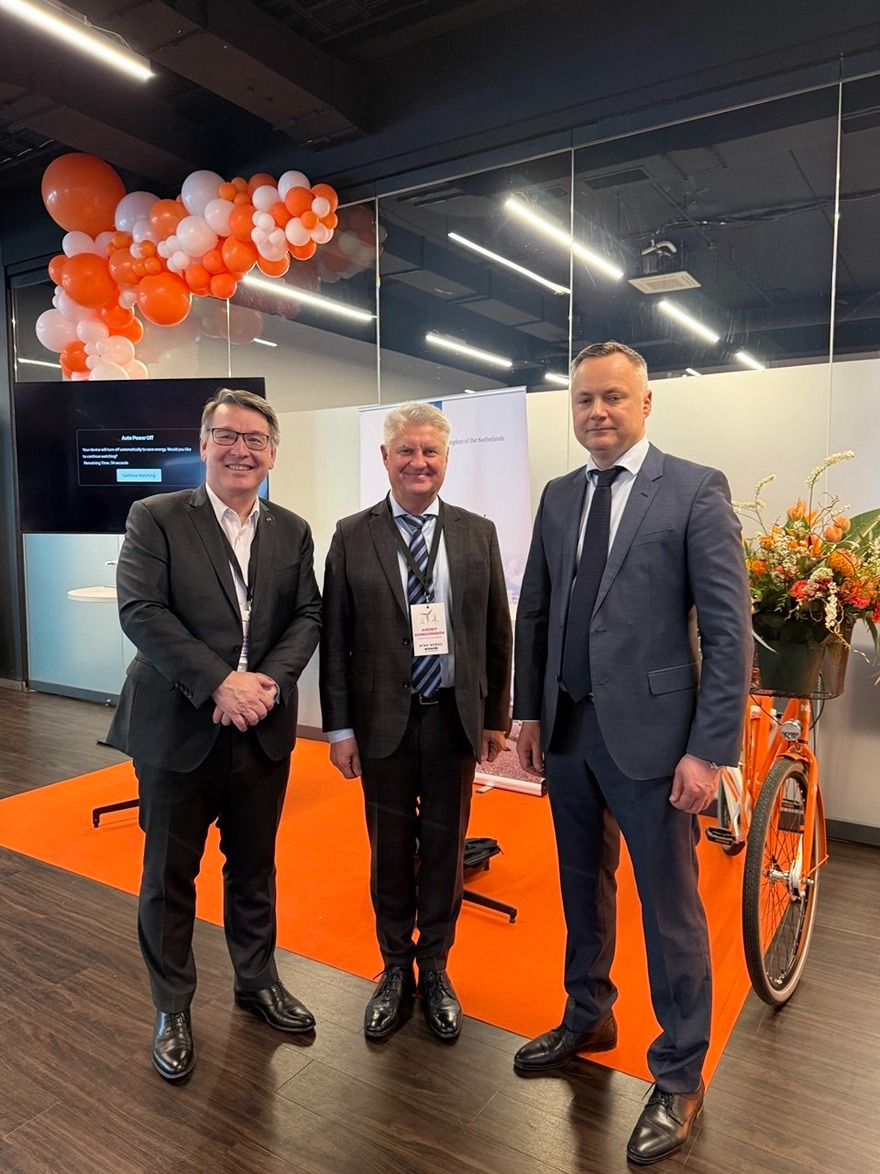
Representatives from Sika Ukraine LLC, Kostiantyn Horbachov, Head of the Wind Energy Division, and Oleksii Huniak, Product Engineer in the Concrete Department, provided insights into advanced waterproofing solutions for underground foundation sections and precision grouting techniques. They highlighted materials designed for extreme temperatures and harsh weather conditions. “Sika Ukraine offers a full range of solutions for wind energy projects, including surface protection, bonding, joint sealing, injection systems, high-performance concrete additives, grouting, repair, and waterproofing,” they noted.
From MC-Bauchemie Ukraine, Artem Zakharov, Project Manager, and Yevheniia Tykholaz, Head of the Berezan Laboratory, showcased the capabilities of their concrete testing lab. Their facility conducts cement and aggregate testing, concrete mix design, and thermal emission studies. The speakers also presented an extensive portfolio of concrete additives produced by MC-Bauchemie Ukraine.
A combination of cutting-edge technology and rigorous quality control throughout the construction process - from design to operation - ensures the reliability of wind turbine foundations. The main conclusions drawn from the event include:
The webinar reinforced the need for continued discussions and research in this field. UWEA remains committed to organizing further online events aimed at improving wind energy construction standards in Ukraine.
Webinar Recording:
On 17 February 2025, the Chairman of the UWEA Board, Andriy Konechenkov, visited the town of Borodianka, Kyiv region, to inaugurate a 15 kW autonomous solar power plant installed at the Kazka Kindergarten.
This solar system was deployed under the #Renewables4Ukraine initiative, launched by the World Wind Energy Association (WWEA) and the Global100RE platform, in partnership with UWEA. The project was funded by the Finnish non-profit organization EKOenergy, with additional support from the Vidvazhnykh (Brave) charity organization. This marks the second successfully completed solar installation in Borodianka – a town that suffered severe destruction during the full-scale Russian invasion in 2022.
The installation was carried out by specialists from Green System LLC. According to Andriy Konechenkov, this solar power system is the largest one installed under the #Renewables4Ukraine initiative in Irpin, Borodyanka, and other affected cities: “This is a real alternative to diesel generators, which would otherwise be the only backup power source here. Diesel generators are noisy, consume fuel, and require constant maintenance. In contrast, solar power operates silently, requires no fuel expenses, and is an environmentally friendly solution. We will continue our work to ensure that even more social institutions in war-affected regions gain access to renewable energy.”
Stefan Gsänger, Secretary General of the WWEA and Co Chair of Global100RE: “In light of the most recent, dramatic international developments, it is more significant than ever before that the renewable energy community shows their practical solidarity with people in Ukraine, in particular with children who are the most vulnerable part of our societies.”
The kindergarten’s director, Nataliia Gerasymenko, emphasized that the new solar system will not only power the facility but also provide lighting for its bomb shelter, ensuring safety for children during air raids: “Previously, whenever an air raid alarm sounded, we had to take the children to the shelter – often in complete darkness, using only flashlights. It was extremely inconvenient, especially for young children. Now, thanks to this project, we will have light and ventilation even during power outages. This is a major step forward in ensuring the safety of our children.”
UWEA extends its deep gratitude to all partners and donors who made this project possible. Together, we are not only powering essential infrastructure but also laying the foundation for Ukraine’s sustainable energy future.


On 19 February 2025, the UWEA, in partnership with Green Deal Ukraїna, the EUEA, and IMEPOWER, hosted a closed-door online discussion focused on unlocking private investments in Ukraine’s renewable energy sector. The event gathered key industry leaders, government officials, and financial institutions to address the urgent challenges facing investors in Ukraine. Private investment is the foundation of Ukraine’s “green” energy transition, yet the 2024 pilot renewable energy auctions exposed major market weaknesses: limited access to financing, high war-related risks, and regulatory instability, all of which continue to deter capital inflows. In response, UWEA and EUEA have initiated the creation of a Minimum Price Guarantee Fund - a strategic financial mechanism aimed at fostering a predictable and competitive investment environment for renewable energy in Ukraine.
Industry experts, including representatives from the EBRD and the European Commission, explored practical solutions to accelerate private investments in Ukraine’s energy sector. Key topics included:
Oleksandr Podprugin, Vice Chair of UWEA, emphasized that the proposed mechanism is not a subsidy but rather a market-driven solution designed to incentivize new power generation investments: “The proposed mechanism is built on market principles and is designed to attract private capital rather than rely on subsidies. However, ensuring the fund’s financial resilience is critical to preventing systemic risks. To achieve this, we have introduced several safeguards: the guaranteed price will be set 20-30% below market forecasts to minimize fund utilization; risk-sharing mechanisms and competitive selection among participants will help optimize insurance costs; and participant contributions will provide the foundation for scaling and long-term financial stability.”
A key principle, Podprugin noted, is the fund’s independence from the Ukrainian state, given the current economic and political vulnerabilities: “State guarantees in Ukraine are not yet fully ‘bankable.’ To successfully launch this mechanism, we need a strong international lead, such as the EBRD. Without such a fund and the support of international donors, developing new renewable energy projects in Ukraine will remain an extremely difficult task, and the country’s energy system will struggle to achieve the necessary resilience and modernization.”
Representatives from key international financial institutions echoed the need for regulatory and financial stability in attracting large-scale, long-term investments.
Olga Yeriomina, Senior Banker at the EBRD: “Investors require predictability, as these investments are large and long-term. It is encouraging to see so many donors willing to support this initiative and collaborate with relevant government bodies to develop a competitive and resilient renewable energy market in Ukraine.”
Áron Kerpel-Fronius, Energy Policy Advisor, EU Delegation to Ukraine: “Strengthening Ukraine’s energy resilience is one of the EU’s key political priorities. We recognize the urgency and significance of this initiative and see strong donor interest in supporting it. Our next step is to meet with renewable energy producers to allow international donors to gain deeper insight into the projects eligible for fund support.”
Charles-Antoine de Crombrugghe, Policy Officer, European Commission (DG ENEST): “A guaranteed fund can play a crucial role in reducing volatility and enabling projects to reach fruition. By focusing on a single, tailored instrument, we can ensure that existing pipelines materialize effectively. However, beyond immediate and medium-term benefits, careful thought must be given to the fund’s exit strategy. Such a fund should always be viewed as an intermediate solution, complementing broader efforts on enlargement and reforms. The ultimate goal remains a self-sustaining market in Ukraine, eliminating the need for such financial mechanisms. Until then, strategic stopgap measures, like the one presented today, are essential.”
Ukraine’s energy transition cannot wait! Despite the ongoing war, decisive action must be taken today to create a stable, bankable environment for investors. The Minimum Price Guarantee Fund represents a real, tangible tool for attracting international capital and accelerating the deployment of renewable energy projects in Ukraine.
UWEA extends its deep gratitude to all partners and participants of the discussion for their valuable contributions and support. The Association remains committed to advocating for solutions that will make Ukraine’s renewable energy market more predictable, stable, and attractive to investors.
The Ukrainian Wind Energy Association (UWEA) and the Swedish Wind Energy Association (SWEA) have signed a Memorandum of Understanding (MoU) to enhance collaboration in wind energy development. The agreement aims to leverage Sweden’s expertise and investment potential to support Ukraine’s energy transition and post-war recovery.
Recognizing the critical role of wind energy in ensuring energy security and achieving sustainability goals, the MoU outlines key areas of cooperation, including knowledge exchange, joint research, policy support, and investment facilitation. The partnership will prioritize both onshore and offshore wind energy projects, which are vital to Ukraine’s long-term energy independence.
Andriy Konechenkov, Chairman of the UWEA Board, stated: “The signing of this Memorandum marks an important milestone in strengthening Ukrainian-Swedish cooperation in wind energy development. Sweden has long been a leader in renewable energy, and its experience, technological expertise, and investment support are crucial for Ukraine’s post-war recovery and energy transition. Despite the challenges of war, wind power has proven its resilience, ensuring energy security for Ukraine and laying the foundation for a sustainable future. Expanding our cooperation with Sweden will accelerate the development of both onshore and offshore wind power, reinforcing Ukraine’s energy independence. Swedish investors have played an important role in Ukraine’s renewable energy sector even before the war, bringing not only capital but also high standards of project implementation. We highly value our previous experience working with Swedish partners and are confident that this collaboration will continue to grow, driving innovation and strengthening Ukraine’s position in the European energy market.”
Daniel Badman, CEO of the Swedish Wind Energy Association, added: “Energy security is at the heart of the European agenda right now, and a common interest for us all. Breaking free from Russian energy supply is both a driving force and the effect of European renewable energy expansion. We have already seen several initiatives from member companies sharing equipment with the Ukrainian market, and we are hoping that this initiative will strengthen the bonds between us, increasing future cooperation.”
The MoU will facilitate joint initiatives, including working visits, industry events, and research projects, with a focus on advancing Ukraine’s wind energy sector.
Both associations will work closely to align policies and strategies that foster investment and innovation. This agreement underscores the growing commitment of European wind energy associations to support Ukraine’s resilience and clean energy transition.
As the country rebuilds its energy infrastructure, partnerships like this one will play a crucial role in accelerating the shift to a more sustainable and independent energy future.
We sincerely thank our Swedish partners for their unwavering support, trust, and commitment to Ukraine’s energy transformation during these challenging times. Their dedication to fostering clean energy solutions and their continued belief in Ukraine’s potential are invaluable. We deeply appreciate their steadfast partnership, which plays a crucial role in accelerating Ukraine’s green transition.
On 07 February 2025, Andriy Konechenkov, Chairman of the UWEA Board, and Yevhenii Kontorshchykov, UWEA’s analyst, visited Myrhorod to inaugurate an autonomous solar power plant installed at Preschool Educational Institution No. 12 “Svitlyachok.” The institution, which accommodates 185 children, is now equipped with a 10.4 kW rooftop solar PV system and a 12 kWh battery storage unit.
The solar system was installed as part of the #Renewables4Ukraine initiative launched by the World Wind Energy Association and the Global100RE Global Platform in cooperation with the UWEA. The project, worth €18,000, was funded by a charitable donation from the Finnish non-profit organisation EKOenergy to support Ukraine's social infrastructure during the war.
According to Chairman of Myrhorod City Council Serhii Solomakha, the solar power plant will not only enhance the kindergarten’s energy security but also provide children with an environmentally friendly learning space, aligned with modern sustainability standards. The new system ensures a backup power supply, mitigating risks of heating and water supply disruptions.
Stefan Gsänger, WWEA Secretary General: “It gives us great satisfaction and pleasure to be able to provide the children of this kindergarten with a stable electricity supply once again. The significance of this goes far beyond this individual project. It sends a message about the foundations on which a better, more peaceful, and prosperous world can be built. We are extremely grateful to everyone who made this solar installation possible.”
“Our mission is to promote green energy, including among children. We help communities achieve energy independence because every installed kilowatt of renewable energy is not just a cost-saving measure—it’s an investment in their future. This is already our 14th solar power project and the fourth specifically for a preschool facility. We want our children to grow up and continue building Ukraine using clean and local energy sources,” commented Andriy Konechenkov.
The successful implementation of the “Svitlyachok” solar project is yet another testament to the fact that renewable energy is not just a modern trend but a real solution for ensuring a stable and secure future for Ukraine’s youngest generation. UWEA extends its sincere gratitude to the WWEA, and Eco Energy, and the Myrhorod City Council, who supported this critical initiative. A special thanks to the Green System LLC team for their high-quality and timely installation work.


On 07 February 2025, President of Ukraine Volodymyr Zelenskyy signed Law No. 4213-IX, officially titled “On Amendments to Certain Laws of Ukraine in the Energy and Heat Supply Sectors to Clarify Provisions Related to Martial Law in Ukraine” (registration No. 9381). This long-anticipated legislation introduces several key market provisions.
The law addresses market abuse in the wholesale electricity market, disclosure of insider information, penalties for violations, electricity imports, cogeneration plant status, licensing, active consumers, green auctions, and more. However, one of its most significant provisions is the introduction of the capacity booking/reservation service, a game-changing measure for the Ukrainian energy market.
Key Provisions:
The UWEA expresses its gratitude to the Parliamentary Committee on Energy and Utilities for reviewing and supporting these provisions, as well as to the President of Ukraine for signing this critical legislation. By introducing the capacity booking service and directing funds toward electricity market debt repayment, this law represents a significant step toward enhancing market stability, improving investment attractiveness, and securing energy resilience during wartime conditions.
On 04 February 2025, Oschadbank (Ukrainian bank) announced the signing of multiple agreements with Eco-Optima Group to finance the construction of the Sokalska Wind Farm, a 39.9 MW project in Lviv region.
The Sokalska WPP will feature seven state-of-the-art wind turbines manufactured by the German company NORDEX, a proud member of the UWEA. The wind farm is expected to generate approximately 122 million kWh of green electricity annually, making a significant contribution to Ukraine’s energy resilience.
Zinoviy Kozytskyy, owner of the Eco-Optima Group and UWEA Board Member: “Building new power stations is an essential step in restoring Ukraine’s energy system, which has suffered severe destruction at the hands of russia. The fact that we managed to finalize a loan agreement with Oschadbank in a record time of just 2.5 months is a testament to our commitment and efficiency. This milestone marks the beginning of a strong collaboration between Eco-Optima and Oschadbank. There is still much work ahead, but we have taken the first and most crucial step.”
The total financing provided by Oschadbank amounts to €40 million, including a confirmed irrevocable green letter of credit worth over €23 million, with participation from the EBRD as a partner bank.
Yuriy Katsion, Deputy Chairman of the Board at Oschadbank, responsible for corporate business: “The construction of the Sokalska WPP is a game-changer—not just for the local community, but for Ukraine as a whole. With a timeline of just over a year, this project will help restore lost generation capacity and contribute to a greener energy mix. For the Sokalska community, the wind farm will create jobs, generate revenue from land use fees, and provide an alternative power source. Additionally, the project will spur infrastructure development, including road improvements. The impact of these investments extends far beyond the business plan—it’s about rebuilding Ukraine’s future, and that is truly inspiring.”
The UWEA extends its warmest congratulations to Eco-Optima, NORDEX, and Oschadbank for this significant step forward in Ukraine’s wind energy sector. This project stands as further proof that Ukraine’s path to energy independence is inseparable from renewables and wind power. We wish the team a smooth and successful implementation of the project and look forward to seeing new, ambitious milestones achieved on the journey toward a greener, more sustainable Ukraine!
Andriy Konechenkov, Chairman of UWEA: “The development of wind energy is more than just an economic decision—it is a strategic commitment to strengthening Ukraine’s energy security. The Sokalska WPP symbolizes resilience and renewal, proving how international partnerships, professional expertise, and financial support can accelerate Ukraine’s energy transformation. We celebrate this milestone and hope it serves as an example for further successful investments in Ukraine’s wind energy sector.”


DTEK, the parent company of DTEK Renewables, UWEA’s member, has announced the largest-ever investment in Ukraine’s energy sector—€450 million—to complete the Tyligulska Wind Farm. Under the agreement, banks will provide €370 million in loans, guaranteed by Denmark’s Export and Investment Fund (EIFO), the majority of which will finance the purchase of 64 Vestas EnVentus V162-6.0 MW turbines. The remaining project cost will be covered by DTEK’s own funds.
This agreement accelerates construction, as the company has already installed cable networks and foundations. The number of turbines in the expanded wind farm will increase from 19 to 83, and its capacity will quadruple—from 114 MW to 500 MW. Once fully operational, the Tyligulska Wind Farm will generate 1.7 TWh of electricity annually, enough to power 900,000 Ukrainian homes—equivalent to the energy needed to charge every smartphone in the EU for a year, according to the company’s press release.
Henrik Andersen, President and CEO of Vestas, remarked: “We are proud to strengthen our collaboration with DTEK by providing cutting-edge solutions for the Tyligulska Wind Farm, which will bolster Ukraine’s energy system. I want to thank DTEK for their visionary leadership, as well as the Danish, Ukrainian, and EU authorities for their strong support of this ambitious project, which will enhance Ukraine’s energy security.”
Upon completion of its second phase, the Tyligulska Wind Farm will become Ukraine’s largest, with total investments reaching €650 million. Turbine installation for the second phase is slated to begin in the first half of 2025, with the wind farm fully operational by late 2026.
At the World Economic Forum in Davos, Ukraine’s First Deputy Prime Minister and Minister of Economy, Yuliia Svyrydenko, stated: “The construction of the Tyligulska Wind Farm, set to be the largest in Eastern Europe, is a significant milestone in Ukraine’s National Energy and Climate Plan, strengthening energy security and advancing economic decarbonization. Supported by the Danish Export Credit Agency and the Danish Government, this project sends a powerful message to our partners and investors: Ukraine’s recovery projects are open for investment today.”
Andriy Konechenkov, Chairman of the UWEA Board, added: “Securing the largest energy-sector investment in Ukraine’s history for the Tyligulska Wind Farm is a testament to global investors’ confidence in Ukraine’s renewable energy potential, even in challenging times. This project will not only bolster the nation’s energy security but also serve as a model for future recovery and decarbonization initiatives. We take pride in our members, such as DTEK Renewables and Vestas, for demonstrating leadership and proving that Ukraine can become a key player on Europe’s green energy map.”


Elementum Energy, UWEA’s member, has signed Ukraine’s first-ever pilot agreement to stabilize electricity prices between the 100 MW Dnistrovska Wind Farm, managed by the company, and an industrial enterprise. The one-year contract is based on the CfD (Contract for Difference) mechanism, which enables businesses to forecast electricity costs and protects them from price fluctuations. This mechanism has been successfully implemented in other countries and is now being tested for the first time in Ukraine’s energy market.
Under the agreement, the parties establish a "price corridor"— a range within which market price fluctuations do not trigger additional settlements between the producer and consumer. If the market price exceeds the upper limit or drops below the lower limit, the difference is compensated by the respective party. In cases where the price surpasses the upper limit, the producer compensates the consumer, and if it falls below the lower limit, the consumer compensates the producer. Settlements are based on an indicative price index specified in the agreement (e.g., the day-ahead market base index) and the agreed electricity volume. Notably, physical electricity delivery is not part of this mechanism; all operations occur in the open market.
This approach minimizes volatility risks for both parties and facilitates efficient cost planning in the energy market.
The pilot project aims to evaluate the viability of the CfD mechanism under current Ukrainian energy market regulations. Olga Rybachuk, Managing Director of Elementum Energy, noted: “We are introducing an innovative tool in Ukraine's challenging energy market, where instability has become the norm. Our pilot project will help us assess how the CfD mechanism performs in real-world conditions and lay the foundation for its use in new large-scale projects that we are already developing.”
A key aspect of the agreement is its duration. Amid the uncertainties of war, businesses are reluctant to commit to long-term contracts of 10–20 years. However, price stabilization tools with terms of 1–3 years are attracting significant interest, as they offer cost predictability and risk reduction.
Elementum Energy is no stranger to implementing such tools in the market. This pilot agreement marks another step in the development of this mechanism, which could become a vital tool for the stable rebuilding of Ukraine’s energy infrastructure.
The UWEA warmly welcomes Elementum Energy's initiative and its significant contribution to implementing innovative support mechanisms in Ukraine's energy market. The first pilot CfD agreement marks a pivotal step towards stability and predictability in an otherwise volatile market. By taking this bold step, Elementum Energy demonstrates that Ukraine’s energy sector is ready to embrace advanced solutions that have proven successful globally. We are confident that this pilot project will lay the groundwork for broader adoption of the CfD mechanism, which will play a crucial role in the efficient recovery of Ukraine's energy infrastructure and facilitate its integration into European energy markets.

On December 12, 2024, at the Interfax-Ukraine media center, the Ukrainian Wind Energy Association (UWEA) held a press conference to summarize Ukraine’s wind power sector performance in 2024. During the event, UWEA Board members and representatives of Ukraine's wind energy business discussed the key trends that shaped the market's direction this year, including investment climate, regulatory changes, and innovative solutions and approaches.
At the start of the press conference, Andriy Konechenkov, Chairman of the UWEA Board, briefly outlined the current status of the wind energy market, stating that “compared to previous years, 2024 can be considered a setback, as only 20 MW of new wind power capacity was put into operation.” “This year, the market had high hopes for the launch of new market support mechanisms, such as the market premium mechanism and green auctions. Unfortunately, neither has functioned properly; the first has failed to operate as expected, and the second has not been successful. At a time of large-scale war, it's not the best time to experiment with business; on the contrary, business needs to see a partner,” he added.
Expanding on the opening remarks, invited speakers from leading wind energy companies shared their experiences in running business operations in 2024:
Ihor Retivov, Head of Regulatory Affairs at DTEK Renewables and member of the UWEA Legal Committee: "We still believe that this year will serve as a preparatory phase for future positive changes in the market, as reforms take time. Currently, DTEK Renewables is not resting on its laurels; we continue the construction of the second phase of the Tyligulska Wind Farm and the development of the wind projects in the Poltava and Vinnytsia regions. In total, our portfolio of future projects exceeds 1 GW. We have also opened a new direction of our activities - energy storage systems, with plans to build 200 MW of such systems.”
Olha Rybachuk, Managing Director of Elementum Energy and the UWEA Board member: “We also continue our operations. Currently, we are developing 200 MW of new wind power capacity in various parts of the Odesa region, which will be ready for construction next year. However, we do need a series of decisive political actions to support this segment of the energy sector, particularly regarding the unblocking of the ports of Odesa, as difficulties in delivering equipment to the site are significantly increasing the project’s budget.”
During her speech, Ms. Rybachuk also made an important announcement, informing that on December 11, Elementum Energy successfully closed the deal to acquire a 200 MW wind energy project in western Ukraine. The expected annual generation of new wind farms will be about 700 GWh, which is equivalent to the annual electricity consumption of about 600,000 people.
Oleksandr Podprugin, Country Manager at Notus Energy and Vice Chairman of the UWEA Board: “Our company entered the Ukrainian wind energy market in 2019, already having a few project ideas. One of these projects was planned for 2022, but it was delayed due to Russia's invasion. Now, we are working towards launching this construction in 2025. This will be a 120 MW wind farm in the Odesa region. However, the main investment problem in the Ukrainian market is scaling, as all the projects currently under construction or development are rather the exception. In reality, the business is facing a critical shortage of fully functional financing mechanisms for wind energy projects on the scale required by the energy system.”
Vladyslav Yaremenko, CEO of MC “Wind Parks of Ukraine”: “The relocation of our production from the east to the west was an important step for its continued stable operation. Although our company faces the same challenges as others in the market, we are striving to find unconventional solutions. For instance, we created our own logistics company, Friendly Logistics LLC, and are developing an entire industrial park in Zakarpattia. We are also building the first wind farm in this region: two wind turbines have already been put into operation, and the substation is under construction. We plan to complete the project by May 2025. In total, our future project portfolio amounts to 1.5 GW.” During the press conference, Mr. Yaremenko also shared his company’s unique experience in working with local communities in Zakarpattia, conservation efforts for valuable Carpathian ecosystems, and the development of social housing for internally displaced persons (IDPs).
The second part of the press conference focused on discussing current regulatory challenges and barriers that pose significant obstacles for both international and national investors. The discussion touched upon "green" auctions, free market trading, and the market premium mechanism. In particular, regarding the latter, Olha Rybachuk, a representative of the company that relied on this mechanism, noted that “for the past 10 months, none of the companies under this mechanism have received any payments. Furthermore, companies that have chosen this mechanism are significantly discriminated against, as they are required to unload four times more often than companies still under the ‘green’ tariff system.”
Oleksandr Podprugin, in turn, once again addressed the issue of securing financing for new wind energy projects, emphasizing that an effective solution could be the corporate PPA mechanism, with stability ensured by a special fund that guarantees a minimum electricity price on the market.
UWEA representatives concluded their discussion by considering the creation of a separate government institution dedicated to the development of “green” energy in Ukraine. “Such an entity could indeed shift the focus of business away from solving regulatory problems towards the implementation of projects and innovations,” highlighted Vladyslav Yaremenko.
UWEA expresses its gratitude to the press conference speakers for their candid discussion, to all participants in the wind energy market for their resilience and continued operations despite all difficulties and challenges, and to national media representatives for their support in highlighting urgent sector issues and promoting its achievements.


On December 4–5, 2024, the city of Gothenburg, Sweden, hosted the EoLIS seminar organized by WindEurope. The event focused on critical challenges and innovative strategies for addressing the end-of-life stage of wind turbines. One of the pivotal sessions delved into the topic of investment decisions and the motivations behind purchasing used wind turbines, offering a unique perspective from buyers.
Among the distinguished speakers was Kateryna Knysh, Head of Analytics at the UWEA and Business Development Director at MCL. Kateryna provided a compelling presentation highlighting the prospects of used wind turbines in Ukraine, showcasing their growing appeal to Ukrainian buyers. Her presentation explored the evolution of the used wind turbine market in Ukraine, profiled the modern Ukrainian buyer, and outlined the key advantages of choosing used turbines over new ones. She also shared an example of a recent MCL project specifically designed to integrate used turbines and unveiled potential locations for future projects.
“According to UWEA data, the total installed capacity of used wind turbines in Ukraine currently stands at 32 MW, with an average unit capacity of 1.24 MW. However, starting in 2024, Ukrainian buyers are increasingly interested in turbines with a unit capacity of 2 MW or more, driven primarily by a deficit in energy generation within the system,” Kateryna stated. She emphasized that using second-hand turbines is a critical necessity shaped by wartime realities:
“This is a fast and cost-effective investment solution for small and medium-sized businesses, as well as for critical local infrastructure, including water utilities.”
In response to audience questions about the challenges faced by Ukrainian buyers of used wind turbines, Kateryna outlined two primary issues:
1. Operations and Maintenance: The market faces a significant shortage of qualified personnel and service centers. “We are also keen to develop training programs for Ukrainian personnel,” Kateryna added.
2. Equipment Quality: Buyers prioritize refurbished turbines with a minimum 10-year operational warranty. “We take equipment quality very seriously. Our buyers are only interested in refurbished wind turbines that come with a manufacturer’s guarantee of at least 10 years of further operation,” she emphasized.
The session was moderated by the CEO of Business in Wind, a company that recently joined UWEA. The moderator underscored the company's expertise in conducting high-quality refurbishments and ensuring stable turbine performance, a key factor for Ukrainian buyers.
UWEA expresses its deep gratitude to WindEurope for providing another platform to showcase Ukraine’s wind energy market and for its continued support of Ukraine during these challenging times.


On December 5, 2024, Andriy Konechenkov, Chairman of the UWEA Board, along with two members of UWEA’s Legal Affairs Committee—Ihor Retivov from DTEK Renewables and Olha Savchenko from Altelaw—shared their views on the results of Ukraine's initial pilot “green” auctions. They spoke as panelists at a thematic online event organized by the UN Global Compact in Ukraine in collaboration with ExPro, as part of the Ukraine Energy Initiative.
The event aimed to present the renewable energy sector’s business position on the state’s approach to implementing green auctions in Ukraine and the effectiveness of its interaction with market players throughout this process. “Investors lack trust in the state due to the unresolved and accumulating debt in the electricity market,” emphasized Andriy Konechenkov. “We could discuss investors’ interest in participating in state-run green auctions if the state fulfills its financial obligations to renewable energy producers for consumed green electricity, approves Draft Law
No. 11392 (which would allow a single auction participant to bid for 50% of the quota, instead of the current 25%), and revises the proposed quotas to align with the targets outlined in the National Renewable Energy Action Plan through 2030. If we aspire to become part of the EU, it is only fair to align with its auction policies rather than wasting time testing and fixing a flawed model,” he added.
“I believe the issue with “green” auctions is ideological. They replaced the feed-in tariff, so the state’s attitude toward this model is biased from the outset,” suggested Ihor Retyvov. “There was no dialogue with business representatives regarding the opportunities and challenges of projects already existing or ready for construction in Ukraine. As a result, the quotas proposed for the 2024 auction, and the already announced auction for 2025, given the current auction model, are unrealistic and unlikely to attract major players,” he added.
The UWEA representatives also suggested that, apart from resolving existing market challenges, involving small-scale distributed generation in the auction process could positively influence the number of bidders.
A specific topic sparking discussion among the invited speakers was splitting the 250 MW wind energy quota for 2025 into two separate iterations of 100 MW and 150 MW. “In my opinion, there is no critical need for such a division,” commented Andriy Konechenkov. “The larger the quota, the more participants and the higher the competition. I believe the best course of action would be to conduct an auction for 250 MW and then increase this quota to at least 800 MW in 2026.”
In turn, Olga Savchenko outlined the issues behind the refusal to participate in auctions based on the following criteria: military risks and insufficient development of insurance mechanisms for such risks; uncertainty regarding the financing mechanism for public service obligations (PSOs), stemming from inadequate guarantees when separating the cost of the service to increase electricity generation from alternative sources from the transmission tariff and widespread distrust in the state, fueled by concerns that it may retrospectively impose highly unfavorable auction conditions outlined in secondary legislation.
“Since February 2024, there have been no payments under the market premium (FiP) mechanism, whereas this is the tool designed to support projects after an investor has won an auction.’,” stressed Olga. Additionally, Olga emphasized the need to extend the timeframes for verifying land plots or real estate objects that will be proposed for investment and development in future auctions
As a result of the discussion, the organizers will prepare a White Paper with recommendations for improving the auction model in Ukraine and increasing investors’ interest in future auctions.
From November 22 to 29, 2024, representatives of the Board and Secretariat of the UWEA, together with NPC Ukrenergo, undertook a working visit to the Kingdom of the Netherlands. The visit aimed to deepen partnerships between Ukrainian and Dutch wind energy sectors, exchange views on rebuilding Ukraine's energy system, and develop joint project initiatives. Key discussions focused on the development of onshore and offshore wind energy, as well as implementing renovated wind turbines and freshly produced WTGs with a unit capacity of up to 1 MW to meet the energy needs of small and medium-sized businesses.
This initiative was made possible through the efforts of NedZero, the Netherlands Wind Energy Association, with support from the Embassy of the Kingdom of the Netherlands in Ukraine and funding from the Netherlands Enterprise Agency (RVO) at the Ministry of Economic Affairs and Climate Policy of the Netherlands. The visit was built on the successfully implemented project aimed at fostering wind energy rollout in Ukraine.
In addition to B2B meetings, the week-long visit included participation in key industry events such as the international conference "Decentralized Energy Solutions for Ukraine's Security" on November 25 in The Hague and the two-day Offshore Wind Conference and Exhibition in Amsterdam. During the latter, UWEA representatives presented the current status of Ukraine's onshore wind sector and its technical offshore wind potential in a dedicated session "Onshore and Offshore Wind Solutions for Ukraine's Economic Resilience," which was held on November 26, 2024.
The session featured speakers such as UWEA Board Members Galyna Shmidt and Ivan Bondarchuk (partner at LCF law firm) alongside UWEA’s Head of Analytics and MCL's Business Development Director Kateryna Knysh. Their presentations explored market conditions, legislative and regulatory frameworks, and investment opportunities in Ukraine's wind energy sector, capturing the audience's keen interest.
The highlight of the visit was the ceremonial signing of a Memorandum of Partnership and Cooperation between UWEA and NedZero. The memorandum was signed by Andriy Konechenkov, Chairman of the UWEA Board, and Jan Vos, Chairman of NedZero, marking a milestone in fostering collaboration between Ukrainian and Dutch wind energy industries.
Jan Vos: "We must protect Europe and Ukraine together. Energy security is vital to national defense, as energy underpins all military and economic systems. Supporting Ukraine is critical now more than ever."
Andriy Konechenkov: "I extend my gratitude to NedZero and the Dutch people for their dedication and partnership. This collaboration symbolizes a powerful synergy between Ukraine and the Netherlands, united in our commitment to clean, renewable energy for a sustainable and secure future."
The visit also included meetings with Dutch companies and their production facilities, such as Business in Wind, the UWEA member company specializing in refurbishing and commissioning used wind turbines, and EWT, a leading producer of wind turbines with a unit capacity of up to 1 MW. Both companies expressed clear intentions to expand their operations in Ukraine. Additionally, the delegation visited Eemshaven Port, a major industrial and energy hub hosting large-scale renewable and conventional energy projects, as well as the submarine cable manufacturing facility of TKF.
A dedicated meeting with TenneT, the Dutch transmission system operator, was arranged for Roman Grabchak, Head of the Balance Reliability Department at NPC Ukrenergo, highlighting a mutual commitment to knowledge exchange in grid management.
The UWEA delegation also invited NedZero’s leadership to meet with DRI, a company developing wind energy projects across Europe, to further solidify ties.
UWEA extends its gratitude to all partners involved in organizing this pivotal visit, particularly NedZero, the Embassy of the Kingdom of the Netherlands in Ukraine, the Netherlands Enterprise Agency (RVO), and the companies that welcomed the Ukrainian delegation. Together, these efforts will pave the way for a robust collaboration between the Ukrainian and Dutch wind energy sectors, driving innovation and sustainability in a time of global energy transformation.


As part of a working visit to the Kingdom of the Netherlands, a Ukrainian delegation led by the UWEA participated in the international conference “Decentralized Energy Solutions for Ukraine’s Security,” held on November 25, 2024, in the Hague.
The conference, organized by Ukraine Facility Platform and Open Door Ukraine - two prominent NGOs spearheading strategic development and cooperation between Ukraine and the European Union - convened professionals in renewable energy, investors, business leaders, policymakers, and local government representatives at the prestigious Clingendael Institute. Together, they addressed Ukraine’s most pressing challenge: rebuilding its energy infrastructure.
During the event, participants explored the deployment of advanced decentralized systems in Ukraine, integrating solar and wind energy, bioenergy, and energy storage technologies.
In her opening remarks, Lana Zerkal, former Deputy Minister of Foreign Affairs (2014-2019) and a representative of Ukraine Facility Platform, emphasized: “Ukraine requires a new modus operandi for its energy system. Decentralized renewable energy solutions offer a resilient strategy for Ukraine’s energy security, aligning with climate goals and reinforcing Europe’s strategic autonomy.”
The Special Envoy for Ukraine at the Ministry of Foreign Affairs of the Netherlands, Erica Schouten, highlighted the urgency of sustainable solutions: “Ukrainian winters are long, and merely restoring damaged equipment will not suffice. Ukraine needs two things today: a) enhanced air defense systems, and b) a more decentralized and sustainable national energy system. The Netherlands stands ready to fully support Ukraine, including advancing renewable energy systems through both financial and insurance instruments.”
Andriy Konechenkov, Chairman of the UWEA Board and head of the Ukrainian delegation, addressed the session “Uniting Investment and Innovation: Strategies for Ukraine’s Energy Transition” by underscoring wind energy’s pivotal role in developing a decentralized energy framework: “Ukraine has many strategies and plans for renewable energy development, but success hinges on a unified vision and shared goals, as seen in the EU. Wind energy projects must attain the status of Overriding Public Interest. Furthermore, the effective utilization of Ukraine’s renewable energy potential, including wind capacity, requires a balanced regulatory environment, robust state support, and investment facilitation tools.”
Andriy Gerus, Chair of the Verkhovna Rada Committee on Energy and Housing and Utilities Services, echoed this sentiment, stating: “In today’s Ukrainian reality, the question is not whether to rebuild existing facilities or construct new ones. We demand a comprehensive approach, which necessitates a decentralized system with generation closer to consumers.”
UWEA extends its gratitude to the Netherlands Enterprise Agency (RVO) under the Ministry of Economic Affairs and Climate Policy of the Netherlands and the NedZero Association for organizing the Ukrainian delegation’s visit to the Kingdom of the Netherlands.


On November 8, 2024, representatives from the UWEA participated in an expert discussion on Draft Law No. 11392, held as part of the event “Opportunities for Green Transformation of Ukraine’s Energy Sector,” organized with the support of UNDP under the Ukraine Green Energy Recovery Program.
Participants of the event, including representatives from the Verkhovna Rada Committee on Energy and Housing and Utilities, the Ministry of Energy of Ukraine, the NEURC, and industry associations, highlighted the importance of the bill and its role in advancing secure distributed generation and strengthening Ukraine’s energy security.
Roman Shakhmatenko, UNDP Portfolio Manager for Energy and Environmental Projects in Ukraine, noted: “This discussion and the work on the draft law are especially critical at this moment, as Ukraine's energy system is grappling with a crisis caused by Russian aggression and urgently requires solutions that will lay the groundwork for strengthening Ukraine's energy security for many years to come.”
Following the presentation of the draft law, participants engaged in a constructive dialogue about the proposed legislative changes and provisions. Specific solutions were discussed that could address existing market barriers and accelerate the rollout of renewable energy. The UWEA representatives expressed full support for changes such as:
Andriy Gerus, Chairman of the Verkhovna Rada Committee on Energy and Housing and Utilities, emphasized: “We have no choice but to build distributed generation. This is not only in the interest of our partners but also of businesses investing in Ukrainian energy projects. Therefore, it is important for us to create a regulatory environment that makes it easier to operate, plan, and attract investment.”
Andriy Konechenkov, Chairman of the UWEA Board, expressed strong support for the provisions of the bill, recognizing it as a key initiative toward creating a truly distributed energy network in Ukraine: “Draft Law No. 11392 is a vital initiative for the development of renewable energy, and we support its provisions, such as simplifying the connection process, which is particularly relevant for wind energy development in Ukraine. We also welcome provisions introducing a capacity reservation mechanism and enabling hybrid connections using existing infrastructure, as well as allowing the licensing of generating capacity exceeding the technical conditions at the connection point. These provisions will certainly contribute to stability and predictability for investors in the market.”
At the same time, Mr. Konechenkov pointed out some provisions of the bill that still raise concerns among market players. Specifically, the requirement to pay an advance for connection, set at 10 euros per kW when receiving technical conditions, poses a risk for projects that already have approved documentation and are ready for construction. This could create an additional financial burden for developers. Therefore, the UWEA proposed revising this mechanism, suggesting the advance payment be made one year after receiving the technical conditions and that payments for capacity reservation be directed to an escrow account. Such adjustments would help maintain a balance between state interests and the needs of investors, providing appropriate guarantees for both clients and network operators.
Overall, the discussion on Draft Law No. 11392 demonstrated the effectiveness of collaboration and dialogue between the state and the market. However, it also highlighted the challenges that still need to be addressed to accelerate the development of renewable energy in Ukraine. These discussions are essential for finding balanced solutions that will foster the stable development of the sector and ensure Ukraine's long-term energy security.


On October 25, 2024, the UWEA Board members convened in Kyiv in a hybrid format to address critical industry challenges, exchange insights on resolving pressing market issues, and align on key strategic initiatives for the coming years. Discussions spanned a variety of topics, including the operation of the Commercial Risk Guarantee Fund, policies to encourage consumers to sign corporate PPAs, the effectiveness of national policies in advancing renewable energy and wind power, the current state of small-scale and offshore wind markets in Ukraine, and the potential for projects using refurbished wind turbines.
Andriy Konechenkov, Chairman of the UWEA Board, opened the meeting by sharing the latest industry updates, legislative changes, the status of payments to wind energy producers, and UWEA’s achievements over the past three quarters. “I am pleased to announce that our Association is actively growing. Today, UWEA comprises 95 companies, and with pending membership applications, we are on the verge of reaching 100. I extend my gratitude to all companies who have chosen the UWEA and have stayed with us over the years. This motivates us to be even more active and effective,” he remarked.
A special agenda item was the renewal of the UWEA Board. “We aim not only for strong representation of key wind power operators and developers but also for gender balance,” noted Konechenkov, introducing the newly appointed Board member Natalia Hutarevych, Senior Counsel at Sayenko Kharenko, UWEA’s co-founder company. Ms. Hutarеvych joins the Board, succeeding Nazar Chernyavsky, who represented the law firm on the Board over the past two years.
Wind Farm LLC also saw a change in its representation, with Oleksandr Molyboh, the company’s Chief Energy Engineer, stepping in for Yuriy Zhabskyi, who will remain an honored guest of future Board meetings.
Finally, Ruslan Soichuk from Vindkraft Ukraine LLC has temporarily stepped down from the Board.
The UWEA extends its sincere appreciation to Mr. Chernyavsky, Mr. Zhabskyy, and Mr. Soichuk for their dedication to the Association, wishing them continued success in their wind energy ventures.
We warmly welcome Ms. Hutarevych and Mr. Molyboh to the Board and look forward to a productive and engaging collaboration ahead!


On October 23, 2024, in Kyiv, a Memorandum of Partnership and Cooperation was signed between the Ukrainian Wind Energy Association (UWEA) and the Institute of General Energy of the National Academy of Sciences of Ukraine. Through this Memorandum, both parties reaffirmed their commitment to collaborate on the effective and balanced development of Ukraine's energy sector, its "green" transformation, and post-war recovery. The organizations agreed to promote the use and experience of wind energy, explore modern wind power technologies, and work toward strengthening the national wind energy industry.
Andriy Konechenkov, Chairman of UWEA's Board:
“Today’s wind energy sector requires, among other things, a solid scientific approach, especially when it comes to planning the effective integration of wind power into Ukraine’s overall energy system and developing a national wind energy industry. That’s why broad cooperation with various institutions of the National Academy of Sciences of Ukraine has always been welcomed by our Association. I am confident that the partnership with the Institute of General Energy of the NAS of Ukraine will extend beyond the provisions of this Memorandum. Both parties have the professional and technical resources to implement diverse projects and ideas. In particular, the Institute possesses a robust technical base for conducting system analysis and forecasting the development of the energy sector and energy consumption, as well as for monitoring and diagnosing the technical condition and environmental impact of energy systems and facilities, which will be crucial for the industry's future development.”
Vitaliy Babak, Director of the Institute of General Energy of NAS of Ukraine:
“The signing of the Memorandum of Cooperation between our Institute and the Ukrainian Wind Energy Association is an important step toward advancing renewable energy in Ukraine. Wind energy is one of the key components of the energy transition we aim to implement in our country, considering the climate challenges and the need to reduce dependency on traditional energy sources. Our collaboration will combine the scientific potential of the Institute with the practical experience of the Association, facilitating the development of new technologies, research, and the implementation of innovative solutions in the wind energy sector. I am confident that through our joint efforts, we can contribute to the sustainable development of the sector and enhance Ukraine's energy security.”
UWEA is pleased to welcome the Institute of General Energy of NAS of Ukraine to its community of reliable partners and looks forward to fruitful cooperation for the benefit of Ukraine!

“The debt crisis in the renewable energy market remains severe,” emphasized Andriy Konechenkov, Chairman of the UWEA Board, speaking at the Energy Day 2024, organized by the European Business Association. As of September 2024, the debt owed by the SE “Energoatom” to the SE “Guaranteed Buyer” amounts to UAH 12.4 billion, while the SE “Guaranteed Buyer”, in turn, owes universal service providers UAH 12.3 billion. The situation is particularly severe with outstanding payments to renewable energy producers, which exceed UAH 35.8 billion.
As the UWEA has repeatedly informed, the debt chain to renewable energy producers begins with NPC “Ukrenergo”, which owes the SE “Guaranteed Buyer” around UAH 29 billion for services to increase the share of electricity produced from renewable sources. This is due to insufficient and incomplete tariff payments by other market participants (the current transmission tariff stands at UAH 528.57/MWh). Acting CEO of Ukrenergo, Oleksiy Brekht, recently stated that the company aims to achieve a break-even tariff for 2025, by, inter alia, raising it to UAH 780.41/MWh which could be one of the measures to resolve the protracted debt crisis, provided that market participants pay it on time and in full.
UWEA supports the national transmission system operator's intention to introduce an economically justified transmission tariff in 2025. According to our estimates, to cover the forecasted PSO for RES and the UAH 7 billion tariff deficit remaining from 2022-2023, the tariff needs to be at least UAH 710/MWh. However, even with this rate, it will be difficult for Ukrenergo to fully repay its debts to the SE “Guaranteed Buyer”.
The 2024 transmission tariff is also expected to be in deficit. It is estimated that the tariff will lack UAH 6-8 billion for the cost of PSO for RES alone. This deficit will be verified in 2025 and, accordingly, should be included in the 2025 tariff or future periods. “It is now crucial to stop the trend of deficit transmission tariffs, as this will continue to drive up the tariff to cover endless debts. The UWEA hopes that the NEURC will make a balanced decision and ensure stable funding for Ukrenergo,” commented Andriy Konechenkov.
UWEA also urges the Cabinet of Ministers of Ukraine, the Ministry of Energy, the Ministry of Economy, and the NEURC to continue working on finding financial sources and ways to improve the liquidity of the electricity market. One potential solution is engaging Ukrainian banks to provide targeted financing for Energoatom, which is currently being actively discussed.
While various options for restoring payment discipline in Ukraine’s electricity market are being considered by state market participants, including Ukrenergo, real results from the measures taken will only be achieved with the active involvement of all market stakeholders, including private businesses. The debt crisis is a shared challenge that affects the entire market—distribution and transmission system operators, , the Guaranteed Buyer, and RES electricity producers—so resolving it requires open and transparent dialogue between the government and businesses.
Moreover, the debt crisis is negatively impacting other market tools aimed at improving the market environment. For instance, because the SE “Guaranteed Buyer” appears financially unreliable, renewable energy producers are reluctant to participate in long-awaited auctions. This, in turn, threatens the government’s goal of constructing 6.1 GW of onshore wind projects by 2030, as outlined in the National Renewable Energy Action Plan—not to mention the start of offshore wind projects also included in the plan.
“Supporting market liquidity today is a matter of energy security and energy independence for Ukraine. The continued development of decentralized ‘green’ generation depends on favourable market conditions, which the government regularly commits to. We expect the government to move from declarations to actions and create attractive conditions for new investments in the renewable energy sector,” emphasized Andriy Konechenkov.
On October 10, 2024, the Embassy of the Kingdom of the Netherlands in Ukraine hosted the formal launch of the report “Legislation Fostering Wind Energy Development in Ukraine” by the Ukrainian Wind Energy Association (the UWEA). The report represents the outcomes of a special project aimed at identifying gaps in existing RES legislation and proposing comprehensive reforms to ensure the effective growth of wind energy in Ukraine. The proposed legislative changes cover environmental, construction, land, and other aspects of the wind energy project development and implementation process, as well as issues related to grid connection.
The project was made possible through the financial support of the Netherlands Enterprise Agency under the Ministry of Economic Affairs and Climate Policy of the Netherlands (RVO), with expert contributions from leading legal firms specializing in energy law, including LCF, Asters, INTEGRITES, Dentons, ARZINGER, DTEK Renewables, all of which are the UWEA members.
Andriy Konechenkov, Chairman of the UWEA Board and moderator of the event stated, “Through close collaboration and dialogue with actual market participants, and with the support of our Dutch partners, we developed this report. We hope that the adoption of the proposed changes to the sector's regulatory framework will simplify and accelerate the development of wind energy projects in Ukraine, foster a transparent, competitive, and, most importantly, predictable market environment, achieve the renewable energy development goals set in the National Renewable Energy Action Plan for 2030, and, ultimately, protect and attract private investment to Ukraine.”
Brem Romijn, Energy and Climate Attaché at the Embassy of the Kingdom of the Netherlands in Ukraine, remarked, “In the Netherlands, wind energy holds a special place. It is immensely important for our citizens. We believe that, under the current wartime conditions, wind energy represents a real solution for Ukraine, offering diversification and decentralization of its energy system. We see that the Ukrainian government shares this view, and we are pleased to contribute to the development of this sector. Enhancing the relevant legislative framework is critically important for investors at this moment.”
In his welcoming remarks, Serhii Vlasenko, Deputy Minister of Environmental Protection and Natural Resources of Ukraine, commented, “The presented report is indeed a thorough study. The Ministry is currently analyzing its section on legislative changes regarding Environmental Impact Assessments (EIA) and Strategic Environmental Assessments (SEA). Our Ministry fully supports wind deployment, as it is a 'green' solution and electricity generation that facilitates the energy transition away from fossil fuels. We will actively participate in implementing the recommendations provided in the report.”
Yurii Shafarenko, Deputy Head of the Main Department of the Directorate for Economic Policy of the Office of the President of Ukraine, in turn, noted, “We, at the Office of the President of Ukraine, have reviewed the report and conceptually support the implementation of the proposed legislative changes. Today, wind energy plays a crucial role for Ukraine, especially during the autumn-winter period, and it is essential to create the maximum possible incentives for the further development of this sector in Ukraine.”
“I want to thank the relevant Ministries for their support and willingness to further work on our recommendations. Yesterday, we also presented this report to the First Deputy Prime Minister and Minister of Economy, Yuliia Svyrydenko, and Andrii Gerus, Chairman of the Verkhovna Rada Committee on Energy and Utilities. I am confident that this 122-page report can serve as the foundation for significantly improving the investment climate in Ukraine's wind energy sector,” concluded Andriy Konechenkov, summing up the introductory part of the event.
In the second part of the event, the report's authors shared key findings and recommendations developed as a result of the analysis conducted.
Olena Sichkovska-Chornobyl, an energy counsel at the UWEA and company Notus Energy, who also acted as the project manager, was the first to speak. In her presentation, she outlined the project's objectives, tasks, and findings, drawing the audience's attention to the report's scope, structure, and research methodology.
Anzhelika Livitska, a partner at ARZINGER, presented in detail the proposals for necessary changes in EIA and SEA legislation. Thus, Anzhelika recommended exempting wind farms from the requirement to develop a Detailed Territory Plan during the period of martial law and for five years following the conclusion or cancellation of martial law. Furthermore, she stressed that the outdated regulation of general contracting agreements should be canceled, thus creating the preconditions for the use of standard international forms of contracts for the construction of RES facilities.
Serhii Datsiv, senior associate at INTEGRITES, highlighted bottlenecks in the existing procedure for changing the land use designation and proposed to simplify it by excluding conducting the extra EIA. He also proposed applying the “silent consent” principle for approving terms and conditions for the passage of large and heavy vehicles, (approval is automatically granted if no response is received within ten days of the request) and made recommendations on creating preconditions for the use of standard international forms of contracts for the construction of alternative energy facilities, cancellation of outdated regulation of general contracting agreements,
Viktoriya Demydenko, counsel at Asters, presented amendments to the current legislation regarding the location, construction, and maintenance of access roads, as well as changes simplifying obtaining aviation permit and approving the height of wind turbines.
Following Victoria's presentation, another Asters representative at the event, Marta Halabala, counsel, covered the section of the report related to the distribution of cross-border crossings for RES and electricity export.
One of the report’s most extensive sections is dedicated to extending the validity of permit documents, particularly technical conditions for grid connections. In his speech, Ivan Bondarchuk, a partner at LCF, not only focused on key challenges of the existing permitting procedure but proposed several solutions, such as capacity booking options, direct connection to consumers, and reforming the mechanism of contracts for difference and feed-in premium.
Serhii Chaus, a manager of the Engineering Department at DTEK Renewables, supported Ivan’s proposals and shared his experience on this issue. Serhii also stressed the need to change the outdated methodology for calculating the power system's operating modes.
Finally, Maksym Sysoiev, a partner at Dentons, elaborated on the proposals regarding the operation of energy storage systems, the creation of the possibility of allowing installed capacity to exceed ordered capacity, considering existing permitted capacity, and the introduction of cable pooling technology
legislative amendments related to grid connections, in particular, to the operation of energy storage facilities and the possibility of “adding” wind and/or solar capacities to an existing RES plant.
UWEA expresses its gratitude to all those involved in the project for their genuine commitment to promoting and speeding up the rollout of wind energy and making Ukraine’s wind market more attractive to international investors and financial institutions.


From September 24 to 27, 2024, the UWEA Secretariat, and the UWEA member companies, joined WindEnergy Hamburg 2024 – the world’s largest exhibition and conference on onshore and offshore wind energy. Held biennially in Hamburg, Germany, this year’s event celebrated its 10th anniversary, bringing together industry leaders, innovators, and visionaries shaping the future of renewable energy. Among them were participants from Ukraine’s wind energy sector, represented at the UWEA’s dedicated stand.
This year’s stand was themed "W(i)ndependence: Freedom Through Energy," with the face of the exhibit being a stunning image of DTEK Renewables’ Tyligulska Wind Farm. A digital catalog, specially developed for the event, showcased key players in Ukraine’s wind market, featuring 12 companies contributing to the different components of an onshore wind power supply chain: https://uwea.webflow.io.
The UWEA stand was one of over 1,600 exhibitors spread across 75,000 square meters and 10 halls, while Ukraine stood among 40 nations represented at the exhibition. Over 300 speakers across five conference stages, accessible to all participants, shared their insights on the future of wind energy and its role in today’s global energy landscape. In more than 220 sessions and numerous networking events, politicians, business leaders, and scientists analyzed modern trends, introduced cutting-edge technologies, and explored wind energy’s role in tackling climate change and societal challenges.
One session was dedicated to Ukraine and the "Renewables4Ukraine" initiative, a charity campaign launched by the World Wind Energy Association (WWEA) in cooperation with UWEA. The session was moderated by WWEA Secretary General, Stefan Gsänger, with Galyna Shmidt, UWEA Board Member and WWEA Vice President, as a keynote speaker.
The second half of the session focused on the current state of wind energy in Ukraine and its future development prospects. Among the speakers were Oleksandr Selishchev, CEO of DTEK Renewables and UWEA Board Member, Maksym Artemenko, Business Development Director at Elementum Energy, and Kateryna Knysh, Head of Analytics at UWEA.
Both, the UWEA stand and the session were of great interest to the exhibition participants, who this year numbered around 40,000 persons. 60 professionals represented the Ukrainian delegation.
UWEA extends its heartfelt thanks to all members of the Ukrainian delegation for their outstanding representation of the nation’s wind energy sector at WindEnergy Hamburg 2024. Special gratitude goes to the sponsors of the UWEA stand: DTEK Renewables (gold sponsor), Logistics+ (silver sponsor), Elementum Energy, DMCC Engineering, KNESS, Eco-Optima, and Wind Parks of Ukraine (bronze sponsors). We also thank Crane Ukraine, Prof. Katzenbach and Partners-Ukraine, Fenix Repower, Friendly WindTechnology, MCL Group, Stable Energy, TAD, and UDP Renewables for contributing to the digital catalog.
Andriy Konechenkov, Chairman of the UWEA Board: ‘UWEA has participated in this grand exhibition since its first edition. Such a global event provides Ukrainian companies with the opportunity not only to get acquainted with the latest innovations and trends in the global wind energy market, meet colleagues, and establish new business contacts but also to present their activities, negotiate with leading wind equipment manufacturers, meet potential investors and future friends and colleagues.’
Finally, a special thank you to the organizers of WindEnergy Hamburg for their continued support in presenting Ukraine at this global event!


On 18 September 2024, Andriy Konechenkov, Chairman of the UWEA Board, attended the grand opening of the Skolivska wind power plant, the largest operational wind farm in the mountainous Lviv region, Ukraine. The total capacity of the WPP is 54.6 MW.
Skolivska WPP is a joint project between the Ukrainian company Eco-Optima LLC, UWEA’s member, and the Czech company MND. The total investment in the project amounted to UAH 2.1 billion, with the primary lender being the Ukrainian bank JSC Ukreximbank.
Skolivska WPP marks yet another successful implementation of a wind energy project during martial law. Although development began in 2021, the delivery of wind equipment and construction took place after the full-scale invasion of russia. Thanks to the resilience of Eco-Optima LLC, today around 100,000 residents of the region can receive electricity generated by wind power.
Andriy Konechenkov: “Since the start of the full-scale invasion, three new wind farms have been built in Ukraine, including Skolivska WPP, whose legal entity is Orivska LLC. What sets this plant apart from the other two is that the wind energy equipment was imported entirely during martial law. I'd also like to highlight the continued support of Western turbine manufacturers such as Nordex, Vestas, and GE. Although their staff temporarily left Ukraine for safety reasons, they remain committed to supporting Ukrainian wind energy projects despite the ongoing war. Together, we move forward to victory and new projects!”
The UWEA congratulates Eco-Optima LLC on the successful launch of another wind energy project and wishes the company continued success, strong partnerships, and an expanding presence in the Ukrainian wind energy market!


Elementum Energy, the UWEA’s member company, whose shareholder is the British investor VR Global Partners, L.P., is preparing to build three mini wind farms with a total capacity of 58.5 MW. The Danube project, which will consist of the Kiliya, Artsyz, and Artsyz-2 wind farms, each with an installed capacity of 19.5 MW, will be implemented in the Odesa region. According to the company, the annual production of "green" electricity from each wind farm is expected to be around 66 GWh, which will be sufficient to save 48,708 tons of carbon emissions annually.
In addition to powering a total of 90,000 households, creating new jobs, and contributing to the global climate agenda, this project will also affirm Elementum Energy's commitment to the principle of "build back better," a concept used to describe Ukraine's post-war economic recovery. “Currently, the Government is focusing on distributed generation technologies that can be easily and quickly deployed, such as gas piston and other stations. Businesses with low energy consumption are installing mini photovoltaic stations on rooftops and facades. We, in turn, are focusing on the principle of building back better, which includes investing in mini wind farms,” the company's press release states.
This type of distributed generation, such as mini wind farms, is a justified solution during the large-scale war, as they are built closer to the places where electricity is consumed, making them more compact and, therefore, more resilient to military actions. "Distributed generation is important for achieving energy security," the company asserts.
The UWEA congratulates Elementum Energy on the confident progress of another wind energy project, which will go down in the company's portfolio as one implemented during the brutal and bloody war that russia has waged against Ukraine. Meanwhile, Elementum Energy will be etched into the history of the national wind energy sector as a company that bravely worked for the benefit of Ukrainian consumers despite all the challenges and country risks.
On 13 August 2024, the Government of Ukraine has taken two significant and long-awaited steps to develop further the national renewable energy sector, particularly wind power:
The National Renewable Energy Action Plan for 2030 is a strategic document that outlines 38 measures aimed at achieving a 27% share of renewable energy in gross final energy consumption by 2030, namely:
The Plan also aims to reach a total of 24 GW of installed renewable energy capacity in Ukraine by 2030, including:
A groundbreaking element of the approved Plan is Ukraine's first-ever offshore wind energy target. By 2030, the nation is poised to launch 100 MW of offshore wind capacity, marking a bold step forward in its renewable energy ambitions.
Overall, 10 GW of new "green" capacity is projected to be added by 2030 in the electricity sector alone, requiring an estimated $20 billion in investment.
The UWEA supports the above-mentioned targets for onshore and offshore wind energy, recognizing their alignment with the current pace of project development. The association expresses gratitude for incorporating the wind energy sector's proposals, submitted in 2021, into this National Plan.
However, the construction of new wind energy capacities remains directly tied to addressing existing market challenges, particularly the settlement of debts under the "green" tariff and the adoption of necessary market-stimulating initiatives and decisions.
A significant step in this direction was taken with the launch of the long-awaited auctions to distribute support quotas for renewable energy producers. According to the Ministry of Energy of Ukraine, the first pilot auction for constructing wind energy facilities will be held on November 9, 2024, with a quota of 88 MW. The contract for providing services under the market premium mechanism, to be signed by the auction winner and the SE Guaranteed Buyer, will have a term of 12 years.
RES auctions are a globally recognized mechanism for stimulating renewable energy development on a competitive basis. Their implementation in Ukraine is in line with leading EU market practices. The UWEA hopes that with the optimization of this mechanism in Ukraine, the quota allocated for wind energy will automatically increase, and appropriate measures will be taken to prevent the emergence and accumulation of new debts in the market.

On 05 August 2024, the national transmission system operator NPC “Ukrenergo” held a forum “Decentralized Generation: New Opportunities for Business and Communities.” The event brought together representatives from industry authorities, businesses, relevant associations, the public, analytical centers, and other stakeholders. The UWEA was represented by the Chairman of the Board Andriy Konechenkov, Deputy Chairman for Small and Medium Wind Generation and CEO of Gresa Group Mykola Savchuk, along with representatives from other UWEA member companies.
The forum garnered significant public attention not only due to the importance of its theme but also because of Ukrenergo’s official announcement of its readiness to conduct the first long-term auctions for the procurement of ancillary services to balance the power system. According to the Chairman of the TSO’s Board, Volodymyr Kudrytskyi, the first auctions are scheduled for 15 and 22 August, at which Ukrenergo plans to purchase services for various types of reserves, signing contracts with auction winners for five years, with a one-year deferment of service provision.
“On the auction of August 15, a demand of 99 MW will be announced. We will be purchasing primary regulation services. Mainly, energy storage systems—very fast and highly maneuverable installations capable of executing dispatcher commands within 15 seconds—will be able to participate in this auction. The second auction will take place on August 22. It is larger in scale, where we will purchase 1000 MW: 579 MW for load services, meaning the capability of new power plants to support the energy system by increasing their output, and 421 MW for symmetric reserves. Gas-piston, gas-turbine units, and biomass power plants will be able to participate in this auction. These are power plants that can unload and load upon the dispatcher’s command within 15 minutes,” noted Volodymyr Kudrytskyi.
Importantly, auction winners will receive a fixed contract in euros with the possibility of service provision deferment for one year. That is, winners will have until September 2025 to build a power plant or installation capable of balancing the energy system. Moreover, the cost offered by Ukrenergo will be significantly higher than what European energy system operators pay.
NPC “Ukrenergo” believes these auctions will be a revolutionary step in developing distributed generation in Ukraine and compensating for the lost capacities due to numerous russian attacks on the energy system. According to the national TSO, for stable operation in the coming years, the national energy system needs to add:
+4 GW of new wind power capacities;
+3.8 GW of solar power capacities;
+1.4 GW of gas power capacities;
+1.1 GW of new biomass power capacities;
+0.8 GW of energy storage capacities.
However, according to Ukrenergo’s calculations, implementing these plans will require attracting around 12-13 billion EUR, which will be impossible without private investments. Therefore, there is a need to create a favorable regulatory environment and economic preconditions. Andriy Konechenkov emphasized this during the Q&A session as well: “UWEA is ready to participate in implementing these ambitious plans and provide its proposals to improve the existing legislative and regulatory framework in Ukraine. Specifically, for actively increasing renewable energy capacities and effectively applying recently adopted support mechanisms in market conditions, UWEA proposes establishing a fund to guarantee the minimum price of electricity under power purchase agreements and minimize market risks for investors in Ukraine.” Additionally, the UWEA Chairman highlighted the need for broader interaction with locals in the regions. “Unfortunately, today we face a situation where new renewable energy projects are being blocked in the regions by locals. Therefore, we need to work with people, explain and communicate,” said Andriy Konechenkov.

On July 25th, 2024, Andriy Konechenkov, Chairman of the UWEA Board, spoke at the online event "Corporate PPAs: A Win-Win Partnership for Sustainable Business and Energy Development," organized by the UN Global Compact in Ukraine, EXPRO Electricity, and the UWEA as part of the Ukraine Energy Initiative.
During the discussion, the following topics were debated:
In his speech, the UWEA Chair outlined the dynamic growth of wind energy in Ukraine and shared insights on the modern corporate PPA market in Europe. “The year 2023 has been a record-setting one for corporate PPAs with renewable energy generation in Europe, with 10.4 GW worth of bilateral agreements signed—an increase of 40% compared to 2022. Spain and Germany are leading this market, with heavy industry being the primary consumer in Europe,” Mr. Konechenkov, shared the latest statistics.
"I’s noteworthy that the corporate PPA market in Europe is just gaining momentum, and this includes not only wind generation. In 2023, it also became possible to conclude corporate PPAs combining “green” generation with ESS, as well as for renewable hydrogen. Ukraine should take note of these market trends in Europe. Despite the government’s bold declarations, the national wind energy sector is currently deprived of some market and tax incentives available to other types of generation,” said Andriy Konechenkov.
Other speakers at the event included representatives of some UWEA member companies, namely Oleksandr Podprugin, Regional Manager of Notus Energy and Deputy Chairman of the UWEA Board; Oleksiy Feliv, Managing Partner of INTEGRITES; and Serhiy Kravchuk, Director of Trading and Electricity Supply at the KNESS Group.
A crucial step in the wind energy project development process is obtaining an aviation permit for the planned wind farm. This aims to prevent the impact of the wind turbines on flight safety and the operation of civil aviation radio technical equipment, especially when it comes to constructing wind power plants on the aerodrome neighboring territories, where the procedure for coordinating such heights has its peculiarities.
With the adoption of the Law of Ukraine No.199-IX “On Amending Certain Legislative Acts of Ukraine on Improving the Procedure for Providing Administrative Services in the Field of Construction and Creating a Unified State Electronic System in the Field of Construction” dated 17 October 2019, planning restrictions on the use of aerodrome neighbouring territories are established by the town planning conditions and limitations for the development of a land plot, which are issued by the Authorized Body for Urban Development and Architecture. Given the actuality of the issue, as well as to present the procedure in practice to wind market stakeholders, the UWEA held a thematic webinar on 18 July 2024.
Andriy Konechenkov, Chair of the UWEA Board: “Today, the discussion of the procedure for obtaining aviation clearance for wind energy facilities bordering on aerodrome territories is of paramount importance, especially from the point of view of ongoing European integration processes and a protracted large-scale war, which requires an increase in the number of such strategic territories in Ukraine.”
To explain all the features of the procedure, as well as to substantiate its nuances and identify existing challenges,Viktoriya Demidenko, Advisor, Co-Head of the Construction Practice at the law firm Asters, Oksana Opimak, Head of the Project Department at the German company Notus Energy, and Yevhen Platshchenko, a representative of the Department of Spatial Planning and Architecture of the Ministry of Reconstruction of Ukraine were invited.
In her presentation dedicated to the regulatory framework for obtaining aviation permits, Viktoriya Demidenko spoke about the regulatory simplifications in obtaining the relevant permit since January 2022 and also presented a step-by-step procedure for determining the maximum height and planning restrictions for the development of land plots on aerodrome neighbouring territories. In particular, Ms. Demidenko noted that “a permit is required, if the object is 45 meters or more in height relative to the airfield, that is, if the height of the object exceeds the highest point of the landing area above sea level of the respective aerodrome.” She also focused on the simplification of town planning conditions and limitations for a wind energy facility enacted on 28 May 2024.
Oksana Opimak, in turn, shared the practical recent experience gained by Notus Energy in obtaining the corresponding aviation clearance according to the new rules. One of the challenges the company faced was “the correctness of submission of construction object coordinates in the global geodesic system WGS-84, which does not accept point coordinates.” “We concluded that it would best if the drawing of geographical coordinates to be presented as a “polygon” (in the form of a closed contour in which the first and last points are duplicated),” Ms. Opimak shared her experience. Based on the results of the procedure, the Notus Energy representative also voiced the company team’s recommendations for improving the WGS-84 system, which relates to increasing its flexibility and expanding its functionality and tools.
Finally, Yevhen Platshchenko commented on the issue of the need for aviation permits for objects 45 meters high, for which town planning conditions and limitations are not required.
The recording of the webinar is now available on the UWEA’s YouTube channel!
For the fourth consecutive year, the UWEA has been an active participant in the Energy Law Conferences, an initiative organized by the Ukrainian Bar Association.
This year's IV Energy Law Conference, held in Kyiv on July 5th, 2024, served as a forum for discussing critical challenges and opportunities currently facing the Ukrainian energy sector.
The focus of the discussions was on the following issues:
According to Andriy Gerus, the Head of the Verkhovna Rada Committee on Energy and Housing and Communal Services, “an auction to support the construction of the first 100 MW of new RES capacity, the so-called “green” auction, may take place this year.”
Oleksandr Martyniuk, the chief expert on renewable energy of the USAID Energy Security Project, addressed that the register of guarantees of origin of energy will be ready next week, and training of parties concerned on how to use it will begin in early August.
Special attention was paid to the role of wind energy in ensuring the country’s energy independence and decarbonizing its economy. In his speech, Andriy Konechenkov, Chairman of the Board of UWEA, emphasized the importance of creating a favorable investment climate and drafting the regulatory framework for rebuilding the energy system of Ukraine and accelerating the development of renewable energy sources.
Andriy Konechenkov: “The loss of 10 GW of traditional energy capacity can be fully compensated by new distributed generation capacity, in particular,4 GW of wind generation, which can be integrated into the grid already as early as 2025-2027. Wind turbines can be installed at a rate that outpaces the lengthy reconstruction or new construction of fossil fuel generation. Unfortunately, it is impossible to replace all the destroyed energy infrastructure with new wind farms today, but it is they that can partially improve the situation with electricity supply in the country. Wind farms are more resistant to enemy attacks due to the large distance between wind turbines and their number, it is impossible to destroy the entire station. At the same time, for the status of existing projects to change from “ready to build” to “under construction”, existing legislative barriers must be removed and debt issues existing in the RES market must be resolved.”


On June 27, 2024, the UWEA participated in the third meeting of the post-mediation dialogue for renewable energy market players, initiated and led by the Energy Community Secretariat (EnCS). The post-mediation process aims to improve market conditions and foster the restoration of trust and dialogue among key renewable energy market players through discussions of current market issues and challenges posed by russia's full-scale invasion of Ukraine.
A key feature of the third meeting was the presentation by the EnCS of the main elements of the Roadmap for the development of Ukraine's renewable energy sector. The Roadmap addresses key issues and challenges currently existing in the renewable energy market that hinder large-scale market development, including debt to renewable energy producers, including those with generating capacities located in temporarily occupied territories; the fair application of the market premium mechanism, including in terms of curtailments; the restoration of market liquidity and solvency, particularly for NPC Ukrenergo; and the harmonization of the Energy Strategy with the National Energy and Climate Plan up to 2030.
Svitlana Grynchuk, Deputy Minister of Energy of Ukraine, stated: “The Energy Strategy indeed needs to be revised because we now have a different energy system with different needs. Renewable energy sources must be an integral part of the renewed energy system. Moreover, the Ministry of Energy of Ukraine has received a mandate from the Prime Minister of Ukraine to finalize the National Action Plan for developing renewable energy sources up to 2030. Its approval is expected shortly.”
Dirk Buschle, Deputy Director of the Energy Community Secretariat, commented: “I do hope that the Action Plan we have developed, or the Roadmap as we call it, will be implemented step by step by all market players. We are not dictating how the electricity market should be regulated, but we are offering our recommendations on how to restore investor confidence, establish cooperation between business and the state, and make Ukraine's investment climate more attractive.”
During the meeting, key market players, including the NEURC, the SE “Guaranteed Buyer” and renewable energy producers were given the floor to present their latest developments and reiterate the critical issues requiring resolution. NEURC, in particular, discussed the current stage of developing the register of guarantees of origin and announced that the GOs mechanism could be operational in Ukraine as early as October 2024. The SE “Guaranteed Buyer” provided updated data on debt payments and the signing of acts with NPC Ukrenergo. Renewable energy producers emphasized that without debt repayment, ensuring project insurance mechanisms, and stimulating international investors to invest in the Ukrainian economy, the development of new generating capacities is at risk.
It is worth reminding that the post-mediation process takes place within the framework of the Memorandum of Understanding on Resolving Problematic Issues in the Renewable Energy Sector of Ukraine, concluded in 2020. The signatories of this Memorandum include the Cabinet of Ministers of Ukraine, the Ministry of Energy of Ukraine, NEURC on the part of the state, and UWEA and EUEA on the part of renewable energy investors in Ukraine.

On June 18, 2024, the UWEA, in collaboration with its partners NREL and USAID, officially presented Ukraine's wind and solar potential data, now publicly accessible on the RE Data Explorer platform. This user-friendly web tool for geospatial analysis and visualization of renewable energy potential can be configured for various scenarios. The event was attended by Ukrainian and international RE project developers, investors, industry researchers, and other stakeholders who gained exclusive insights into how to optimize their energy strategies and support sustainable development goals through RE Data Explorer.
For Ukraine, which aims to diversify its energy mix, reduce dependence on imported fuels, and decentralize its power system, the integration of wind and solar generation is a strategic priority. At the same time, knowing the actual wind and solar potential of each Ukrainian region can ensure a realistic and well-founded energy transition strategy, balanced and efficient placement of renewable energy facilities across the country, and assist developers in selecting the most strategically attractive sites for project implementation. Moreover, providing investors with real data on the country's wind and solar potential as well as on possible clean energy output in specific regions helps them to form realistic expectations for future assets.
Andriy Konechenkov, Chairman of the UWEA Board, opened the event with a brief presentation on the current status of the wind energy market, its development dynamics, and further prospects for expanding wind energy capacities in Ukraine. “The RE Data Explorer platform contains unique wind potential data at a height of 120 meters, provided by actual market players, namely wind energy project developers. This makes the data quite accurate and very useful when selecting a site for future wind farms. I want to thank our partners, NREL and USAID, for their work in developing this valuable web tool and for their attention to Ukraine's wind and solar potential,” expressed Mr. Konechenkov.
Anastasia Sakharova, Project manager at NREL, presented the theoretical foundations and tools of the RE Data Explorer platform and demonstrated how to use the platform. Ms. Sakharova: “The wind resource data in Ukraine cover the period from 2000 to 2023, presented at a spatial resolution of 2 km and a time interval of 5 minutes. In addition to wind speed and direction, the platform also provides hourly data on temperature, pressure, and relative humidity. Wind resource data are available at heights from 10 to 200 meters above ground level.” Additionally, Ms. Sakharova reported that the platform, apart from wind and solar potential data in Ukraine, also offers data on the location of rivers and lakes, protected areas, roads, and railways.
Ilya Chernyakhovskiy, Researcher and Group manager at NREL, supplemented Ms. Sakharova's presentation by outlining the development milestones where data from the RE Data Explorer can be used, such as project performance analysis and financial analysis, microgrid design, land use assessment and geospatial analysis, energy system modeling, and overall equilibrium analysis.
Background Information:
The Renewable Energy (RE) Explorer is a web platform that provides data on renewable energy, analytical tools, various informational products, and an “ask an expert” service offered to project developers, policymakers, and stakeholders worldwide. The platform can be customized for different scenarios. It features a repository for downloading high-quality data and integrating it with other analytical tools. The RE Data Explorer supports integrated planning, policy development, and other activities aimed at accelerating the adoption of renewable energy sources.
The platform is available via https://data.re-explorer.org/subscribe?b=%5B%5B-235.8649150875858%2C-55.19927280022483%5D%2C%5B306.9474922372716%2C81.44408515060309%5D%5D

The German-Ukrainian Green Business Dialogue convened in Berlin on June 10, 2024, uniting German and Ukrainian renewable energy businesses with influential policymakers at the Ukraine Recovery Conference (URC) 2024. The event was co-organized by the German Renewable Energy Federation (BEE), Global 100% RE Ukraine, and the German-Ukrainian Energy Partnership which is implemented by Deutsche Gesellschaft für Internationale Zusammenarbeit (GIZ) on behalf of the Federal Ministry for Economic Affairs and Climate Action (BMWK) and in cooperation with the Ministry of Energy of Ukraine.
Participants discussed the renewable energy sector's critical needs and proposals for Ukraine's reconstruction, building on issues highlighted during a May preparatory session. The primary objective was to spotlight the sector's agenda for policymakers at the URC, advocating for repowering Ukraine with renewable energy and ensuring a “green” transformation in the recovery process. Additionally, German and Ukrainian companies and their business associations presented their vision and articulated their needs for expanding cooperation.
“The fossil fuel supply and cost crisis following the start of the russian war of aggression against Ukraine has highlighted how disastrous dependency on fossil and nuclear energy sources is, not to mention the gigantic nuclear threat in wartime. Decentralized power plant structures are less vulnerable to attacks and offer reliable energy supply even under war conditions,” said BEE President Simone Peter.
Andriy Konechenkov, Chairman of the UWEA Board, emphasized that adopting the simplest and most transparent tools for project development under the “overriding public interest” regime is crucial. He asserted that wind energy development must be recognized as a priority of public interest at the state level. Consequently, permitting procedures for land allocation, environmental impact assessments, urban planning documentation, and grid connections should be streamlined to the greatest extent possible. Mr. Konechenkov stated: “The primary barrier to launching renewable energy projects at the scale Ukraine requires is the lack of a suitable financial and commercial structure. We need a bridge between projects ready for construction and the available funds for Ukraine. Our association proposes creating a temporary financial instrument to provide certainty for lenders by guaranteeing the floor price of electricity. This guaranteed minimum price fund would ensure lenders are compensated if the monthly average market price falls below the guaranteed level during the settlement period. Conversely, the fund would benefit from market gains if the price exceeds the guaranteed level, receiving a fee - calculated as a discount to the market price - from the project owner.”
“The key obstacles for new projects in Ukraine are the lack of bankability and burdensome financing conditions. Addressing these challenges requires innovative solutions such as lenders accepting market risk or the creation of a Ukrainian Sustainability Fund supported by international donors,” underlined Oleksandr Podprugin, Deputy Chairman of the UWEA Board, Notus Energy.


On May 29, 2024, the UWEA hosted a highly informative webinar on the legal and technical aspects of constructing hybrid power plants in Ukraine. The event gathered energy business representatives, government officials, and other stakeholders. Hybrid power plants, which combine various types of RES, for example, “WPP+SPP”, contribute to more stable and predictable “green” electricity production. In addition, the integration of energy storage systems into these plants significantly enhances the operational flexibility and stability of the grid. Given the current crisis in Ukraine's power sector, with significant damage to energy infrastructure and the application of systemic power outages, the development of hybrid RE plants could significantly strengthen and stabilize the national IPS.
“Construction of “green” hybrid power plants is a global trend. In 2022, the global market for hybrid energy systems reached $643.91 million and is projected to grow to approximately $1,225.79 million by 2032 [Precedence Research]. We do hope Ukraine will soon join this market as well,” said Andriy Konechenkov, Chairman of the UWEA Board, opening the webinar.
Vyacheslav Molybog, Project Manager at FICHTNER, presented the theoretical foundations and typical steps for modeling hybrid power plant projects as well as real cases of implemented projects worldwide. He highlighted the benefits of hybrid power plants, stating, “A hybrid power plant increases the capacity factor of grid-connected power, strengthens and supports the electrical grid, ensures its balance, manages day-ahead forecast deviations, offers ancillary services, and reduces construction and operational costs." Molybog highlighted Turkey as a shining example of a nation vigorously advancing in the construction of hybrid power plants, backed by robust and supportive legislation.
A unique aspect of the webinar was Molybog's presentation of a theoretical calculation for “green” hybrid power generation at a specific site in the Odesa region.
Maksym Sysoiev, Partner at Dentons, outlined the legal specifics of hybrid plant projects for different market participants: power producers, active consumers, and consumers. He noted the absence of specific legislative definitions for hybrid systems in Ukraine but stressed the relevance of existing renewable energy regulations. “Currently, the definition of hybrid (combined) renewable energy systems is absent in Ukrainian legislation, although there are regulations for connecting RES with energy storage systems, but without a specific legal definition for such plants. In my view, hybrid power plants should be governed by the same legislation as other renewable energy facilities, namely the Laws of Ukraine 'On the Electricity Market,' 'On Alternative Energy Sources,' 'On Urban Development Regulation,' 'On Environmental Impact Assessment,' and other subordinate acts,” stated Maksym Sysoiev.
Oleksandr Zhyhalyuk, Head of the Transmission System Development Department at NPC Ukrenergo, emphasized the importance of integrating hybrid plants into the Ukrainian IPS: “This webinar marks a promising start for the development of hybrid power generation, which is crucial for Ukraine's energy system. However, it's essential to study international experiences in greater detail. I understand these experiences are not uniform, as each country has specificities. But we are at a pivotal moment where this component needs to be integrated into Ukrainian legislation as well, and it is important to do so in the most effective way.”
The webinar wrapped up with a dynamic and interactive discussion, where speakers and participants eagerly exchanged ideas and insights. This spirited dialogue fostered a sense of collaboration and momentum towards advancing hybrid renewable energy systems in Ukraine.
FRIENDLY WIND TECHNOLOGY LLC, the UWEA member company, has recently launched a newly built wind turbine production facility in the Zakarpattia Region. Leveraging cutting-edge technologies in combination with an innovative approach, the company plans to produce up to 20 wind turbines annually with a unit capacity ranging from 4.8 to 5.5 MW.
FRANDLEY WIND TECHNOLOGIES LLC is Ukraine’s sole manufacturer of multi-megawatt-class wind turbines. The company started its operations in Zakarpattia after relocating its facilities from the east of the country after the outbreak of a full-scale war in 2022.
Thanks to advanced technologies and an innovative approach, the company plans to produce up to 20 wind turbines per year with a unit capacity of 4.8 to 5.5 MWh.
FRIENDLY WIND TECHNOLOGY LLC is currently the only national manufacturer of multi-megawatt class wind turbines. The company started its activities in Transcarpathia after the forced relocation of the facilities of the group of companies “MC “Wind Parks of Ukraine” LLC from the east of the country caused by the war.
Last year, the company commenced construction of the first wind power plant in Zakarpattia, with a total capapcity of appr 80 MW. The ambitious project portfolio includes wind farms totaling 500 MW.
Domestic wind turbine production significantly contributes to the deployment of renewable energy and machine building industry in Ukraine. It bolsters the resilience and reliability of Ukraine's energy system, enhances environmental safety, and supports economic recovery.
“With over 80% of Ukraine's thermal and hydroelectric generation facilities destroyed, swift decisions to restore the energy system are crucial. Building energy facilities powered by local renewable sources can save both the population and businesses from the energy crisis, ensuring a transition to decentralized, resilient generation. The growth of national enterprises like FRANDLEY WIND TECHNOLOGIES LLC is a vital step towards our country's energy security,” emphasized Andriy Konechenkov, Chairman of the UWEA Board.


Imagine a future where the energy that powers our lives comes not from burning fossil fuels, but from the clean, endless power of the wind. This was the vision shared with students in Svalyava and Volovets communities during special educational lessons on 13 and 14 May 2024, organized by the Ukrainian Wind Energy Association (UWEA). The project was implemented with the support of Atlas Volovets Energy.
UWEA representatives visited schools in the Zakarpatia region to introduce students to the fascinating world of wind energy. They explained how wind turbines transform wind into electricity, highlighting the positive impact this has on both the environment and the economy.
Students gained a deeper understanding of the differences between renewable and fossil energy sources. They learned how fossil fuels contribute to pollution and climate change, while wind energy offers a sustainable alternative that can help protect our planet for future generations. Through exploring the history of wind power, students discovered how humans have harnessed its energy for centuries – from powering sailboats and mills to generating electricity for entire cities with modern wind turbines.
Addressing common misconceptions about wind energy was also a key part of the lessons. Students learned about the rigorous process of constructing wind farms in Ukraine, the research conducted at each stage, and the environmental considerations involved. The topic sparked lively discussions and questions, demonstrating students' genuine interest in the future of our planet.
To further engage students, the association, in collaboration with Atlas Volovets Energy, donated copies of the children's book “Secrets of the Wind” to school libraries. This captivating story, interwoven with scientific facts, takes readers on a journey through time and space, ultimately fostering a love and respect for nature.
Additionally, a drawing contest was announced, inviting students to express their creativity and perspectives on wind energy through art. The most impressive artworks will be recognized and rewarded.
Andriy Konechenkov, Chairman of the Board of UWEA, emphasized the importance of these educational initiatives:
“It was remarkable to see how attentively the children listened to the information about the historical and modern uses of wind power. They asked many thoughtful and insightful questions.
Events like these wind energy lessons are crucial for building strong relationships with communities. Open communication and accurate information about wind technology are essential for fostering understanding and promoting the development of green energy, which is vital for our country. We need to engage with communities at every stage of a wind energy project.
Educating the younger generation about renewable energy is a significant step towards a greener future for Ukraine. These children will shape the future, and we want to empower them to create a future that is clean, sustainable, and environmentally responsible.”


The Ukraine Recovery Conference 2023, held in London, UK, demonstrated a clear interest from British private businesses in investing in the Ukrainian energy market, particularly in clean technologies and innovations. This interest was further solidified on 3 May 2024, when the Ministry of Energy of Ukraine announced the allocation of £16 million by the UK Government for the implementation of the first 13 innovative energy projects in Ukraine under the InnovateUkraine program. Notably, this initiative includes a project for constructing a wind farm dedicated to hydrogen production.
Marking Europe Day on 9 May 2024, UWEA in cooperation with RenewableUK, held a webinar focused on exchanging experience in wind energy development in the Ukrainian and British markets, as well as discussing available investment opportunities in the Ukrainian market and provided compelling reasons for investors to engage. The webinar focused on both onshore and offshore wind.
Jane Cooper representing the RenewableUK-backed Offshore Wind Industry Council opened the webinar with a comprehensive overview of the UK’s onshore and offshore wind energy landscape. She highlighted the existing challenges that must be overcome to facilitate further expansion of wind power capacity within the country.
“2024 is expected to be the year of offshore wind for the UK, with the British Government allocating £1 billion for its development through the GiGA (Green Industries Growth Accelerator) program. At the same time, to increase wind energy capacity further successfully both in Britain and throughout Europe, it is necessary to simplify the connection procedure and develop the electricity grid infrastructure,” she emphasized.
Ms. Cooper’s speech was complemented by Rhys Thomas from RenewableUK, who noted that in addition to onshore and offshore wind energy, the UK is currently placing a significant emphasis on the construction of energy storage facilities, the total capacity of projects being implemented in the country has already reached 96.484 MWh.
Albert Clark from the Department for Business and Trade of the UK Government, in turn, spoke about the investment support provided by the British Government for the development of wind energy, namely through the UK Infrastructure Bank, the Scottish National Investment Bank, the GIGA programs, and UKEF. “The UK Government recognizes that the country needs a strong manufacturing base to achieve its energy security and net zero goals,” said Mr. Clarke.
The Ukrainian wind energy market and its investment opportunities were presented at the webinar by Olga Rybachuk, UWEA Board Member and Managing Director of Elementum Energy, and Kateryna Knysh, Head of the Analytical Department at UWEA.
Kateryna Knysh: “Why consider Ukraine for your next investment? It's simple: amidst the ongoing war, Ukraine is the only country experiencing economic growth. In fact, the Ukrainian Ministry of Economy projects a 4.6% growth in the national economy for 2024, following a remarkable growth of over 5% in 2023. But why choose wind energy specifically? Because Ukraine is considered today the largest site with available area for construction; it is a country where the average annual wind speed at a height of 120 m reaches 7-8 m/s; it is a country where significant support for private business and large investment projects is declared at the state level. Moreover, investors have access to various collaboration models, ranging from acquiring ready-to-build projects to engaging in joint development ventures.”
Olga Rybachuk: “Massive destructions of Ukraine’s centralized large utility generation sends strong signals of huge demand for new production capacities. Along with international support, a growing economy, rich wind potential, ongoing market liberalization, green agenda and EU-vector - this is the invitation for all renewables sector stakeholders to jump in. We at Elementum are not only operating one of the largest renewables portfolios in Ukraine, but we keep constructing, developing, and growing our operations supporting the country’s energy security, and we believe this is a huge market for all industry professionals to come.”

On April 30, 2024, the UWEA held the “Reclaiming the Wind: Legal Strategies For War Damage Recovery” webinar as part of its 2024 online series. Russia continues to target Ukrainian energy infrastructure with constant missile and drone attacks. Only in March-April 2024, the enemy damaged 80% of thermal power generation, leading to the loss of about 7 GW of IPS capacity. During that period, it was also reported that another wind turbine in the south of Ukraine had been damaged. In general, the World Bank estimated that the wind power industry has lost more than 50 million euros since the war began.
Andriy Konechenkov, Chairman of the UWEA Board: “71% of wind capacity is still in temporarily occupied territories, while there has been already known about 12 cases of damage or destruction to wind turbines. So, the importance of war damage recovery is growing for the market and UWEA has already discussed that more than once. Therefore, the uniqueness of this specific webinar is the opportunity to learn more about investment arbitration, as well as about “mass claims”, which are cheaper and more effective.”
One available way to compensate for losses caused by a full-scale war is to file lawsuits against the russian federation under the 1998 BIT between russia and Ukraine. It was also mentioned that prospective claimants can rely on the favorable precedents set by earlier investment arbitration cases arising from the occupation of Crimea, the so-called “Crimean cases” and the ECHR’s decision in Ukraine and the Netherlands v. russia on 25 January 2023.
So, the webinar focused on the current legal procedure for collecting funds from the russian federation as well as the peculiarities of filing such lawsuits, namely rights/violations that are relevant to arbitrations along with their duration and cost, and the possibility of filing mass claims. These and many other related issues were widely articulated by Maria Kostytska, Partner and Head of Arbitration at the Paris Office, Winston & Strawn LLP, under the moderation of Ivan Bondarchuk, member of the UWEA Board, Partner and Head of “Energy and Projects” Practice at LCF Law Group.
“For investors who lost wind farms in the temporarily occupied territories and who want to file arbitration claims against russia, the feasibility of investing several million euros in the arbitration process is a major dilemma. These funds are essential for the recovery and growth of their business, as well as for investing in new projects. Therefore, lawyers are actively looking for effective methods to reduce the cost of arbitration (such as mass claims) or for other external funding sources for processes,” lawyers stated.
Complex insurance against military and political risks is essential for further development of the national RE sector and safe “green” investments. The insurance programs offered by many IFIs, like MIGA, the US State Fund for International Development, EBRD, Bpifrance Assurance Export, and others, can be beneficial. In addition, on February 22, 2023, the Ministry of Energy of Ukraine and the State Property Fund issued a joint Order No. 57/342, which approved the Methodology for Determining Damage and Losses to Ukraine’s Energy Infrastructure Caused by russian Military Aggression.
On April 26, 2024, the Kyiv School of Economics, in partnership with the Ministry of Economy of Ukraine, held a roundtable discussion titled “Business Development - The Main Driver of Ukraine’s Economic Recovery.” The discussion focused on the Ukraine Facility program (https://www.ukrainefacility.me.gov.ua), its reforms, development incentives, and Pillars-based financing principles, particularly emphasizing Pillar II. One of the topics discussed involved preparing an investment projects pipeline for Ukraine’s Recovery Conference, which is planned for June 2024 in Berlin. Representatives of international financial institutions, such as the EBRD, EIB, and BGK, spoke separately and provided their perspectives on what IFIs and Ukrainian banks prioritize when financing projects under Pillar II. The event was attended by representatives of the UWEA and its member companies. Natalia Shapoval, Head of KSE Institute, was responsible for moderation.
Key macroeconomic indicators and highlights, presented during the event:
Volodymyr Kuzio, the Deputy Minister of Economy of Ukraine: “The Government's work today focuses on three areas: risk reduction, which involves initiatives designed to mitigate the risks associated with investing in Ukraine; financial incentives and tools, including measures to promote investment in both private and public sectors, expand collaboration with IFIs, and adopt laws that aim to attract investment; business environment improvement, i.e., bringing the regulatory framework in line with international standards, increasing the efficiency and transparency of regulation, reducing administrative barriers and digitizing market access tools.”
Josalyn Korne, Head of the Group on Reconstruction and Infrastructure of the EU Delegation to Ukraine: “The EU has been supporting Ukraine's macro-financial stability since the beginning of the war and has already invested EUR 11.5 billion in the Ukrainian economy. In addition, EU-funded de-risking programs in Ukraine currently amount to some EUR 2.2 billion in total investment volumes, backed by around EUR 500 million in the form of guarantees, incentive grants, and capital investment.”
Luca Ponzellini, Senior Loan Officer, Middle East, North Africa, Eastern Europe & Central Asia · European Investment Bank: “Today, the EIB is working on several key areas: financing specific banks, providing individual guarantees/resharing (in particular, in December 2023, the EU4Business Guarantee program was launched) and technical support (capacity building) for local SMEs.”
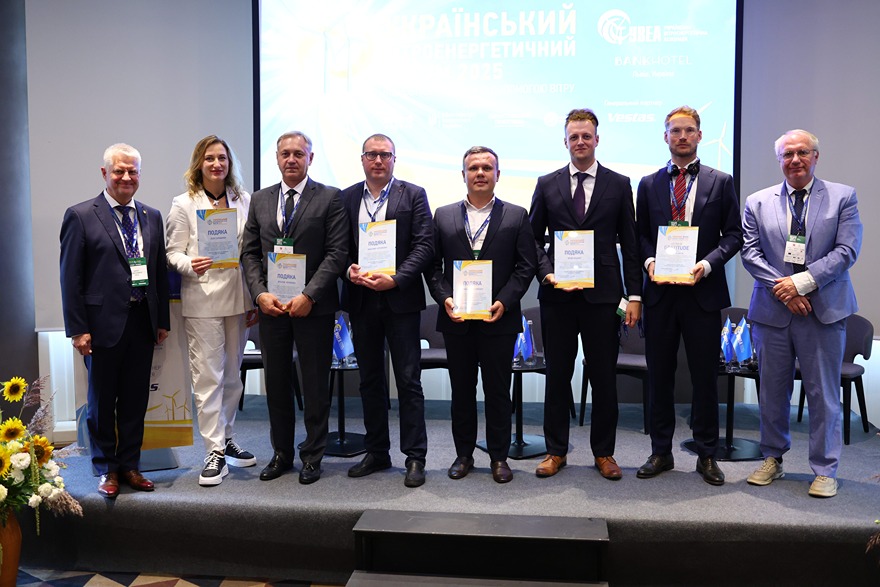

On April 17, 2024, UWEA held another webinar devoted to the integration of renewable generation, specifically wind power, into the integrated power system of Ukraine. The event showcased the expertise and experience of such UWEA member companies as DMCC-Engineering and INTEGRITES as well as attracted more than 100 participants, including representatives of national authorities and the scientific community. The moderator of the discussion was Andriy Konechenkov, Chairman of the UWEA Board
Thus, the joint speech by representatives of INTEGRITES law firm, namely Oleksiy Feliv, Managing Partner and Head of Energy Practice, and Serhii Datsiv, Senior Associate of Energy Practice, was devoted not only to the current peculiarities of the grid connection procedure but also to the steps to be taken for its improving and simplifying. In particular, the speakers presented the pre-connection development stages that needed to be passed by each RES producer; the existing regulation of grid connection procedure; the current fees for connection; the validity of technical conditions; the non-standard connection cases, etc.
“Although immediately after the introduction of martial law in Ukraine, the state adopted the procedure of temporary grid connection during martial law and allowed RES producers who had started developing their projects before the full-scale invasion to obtain technical conditions for connection, we now know the negative consequences of this incentive, such as the issuance of technical conditions without having conducted a feasibility study, which can be considered an abuse and needs to be further investigated within the association,” Oleksiy Feliv informed and also proposed to consider updating the procedure for changing the land designation for renewable energy facilities.
Andrii Zakharov, a senior engineer and RES expert at DMCC-Engineering, in turn, focused on technical aspects, namely power system studies for RES integration. In his presentation, Mr. Zakharov described the main types of electrical modes studies under the scope of calculation work, the stages of such studies and all other measures to be taken to prove the facility's compliance with the Transmission System Code. “I would like to highlight that the valid Transmission System Code of Ukraine is not just a list of certain TSO’s requirements, but the rules and regulations of European colleagues formed and tested while maintaining a significant share of "green" generation. So, this is very relevant and important for Ukraine, which has declared quite ambitious goals on increasing the share of renewable energy in its national electricity mix,” Mr. Zakharov noted.
During the Q&A session, Andriy Konechenkov also drew attention to the common challenge faced by developers that have already received technical conditions for grid connection and for various reasons not been able to build a wind farm within the time limit of three years.
You can watch the video-recording of the webinar on the UWEA YouTube channel.
On April 09th, 2024, the UWEA Secretariat, along with numerous of its member companies, participated in the second post-mediation meeting initiated by the Energy Community Secretariat. The meeting was held following the Memorandum of Understanding for the Resolution of Problematic Issues in the Renewable Energy Industry of Ukraine signed in 2020 by the Cabinet of Ministers of Ukraine, the Ministry of Energy of Ukraine, NEURC, NPC “Ukrenergo”, and RE investors. The second post-mediation talks brought together a wide range of national RES market players, including representatives of the Ministry of Energy of Ukraine, the SE Guaranteed Buyer, NEURC, industry associations, and “green” producers. The meeting was chaired by Dirk Buschle, Deputy Director of the Energy Community Secretariat.
Through discussing current RE market problems and challenges caused by the full-scale russian invasion, the post-mediation process intends to help restoring trust and dialogue among the key actors. Thus, the second meeting was dedicated to the following issues:
Special attention was paid to a new study on the reconstruction of the renewable energy sector in Ukraine, conducted by the Energy Community Secretariat. “Despite finishing the mediation process in late 2020, there are still some problems and challenges in the Ukrainian electricity market that need to be resolved not only for its sustainability but also for its integration into the European market environment. So, the post-mediation process intends to address these issues by developing options for their resolution with the involvement of all relevant state & business stakeholders. What we need to prepare for today is a renaissance of renewable energy in Ukraine,” noted Dirk Buschle opening the meeting.
UWEA member companies have spoken about the need for industry legislation to be invariable and predictable, which was also emphasized in a separate letter sent to the Energy Community Secretariat on the eve of the meeting. The representatives of UWEA’s member companies drew the attention of the Energy Community to such issues as debts in the electricity market and the lack of incentives for RES producers to move from the feed-in tariff to the feed-in premium. The parties discussed the current legislative gaps that prevent efficient implementation of corporate PPAs and “green” auctions and proposed solutions. Market participants also expressed a negative attitude towards the proposed surcharge initiative aiming at separating costs related to public service obligations namely, an increase of RES in electricity production, from the electricity transmission tariff, which is one of the financial sources of payment for the purchased electricity under the “green” tariff by the SE Guaranteed Buyer.
UWEA expresses its gratitude to the Energy Community Secretariat for initiating the post-mediation process and ensuring a dialogue between market players as well as expresses its hope for the prompt and speedy settlement of existing challenges in the market.


On 20-22 March 2024, representatives of the UWEA Secretariat and a number of its member companies took part in the WindEurope Annual Event 2024 - a key gathering place for onshore and offshore wind energy, which this year was held in the capital of the Basque Country - Bilbao. The event aimed at advocating wind energy to ensure the livelihoods of Europeans, the energy security of the European region, and the preservation of its climate and nature, this year was held under the tagline “Our wind, our value - Creating value for Europe, living in line with European values”. The three-day exhibition and conference gathered more than 12,000 people, 520 exhibiting companies, 14 Ministers and 400 other speakers from politics, industry and academia.
Traditionally the conference was opened with a ministerial session. Roman Andarak, Director General of the Directorate for Strategic Planning and European Integration of the Ministry of Energy of Ukraine, gave one of the keynote speeches. Thus, Mr. Andarak emphasized the importance of wind for Ukraine’s postwar “green” recovery and its continued sustainable development and growth. “Every wind turbine, whether it is installed in Ukraine or the EU, means less consumption of russian gas and less income for killing civilians, both the elderly and children. Every megawatt of clean energy significantly contributes to our common European energy security,” stated Mr. Andarak.
Teresa Ribera Minister for the Ecological Transition and the Demographic Challenge of Spain, Philipp Nimmermann, Germany Federal Secretary of State for Energy, Carolina Novac, State Secretary, Ministry of Energy of Moldova, Alexandra Sdoukou, Deputy Minister of Energy and Environment of Greece, and Çetin Ali Dönmez, Deputy Minister of Industry and Technology of Türkiye shared their views on Delivering the energy transition at the ministerial session.
The first day of the conference was marked by the signing of a “Spanish Wind Charter” designed to strengthen the nation’s commitment to expanding the industry in what is already one of its capacity and supply chain heartlands. Giles Dickson, CEO of WindEurope, said: “Last year’s EU Wind Power Package was a game changer – 15 immediate actions to strengthen Europe’s wind industry and speed up the expansion of wind energy. …Twenty-six governments then signed a European Wind Charter committing to implement the Package. It’s great that Spain is now delivering on that commitment by signing a national Wind Charter spelling out the actions the Government and industry are going to take.”
Ukrainian wind energy market was showcased at WindEurope’s annual event also by a special UWEA’s side-event “Investing in the wind energy sector of Ukraine today”. The national discussion held on March 22, 2024, coincided with the most extensive missile and drone attack by russian federation on energy infrastructure across Ukraine.
Speakers of the panel - Oleksandr Selishchev, DTEK Renewables, Mykhailo Chulkov, Eurocape Ukraine 1 LLC, Ivan Bondarchuk, LCF Law Group, and Maksym Artemenko, Elementum Energy - discussed the opportunities and challenges of running a wind power business in Ukraine, specifically the implementation of wind projects during the war, and their plans for expanding their business portfolios in the country. The discussion was moderated by Kateryna Knysh, Head of Analytics at the UWEA, and Director of Business Development at MCL Group, the UWEA’s member company.
The issue of investing in the Ukrainian wind energy business was also raised by Ms. Knysh when chairing one of the sessions of the conference entitled “Financing wind energy projects at a time of high-interest rates”. Speakers of the session included representatives of such companies and financial organizations as Statkraft, Brookfield Asset Management, the European Investment Bank, the International Finance Corporation, and the International Sustainable Finance Center.
The Ukrainian delegation at the 2024 WindEurope event also included representatives from other UWEA member companies such as WindFarm, Crane Ukraine, and CWP.
Andriy Konechenkov, Chairman of the UWEA Board: “The visibility of Ukraine’s wind power market at international wind events has been increasing year by year. Our market demonstrates its survivability and growth amidst the war, which certainly attracts the attention of international partners. As of today, up to 50% of investors actively engaged in the wind market in Ukraine are international ones, who keep on doing their business in Ukraine despite the existing political and military risks. I am optimistic that this share will increase as UWEA is actively cooperating with the government to minimize all risks, protect our investors, and improve permitting procedures. I want to thank WindEurope for allowing us to be represented and heard at their event.”


The 10+ most common challenges that renewable energy producers face when operating in the merchant power market was the topic of another UWEA webinar held on March 12, 2024. One of the most ground-breaking changes in the “green” energy industry of recent years has been the provision of the right for RES producers to leave the balancing group of the SE Guaranteed Buyer and conduct independent trading activities on the merchant power market. After more than six months of implementing these legislative initiatives, the UWEA has opted to discuss issues that frequently occur when companies switch to a new electricity trading format or are thinking about doing so. Representatives of such UWEA member companies as Illya Prytula, Head of Green Energy at Energy Company of Ukraine (ECU), and Vitaliy Radchenko, Managing Partner at CMS Cameron McKenna Nabarro Olswang, shared their experience and expert opinion during the online discussion. The guest speaker was Yuriy Artemenko, a member of the Supervisory Board of MTB Bank.
Opening the webinar, Andriy Konechenkov, Chairman of the UWEA Board and webinar’s moderator, said that the issue of enabling RES producers to leave the balancing group of the SE Guaranteed Buyer and conduct independent sales in different segments of the wholesale electricity market started back in 2020, while already in 2022, some solar power producers were among the first to start operating on a fully market-based basis. At the same time, the major driving force for wind electricity producers to enter the merchant market was the adoption of the Law of Ukraine No.3220-IX on Restoration and “Green” Transformation of the Energy System of Ukraine that provides for the temporary exit of the balancing group of the SE Guaranteed Buyer with the possibility to return and sell electricity at the same FiT rate as it was before leaving this balancing group. “As of January 2024, 78% of national wind power producers left the balancing group of SE Guaranteed Buyer, thereby ensuring the ability to cover its operating and financial costs during the war. The key reason for this decision was the desire to receive funds for the generated electricity promptly and in full,” Andriy Konechenkov noted.
Following Mr. Konechenkov's remarks, Illya Prytula pointed out that collaboration with professional energy traders within PPAs enhances the benefits for RES producers that have entered the merchant power market.
“In recent times, the market has introduced several new opportunities to improve the operational efficiency of “green” energy producers. Now wind and solar power stations have access to the free market which allows them to receive immediate payments for their electricity and avoid accumulating debts. Collaborating with professional traders through Power Purchase Agreements (PPAs) simplifies the transition to a new operational model. ECU also offers contracts for green energy producers even at the design stage (pre-PPA), enabling investors to attract credit funds for building new capacities. Furthermore, a feed-in premium mechanism is being implemented in the market. This mechanism enables wind and solar power stations to operate in the merchant power market while still receiving state support”, – stated Mr Prytula.
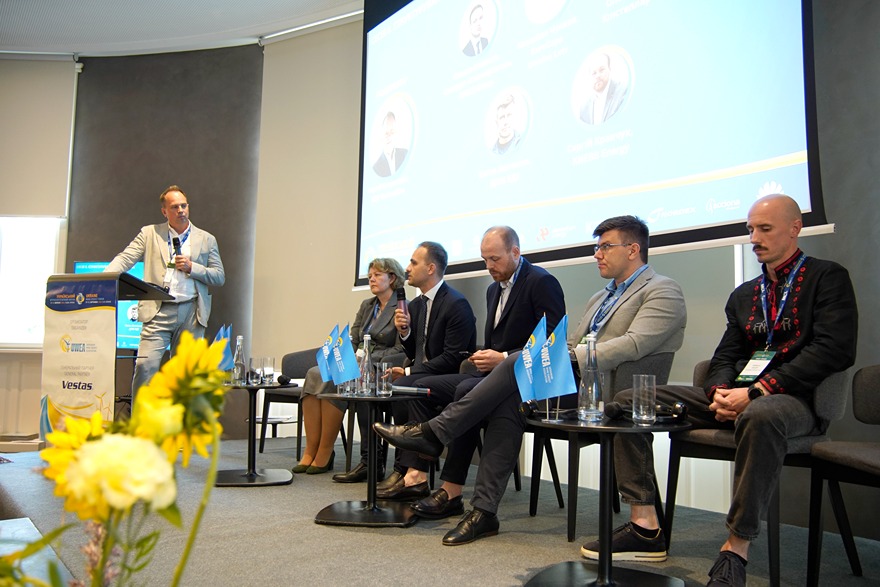
Vitaliy Radchenko, in turn, spoke about the legal features of returning to the balancing group of the SE Guaranteed Buyer, the possibility of concluding long-term agreements for the purchase of “green” electricity, as well as the current status of guarantees of origin’s trading model in Ukraine.
“When switching from Feed-in Tariff to Feed-in Premium and leaving the balancing group of the Guaranteed Buyer, producers of electricity from RES must understand and carefully calculate in their financial models all of the obvious legal and financial risks associated with changing the support mechanism, balancing, the need to join a new balancing group with its own and special commercial conditions, and implicit risks - such as the consequences and high probability of increased curtailments of renewable energy production in case of such switch,” - stated Mr. Radchenko.
As a representative of the banking sector, Yuriy Artemenko examined whether it’s possible to leave the balancing group of the SE Guaranteed Buyer if it's included in a loan agreement and what provisions should be contained in PPAs to receive loans for a new “green” project from the bank.
Although during the webinar, many advantages of doing business in the merchant power market were revealed, the UWEA member companies still face such market problems as indebtedness, lack of balancing capacities, difficult predictability of “green” generation, as well as poor regulation of the intraday market.

This year's first international webinar was held by the UWEA in collaboration with the German Wind Energy Association (BWE) on February 29, 2024. The webinar titled “Ukrainian Wind Power Market” provided insights into the current market status, already adopted and expected changes in RES legislation, available market advantages, and opportunities as well as the contribution of German wind business in wind deployment in Ukraine. The webinar featured the experience of such UWEA member companies as NOTUS Energy Plan GmbH & Co. KG and Deutsche WindGuard GmbH.
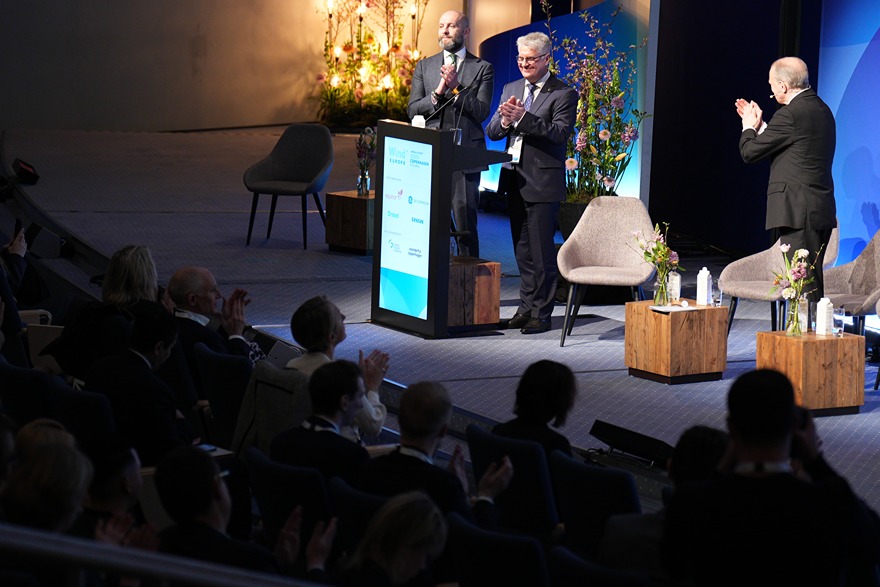
In her opening remarks, Dorothee Baxmann, Project Manager at BWE and webinar’s moderator noted that Ukraine has immense potential for both onshore and offshore wind energy. “Ukraine has completed more onshore wind turbines than England since it was occupied by russian soldiers,” Mrs. Baxmann recalled.
The discussion started with a speech by Dr. Yulia Rybak, Advisor to the Minister of Energy of Ukraine, Co-Head of German-Ukrainian Energy Partnership Secretariat who emphasized the importance of the Ukrainian-German Partnership in the renewable energy sector of Ukraine, the current status of the national power sector, and the role of international partners in meeting its urgent needs. According to Dr. Rybak: “Between 2022 and 2023, the national grid saw an addition of approximately 600 MW of new “green” capacities. Out of this, 350 MW were added in 2023 alone. Ukraine is committed to continuing its efforts towards sustainable development and the support from German businesses can prove to be especially valuable for the growth of distributed wind generation and the increase in biomethane production.”
Galyna Shmidt, UWEA Board Member, and Oleksandr Podprugin, Deputy Chairman of the UWEA Board and Country Manager at Notus Energy, jointly provided an in-depth analysis of Ukraine's wind energy market, including its current status and future prospects. In her presentation, Galyna Shmidt informed that wind power with a 21.7% share is currently the second largest sector in terms of installed capacity in the national RES electricity mix. Additionally, she stated that the technical potential for the development of offshore wind energy in the Black and Azov Seas is estimated to be as high as 50 GW. “By the end of 2023, a total of €3.5 billion had been invested in the wind energy sector in Ukraine. Despite the challenges faced by the development of wind energy projects in Ukraine today, our market is alive and thriving. The importance of renewable energy, particularly wind energy, cannot be overstated in enhancing the resilience of the power grid and ensuring uninterrupted access to the electricity supply like never before,” Mrs. Galyna underlined.
Oleksandr Podprugin emphasized, in turn, the importance of wind energy as the foundation for rebuilding Ukraine's energy sector. “Renewable energy sources are among the top five industries with the highest added value, making their development in Ukraine a quick and effective way to stimulate the growth of the national economy. “Green” energy can also boost the competitiveness of Ukraine's export-oriented heavy industry in the EU market. Although Ukraine has made significant progress in deploying wind power capacities in recent years, it is still insufficient to diversify export potential, meet growing energy needs, and replace destroyed capacities,” noted the Deputy Chairman of the UWEA Board.
Mr. Podprugin was followed by Ivan Bondarchuk, UWEA Board Member, Counsel, and Head of Energy Practice at LCF Law Group who exhaustively described the available legal toolkits for developing wind energy projects in Ukraine and the latest industry-specific legislative updates. “In recent years, a significant achievement has been the simplification of the procedure for changing the designated purpose of land plots, which includes generation facilities and high-voltage networks. One of the important steps also is a continuing collaborative effort between wind energy investors and relevant state authorities to implement the “capacity booking" mechanism in Ukraine,” said Ivan Bondarchuk.
Finally, Hannes Helm, Country Director, NOTUS energy Plan GmbH & Co. KG, and Leif Rehfeldt, Managing Director, Deutsche WindGuard GmbH, gave their perspectives on doing business and developing wind energy projects in Ukraine nowadays.
In his speech, Hannes Helm mentioned that in comparison to Germany, Ukraine has significant wind resources almost all over its territory, which makes the country very promising in terms of wind potential. “It is essential to highlight that the wind farms commissioned in the last two years are the result of the hard work of local market players. As we move forward, we need to enter a new phase of industry development, where international investors and financial institutions will take the lead. This is my primary objective as well,” said Mr. Helm, adding that the company has already brought 301.2 MW of its wind power capacity to the RtB stage, which will be implemented in the Odesa region.
Leif Rehfeldt also informed that Deutsche WindGuard GmbH is committed to supporting more wind energy projects in Ukraine. “In the Ukrainian market, we have conducted 49 wind measurements over the past 15 years. We have assessed the wind resource for more than 7,500 MW of planned new capacity and conducted 9 technical due diligence studies along with 7 power curve measurements. We are committed to continuing our work and are determined to keep going,” Mr. Rehfeldt summarized.
UWEA thanks the German Wind Energy Association for co-organizing the webinar, raising awareness of the Ukrainian-German partnership in renewable energy.

On February 22, 2024, the Ministry of Energy of Ukraine gathered representatives of local authorities, energy companies as well as energy project developers and international partners, to present the Catalogue of Critical Technologies for the Energy Sector of Ukraine (hereinafter - the Catalogue), developed in cooperation with the Danish Energy Agency. Andriy Konechenkov, Chairman of the UWEA Board, was among the participants of the ministerial event ‘‘Critical Technologies for the Energy Sector of Ukraine’’ and learned about certain technological solutions that are most relevant to Ukraine's needs firsthand.
Herman Galushchenko, Minister of Energy of Ukraine: ‘‘The massive russian air attacks on the Ukrainian energy infrastructure provide compelling evidence of the need to decentralize the system and increase the capacity of distributed power generation. Therefore, the Catalogue includes a technologies of fast-tracking implementation to develop such type of generation and improve the security of electricity supply.’’ Mr. Minister also noted that the Danish-Ukrainian cooperation is once again being turned into real actions and measures: at first, Denmark became the first donor to the Energy Support Fund for Ukraine, which allowed us to start purchasing the necessary energy equipment, and now it is at the origins of this Catalogue.
Overall, the Catalogue provides for 20 technological solutions, including onshore wind, that are necessary for increasing the capacity of distributed generation in the country. This document can definatelly serve as a guide while choosing appropriate type of electricity generation technologies, both for large industrial projects and small-scale solutions for households. It provides a broad description of each technology, its vulnerability status to russian missile and drone attacks, the timing and stages of its implementation, the impact of winter, and, most importantly, the weighted average cost of the specific technology.
Lars Aagaard, Minister of Energy of Denmark: “It is crucial during the heating season to enhance security of supply, and this Catalogue shows how to do this. I hope that it will be useful for the Ukrainian people and will push other countries to provide assistance to Ukraine more effectively.”
According to the Ministry of Energy of Ukraine, the Catalogue will be constantly updated, improved and expanded depending on the specific needs of Ukraine.
UWEA has also been cooperating with Danish partners for many years to come and jointly develop various solutions for the large-scale deployment of wind power in Ukraine, both onshore and offshore. So, it believes that this Catalogue can encourage not only large energy companies but also households to develop distributed generation more actively. Andriy Konechenkov: ‘‘At the same time, in order to accelerate the large-scale expansion of renewables, in particular wind and all other technologies listed in the Catalogue, a number of important issues such as the exciting indebtedness need to be resolved. This problem is of a high-priority not only for ‘‘green’’ electricity producers, but for all energy market players. The settlements with electricity producers will open up new investment opportunities to restore the energy structure, decentralize generation and transit to clean, and carbon-neutral energy technologies.’’
The Catalogue is available in Ukrainian via https://mev.gov.ua/novyna/domovlenosti-ministriv-v-diyi-ukrayina-i-daniya-rozrobyly-perelik-krytychno-vazhlyvykh


Despite all the internal and external challenges, permanent shelling of the energy infrastructure by russia, disruptions in the supply chains, reduction in the number of able-bodied personnel, etc., 228 MW of wind power additions was built and commissioned in the country during the two years of full-scale war, of which 146.3 MW was put into operation only in 2023. By the end of 2023, the total installed capacity of the wind power sector in Ukraine, had reached 1,900,8 MW (including wind farms in the temporarily occupied territories except for Crimea). This is stated in the UWEA’s Market Overview “Ukrainian Wind Power Sector 2023”, which was prepared in cooperation with the law firm INTEGRITES. Over the past two years, the UWEA member companies such as DTEK Renewables, Elementum Energy, Eco-Optima LLC, and MC “Wind Parks of Ukraine” have become the owners of new wind power capacities including 114 MW Tyligulska WPP, the most widely publicized in the international arena.
Today, wind energy accounts for 21.7% of the total RE installed capacity and is still the second most dominant sector after solar energy. According to statistics, Ukraine's renewable energy sector has an installed capacity of 10.8 GW. At the same time, as of the end of 2023, there were only 583.8 MW of wind capacities directly supplying “green” electricity to the IPS of Ukraine, as 71% of WPPs are currently in the temporarily occupied territories.
According to the strategic plans of the Ministry of Energy of Ukraine, it is expected to increase the total installed wind power capacity to 10 GW by 2032.
The UWEA is convinced that 2023 will go down in the history of the national wind energy industry as the year when the direct installation of wind turbines was carried out by Ukrainian companies with the remote/online participation of foreign contractors and wind turbine manufacturers. In its Overview, the UWEA also pays detailed attention to such positive policy initiatives as the adoption of the Law of Ukraine on Restoration and “Green” Transformation of the Energy System of Ukraine, which enabled wind power producers to switch to the market premium and contracts for difference mechanism and reboot the issue of guarantees of origin in Ukraine. Thus, about 78% of wind generation in the territory controlled by Ukraine had left the Balancing Group of the Guaranteed Buyer and entered the merchant power market.
At the same time, achievement of the declared ambitious goals of building dozens of gigawatts of new capacity will require attracting dozens of billions of euros in investments from international and Ukrainian financial institutions as well as resolving of current market challenges. The UWEA analysed these challenges and proposed solutions in its 2023 Wind Energy Development Concept until 2030, which is also mentioned in the Overview.
The authors of the Overview particularly wish to express their gratitude to the Ministry of Energy of Ukraine, the State Agency on Energy Efficiency and Energy Saving of Ukraine, the National Commission for State Regulation of Energy and Utilities, the SE Guaranteed Buyer, members of the UWEA Legal Committee and Ukrainian Wind Energy Agency-K LLC for sharing their expert views on the current status, challenges and prospects for wind power in Ukraine.
The first webinar in the 2024 UWEA Webinar series was held on February 20, 2024. It was devoted to some peculiarities of connecting wind projects to the electricity grid.
The complicated and imperfect grid connection procedure is currently at the heart of many expert discussions and RES industry events in Ukraine. Thus, within this webinar, the UWEA together with its member companies IKNET Energy Engineering and LCF Law Group talked about such important issues related to the WPP grid connection procedure as electrical mode calculation and the energy storage potential impact on Ukraine's grid. Oleksandr Zhyhalyuk, Head of the Transmission System Development Department at the NPC Ukrenergo also took part in the discussion. The webinar was moderated by Andriy Konechenkov, Chairman of the UWEA Board.
In his presentation, Yuriy Podolyak, CEO of IKNET Energy Engineering, outlined the company’s experience in calculating electrical modes based on real cases. Also, he pointed out the necessary conditions for connecting a wind farm that will be crucial in the coming years. ‘‘Grid connection is one of the main challenges for further wind deployment in Ukraine. Damages to the Ukrainian integrated power system caused by russian missile attacks, Ukraine’s power system synchronization with ENTSO-E, and the development of energy storage facilities directly influence this process. At the same time, new legislative initiatives that are planned for introduction in Ukraine will positively affect the procedure. In any case, investors can rely on IKNET’s assistance in the development of wind projects in Ukraine,’’ Mr. Podolyak said.
Ivan Bondarchuk, Counsel, Head of Energy and Natural Resources Practice at LCF Law Group, UWEA Board Member: ‘‘The current grid connection procedure poses significant risks for large-scale wind power projects. The developer is currently faced with the dilemma of either investing without any guarantee and conditions for grid connection or concluding an agreement with the grid operator and hoping to have time to build a wind farm in three years. Both options are for sure, too optimistic. Therefore, the UWEA together with the national regulator, Ministry of Energy, and NPC Ukrenergo are jointly developing a booking capacity mechanism for new RES projects. The purpose of this mechanism is to offer extra time for the development of such projects and guarantee a grid connection. According to the procedure, the developer will pay a guarantee fee which will be credited to the wind farm grid connection cost or, if the investor abandons the project, the money will be used for the development of power grids by NPC Ukrenergo.”
Oleksandr Zhyhalyuk, commented on colleagues’ visions and presentations and noted plans for the development of the national electrical grids, including the increase of interconnector capacity. “The laws that regulate the current grid connection procedure are designed to make it as simple and transparent as possible, in other words, to choose the most cost-effective option,” Mr. Zhyhalyuk underlined. He also confirmed the importance of connecting combined RES-energy storage facilities, which is common practice worldwide. Therefore, this issue is one of the priorities for the TSO’s activity.
On February 14, 2024, during the international construction fair KyivBuild Ukraine, a forum-workshop called “Rebuilding in Action 2.0” took place. This year's forum was attended by leading Ukrainian and international construction specialists, as well as state authorities, urban self-government, national and international non-governmental programs and organizations, such as USAID, USAID\DOBRE, Foundation of Polish-Ukrainian cooperation (PAUCI), Confederation of Builders of Ukraine (CBU), etc.
One of the Forums’ experts was Andriy Konechenkov, Chairman of the UWEA’s Board, who spoke at the first session “Public-Private Partnership as a Tool to Increase the Financial Capacity of Communities” organized by the Irpin Recovery Fund. The discussion was moderated by Volodymyr Karpliuk, Founder of the Irpin Recovery Fund, Chairman of the Irpin Investment Council, and Head of regional representation for CBU in the Kyiv region, who emphasized the importance of state-business cooperation for increasing the financial capability of locals.
Andriy Konechenkov, as a representative of the Ukrainian wind community, noted that today communities have a distinct chance to ensure their recovery and further development based on sustainability and energy efficiency with renewables at its core. “State-business cooperation with Irpin and Borodyanka, the cities that were most affected by russian invasion, should focus not just on rebuilding their destroyed infrastructure, but also on their transition towards local and environmentally friendly energy sources like solar, wind, and biomass. The projects that are currently being implemented in these cities as part of the #Renewables4Ukraine campaign with the support of the World Wind Energy Association, the Finnish NGO EKOenergy ecolabel, and the UWEA demonstrate how to make this happen in practice,” Mr. Konechenkov said.
Community leaders, experts, and members of the public, in turn, shared their experiences and successful cases of public-private partnerships for accelerating the recovery of destroyed facilities and the construction of new ones.


Since the beginning of the war unleashed by the russian federation against Ukraine, the UWEA has been involved in volunteer activities, in particular through a specially created online platform #Renewables4Ukraine (https://www.renewables4ukraine.org/ ) by UWEA and World Wind Energy Association (WWEA). In December 2022, the Finnish NGO EKOenergy ekolabel joined the #Renewables4Ukraine campaign. It was thanks to their generous donation that the local community of Irpin received several mobile solar systems.
Last week, Volodymyr Karpliuk, chairman of the Irpin Investment Council and co-founder of the Foundation of Irpin Restoration, said that solar panels had been successfully installed in “Dzhereltse” preschool department of the Irpin gymnasium "Osvita". The installed capacity of solar panels is 10 kW. The installation of solar panels was the result of the signed Memorandum of Cooperation and Partnership between the WWEA, the Foundation of Irpin Restoration, and the Irpin City Council. The panels were installed by “Green System” company with the financial support of WWEA.
We would like to recall, that on December 26, 2022, the company KNESS in Vinnytsya provided similar support to the Irpin City Primary Health Care Center in the form of two mobile solar systems with 3 kW capacity each. On March 8, 2023, autonomous mobile solar power systems with storages were also delivered to the Kozynets Family-type Outpatient Clinic in the village of Kozyntsy, Bucha District, and the Irpin Lyceum of Innovative Technologies "ILIT".
The EKOenergy-WWEA-UWEA joint project has both an energy problem-solving and educational focus, as it demonstrates the advantages of Ukraine's renewable energy sources and teaches young people how to utilize them.


On 06 February 6, 2024, the UWEA joined a seminar organized by the UWEA’s member - law firm Asters “Prospects for connecting wind energy projects to the grid”, dedicated to the need to reform approaches to issuing technical specifications for connecting wind farms to the grid and rationalizing the cost of such connection.
Oleksandr Zhygalyuk, Head of the Transmission System Development Department at NPC “Ukrenergo”, noted that before the full-scale invasion of Ukraine, technical specifications for new RES capacities totaling 17 GW were issued, which, accordingly, raised the issue of balancing to a new level of importance. Thus, according to pre-war estimates, to balance this capacity, it’s also necessary to add 1.4 GW of maneuvering capacity in the form of gas turbines and about 700 MW of energy storage systems to the system. “Even though since the beginning of the war, the system operator has faced the problem of capacity shortages and changes in the structure of the grid, Ukrenergo has already developed several projects, including interstate ones, and has a vision for the development of certain voltage classes in order, to first of all, to fulfill all its obligations to restore the grid, normalize the structure of energy consumption by region and promote the harmonious integration of all planned RES projects into the integrated power system of Ukraine,” Mr. Zhyhaliuk outlined the current situation.
Andriy Konechenkov, Chairman of the UWEA Board, presented the current state of the wind power sector in Ukraine and the impact of the full-scale war on it and drew attention to the key barriers to the procedure for connecting wind farms to the grid, which are summarized in the UWEA’s Concept for the Development of Wind Energy in Ukraine until 2030. “Bringing the issue of the importance of building energy
storage systems to a new level of importance in the Ukrainian market is a very positive trend that directly determines the future of our energy system. Decentralization is what the Ukrainian energy system needs most of all now,” emphasized Mr. Konechenkov.
The issue of decentralization’s impact on wind energy projects was discussed in more detail by Marta Galabala, Counsel at Asters, Head of Environmental and Sustainable Development Practice, and member of the UWEA Legal Committee.
Loic Lermigneau, Guris representative, the UWEA Board Member, raised the issue of combined use of RES generation facilities with energy storage systems. Mr. Zhyhalyuk supported this idea but noted that its implementation depends on resolving a number of technical and regulatory issues.
Ihor Retivov, Head of Regulatory Affairs at DTEK Renewables and member of the UWEA Legal Committee, continued Mr. Konechenkov’s presentation by reviewing the activities of the working group involving the NEURC and NPC Ukrenergo to improve the conditions for connection in Ukraine and more efficient use of the power grid.
In their joint presentation, members of the UWEA Legal Committee Yaroslav Petrov, PartnerAssociate at Asters, and Maksym Sysoev, PafrtnerAssociate at Dentons, based on cases from more than 10 European jurisdictions, proved that capacity reservation and the fight against dormant PPAs are quite common practices that should be taken into account when developing the relevant regulation in Ukraine.


Wind Parks of Ukraine, one of Ukraine's leading wind energy companies with over 10 years of experience in the national renewable energy sector, has completed the installation of the first wind turbine at Ostrovsky Wind Park, located in the Nyzhnevoritska community on the border of Lviv and Zakarpattia regions.
Wind turbine produced by Ukrainian company Friendly Windtechnology has a unit capacity of 4.8 MW, a hub height of 120 m, and a rotor diameter of 152 m
When completed, the Ostrovsky Wind Park will have a total installed capacity of 80 MW. The amount of electricity to be generated is enough to provide annually about 50,000 households with clean electricity.
Environmentally friendly electricity is not the only advantage that the local community will benefit from the electricity generated by Ostrovsky Wind Park. The social partnership agreement concluded between Ostrovsky Wind Park and the Nyzhnevoritska community provides for 3% of the revenue from electricity sales to be allocated to the community budget. In other words - nearly one and a half million hryvnia for roads, schools, kindergartens, and sports facilities per year. It should be mentioned that upon completion of the wind park, this figure will be multiplied by the number of installed wind turbines (16-17 wind turbines, based on the wind park's total capacity).
Andriy Konechenkov, Chairman of the Board: “The peculiarities of the project are that both the wind turbine manufacturer and the company implementing the project are Ukrainian ones. In other words, we are talking about a wind project of “100% Ukrainian origin”, which not only contributes to the energy independence and economy of the country and the region but also has a large social component.
On behalf of the UWEA, I congratulate the UWEA member companies MC Wind Parks of Ukraine and Friendly Wind Technologies, on this significant achievement and wish them further success on the path of “green” transformation of our country.”


On January 11, 2024, the International Energy Agency (hereinafter referred to as the IEA) presented its another Report “Renewables 2023. Analysis and forecast to 2028”.
“The new IEA report shows that under current policies and market conditions, global renewable capacity is already on course to increase by two-and-a-half times by 2030. It’s not enough yet to reach the COP28 goal of tripling renewables, but we’re moving closer – and governments have the tools needed to close the gap,” these words of the IEA’s Executive Director Fatih Birol summarize the essence of this year's Report.
Thus, the amount of renewable energy capacity added to energy systems around the world grew by 50% in 2023, reaching almost 510 GW, with solar PV accounting for three-quarters of additions worldwide. Such a growth is primarily due to China's policy which commissioned as much solar PV in 2023 as the entire world did in 2022, while its wind power additions rose by 66%. The increases in renewable energy capacity in Europe, the United States and Brazil also hit all-time highs.
At the same time, the IEA provides less optimistic forecasts for further wind power development worldwide when China is excluded, due to constant supply chain disruptions, higher costs, and long permitting process. The challenges facing the industry particularly affect offshore wind, with investment costs today more than 20% higher than only a few years ago. In 2023, developers have cancelled or postponed 15 GW of offshore wind projects in the United States and the United Kingdom. On the other hand, the IEA repeatedly refers to the Wind Energy Charter and the Wind Energy Action Plan (package) adopted in Europe and notes that if governments follow the measures set out in these recently adopted documents, the situation will soon stabilize.
In contrast with solar PV, wind supply chain development in the medium term is expected to remain closely aligned with demand. Manufacturing capacity for the main wind turbine components (nacelles, blades and towers) remained mostly unchanged in 2023, at about 110-125 GW per year. Announced expansion projects indicate that by 2025 it will increase to about 120-140 GW.
An interesting feature of this report is the IEA's analysis of the likelihood of implementing all the green hydrogen projects that have been announced worldwide. So, of all the projects announced worldwide to use renewables to produce hydrogen this decade, only 7% of the proposed capacity is expected to come online by 2030. The slow pace of projects reaching an investment decision combined with limited appetite from off-takers and higher production costs have led to slower progress on many projects.
Moreover, in 2023, the role of biofuels has also come to the fore. Emerging economies, led by Brazil and India, are expected to drive 70% of global demand over the next five years as biofuels start to show their true potential in carbon-intensive and hard-to-abate sectors such as air- and sea travel.
Despite the temporary difficulties in the global wind power sector, as well as the slow pace of development of the hydrogen and bioenergy industries, an estimated 96% of newly installed, utility-scale solar PV and onshore wind capacity had lower generation costs than new coal and natural gas plants in 2023. According to the IEA, wind and solar energy will become even more competitive in terms of cost from year to year, making the energy transition in the world inevitable.
In general, under existing policies and market conditions, global renewable capacity is forecast to reach 7 300 GW while renewable electricity generation is expected to reach around 14 400 TWh by 2028. In other words, this growth trajectory would see global RE capacity increase to 2.5 times from its current level by 2030, falling short of the tripling goal approved in COP28. But, IEA convinced that governments can close the gap to reach over 11 000 GW by 2030 by overcoming current challenges and implementing existing policies more quickly.
Report: https://iea.blob.core.windows.net/assets/3f7f2c25-5b6f-4f3c-a1c0-71085bac5383/Renewables_2023.pdf